Threatened and Protected Fish Species in Nevada
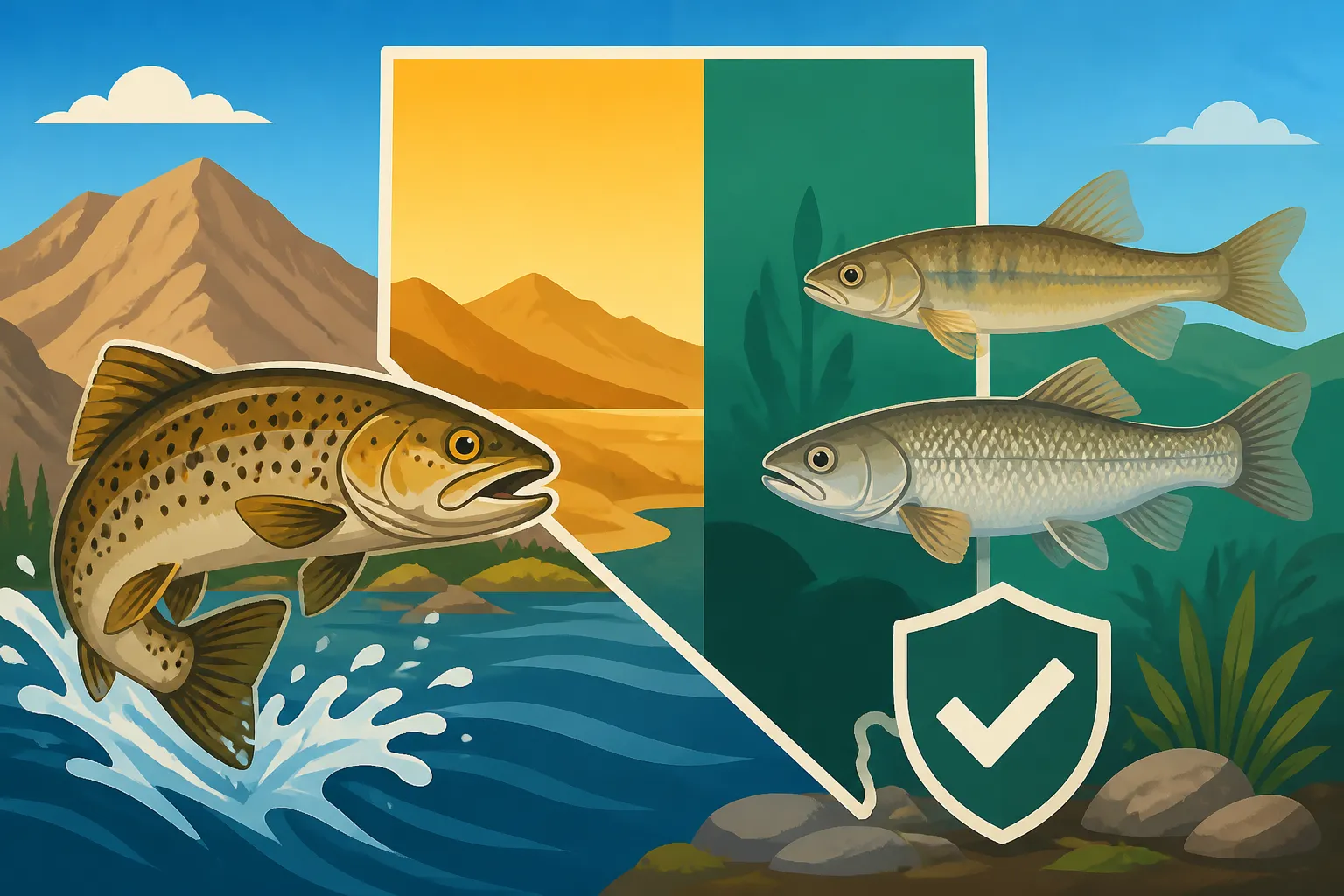
It's heartbreaking to think that some of Nevada's most unique and incredible fish species are struggling to survive. As anglers, we have a huge responsibility, and frankly, a desire to make sure we're doing our part to protect these vulnerable populations. It can feel confusing trying to keep up with all the regulations and identify every single fish, but don't worry. This guide is here to break down the threatened and protected fish species in Nevada, helping you understand who they are, where they live, and how you can be a responsible conservationist every time you cast a line.
Understanding "Threatened" vs. "Protected" Status in Nevada
When you hear terms like "threatened" or "protected" regarding fish species, it's easy to lump them all together, but there are important distinctions, especially when it comes to the rules and why these fish need our help. It’s not just academic; understanding these classifications helps you grasp the urgency and the specific conservation efforts in place.
The Difference: State and Federal Designations
In Nevada, fish species can fall under various protective umbrellas, most commonly federal listings through the Endangered Species Act (ESA) and state-level protections by the Nevada Department of Wildlife (NDOW). The ESA is a powerful federal law that offers a safety net for animals, plants, and even fish that are at risk of extinction. Under the ESA, species can be listed as "endangered" (meaning they are in danger of extinction throughout all or a significant portion of their range) or "threatened" (meaning they are likely to become endangered in the foreseeable future).
Then there are state protections. NDOW maintains its own list of sensitive species, which might include species that are not yet federally listed but are still of conservation concern within Nevada's borders. These state designations often serve as an early warning system, allowing for proactive conservation before a species reaches the brink of federal listing. The protections can vary too. A federally endangered fish might have strict prohibitions against any form of take (catching, harming, or harassing), while a state-protected species might have more nuanced rules, perhaps allowing catch-and-release under specific conditions. It’s crucial to remember that regardless of the specific designation, the goal is always the same: to prevent these unique creatures from disappearing forever.
Why Certain Fish Need Protection
The reasons why a fish species ends up on a threatened or protected list are often complex and multifaceted, rarely boiling down to a single cause. Habitat loss and degradation are almost always at the top of the list. Think about the construction of dams, the diversion of water for agriculture or urban development, or even changes in water quality due to pollution or altered flow regimes. These changes directly impact where fish can live, spawn, and find food.
Invasive species also play a huge role. Non-native fish, plants, and even diseases can outcompete native species for resources, prey on their young, or introduce pathogens that native fish have no natural immunity to. Overfishing, historically, has also contributed to declines, though modern regulations are designed to prevent this. Climate change, leading to warmer water temperatures, altered precipitation patterns, and prolonged droughts, further exacerbates these issues, making habitats even more challenging for already vulnerable populations. Many of Nevada's native fish have adapted to very specific, often harsh, desert environments, making them particularly sensitive to these changes.
The Role of NDOW and Federal Agencies
The Nevada Department of Wildlife (NDOW) is the primary state agency responsible for managing and conserving Nevada's fish and wildlife resources. They conduct research, monitor populations, manage habitats, enforce regulations, and implement recovery plans for threatened and protected species. This often involves working with landowners, other state agencies, and anglers to achieve conservation goals. You'll see their efforts in stocking programs for sport fish, but their work for native and protected species is equally vital, even if less visible to the casual angler.
On the federal side, the U.S. Fish and Wildlife Service (USFWS) is the lead agency for implementing the Endangered Species Act. They are responsible for listing species, designating critical habitat, and developing recovery plans. For a vast body of water like Lake Mead, or the unique ecosystem of Pyramid Lake, various federal agencies like the Bureau of Reclamation or even tribal governments, such as the Pyramid Lake Paiute Tribe, also play significant roles in managing water resources and land, which directly impacts these aquatic species. It's a complex dance of cooperation, jurisdiction, and dedicated effort to safeguard Nevada's natural heritage. Understanding these agencies' roles helps you appreciate the significant investment in keeping these species alive and thriving for future generations. For more on the rules set by these agencies, take a look at our guide on Nevada Fishing Regulations Explained.
Iconic Protected Fish Species You Might Encounter
Nevada is home to some truly remarkable and unique fish species, many of which have adapted to extreme environments over millennia. While some protected species live in highly restricted, non-angling accessible areas, others inhabit waters where anglers regularly cast their lines. Knowing who they are and what they look like is your first line of defense in protecting them.
The Lahontan Cutthroat Trout: Nevada's State Fish
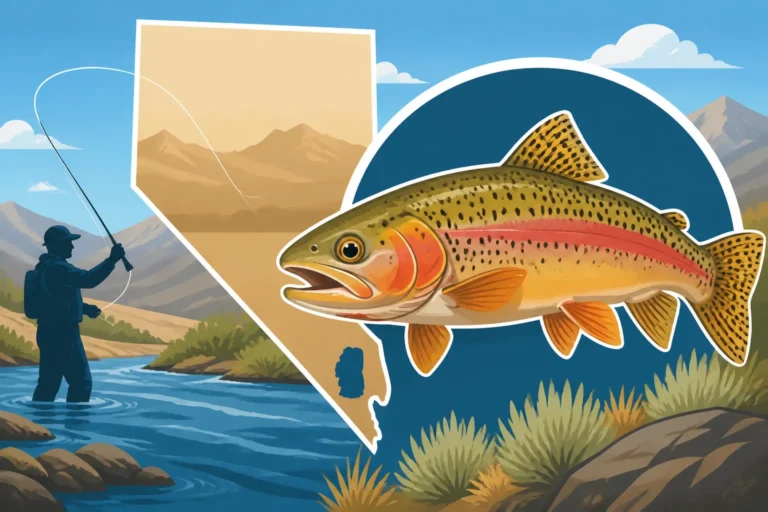
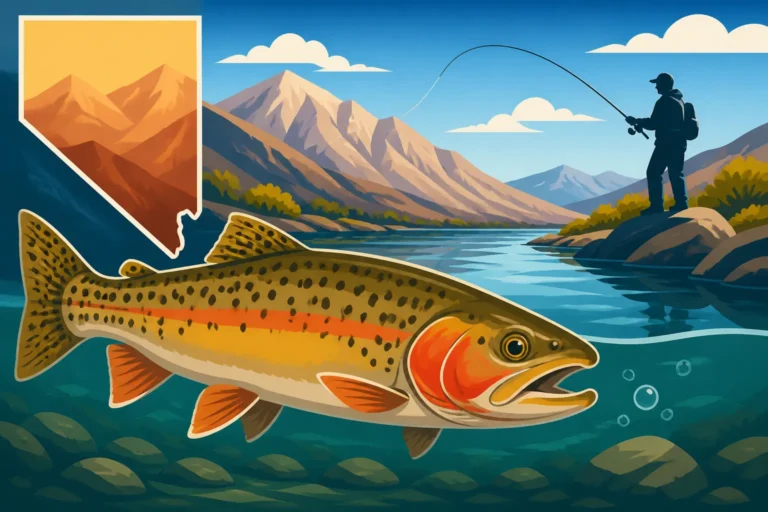
If you fish in northern Nevada, especially around the Reno area or Pyramid Lake, you've likely heard of the Lahontan Cutthroat Trout. This magnificent fish, Nevada's state fish, is a true survivor. Historically, these trout were found across a vast range, from the Lahontan Basin in Nevada, eastern California, and southern Oregon. However, due to habitat loss, overfishing, and the introduction of non-native species, their populations plummeted. They were one of the first species listed under the Endangered Species Act in 1970.
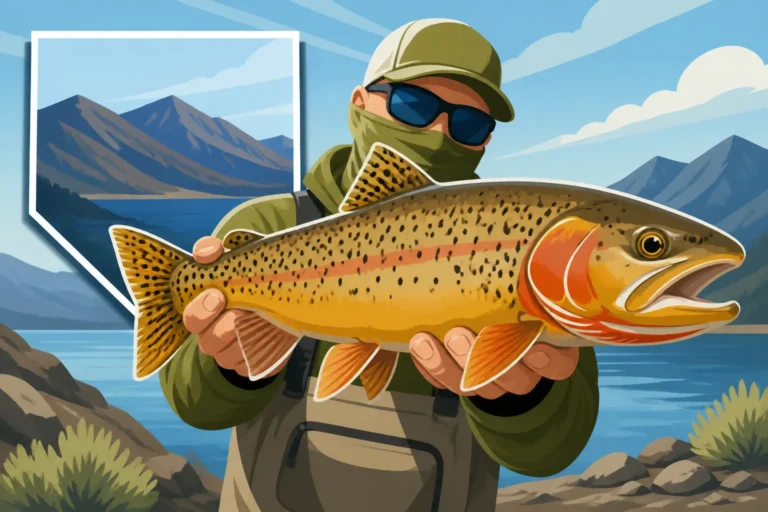
Today, while still federally listed as threatened, the Lahontan Cutthroat Trout (LCT) has seen significant recovery efforts, particularly at Pyramid Lake, which is home to the world-renowned "Pilot Peak" strain, famous for its potential to grow to immense sizes. These fish are beautiful, with a distinctive red or orange slash under their jaw (hence "cutthroat") and often large, dark spots. They can vary in color from silver-green to brassy, depending on their habitat and diet. Catching one is a privilege, and strict regulations, including size limits and mandatory catch-and-release rules in certain areas, are in place to ensure their continued recovery. Always check the specific regulations for the water you're fishing, especially around Pyramid Lake. You can learn more about these incredible fish in Lahontan Cutthroat Trout in Nevada.
The Cui-ui: An Ancient Pyramid Lake Resident
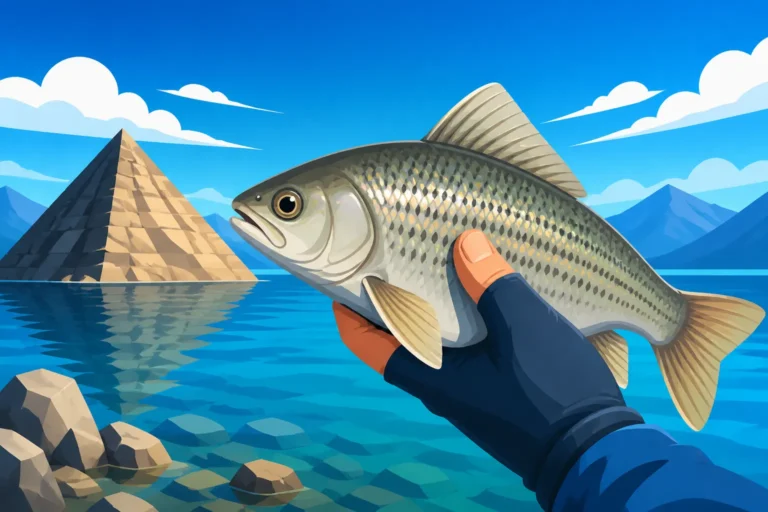
Another truly ancient and unique fish found exclusively in Pyramid Lake is the Cui-ui. This suckerfish isn't typically sought after by anglers, but it's vital to the ecosystem and a fascinating example of a species teetering on the edge of existence. The Cui-ui are long-lived, bottom-feeding fish that can grow quite large, sometimes exceeding 2 feet in length. They have a distinctive, somewhat comical downturned mouth, perfectly adapted for sifting through the lakebed for food.
The Cui-ui have been a primary food source for the Pyramid Lake Paiute Tribe for thousands of years, holding deep cultural significance. Their survival is intricately linked to the Truckee River, which feeds Pyramid Lake, as they require specific river conditions to spawn. Diversion of water from the Truckee River in the past severely impacted their spawning success, leading to their federal listing as an endangered species. Extensive conservation efforts, including the construction of a fishway and careful water management, have been underway for decades to help them reproduce. While you're unlikely to target a Cui-ui, if you accidentally hook one, it's absolutely critical to release it gently and immediately. To understand more about this unique species and its protection, check out Cui-ui Fish at Pyramid Lake.
Other Species Under Watch
While the Lahontan Cutthroat Trout and Cui-ui are the most prominent protected fish you might encounter as an angler, Nevada is also home to other unique aquatic species that face significant threats, though they might not be traditional sport fish. These often reside in highly specialized and often isolated habitats. For example, the Devils Hole Pupfish, one of the rarest fish on Earth, lives in a single spring-fed pool in Death Valley National Park. Its survival is a testament to the incredible adaptations species can make, and its precarious existence highlights the fragility of these isolated ecosystems.
Another example is the White River Springfish, found in various isolated spring systems in eastern Nevada. These small fish are remnants of ancient aquatic systems that once covered vast areas during wetter climates. Their populations are highly vulnerable to habitat alterations, groundwater pumping, and the introduction of non-native species. While you won't be fishing for these, knowing about them underscores the broader conservation challenges and the importance of protecting all aquatic environments in Nevada, even the smallest puddles or springs. Protecting the overall water quality and natural flow of these sensitive areas is paramount to the survival of many of Nevada's less-known, yet equally vital, protected aquatic residents.
Habitats and Distribution of Sensitive Species
Understanding where these sensitive species live is crucial for anglers. It not only helps you identify potential encounters but also reinforces the importance of practicing responsible angling techniques in these vital ecosystems. Nevada's landscape is diverse, from vast desert lakes to isolated spring systems, each offering a unique home for specific protected fish.
Pyramid Lake: A Sanctuary for Giants
Without a doubt, Pyramid Lake is the most significant stronghold for two of Nevada's most iconic protected fish: the Lahontan Cutthroat Trout and the Cui-ui. This vast, saline desert lake, located northeast of Reno, is a terminal lake, meaning water flows in but not out, leading to its somewhat brackish nature. Its unique chemistry and deep waters have allowed the LCT to evolve into a giant, growing to sizes rarely seen elsewhere. Anglers from all over the world come here hoping to land a trophy LCT.
Because of the LCT's threatened status and the Cui-ui's endangered status, Pyramid Lake operates under specific, strict regulations set by the Pyramid Lake Paiute Tribe, who manage the lake and its resources. These rules often include seasonal closures, bag and size limits, mandatory barbless hooks, and specific catch-and-release protocols. Fishing here requires a special tribal permit, in addition to any state license you might hold. This extra layer of regulation and oversight is precisely what makes Pyramid Lake such a successful sanctuary for these magnificent fish. For detailed information, you'll want to review the Pyramid Lake Fishing Permit Guide and familiarize yourself with Pyramid Lake Season and Bag Limit Rules.
Isolated Springs and Their Unique Inhabitants
Beyond the vastness of Pyramid Lake, many of Nevada's protected fish species find refuge in much smaller, often isolated spring systems scattered across the state's arid landscape. These are often desert oases, where ancient groundwater surfaces, creating unique microhabitats. Species like the Devils Hole Pupfish, White River Springfish, and various regional dace and chub species have evolved to survive in these specific, often constant-temperature environments.
These isolated springs are incredibly fragile. Any change in water flow, temperature, or quality can have devastating impacts on their limited populations. While most of these areas are not open to public fishing, it’s important for anyone exploring Nevada's wild spaces to understand that these small, seemingly insignificant puddles or trickles of water can be critical habitats. Accidental introductions of baitfish, careless waste disposal, or disturbances to the springhead can inadvertently harm these critically endangered populations. Awareness is key, even if you’re not planning to fish these specific spots.
Understanding Range and Critical Habitat
For federally listed species, the U.S. Fish and Wildlife Service designates "critical habitat." This isn't just where the species currently lives, but also areas essential for its conservation. This can include spawning grounds, feeding areas, or migration corridors. For the Lahontan Cutthroat Trout, critical habitat includes Pyramid Lake itself, but also portions of the Truckee River and other tributaries that are vital for spawning.
Understanding a species' range and critical habitat helps to inform conservation strategies. It might mean that certain areas have seasonal closures to protect spawning fish, or that specific land and water management practices are put in place. As anglers, we indirectly support these efforts by purchasing our Nevada Fishing License Guide and following all regulations, which fund wildlife management and habitat protection. You can often find detailed maps and information on critical habitat through federal and state wildlife agency websites, which is a great resource if you plan to fish in a sensitive area.
Responsible Angling: Protecting Nevada's Aquatic Heritage
Being an angler in Nevada means more than just catching fish; it means being a steward of our natural resources. When it comes to threatened and protected species, responsible angling is absolutely critical. It’s about minimizing our impact and actively contributing to their survival.
Learning to Identify Protected Species
One of the biggest challenges for anglers is accurately identifying a fish, especially when you're excited about a catch. However, for protected species, identification is paramount. Mistakes can lead to serious consequences for both the fish and the angler. For instance, knowing the Difference Between Rainbow and Cutthroat Trout is vital in certain waters, as rainbow trout might be fair game while cutthroat are strictly catch-and-release. Look for key characteristics: the distinctive red or orange slash under the jaw for cutthroats, unique spot patterns, and overall body shape. Field guides, often available through retailers like Amazon or NDOW resources, can be invaluable tools.
Before you even head out to a new body of water, make it a habit to check the current regulations and research the fish species you might encounter. Many regions have specific protected species, and a quick review of the local fishing regulations booklet can save you a lot of trouble. If you're ever in doubt about a fish you've caught, especially if it resembles a protected species, assume it is protected and release it immediately and gently. It's always better to be safe than sorry when a species' future is at stake.
Best Practices for Catch and Release
Catch and release is a cornerstone of conservation for many species, but for threatened and protected fish, it's often the law and always the best practice. However, not all catch and release is equal. To maximize the survival rate of a released fish, especially a sensitive one like a Lahontan Cutthroat Trout, certain techniques are crucial.
- Minimize Fight Time: Bring the fish in as quickly as possible to reduce stress and exhaustion.
- Use Barbless Hooks: Barbless hooks, or hooks with crushed barbs, are much easier to remove, causing less damage. Many protected waters, like Pyramid Lake, mandate their use.
- Handle with Care: Avoid touching the fish's eyes or gills. Keep it in the water as much as possible. If you must handle it, use wet hands or a wet, knotless net. Never hold a fish by the jaw vertically, especially larger trout, as this can damage their spine.
- Quick Hook Removal: Use needle-nose pliers or a de-hooking tool to remove the hook swiftly. If the hook is deeply swallowed, cut the line as close to the hook as possible rather than attempting to rip it out.
- Revive Gently: Hold the fish in the water, facing into the current, until it can swim away strongly on its own. Don't just toss it back; make sure it's ready.
You can find specialized de-hooking tools and knotless landing nets on platforms like Amazon that are designed to minimize harm during catch and release. Learning How to handle and release a Lahontan cutthroat trout specifically can be incredibly beneficial.
Reporting Encounters and Violations
As responsible anglers, we're often the eyes and ears on the water. If you witness someone violating fishing regulations, especially those pertaining to protected species, or if you encounter a protected species in distress (e.g., stranded, diseased), it's important to know how to report it. NDOW typically has a hotline or online reporting system for wildlife violations.
Providing clear and concise information, such as the date, time, location, description of the incident, and any identifying features of individuals or vehicles involved, can be incredibly helpful for game wardens. This isn't about being a "tattletale"; it's about being an active participant in conservation. Your report could be the difference between a threatened fish population surviving or declining further. Similarly, if you see signs of habitat degradation, like pollution or unauthorized construction near a known critical habitat, reporting this to NDOW or relevant federal agencies can trigger investigations and protective measures.
Legal Ramifications and Conservation Efforts
Ignoring regulations designed to protect vulnerable fish species isn't just irresponsible; it carries significant legal consequences. Beyond penalties, understanding the broader conservation efforts helps us see how our actions contribute to or detract from the bigger picture.
Penalties for Harming Protected Species
Fishing without a license is one thing, but intentionally harming or illegally taking a federally or state-protected fish species is a far more serious offense. The penalties can be severe, ranging from hefty fines that can be in the thousands of dollars to potential jail time, confiscation of fishing gear, and revocation of fishing privileges. These are not minor infractions; they are viewed as direct threats to biodiversity and the environment.
For federally listed species, violations fall under the Endangered Species Act, which carries some of the strongest wildlife protection laws in the world. Even unintentional harm, if it can be proven that an angler was negligent in following known regulations or identification protocols, can lead to consequences. It's a stark reminder that ignorance of the law is generally not considered an excuse. The best way to avoid these severe penalties is to simply educate yourself, follow all regulations diligently, and when in doubt, always err on the side of caution and release the fish unharmed. You can find more specific details on Nevada Fishing Violation Penalties for various infractions.
Ongoing Conservation and Recovery Programs
The effort to recover threatened and protected fish species in Nevada is an ongoing, multi-agency endeavor that spans decades. For the Lahontan Cutthroat Trout, this involves hatchery programs to augment wild populations, habitat restoration projects in tributaries, and continued genetic research to maintain healthy strains. The Cui-ui recovery efforts focus heavily on managing the Truckee River's flow to ensure adequate spawning conditions and maintaining the fishway at Marble Bluff.
These programs often involve collaboration between NDOW, USFWS, the Pyramid Lake Paiute Tribe, conservation groups, and even academic institutions. They include scientific monitoring, invasive species management (as non-native species like Invasive Fish Species in Nevada Lakes pose significant threats), and public education campaigns. Anglers, through their license fees and adherence to regulations, are indirect but vital contributors to these complex and costly recovery efforts. It's a testament to human dedication that species on the brink can be brought back, but it requires constant vigilance and support from everyone who values Nevada's natural world.
How Anglers Contribute to Conservation through Licenses
It might not always feel like it when you're paying for your annual stamp, but every time you purchase a fishing license in Nevada, you're directly contributing to conservation. A significant portion of fishing license fees goes to NDOW, which then uses these funds for a wide array of programs. This includes fish stocking, habitat improvement projects, research into fish populations (including threatened and protected species), and enforcement of fishing regulations by game wardens.
In essence, your license fee is an investment in the future of Nevada fishing, benefiting both the popular sport fish you love to catch and the rarer, more sensitive species that need extra protection. It also often helps Nevada qualify for federal matching funds through programs like the Sport Fish Restoration Act, multiplying the impact of your contribution. So, while the immediate cost might sting a little, remember that you're playing a crucial role in maintaining the health and diversity of Nevada's aquatic ecosystems for generations to come.
Here's a quick overview of some key protected species and how to avoid issues:
| Species | Status | Primary Habitat | Key Angler Action | Identification Tip |
|---|---|---|---|---|
| Lahontan Cutthroat Trout | Federally Threatened | Pyramid Lake, Truckee River | Strict catch & release, barbless hooks, check size limits | Red/orange slash under jaw, large spots, often brassy-silver |
| Cui-ui | Federally Endangered | Pyramid Lake | Immediate, gentle release if accidentally hooked | Large suckerfish, downturned mouth, found on bottom |
| Devils Hole Pupfish | Federally Endangered | Devils Hole (Death Valley) | No public access/fishing | Tiny, iridescent blue (males), highly restricted habitat |
| White River Springfish | State Sensitive | Isolated Eastern NV Springs | Avoid disturbing spring habitats | Small, often translucent, less common for anglers |
Disclaimer
This article is for general informational purposes only and does not constitute professional advice. Laws, prices and regulations vary by location and change over time. Consult a qualified professional for guidance on your specific situation.