Nevada southern region fishing regulations summary
Navigating fishing regulations can feel like trying to untangle a knotted fishing line – frustrating, confusing, and sometimes you just want to give up before you even cast. Especially in Nevada's vast and diverse southern region, understanding what's allowed and where can be a real headache. This guide is here to simplify those rules, giving you a clear summary of the fishing regulations for popular spots like Lake Mead, Lake Mohave, and the urban ponds around Las Vegas, so you can spend less time scratching your head and more time reeling in your next big catch.
Overview of Southern Nevada Fishing Regions and General Rules
The southern part of Nevada offers some truly unique fishing experiences, from vast desert reservoirs to charming urban oases. But with that diversity comes a specific set of rules designed to protect these precious fisheries and ensure everyone can enjoy them sustainably. It’s easy to get overwhelmed, but breaking it down by region and general principles helps a lot.
What Defines the Southern Region
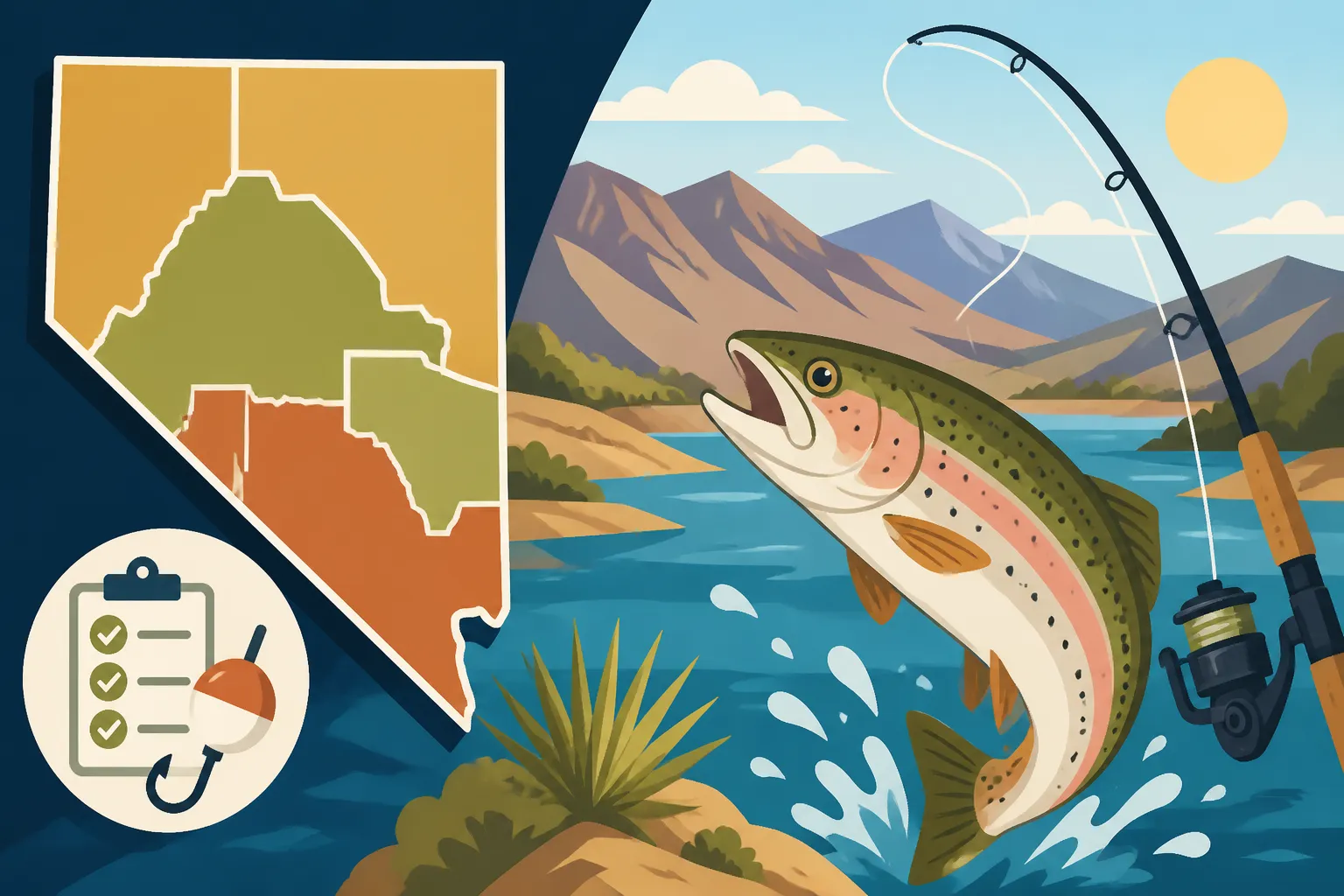
When we talk about the "Southern Region" for fishing in Nevada, we're primarily looking at Clark County, and parts of Lincoln and Nye counties. This encompasses some of Nevada's most iconic fishing destinations. Think about the sprawling waters of Lake Mead and Lake Mohave, which are shared with Arizona but have distinct Nevada regulations. Then there are the smaller, often stocked urban ponds scattered throughout the Las Vegas Valley, like those in Floyd Lamb Park or Sunset Park, which are lifelines for local anglers, especially families. We also include the stretches of the Colorado River that wind through this area, offering unique opportunities. Each of these bodies of water, while geographically close, can have nuanced rules that are crucial to understand before you head out. It’s not a one-size-fits-all approach, and knowing your specific destination is the first step to a compliant and successful day on the water.
Essential Statewide Regulations to Remember
Before diving into the specifics of individual lakes or ponds in the southern region, it’s vital to grasp the core statewide regulations that apply everywhere you drop a line in Nevada. First and foremost, you absolutely need a valid Nevada fishing license. Whether you're a resident or an out-of-state visitor, and regardless of how long you plan to fish, a license is non-negotiable. You can find detailed information on how to get a fishing license in Nevada, including options for annual or 1-day permits, which can be super convenient for short trips. Always have it with you, either physically or digitally on your phone, as wardens do check.
Beyond the license itself, be aware of the general legal fishing hours. Most waters are open for fishing 24 hours a day unless specified otherwise for certain areas or species. However, always double-check the current Nevada fishing regulations explained for any specific closures or exceptions, especially if you're venturing into a state park or wildlife refuge. Remember that some high-elevation lakes might have seasonal closures due to ice or spawning. While not as common in the southern desert, it's a good habit to check. It's also worth noting general rules around bait and gear. While most common baits and lures are permitted, specific locations might have restrictions, such as barbless hooks only or limitations on certain live baits to prevent the spread of invasive species. This includes things like wild minnows or certain types of worms. The Nevada Department of Wildlife (NDOW) is constantly updating its regulations, so a quick check of their current fishing season dates and limits is always a smart move.
Key Regulations for Popular Southern Nevada Waters
Each major fishery in Southern Nevada comes with its own set of rules, often designed to protect specific species or manage fishing pressure. It's not enough to just know the statewide rules; you need to know the local ones too.
Lake Mead and Lake Mohave Specifics
These two massive reservoirs, part of the Lake Mead National Recreation Area, are undeniably the crown jewels of Southern Nevada fishing. They are famous for their striped bass, largemouth bass, and smallmouth bass, but also hold channel catfish, crappie, and bluegill. Because of their size and shared status with Arizona, their regulations can be a bit more complex.
For Lake Mead and Lake Mohave, there are specific bag and possession limits that often differ from other waters in the state. For instance, the daily limit for striped bass is generous, but there might be a slot limit or a maximum number of larger fish you can keep. Always verify the current Nevada Bass Daily Limit and Size Rules and Nevada Striped Bass Seasonal Patterns before you head out. You'll also want to pay attention to boating regulations, as these large lakes see a lot of traffic. While this guide focuses on fishing, remember that you also need to adhere to Nevada boat registration for anglers guidelines if you're taking a vessel out. The National Park Service also has its own rules for launching and day use within the recreation area. When fishing from shore or a non-motorized vessel, remember to pack all your trash out, and dispose of fishing line responsibly. You can often find compact tackle boxes and line disposal units on platforms like Amazon that make it easier to keep the environment clean.
Las Vegas Urban Ponds and Community Waters
The urban ponds around Las Vegas, such as those at Floyd Lamb Park, Lorenzi Park, and Sunset Park, are incredibly popular, especially for families and new anglers. These waters are regularly stocked with rainbow trout during the cooler months and often have warm-water species like bass, catfish, and bluegill year-round. Given their popularity and smaller size, these ponds have specific rules to manage the resource.
Typically, the daily bag limit for trout in these urban ponds is smaller than in larger reservoirs. For example, you might be limited to 3 fish per day, whereas other waters could allow 5. Always check the posted signs at the specific park, or consult the Las Vegas Nevada Urban Pond Fishing Guide for the most up-to-date information. Many urban ponds also have specific rules regarding bait – sometimes live bait is restricted to prevent the introduction of undesirable species. While barbless hooks aren't usually mandatory here, they are always a good idea for catch-and-release, which is often encouraged after you've reached your limit. These ponds are a fantastic place to introduce kids to fishing, but remember that even younger anglers, depending on their age, may need a license. It's always best to check the Nevada Fishing License Age Requirements to be sure.
Colorado River Below Hoover Dam
The stretch of the Colorado River immediately below Hoover Dam, particularly around Willow Beach in Arizona (but accessible from Nevada), is renowned for its cold-water fishery, primarily rainbow trout. While this area is technically in Arizona, Nevada anglers frequently visit. It's a fantastic spot, but the cold water released from the bottom of the dam means trout thrive, and the regulations reflect that.
For this specific section of the river, especially within the Black Canyon, expect more stringent rules regarding bait and tackle. For instance, in certain parts, only artificial lures with single barbless hooks might be permitted to minimize harm to trout, which are often catch-and-release targets. It's crucial to understand the distinct rules that apply to this unique tailwater fishery. These might include specific closures during spawning seasons or limits on the size of fish that can be kept. While a Nevada fishing license covers you for most Nevada waters, if you venture into the Arizona portion of the river or fish directly from the Arizona side, you will need an Arizona fishing license or a valid reciprocity agreement. Always double-check this before crossing state lines to avoid any penalties. For specific rules related to trout, refer to the Nevada Trout Daily Limit Rules.
Understanding Species-Specific Limits and Seasons
Beyond the general regional rules, knowing the specific regulations for each fish species you're targeting is paramount. Nevada's diverse ecosystems support a wide array of fish, and each has its own management strategy.
Bass and Striped Bass Regulations
The bass family, including largemouth, smallmouth, and striped bass, are incredibly popular targets in Southern Nevada, especially in Lakes Mead and Mohave. Their regulations are designed to manage populations and ensure healthy breeding.
For largemouth and smallmouth bass, regulations often include minimum size limits to protect younger fish, allowing them to grow and reproduce. For example, you might find a 13-inch minimum length for these species in certain waters. The daily bag limit for black bass is generally 5 fish, but this can vary. Understanding the difference between a daily bag limit (how many you can keep in one day) and a possession limit (how many you can have with you, often including those at home) is key. The Nevada Statewide Bag Limits Explained outlines these differences.
Striped bass, being an introduced but highly successful species in Lake Mead and Lake Mohave, often have more generous limits, reflecting their abundance and importance as a sport fish. You might be allowed up to 10 or 20 stripers per day, with no size limit on smaller fish, but perhaps a specific rule for fish over a certain length. These regulations are adjusted periodically based on scientific surveys, so always check the latest NDOW fishing guide. You'll find a lot of specialized tackle for striped bass on Amazon, from heavy jigs to large swimbaits, all designed to target these powerful fish.
Trout and Other Coldwater Species Rules
Rainbow trout are a staple in Southern Nevada, especially in the cooler urban ponds and tailwater fisheries like the Colorado River below Hoover Dam. While not native to most of these desert waters, they are regularly stocked, providing fantastic angling opportunities.
For trout, the daily bag limit is typically 3-5 fish, depending on the specific water body. There are generally no size limits for stocked rainbow trout, as they are managed as a put-and-take fishery. However, wild trout populations, which are rare in the immediate Southern Nevada region but exist in higher elevation streams further north, often have stricter limits, including minimum sizes and catch-and-release requirements. It's important to differentiate between stocked and wild trout regulations. For any areas that might hold brown trout or other less common coldwater species, always consult the local regulations, as these can be even more restrictive. If you're planning a trip specifically for trout, checking the Nevada Trout Stocking Schedule for urban ponds can greatly improve your chances!
Catfish and Panfish Guidelines
Channel catfish are another popular species, thriving in the warm waters of Lake Mead, Lake Mohave, and many of the urban ponds. They are excellent eating and provide great sport, especially for night fishing. Panfish like bluegill, crappie, and green sunfish are abundant in many of these same waters and are perfect for young anglers.
Regulations for channel catfish are usually quite liberal, often with a daily bag limit of 10 fish and no size restrictions. They are a resilient species, and their populations are generally healthy. For panfish, such as bluegill and crappie, the limits are even more generous, with daily bag limits often set at 25 fish. These species reproduce rapidly and can easily overpopulate a pond, so harvesting them is actually beneficial for the ecosystem, helping to maintain a balanced fish population and prevent stunting. There are generally no size limits for panfish. Many anglers use simple bobber and bait rigs for these species, and a quick search on Amazon will show you countless options for basic panfish tackle that’s perfect for kids.
Common Violations and Important Reminders
Even with the best intentions, it's easy to accidentally slip up on regulations. Knowing the most common violations and always keeping a few key reminders in mind can save you a lot of headache and potential fines.
Don't Forget Your Fishing License and Endorsements
This is perhaps the most common, and easily avoidable, mistake: fishing without a valid license. I can't stress this enough – if you're 12 years or older, you need a license. It's the law. This includes both residents and non-residents, and there are different options like the Nevada 1-Day Fishing Permit Details for short trips or the annual license for frequent anglers.
Beyond the basic license, some specific types of fishing might require additional endorsements or stamps. While less common in the southern region for state-managed waters, it's something to be aware of if you plan to target certain species in other parts of Nevada. Always double-check if your target species or chosen location requires an extra permit. For instance, if you decide to venture to Pyramid Lake, which is outside the Southern Region, you'd need a separate tribal permit, not just your state license. Forgetting your license, or having an expired one, can lead to a Nevada Fishing Violation Penalties and a hefty fine, so make it a habit to check the expiration date on your annual license and keep it accessible at all times.
Protecting Nevada's Waters: Invasive Species and Best Practices
Nevada's aquatic ecosystems, especially its desert lakes and urban ponds, are incredibly fragile. One of the biggest threats to these waters is the introduction and spread of invasive species, such as quagga mussels in Lake Mead and Lake Mohave, or non-native fish species. NDOW has strict regulations in place to prevent their spread, and anglers play a critical role in this effort.
Always remember the "Clean, Drain, Dry" principle for your boats, trailers, and fishing gear. Before leaving any body of water, clean off all visible aquatic plants, animals, and mud. Drain all water from your boat, livewell, and bait buckets. And dry everything thoroughly before entering another body of water. This simple practice can prevent the transfer of harmful invaders. Some waters might have specific regulations regarding bait, particularly live bait, to prevent the introduction of new fish species or diseases. Always check the local rules for Nevada Barbless Hook and Bait Rules or other bait restrictions. Disposing of unused bait on land, rather than in the water, is also crucial. By being mindful and proactive, you're not just following the rules, you're actively helping to preserve Nevada's beautiful and unique fisheries for future generations.
Disclaimer
Please remember that fishing regulations can change. While every effort has been made to provide accurate and current information, it is always the angler's responsibility to consult the most recent Nevada Department of Wildlife (NDOW) fishing regulations publication before heading out. This guide is for informational purposes only and should not be considered legal advice.