Difference between possession limit and daily limit in Nevada
It’s easy to get excited about fishing in Nevada, whether you’re casting a line in the vast expanse of Lake Mead or the serene waters of a high mountain lake. But before you even think about reeling in that trophy catch, you’re probably scratching your head trying to figure out the difference between "daily limit" and "possession limit" on your fishing license. It's a common point of confusion that trips up even experienced anglers, and misunderstanding it can lead to serious trouble. This guide is here to untangle those regulations, making sure your Nevada fishing trips are both successful and compliant.
Understanding Nevada's Daily Limit for Anglers
The daily limit is perhaps the most straightforward of the two concepts, but it's still often misinterpreted. It directly addresses how many fish you can legally harvest per day.
What Exactly is a Daily Limit?
At its core, the daily limit refers to the maximum number of a specific fish species or group of species that an individual angler can catch and retain in a single day. Think of it as your daily allowance. Once you’ve reached that number for a particular species, you must stop fishing for that species for the remainder of that calendar day. This limit is often species-specific and can vary from one body of water to another. For instance, the daily limit for rainbow trout might be different than for largemouth bass, and what's allowed at Lake Tahoe could be entirely different from the regulations at Wildhorse Reservoir.
It's crucial to remember that "retained" means any fish you don't immediately release back into the water. If you catch a fish, put it on a stringer, or toss it into your cooler, it counts towards your daily limit. Even if you decide later that you don't want to keep it, it has already been "retained" in the eyes of the law. This is why many anglers practice careful catch-and-release, especially if they're targeting a specific number of keepers. This rule applies from midnight to midnight, so if you're out fishing from late evening into the next morning, you’re technically operating under two different daily limits.
Why Daily Limits Exist
The primary reason for daily limits is conservation. The Nevada Department of Wildlife (NDOW) implements these limits to manage fish populations, ensuring sustainability and preventing overfishing. Without daily limits, it would be far too easy for anglers to deplete certain species, especially in popular fishing spots or during peak seasons. By restricting the number of fish taken each day, NDOW helps maintain a healthy balance within the ecosystem, allowing fish to reproduce and grow, which in turn ensures good fishing for future generations.
These limits are determined through extensive biological research, population surveys, and habitat assessments. NDOW biologists study factors like spawning success, growth rates, mortality, and fishing pressure to set limits that protect the long-term health of the fishery. It's a delicate balance: generous enough for anglers to enjoy their sport, but strict enough to safeguard the resource. So, while it might feel restrictive at times, every daily limit you encounter is a carefully considered measure to keep Nevada's waters thriving.
Common Mistakes with Daily Limits
Anglers, even seasoned ones, can sometimes stumble over daily limits. One frequent error is continuing to fish for a species after the limit has been met, even if planning to release subsequent catches. While catch-and-release is often encouraged, if you've already kept your daily limit, the intent to release a subsequent fish doesn't always absolve you if a warden observes you actively targeting that species. It's best practice to switch species or move to a different area entirely once your daily limit for a particular fish is filled.
Another common mistake involves fishing with multiple people in a single boat or group. While each licensed angler has their own daily limit, people sometimes pool their catches without clearly distinguishing who caught what. For example, if two anglers each have a daily limit of five trout, they can collectively keep ten. However, if one person catches eight and the other only two, and they don't properly identify individual catches, it could look like one angler exceeded their limit. Always ensure that each angler's catch is clearly separated and identifiable, especially when returning to the launch or cleaning station. Reviewing the Nevada Statewide Bag Limits Explained is always a good idea before heading out.
Deciphering Nevada's Possession Limit
Now, this is where things can get a bit more intricate, especially if you're planning a multi-day fishing adventure. The possession limit is distinct from the daily limit and serves a different, but equally important, purpose.
Defining the Possession Limit
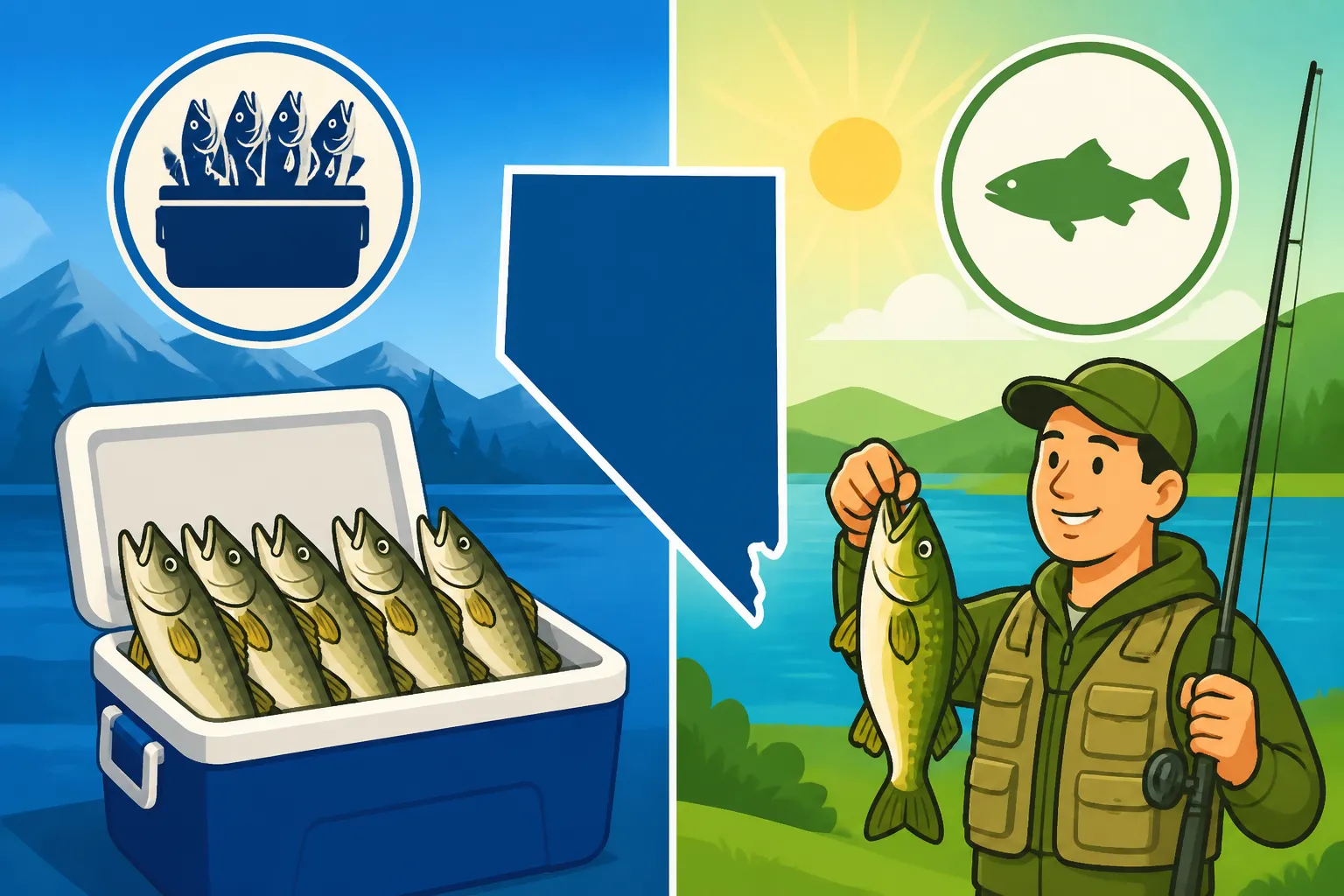
The possession limit refers to the total number of a specific fish species (or aggregate of species) that an individual may have in their physical possession at any given time. This isn't just about what you caught today; it includes all fish you've caught on previous days and still retain. Think of it as the maximum cumulative amount of fish you can store, whether it's in your cooler, your freezer at home, your car, or your camp cooler at a remote fishing site.
For example, if the daily limit for trout is five, and the possession limit is ten, you could catch and keep five trout on Monday. If you return to fish on Tuesday, you could catch another five, bringing your total to ten. At that point, you've reached your possession limit. You cannot keep any more trout from previous days or today's catch until you’ve consumed or legally disposed of some of the fish you already possess, bringing your total possession below the limit. This rule is designed to prevent excessive hoarding of fish over time, ensuring fair distribution of the resource among all anglers.
How Possession Limits Apply to Multi-Day Trips
This is the scenario where the possession limit truly comes into play and can be confusing. Let's say you're on a four-day fishing trip to Lake Mohave. The daily limit for striped bass might be 10, and the possession limit 20. On Day 1, you catch and keep 10 stripers. You're good. On Day 2, you go out again and catch another 10. Now, you have 20 striped bass. You've hit your possession limit. This means that for Day 3 and Day 4, even if you catch more striped bass, you cannot legally keep them unless you consume or give away some of the 20 fish you already have.
It's not uncommon for anglers on extended trips to find themselves in this situation. The key is careful management of your catch. If you plan to fish for several days and keep fish, you need to be mindful of that cumulative total. Many anglers will eat some of their catch each evening or give fish to non-fishing family members or friends (within legal gifting limits, where applicable) to make room for future catches within the possession limit. Ignoring this can quickly lead to an over-possession violation, even if you were strictly adhering to the daily limit each time you fished. This is particularly important when considering specific areas like Pyramid Lake, where different Pyramid Lake Tribal Fishing Permit rules might also factor into overall possession.
Storage and Transportation Rules
Adhering to possession limits also involves how you store and transport your catch. Fish must be kept in such a way that they can be easily counted and identified by species, especially if a game warden asks to inspect your cooler or freezer. This often means keeping fillets of different species separate or ensuring enough of the skin is left on the fillets to allow for species identification. Simply throwing all your fish into a large cooler in a jumbled mess could raise questions.
When transporting fish, especially over state lines or long distances, ensure they are properly cleaned and packaged according to regulations. For instance, fish taken from certain waters might need to have a portion of the skin or head attached until processed at home. Always check the specific regulations in the Nevada Fishing Regulations Explained booklet for details on packaging and transport. Using appropriate coolers and vacuum sealers, which you can easily find on Amazon, can help keep your catch fresh and organized, making compliance much simpler.
Key Differences and Real-World Scenarios
Understanding the distinct roles of daily and possession limits is crucial for any responsible angler in Nevada. Let's put them side-by-side to highlight their unique applications.
Daily vs. Possession Limit in Action: A Comparison Table
To make this crystal clear, here’s a quick breakdown of the core differences:
| Feature | Daily Limit | Possession Limit |
|---|---|---|
| Definition | Max number of fish kept per calendar day (midnight to midnight). | Max number of fish an individual can physically have at any time. |
| Application | Applies each time you go fishing within a 24-hour period. | Cumulative total, includes all fish from current and previous fishing days. |
| Purpose | Prevents overharvesting on a day-to-day basis, protects active populations. | Prevents hoarding and ensures equitable resource distribution over time. |
| When it matters | Every single day you fish and retain fish. | Crucial for multi-day trips, home freezers, or prolonged storage. |
| Example | Catch 5 trout on Monday, stop fishing for trout Monday. | After catching 5 trout Monday and 5 more Tuesday (daily limit 5, possession 10), you cannot keep more trout until some are consumed. |
Hypothetical Fishing Trips and Limit Management
Let's walk through a couple of scenarios to illustrate how these limits work in practice.
Scenario 1: The Weekend Warrior (Single-Day Trip)
You wake up early Saturday morning, excited for a day of trout fishing at a local urban pond, such as those covered in the Las Vegas Nevada Urban Pond Fishing Guide. The Nevada trout daily limit is 5, and the possession limit is 10. You head out, cast your line, and by noon, you've landed 5 beautiful rainbow trout.
- Daily Limit: You’ve reached your daily limit of 5 trout. You must now stop fishing for trout for the rest of Saturday. You can switch to another species if permitted, but no more trout for today.
- Possession Limit: Since you only have 5 trout in your cooler, you are well below the possession limit of 10. You could technically go fishing again on Sunday and keep another 5, bringing your total possession to 10.
Scenario 2: The Extended Adventure (Multi-Day Trip)
Imagine you're on a four-day fishing and camping trip to Wildhorse Reservoir, known for its diverse fish species. Let's say for yellow perch, the daily limit is 15, and the possession limit is 30.
- Day 1: You fish hard and catch 15 perch. You clean them, fillet them, and put them on ice. You've met your daily limit. Your possession is 15.
- Day 2: You go out again and catch another 15 perch. You've met your daily limit for the second day. Your total possession is now 30 (15 from Day 1 + 15 from Day 2). You have now hit your possession limit.
- Day 3: You can go fishing for perch, but you cannot legally keep any more. If you catch perch, they must be immediately and carefully released. To keep more perch, you would need to consume or dispose of some of the 30 you already possess, bringing your total below the 30-fish possession limit. If you plan to process fish for long-term storage, having a quality cooler or a portable freezer, many of which are available on Amazon, is essential.
What Happens if You Exceed a Limit?
Exceeding either the daily or possession limit is a serious violation of Nevada fishing regulations. Game wardens are diligent in enforcing these rules to protect the state's natural resources. If caught exceeding a limit, you could face significant fines, confiscation of your catch and equipment, and even suspension of your fishing privileges. The exact penalties can vary depending on the severity of the offense, the species involved, and whether it's a first-time or repeat offense.
It’s not just about the monetary cost; it’s about responsible angling. Repeated violations can lead to more severe consequences. To avoid any unpleasant encounters or legal troubles, always make sure you understand the regulations for the specific body of water and species you're targeting. When in doubt, err on the side of caution or consult the official NDOW regulations booklet. If you're concerned about potential repercussions, it's a good idea to familiarize yourself with Nevada Fishing Violation Penalties.
Essential Tips for Staying Compliant
Navigating fishing regulations can feel like a minefield sometimes, but with a few proactive steps, you can ensure your angling adventures are always on the right side of the law.
Always Check Current Regulations
Fishing regulations aren't static; they can change annually, and sometimes even within a season, due to biological factors, environmental conditions, or management decisions. Relying on outdated information is one of the quickest ways to find yourself in violation. Before every fishing trip, especially if you're visiting a new body of water or haven't fished in a while, take a few minutes to check the most current regulations.
The official Nevada Department of Wildlife (NDOW) website is your best resource for up-to-date information. They typically publish a comprehensive fishing guide annually that details all species-specific limits, special rules for certain lakes or rivers, and any other pertinent information. You can often pick up a physical copy wherever you purchase a Nevada Fishing License Cost Breakdown or Nevada Annual Fishing License Renewal. Remember, ignorance of the law is no excuse, so make it a habit to stay informed.
Practical Strategies for Tracking Your Catch
Keeping an accurate count of your catch is paramount, especially when daily and possession limits come into play. It's easy to lose track, especially on a busy day or a multi-day trip. Developing a simple system can save you a lot of headache.
One effective method is to use a small logbook or even a waterproof notepad. Simply jot down the species and number of fish you retain each day. For multi-day trips, this log becomes invaluable for tracking your cumulative possession. Another strategy is to keep your daily catches physically separated. Some anglers use different colored stringers for each person, or separate compartments in a cooler. If you're filleting fish at camp, clearly label bags with the date and species. For those who embrace technology, there are fishing apps available on smartphones that can help you log your catches and even automatically apply local regulations. Whatever method you choose, make it a habit before you even make your first cast.
Gear That Helps You Stay Organized
Believe it or not, the right gear can actually help you stay compliant with fishing limits. Good organization is key, especially when dealing with multiple fish or different species.
- Coolers with Dividers: Invest in a quality cooler, many excellent options available on Amazon, that allows you to separate your catch. Some come with removable dividers, or you can use small, labeled bags to keep different species or individual daily limits distinct. This is particularly helpful when managing possession limits over several days.
- Fillet Knives and Boards: While not directly for tracking, having proper cleaning tools encourages immediate processing of your catch. This helps you deal with fish quickly and get them into proper storage, minimizing confusion.
- Labeling Supplies: A permanent marker and freezer bags or labels are indispensable. As soon as you process a fish, label it with the date, species, and potentially the body of water it came from. This is not only great for compliance but also for knowing what you're pulling out of your freezer for dinner months later.
- Measuring Devices: Many limits include size restrictions, such as the Nevada Bass Daily Limit and Size Rules or the Legal size for keeping a Lahontan cutthroat trout at Pyramid Lake. Having a reliable fish ruler or measuring tape on hand is critical to ensure your kept fish meet the minimum or maximum size requirements.
Specific Species and Water Body Considerations
Nevada's diverse fisheries mean that general rules sometimes have specific exceptions or additions depending on what you're targeting and where you're fishing. It's never a "one size fits all" situation.
Trout Limits Across Nevada
Nevada is a fantastic state for trout fishing, from stocked urban ponds to pristine alpine lakes. However, the daily and possession limits for trout can vary significantly. While a statewide aggregate limit often exists, specific waters might have more restrictive rules. For example, many popular reservoirs or rivers may have a daily limit of 3-5 trout, but some high mountain lakes or special regulation waters might have a lower limit, or even require catch-and-release only.
Always consult the Nevada Trout Daily Limit Rules for the specific body of water you intend to fish. These details are usually found in the NDOW fishing regulation booklet. Factors like whether the water is stocked or wild, the presence of sensitive native species like Lahontan cutthroat trout, or seasonal spawning patterns can all influence these limits. For instance, some areas might have bait restrictions or require barbless hooks, which while not a limit, are another layer of regulation to be aware of.
Bass Limits in Popular Lakes
Bass fishing in Nevada, particularly for largemouth and smallmouth, is extremely popular in warmer waters like Lake Mead and Lake Mohave. The daily and possession limits for bass can also fluctuate. Typically, you'll find a combined daily limit for black bass (largemouth, smallmouth, and spotted bass) with specific size restrictions. For instance, there might be a minimum size limit to protect juvenile fish, or a "slot limit" where only fish within a certain size range can be kept.
These bass-specific rules are designed to protect spawning populations and ensure a healthy number of trophy-sized fish. For the most up-to-date information, checking the Nevada Bass Daily Limit and Size Rules is paramount. Pay close attention to any "slot limits" – these are often the trickiest, as you might need to release a fish that seems perfectly sized, but falls outside the allowed slot. A quality measuring board, easily found on Amazon, that floats or attaches to your boat is a wise investment for bass anglers.
Special Limits for Lahontan Cutthroat Trout
Pyramid Lake stands out as a unique fishery in Nevada, home to the world-famous Lahontan Cutthroat Trout, a species with its own very specific and often strict regulations. The rules here are governed by the Pyramid Lake Paiute Tribe, not solely by NDOW, and require a separate Pyramid Lake Tribal Fishing Permit.
The daily and possession limits for Lahontan Cutthroat Trout at Pyramid Lake are designed to protect this incredible, native species that has made an astonishing comeback. Limits are usually very low, often one or two fish per day, and almost always include a slot limit (e.g., you can only keep fish between 17-20 inches, or over 24 inches). Additionally, strict catch-and-release practices, often requiring barbless hooks, are frequently enforced for fish outside the legal slot. It’s absolutely essential to consult the specific Pyramid Lake Season and Bag Limit Rules before planning a trip, as these can change frequently. Understanding the Daily limit for Lahontan cutthroat trout at Pyramid Lake is crucial, and it’s a good idea to chat with local tackle shops for the latest nuances.
Disclaimer
Please remember that fishing regulations are subject to change. While this guide provides a comprehensive overview, it is essential to always consult the current official Nevada Department of Wildlife (NDOW) regulations and any specific tribal or park rules before heading out on your fishing trip. This information is for general guidance only and does not constitute legal advice.