Best gear bag for a day of bank fishing
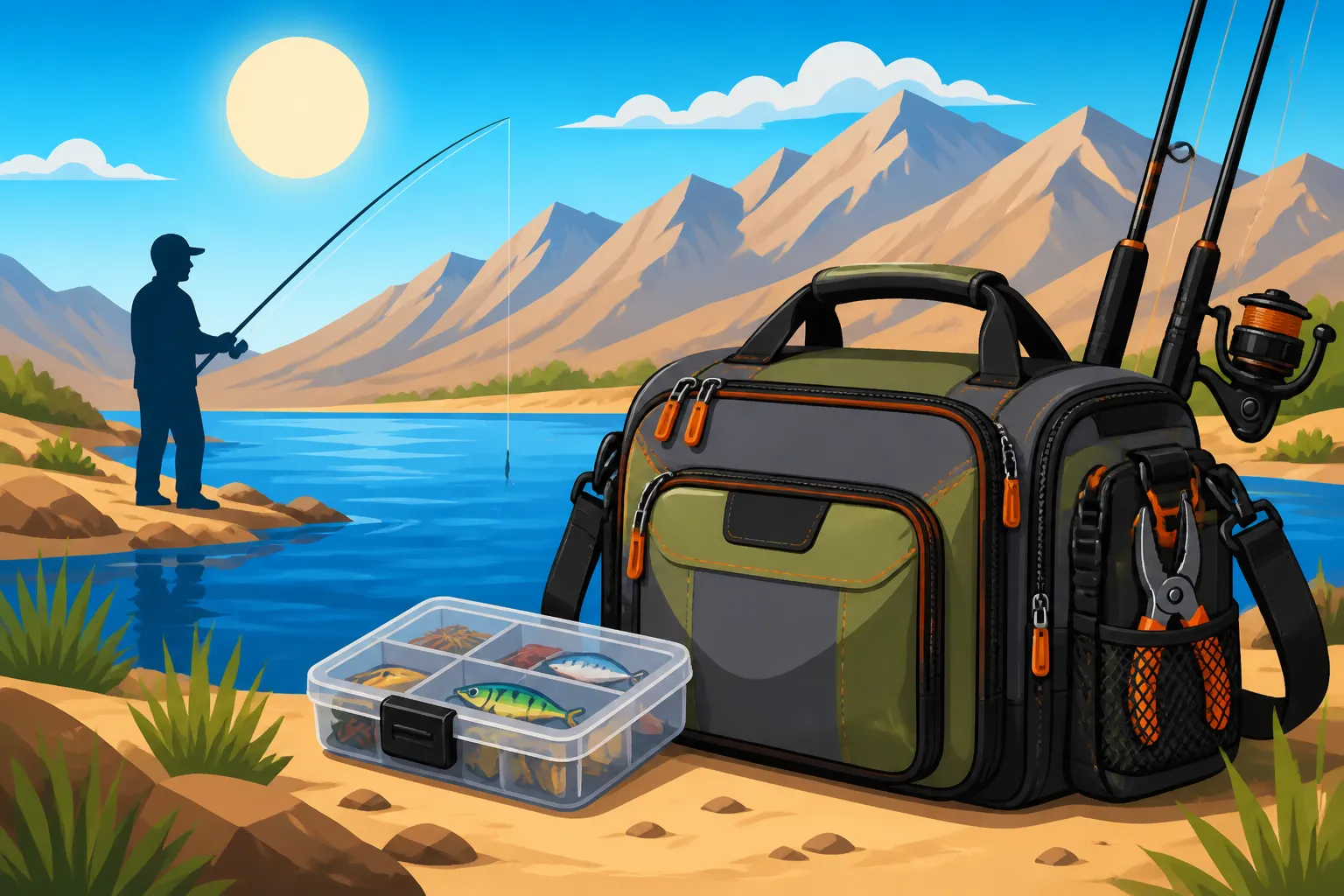
There's nothing quite like the freedom of bank fishing in Nevada – no boat to launch, no trailer to hitch, just you, your rod, and the open water. But let's be honest, that dream can quickly turn into a frustrating scramble if you're constantly digging through a haphazard pile of gear. Losing lures, untangling lines, or realizing you left your favorite pliers back in the truck when you're already settled at a prime spot is a common headache. This guide is all about helping you find the perfect gear bag to keep your essentials organized, protected, and easily accessible, ensuring your next bank fishing adventure is smooth sailing, or rather, smooth casting!
Why a Dedicated Gear Bag Matters for Bank Fishing
Bank fishing means mobility, and mobility means carrying your essentials with you. Trying to juggle a plastic tackle box, a bait cooler, and your rod and reel can be a recipe for disaster, especially when navigating rocky shorelines or dense brush. A dedicated gear bag isn't just about storage; it's about enhancing your entire fishing experience.
The Frustration of Unorganized Gear
Imagine this: you've hiked a quarter-mile along the shoreline of Lake Mohave, found that perfect secluded cove where the smallmouth bass are known to hang out, and you're ready to make your first cast. You reach for your tackle, and suddenly, your carefully organized soft plastics are a tangled mess with your spinnerbaits. Or worse, you realize your line cutters are buried at the bottom of a bulky backpack that also contains your lunch, sunscreen, and a spare jacket. That immediate frustration can really set the tone for your day. You waste precious fishing time rummaging, getting agitated, and potentially missing out on those early morning bites. It’s a common scenario, and it’s precisely why a thoughtful approach to carrying your gear is so important for bank anglers.
Optimizing Mobility and Efficiency
The beauty of bank fishing often lies in its simplicity and the ability to move freely along the water's edge. A good gear bag supports this by keeping your hands free, distributing weight comfortably, and allowing quick access to what you need. Think about moving from one promising spot to another along the Truckee River – you don't want to pack everything up and unpack it again at each bend. With a well-designed bag, your main rod is in hand, your net is clipped to your side, and your bag is securely on your back or shoulder, ready to go. This efficiency means more casts, more exploration, and ultimately, more enjoyment. It also helps you stay focused on the subtle signs of fish activity rather than being distracted by your own disorganization.
Protecting Your Investment
Let’s be honest, fishing gear isn't cheap. From your rods and reels to your specialized lures and electronics, you invest a lot in your passion. A flimsy backpack or an open bucket simply isn't going to cut it when it comes to protecting that investment from the elements. A quality gear bag offers crucial protection against dust, dirt, splashes, and the inevitable bumps and scrapes of outdoor adventures. When you're fishing a place like Pyramid Lake, where the weather can shift from calm to windy in a heartbeat, having a bag that can shield your valuable tackle from blowing sand or sudden rain is incredibly important. Good padding, durable zippers, and water-resistant materials mean your reels won't get scratched, your hooks won't rust prematurely, and your sensitive electronics stay dry and functional, prolonging the life of your equipment.
Key Features to Look for in a Bank Fishing Gear Bag
Choosing the "best" gear bag isn't a one-size-fits-all situation. It truly depends on your fishing style, the type of waters you frequent, and how much gear you feel comfortable carrying. However, there are some universal features that every bank angler should consider when making a selection.
Size and Capacity Considerations
This is often the first hurdle for many anglers. You want enough room for your essentials, but not so much that the bag becomes a cumbersome beast. For a short trip to an urban pond like Lorenzi Park Pond, you might only need a few trays of hooks, sinkers, and lures, a bottle of water, and some snacks. A smaller sling pack or a compact shoulder bag might be perfect. However, if you're planning a full day exploring various spots at Wildhorse Reservoir, targeting different species like trout and yellow perch, you'll need more versatility. This might mean multiple tackle boxes, larger baits, extra line, a first-aid kit, and more food and water. Consider the longest type of bank fishing trip you typically take and the diversity of tackle you need. Remember, too much space can lead to overpacking, making the bag heavier than necessary, while too little will leave you wishing you had that one lure you left behind.
Material Durability and Weather Resistance
Nevada's environment is unique, with intense sun, dust, and occasionally surprising storms. Your gear bag needs to be built to withstand these conditions. Look for materials like heavy-duty nylon or tough polyester, often denoted by denier ratings (higher numbers mean thicker, more durable fabric). Water resistance is crucial. Many bags offer a DWR (Durable Water Repellent) coating, and some even feature fully waterproof tarpaulin bottoms or integrated rain covers. Pay close attention to the zippers; quality, corrosion-resistant zippers (like YKK) are a must, especially if you're frequently near water or in dusty conditions. Reinforced stitching and sturdy hardware will also contribute to the bag's longevity, ensuring it doesn't fall apart after a few seasons of hard use on rocky Nevada shorelines. Desert Lake Fishing Techniques often require gear that can handle the grit and heat.
Organization and Accessibility
This is where a good gear bag truly shines. An unorganized bag is just a fancy sack. Look for bags with multiple compartments, internal dividers, and external pockets. Many fishing-specific bags come with dedicated slots for tackle trays, often including them. Consider:
- Main Compartment: Is it large enough for your tackle trays and other bulky items? Can it be customized with dividers?
- External Pockets: Are there enough pockets for quick-access items like pliers, line cutters, sunscreen, or a small camera? Are they zippered or Velcro for security?
- Tool Holders: D-rings, elastic loops, or magnetic patches for tools like forceps, scissors, or a hook remover are incredibly handy.
- Rod Holders: Some backpack-style bags even have external straps or sleeves to secure an extra rod, keeping your hands free while hiking.
- Water Bottle Pockets: Hydration is key in Nevada's dry climate, so a dedicated, easily accessible water bottle holder is a huge plus.
Being able to grab exactly what you need without rummaging saves time and maintains your focus on the water.
Comfort and Portability
Since you'll be carrying this bag for potentially hours, comfort is non-negotiable. Look for:
- Padded Shoulder Straps: Thick, breathable padding can make a world of difference. Adjustable straps allow you to customize the fit.
- Sternum and Waist Straps: For backpack-style bags, these straps help distribute weight evenly across your torso, reducing strain on your shoulders and back, especially during longer treks to fishing spots.
- Back Padding: A padded, breathable back panel will prevent the bag from digging into your back and help with airflow, which is a blessing on hot Nevada days.
- Carry Handles: A sturdy top handle is useful for quick grabs or moving the bag short distances.
Consider how you prefer to carry your gear. Do you want everything on your back, leaving both hands free? Or do you prefer a quick-access sling over one shoulder? Your choice here heavily influences the type of bag that will be most comfortable and practical for you. Bank Fishing Techniques for Desert Lakes are made much easier with comfortable gear.
Types of Gear Bags for the Bank Angler
The market is flooded with various types of gear bags, each designed with different fishing styles and preferences in mind. Let’s break down the most popular options for bank anglers.
Backpack-Style Tackle Bags
These are incredibly popular, especially for anglers who cover a lot of ground or carry a significant amount of gear. Backpack-style bags offer the best weight distribution, making them comfortable for longer hikes to secluded fishing locations. They typically feature a large main compartment that can hold several tackle trays, often accessible from the front or top. You'll find an abundance of external pockets for accessories, and some even have dedicated hydration sleeves or external rod holders.
Pros:
- Hands-Free: The biggest advantage, allowing you to carry your rod, net, or navigate tricky terrain easily.
- High Capacity: Generally offers the most storage, ideal for full-day trips or targeting multiple species.
- Comfort: With padded straps and often a hip belt, they distribute weight effectively, reducing fatigue.
- Protection: Many are designed with robust, water-resistant materials and rigid bottoms to protect contents.
Cons:
- Access: Retrieving items often requires taking the backpack off, which can be a minor inconvenience if you're constantly changing lures.
- Bulk: Can feel bulky in tight spaces or when maneuvering through dense vegetation.
- Heat: On hot days, a large pack against your back can increase sweating.
Ideal Scenarios: Long walks to remote spots, all-day fishing trips, anglers carrying multiple tackle boxes, or those who value maximum comfort for extended periods. You'll find a wide selection of these at major retailers like Bass Pro Shops, with various sizes and features to suit any budget.
Sling Bags and Chest Packs
These bags are the champions of quick access and minimalist fishing. Sling bags are worn over one shoulder and rest on your back, but can be easily swung around to your front without removing the bag entirely. Chest packs, as the name suggests, sit on your chest, keeping your most-used items literally at your fingertips.
Pros:
- Instant Access: Their primary advantage. Lures, pliers, and other essentials are just a reach away.
- Lightweight and Compact: Perfect for quick trips, wade fishing, or when you only need a few key items.
- Less Restrictive: Allows for greater freedom of movement, especially useful when casting or moving around.
Cons:
- Limited Capacity: Cannot hold as much gear as a backpack, typically only one or two small tackle trays and a few accessories.
- Weight Distribution: Can cause uneven weight distribution, leading to shoulder fatigue on longer trips if overloaded.
- Can Get in the Way: A chest pack might interfere with casting for some anglers, or a sling bag could swing around during vigorous activity.
Ideal Scenarios: Short, focused trips, fly fishing in rivers like the Truckee, wade fishing, or when you want to travel light and fast. These are excellent for urban pond fishing where you might not need a ton of gear. You can often find compact, well-designed options for these types of bags on Amazon, offering convenience and quick delivery.
Traditional Shoulder Tackle Boxes/Bags
This category includes the classic hard-sided tackle boxes with cantilever trays, as well as soft-sided shoulder bags that typically hold multiple tackle trays in a main compartment. They are carried over one shoulder with a single strap.
Pros:
- Familiarity: Many anglers grew up with these and appreciate their straightforward design.
- Protection (Hard Boxes): Hard-sided boxes offer excellent crush protection for delicate items.
- Quick Set Down: Easy to set down and access on a flat surface.
- Moderate Capacity: Soft-sided versions can hold a decent amount of gear without being overly large.
Cons:
- Can Be Cumbersome: Holding a single strap can get tiring, and the bag can swing around when walking over uneven ground.
- Uneven Weight: Weight is concentrated on one shoulder, leading to fatigue.
- Limited Organization (Hard Boxes): Internal organization can be rigid, not always adaptable to changing gear needs.
Ideal Scenarios: Shorter walks from the car, stationary fishing from a dock or a well-established bank, or when you prioritize rigid protection for specific gear. Many anglers use these as a base for their tackle, transferring specific trays to a smaller bag for actual bank fishing trips. For heavy-duty, classic tackle boxes, Bass Pro Shops is a reliable source.
Hybrid and Specialized Bags
Beyond the main types, there's a range of specialized bags. Some hybrid designs combine features of backpacks and sling bags, offering quick-access pockets while maintaining decent capacity. Rolling tackle bags, though less common for true bank fishing (unless you're staying put on a pier), are an option for those who want to transport a lot of gear without carrying it. Fully waterproof dry bags are essential for protecting electronics or anything that absolutely cannot get wet, especially if you're venturing near areas with unpredictable water conditions. Some bags are also designed with insulated compartments for keeping bait cool or drinks chilled, a real benefit during Summer Fishing Techniques for Hot Desert Lakes.
Practical Considerations for Nevada Bank Fishing
Nevada's diverse landscape, from the high desert to the mountains, presents unique challenges and opportunities for bank anglers. Your gear bag choice should reflect these conditions to maximize your comfort and success.
Desert Conditions and Sun Protection
The Nevada sun is no joke, especially during the warmer months. Temperatures can soar, and UV radiation is intense. Your gear bag needs to be ready for it.
- UV-Resistant Materials: While no fabric is truly immune to sun damage over time, materials treated for UV resistance will delay fading and degradation. Lighter colors can also help reflect heat.
- Insulated Pockets: Having a dedicated, insulated pocket for a water bottle or snacks can be a lifesaver. Staying hydrated is paramount, and a cool drink tastes a lot better than a warm one after a long walk in the sun.
- Protection for Contents: The heat inside a bag left in direct sun can damage sensitive items like soft plastics (melting them together), electronics, or even some baits. Consider placing a small, reusable ice pack in the bag's main compartment if you're worried about heat-sensitive items.
- Dust Resistance: Nevada is often windy and dusty. A bag with tight-sealing zippers and durable, tightly woven fabrics will do a better job of keeping fine dust out of your tackle trays. This helps keep your reels clean and your hooks sharp. Don't forget Desert Fishing Gear and Sun Protection for yourself too!
Rocky Terrain and Water Access
Whether you're exploring the jagged edges of Lake Mead or scrambling down to the Truckee River, Nevada's terrain is often uneven and challenging. Your gear bag should support this.
- Stable Base: A bag with a rigid, waterproof, and non-slip bottom is incredibly useful. This allows you to set the bag down on wet rocks or muddy banks without it tipping over or soaking up moisture.
- Hands-Free Carry: This goes back to why backpacks and sling bags are so popular. When you need both hands to navigate a tricky ascent or maintain balance on slippery rocks, you absolutely don't want to be juggling a loose tackle box.
- Durability Against Abrasion: The rough surfaces of rocks and coarse desert vegetation can quickly wear through thin fabrics. Look for bags with reinforced panels on the bottom and sides to withstand scrapes and tears.
- Secure Closures: Zippers, buckles, and Velcro straps should be robust and secure. The last thing you want is a compartment popping open while you're climbing, sending lures scattering down a rocky slope.
Specific Gear Organization for Common Nevada Species
Tailoring your bag's contents to the specific fish you're targeting can make a huge difference in efficiency.
- Trout Fishing (Rainbow, Brown, Cutthroat): For How to Fish for Trout in Nevada, you'll typically need smaller tackle trays with an assortment of small spinners, spoons, power bait, and maybe some salmon eggs or worms. A smaller sling bag or a compact backpack might be perfect, allowing you to move from one stocked pond like Floyd Lamb Park to another. Ensure easy access for changing baits frequently.
- Bass Fishing (Largemouth, Smallmouth): For How to Fish for Bass in Nevada, your tackle might include a variety of soft plastics, crankbaits, spinnerbaits, and jigs. You'll likely need more tackle trays, so a medium to large backpack-style bag is often ideal. Dedicated compartments for plastics, separate sections for hard baits, and easily accessible pockets for pliers and unhooking tools are key.
- Striped Bass Fishing (Lake Mead, Lake Mohave): How to Fish for Striped Bass in Nevada often involves heavier jigs, large swimbaits, and perhaps anchovies or other cut bait. You'll also need robust pliers, a measuring tape, and maybe a heavier net. A larger capacity backpack or a durable shoulder bag with plenty of room for larger tackle trays and an insulated pocket for bait is usually preferred. Quick access to heavy lures and tools is crucial when the stripers are boiling.
Gear Bag Comparison for Bank Anglers
To help you decide, here’s a quick comparison of the main types of gear bags for bank fishing:
| Bag Type | Capacity | Accessibility | Comfort (Long Hikes) | Protection | Ideal Use Cases |
|---|---|---|---|---|---|
| Backpack Tackle Bag | High (multiple trays) | Moderate (must remove) | Excellent | Very Good | Long hikes, full-day trips, multiple species, carrying extra clothing/food |
| Sling Bag | Low-Moderate (1-2 trays) | Excellent (swings to front) | Good (can feel uneven) | Good | Quick trips, wade fishing, minimalist approach, urban ponds |
| Chest Pack | Low (minimal essentials) | Excellent (front access) | Fair (can impede casting) | Good | Fly fishing, ultra-light, immediate access, short stints |
| Shoulder Tackle Bag | Moderate (2-4 trays) | Good (can be set down) | Fair (uneven weight) | Good (soft-sided) | Shorter walks, stationary fishing, easy bank access |
| Hard Tackle Box | Moderate (fixed trays) | Good (must set down) | Poor (awkward to carry) | Excellent (crush) | Dock fishing, very short walks, base storage, not ideal for active bank fishing |
When selecting your bag, consider how much gear you actually need for your typical bank fishing outing. Many anglers overpack, making their experience less enjoyable. Prioritize the features that directly address your pain points and support your specific fishing style. Whether you grab a new backpack from Bass Pro Shops or a convenient sling bag from Amazon, making a thoughtful choice will pay dividends on the water.
Disclaimer
This article is for general informational purposes only and does not constitute professional advice. Laws, prices and regulations vary by location and change over time. Consult a qualified professional for guidance on your specific situation.