Walleye Fishing in Nevada
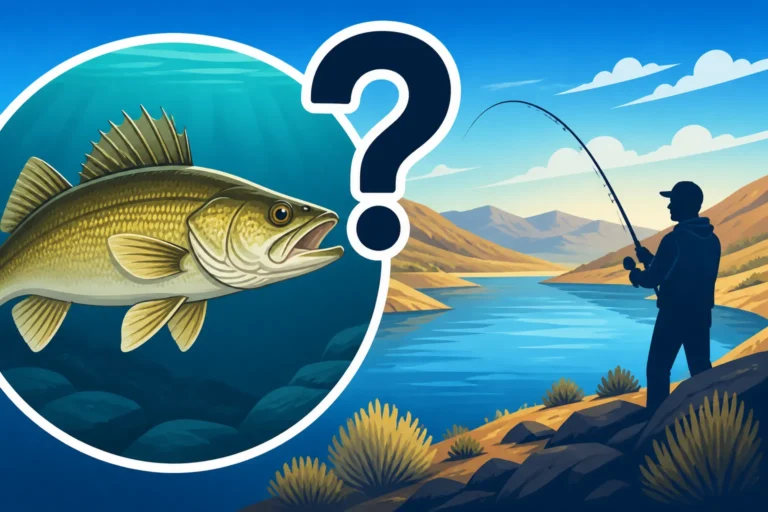
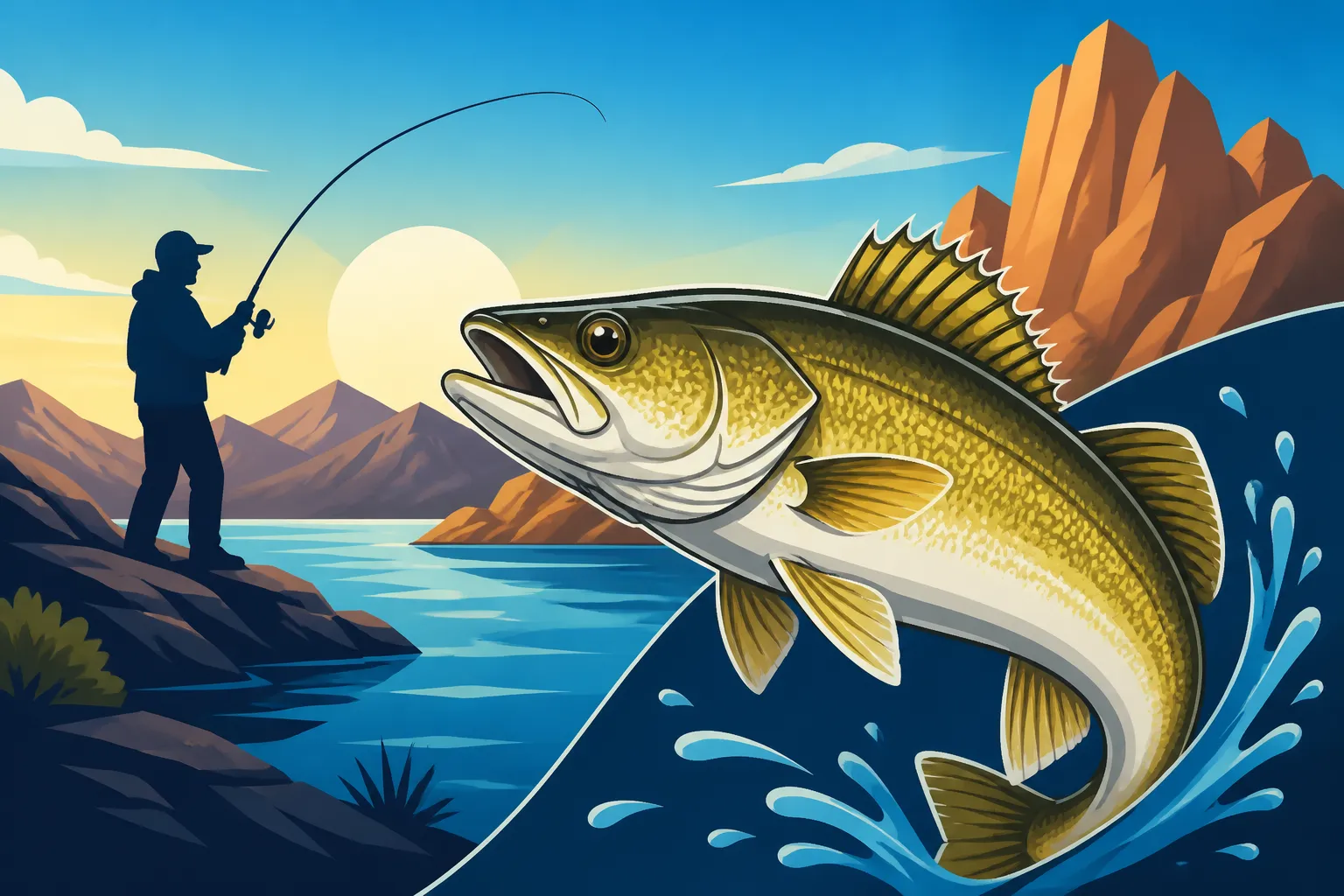
Many anglers hitting Nevada's waters often focus on the more popular species like trout and bass, sometimes overlooking a fantastic, albeit somewhat elusive, game fish: the walleye. It's true that walleye aren't as widespread across the Silver State as other species, and figuring out where to find them and how to entice a bite can feel like a real challenge. This guide is here to shed light on walleye fishing in Nevada, helping you understand their haunts, habits, and the best ways to bring these toothy treasures to your net.
Where Do Walleye Even Live in Nevada?
It’s a common misconception that walleye are practically non-existent in Nevada, but I'm here to tell you, that's just not true! While you won't find them in every lake or river, there are definitely a few key spots where these delicious fish thrive. The trick is knowing which reservoirs hold them and understanding that their populations can fluctuate, making them a true pursuit for the dedicated angler.
Specific Reservoirs and Their Walleye Populations
When people talk about walleye in Nevada, one name usually comes up before all others: Rye Patch Reservoir. This gem, nestled along the Humboldt River, is hands down the most reliable spot for walleye in the state. Anglers travel from all over to target these fish here, and for good reason. The walleye population in Rye Patch is self-sustaining and robust, offering some excellent opportunities. The reservoir itself is a diverse habitat, with plenty of submerged structure, rocky points, and mud flats that walleye love to ambush prey from. You'll find them scattered throughout, but paying attention to structure is key.
Beyond Rye Patch, the walleye story gets a little more nuanced. While other waters might occasionally yield a walleye, or perhaps have had stockings in the past that didn't take hold long-term, Rye Patch remains the consistent producer. Sometimes, transient populations might appear in connected river systems, especially during high water flows, but these are generally less predictable than the established population in Rye Patch. It's truly a unique fishery in Nevada.
Lesser-Known Walleye Spots
Okay, so Rye Patch is the king, but are there any other spots where a dedicated angler might find a walleye? Historically, there have been reports of walleye catches in other reservoirs, particularly those connected to the Colorado River system, like Lake Mead or Lake Mohave. However, these are typically rare, isolated incidents rather than indications of a thriving, targeted fishery. It's more of a "surprise catch" scenario. The Nevada Department of Wildlife (NDOW) primarily manages Rye Patch as the state's walleye fishery, focusing their efforts there to maintain a healthy population.
For instance, if you're fishing Lake Mead Nevada Fishing Guide for stripers, you might occasionally hear a tale of someone reeling in a walleye. This is often due to accidental introductions or migrations, rather than sustained stocking programs designed for walleye. It’s important to manage expectations; if walleye is your primary target, Rye Patch is where you should dedicate your time and effort. Chasing them elsewhere is largely a game of chance and not a consistent strategy. Keep an eye on local fishing reports and NDOW updates, as circumstances can change, but for now, Rye Patch is the destination. You can find more details on this specific fishery in our Does Rye Patch Reservoir have walleye? article.
Understanding Nevada Walleye Behavior
Catching walleye, especially in a place like Nevada where they're not as ubiquitous, often comes down to a deep understanding of their behavior. These fish aren't always easy to trick, and knowing their habits, particularly how they move through the water and what they're looking to eat, will dramatically increase your chances of success. They are truly masters of their environment, adapting to the unique conditions of Nevada's high desert reservoirs.
Seasonal Movements and Depths
Walleye are heavily influenced by water temperature and light conditions. In the cooler months of spring, as water temperatures begin to rise into the 40s and 50s Fahrenheit, walleye will move shallower, often congregating around rocky points, submerged humps, and sandy flats for their spawning rituals. This is often an excellent time to target them, as they are more active and accessible. You might find them in depths ranging from 5 to 20 feet, sometimes even shallower if there's good cover and low light.
As summer heats up and surface water temperatures climb, walleye will generally retreat to deeper, cooler waters, often suspending over structure or near thermal clines. In Rye Patch, this might mean depths of 20 to 40 feet or more, particularly during the bright daylight hours. They become more active during low light periods – dawn, dusk, and even night fishing can be incredibly productive during the summer. During the fall, as water temperatures cool again, walleye will once more become more active and start feeding aggressively in preparation for winter, often moving shallower once again before settling into deeper winter haunts where they remain relatively inactive. Understanding these shifts is crucial for knowing where to cast your line.
Feeding Habits and Prey
Walleye are opportunistic predators, but they have a distinct preference for baitfish. In Rye Patch Reservoir, their primary forage includes various shiners, suckers, and perch. Knowing what's on their menu is key to selecting the right bait or lure. They are ambush predators, often holding tight to structure or subtle changes in the bottom contour, waiting for an unsuspecting meal to swim by. Their large, light-sensitive eyes are perfectly adapted for low-light conditions, giving them a distinct advantage over their prey during twilight hours or in deeper, darker waters.
When they are actively feeding, walleye can strike aggressively, but they are also known for their subtle bites, sometimes feeling like nothing more than extra weight on your line. This is especially true when the water is cold or they are less active. Pay close attention to any unusual sensation on your line – a slight tap, a spongy feel, or simply the line going slack can all be signs of a walleye strike. Mimicking their natural prey in terms of size, shape, and action is paramount. Think about subtle presentations when they're finicky, and more aggressive retrieves when they're in a feeding frenzy.
Essential Gear for Nevada Walleye Fishing
Getting properly equipped for walleye fishing in Nevada, especially at a specific spot like Rye Patch, can make a huge difference. You don't necessarily need a whole new arsenal, but having the right tools for the job can turn a frustrating day into a memorable one. Walleye fishing often requires a blend of sensitivity, strength, and finesse.
Rods, Reels, and Line Choices
For walleye, a sensitive rod is paramount to detect those subtle bites. Many experienced walleye anglers prefer a medium-light to medium power spinning rod, typically 6'6" to 7'6" in length. Graphite rods are excellent because they transmit vibrations incredibly well, letting you feel every bump and tap. A fast or extra-fast action tip is ideal, allowing for quick hooksets while still offering enough bend to fight a strong fish without tearing the hook out. For a comprehensive look at general fishing gear, check out Nevada Fishing Gear Essentials.
Matching that sensitive rod with a smooth, reliable spinning reel in the 2000 or 2500 size range is a solid choice. You want a reel with a good drag system, as walleye can make powerful runs. When it comes to line, a low-stretch option is often favored. Many anglers opt for braided line, typically 8-15 pound test, because of its incredible sensitivity and strength-to-diameter ratio. This helps you feel those light bites and ensures a strong hookset, even in deeper water. I often recommend a fluorocarbon leader (6-10 pound test) tied to the braid. The fluorocarbon is nearly invisible underwater, which can be critical for wary walleye, and it offers some abrasion resistance against rocks and sharp walleye teeth. You can find a wide range of suitable braided lines and fluorocarbon leaders on Amazon, perfect for setting up your walleye rig.
Best Baits and Lures for Walleye
Walleye can be picky eaters, but they often respond well to baits and lures that imitate their natural prey. Live bait is often king, especially when walleye are sluggish or when you're fishing in tougher conditions. Minnows, shiners, and nightcrawlers are perennial favorites. You can rig minnows under a slip bobber or on a jig head, while nightcrawlers can be fished on a snell rig or a bottom bouncer. Remember to always check current Nevada Fishing Regulations Explained for rules on live bait use, as some waters may have restrictions.
When it comes to artificial lures, a diverse tackle box is your best friend.
Jigs are incredibly versatile and effective. Lead head jigs tipped with soft plastic bodies (like grubs, paddle tails, or minnow imitations) or live bait are fantastic for probing structure. Colors like chartreuse, white, perch patterns, and natural baitfish colors are great starting points.
Crankbaits and stickbaits that dive to various depths are also crucial, especially for trolling or covering water. Look for models that mimic shad or perch, in both bright and natural colors.
Blade baits and spoons can also be effective, particularly when jigged vertically in deeper water or trolled.
For targeting suspended walleye, especially during the warmer months, often a jigging rap or similar vertical jigging lure can be deadly. Finding the right bait often requires experimentation, but having a selection of these staples will prepare you for most situations. Picking up some quality jigs and soft plastics on Amazon is a great way to stock your tackle box for a walleye trip.
Walleye Fishing Techniques for Nevada Waters
Now that you know where they live and what they like to eat, let's talk about how to actually get those walleye to bite. Fishing for walleye in Nevada, particularly in a unique reservoir like Rye Patch, requires a specific set of techniques. It’s not always about brute force; often, it’s about finesse, presentation, and understanding how to effectively cover the water column.
Trolling Strategies
Trolling is one of the most effective methods for covering large areas of water and locating active walleye, especially in a vast reservoir. The key is to match your trolling speed and lure depth to the fish's activity level and location. Slow and steady wins the race with walleye, often speeds between 1.0 and 2.5 miles per hour are productive. Use a depth finder to identify humps, ledges, or schools of baitfish, and then present your lures at or just above that depth.
Different lures require different strategies. Diving crankbaits with long bills are excellent for reaching deeper depths without additional weight. You can also use planer boards to spread your lines out, covering a wider swath and avoiding spooking fish directly under the boat. Another popular method is using bottom bouncers with crawler harnesses or stickbaits. The bottom bouncer keeps your bait near the bottom where walleye often feed, while the trailing harness offers an enticing presentation. Pay close attention to your rod tip – walleye bites while trolling can sometimes be subtle, a slight hesitation or increase in tension rather than a violent strike. For insights on finding fish in various reservoirs, our guide on Best Fish Finder for Reservoir Fishing might be helpful.
Jigging and Bottom Bouncing
When walleye are concentrated in specific areas, such as over submerged humps, rocky ledges, or around brush piles, jigging can be incredibly effective. This technique allows for precise bait presentation and can entice bites from finicky fish. Use jigs tipped with live bait (minnows or nightcrawler pieces) or soft plastics. Drop your jig to the bottom, then lift and drop it rhythmically, mimicking a wounded baitfish or an insect. Experiment with different lift heights and pause durations until you find what the walleye prefer. Sometimes a slight quiver is all it takes; other times, a more aggressive jigging motion is needed.
Bottom bouncing, as mentioned before, is also a highly effective technique, particularly for slowly dragging baits along the bottom from a boat. It's fantastic for presenting live bait or artificial worms in a natural way, keeping them in the strike zone without constantly snagging. The "bouncing" action attracts attention, and the trailing bait is often irresistible. This is an excellent method for covering subtle changes in contour and structure that walleye often relate to. Both jigging and bottom bouncing demand a sensitive rod and braided line to feel those light bites, reinforcing the gear choices we discussed earlier.
Shore Fishing for Walleye
While boat fishing offers the most versatility for walleye, don't count out shore fishing, especially during the spring spawn or in areas with good public access. At Rye Patch, there are sections of accessible shoreline where anglers can try their luck. The key to successful shore fishing for walleye is timing and location. Focus on areas with structure close to shore, such as rocky points, drop-offs, or submerged timber. Early morning, late evening, and night are often the most productive times, as walleye move shallower under low light.
Techniques for shore fishing include casting and slowly retrieving crankbaits or stickbaits that dive to the appropriate depth. Jigs tipped with live bait or soft plastics can also be effective when slowly worked along the bottom. Consider using a slip bobber rig with a minnow or a half nightcrawler, allowing you to suspend your bait at a precise depth near structure. Patience is crucial for shore fishing. Keep your presentation subtle and be prepared for those light walleye bites. Sometimes, simply finding a good vantage point and observing the water for signs of baitfish activity or subtle changes in the bottom can put you in the right spot. For more general advice on fishing from shore, you might find tips in Bank Fishing Techniques for Desert Lakes.
| Technique | Best Season(s) | Ideal Conditions | Lure/Bait Examples | Key Strategy |
|---|---|---|---|---|
| Trolling | Spring, Summer, Fall | Open water, moderate wind | Diving crankbaits, bottom bouncers, crawler harnesses | Cover large areas, match depth to fish location |
| Jigging | Spring, Fall, Winter | Over structure, tight spots | Jig heads with plastics/live bait, blade baits | Vertical presentation, subtle lifts and drops |
| Bottom Bouncing | Spring, Summer, Fall | Along contours, bottom | Crawler harnesses, stickbaits, live bait | Slow drag, maintain bottom contact, steady retrieve |
| Shore Fishing | Spring (spawn), Summer (night) | Accessible shorelines, low light | Crankbaits, jigs, slip bobbers w/ live bait | Target structure near shore, patience for low light |
Regulations and Conservation for Walleye
Fishing for walleye in Nevada means being a responsible angler, and that includes understanding and adhering to the specific rules and regulations put in place to manage these unique populations. Nevada's walleye fisheries, particularly Rye Patch, are special, and their continued health depends on all of us doing our part. It's not just about what you catch, but how you protect the resource for future generations.
Bag Limits and Size Restrictions
Like most game fish, walleye in Nevada have specific daily bag limits and possession limits, as well as minimum size restrictions. These rules are designed to ensure a sustainable fishery, allowing enough fish to survive and reproduce while still providing angling opportunities. For instance, there might be a limit on the total number of walleye you can keep in a single day, and an overall possession limit, which is the total number of fish you can have on hand, including those at home. There's often a minimum length requirement, meaning any walleye caught under a certain size must be immediately released unharmed.
It's absolutely critical to consult the most current Nevada Fishing Regulations Explained from the Nevada Department of Wildlife (NDOW) before you head out. These regulations can change, and what was true last year might be different this year. The NDOW website or their annual fishing guide booklet are your best sources of information. Ignoring these rules, even unknowingly, can lead to fines and penalties, and more importantly, it can negatively impact the very fishery you enjoy. Always measure your fish carefully and release undersized ones quickly and gently. Our Nevada Statewide Bag Limits Explained guide offers more general information on limits across the state.
Protecting Walleye Populations
Beyond just following the rules, conservation is about mindful angling practices. Walleye are a valuable resource, and in Nevada, their presence in places like Rye Patch Reservoir is particularly significant. Practicing catch-and-release, especially for larger breeding-size fish, helps ensure the health and genetic diversity of the population. If you do plan to keep fish, only keep what you will realistically eat, and consider releasing some of your catch to fight another day.
When releasing walleye, handle them with care. Minimize their time out of the water, support their body horizontally, and use wet hands to avoid removing their protective slime coat. If a fish is deeply hooked, it's often better to cut the line rather than try to remove the hook, as this can increase their chances of survival. Also, be mindful of preventing the spread of aquatic invasive species. Always clean, drain, and dry your boat, trailer, and gear after leaving one body of water before entering another. This simple act can protect Nevada's precious aquatic ecosystems from devastating invaders. By being a responsible steward, you're helping to ensure that walleye fishing remains a viable and exciting pursuit in Nevada for years to come.
Disclaimer
This article is for general informational purposes only and does not constitute professional advice. Laws, prices and regulations vary by location and change over time. Consult a qualified professional for guidance on your specific situation.