What a tiger trout is
Have you ever been out on a Nevada lake or stream, pulled in what you thought was a rainbow trout, only to find it covered in wild, labyrinthine patterns unlike anything you've ever seen? It’s a moment that sparks both confusion and awe, leaving you wondering if you've discovered a new species. Chances are, you’ve just encountered a tiger trout, one of Nevada's most striking and sometimes elusive, fish. This guide is here to unravel the mystery of these fascinating fish, helping you understand what they are, where they swim, and how you might just land one yourself.
Understanding the Tiger Trout: Nature's Masterpiece with a Little Help
Let's dive right into what makes a tiger trout so special. It's not a natural species you'll find reproducing in the wild on its own; instead, a tiger trout is a sterile hybrid, a cross between two different species of trout: the brown trout (Salmo trutta) and the brook trout (Salvelinus fontinalis). Yes, you read that right – these two distinct fish come together to create this uniquely patterned hybrid.
The "hybrid" aspect is really important here. Unlike a purebred species that passes on its genes, tiger trout are infertile, meaning they cannot reproduce. This characteristic actually makes them quite valuable for fisheries management. When agencies like the Nevada Department of Wildlife (NDOW) want to introduce a predatory fish to control populations of less desirable or overpopulated species, but don't want that new predator to establish a self-sustaining population that could potentially disrupt the ecosystem, sterile hybrids like the tiger trout are a perfect solution. They grow quickly, they're aggressive, and they won't overrun the system with their offspring. It's a clever biological tool that gives anglers a truly unique catch.
The reason you don't find them naturally everywhere is that the crossbreeding rarely occurs in the wild. While brown trout and brook trout can sometimes inhabit the same waters, their spawning habits and timing often differ just enough to prevent natural hybridization from being a common occurrence. Most tiger trout you'll encounter are hatchery-reared, meticulously bred and raised by fish and game departments or private hatcheries before being stocked into suitable waters. This controlled environment ensures a higher success rate for the cross, giving us these beautiful, feisty fish to pursue.
Where Nevada's Waters Welcome the Stripes: Finding Tiger Trout
Nevada, with its diverse range of aquatic environments from high mountain lakes to desert reservoirs, is home to a variety of trout species. While tiger trout aren't as widely distributed as, say, rainbow trout, they are specifically stocked in certain waters where their unique traits can be put to good use. These locations are often chosen because their aggressive nature can help manage populations of forage fish or simply to provide an exciting and different angling experience.
One of the most well-known spots where you might encounter tiger trout in Nevada is Wildhorse Reservoir in the northeastern part of the state. It's a fantastic fishery known for its trophy-sized trout, and tiger trout have found a good home there, growing to impressive sizes thanks to the abundant food sources. Other high-elevation lakes and even some smaller reservoirs across the state might also receive periodic stockings. Wildhorse Reservoir Nevada Fishing Guide provides a lot more detail on this specific location. The NDOW often publishes a Nevada Trout Stocking Schedule, which can be an invaluable resource for knowing exactly when and where these striped beauties might be introduced.
It’s worth noting that because tiger trout are often part of a specific management plan, their presence can sometimes be seasonal or fluctuate depending on stocking efforts. This makes doing a little homework before your trip crucial. Checking the most recent stocking reports or calling local tackle shops can give you the freshest information on where these distinctive fish are currently active. Their predatory nature means they thrive in environments with ample forage fish, so lakes with healthy populations of minnows or other baitfish are often prime candidates for tiger trout introductions.
Spotting the Striking Stripes: How to Identify a Tiger Trout
One of the most exciting things about catching a tiger trout is their undeniable, distinctive appearance. They truly stand out from other trout species, making identification a real thrill. The name "tiger trout" isn't just for show; it perfectly describes their intricate, maze-like patterns.
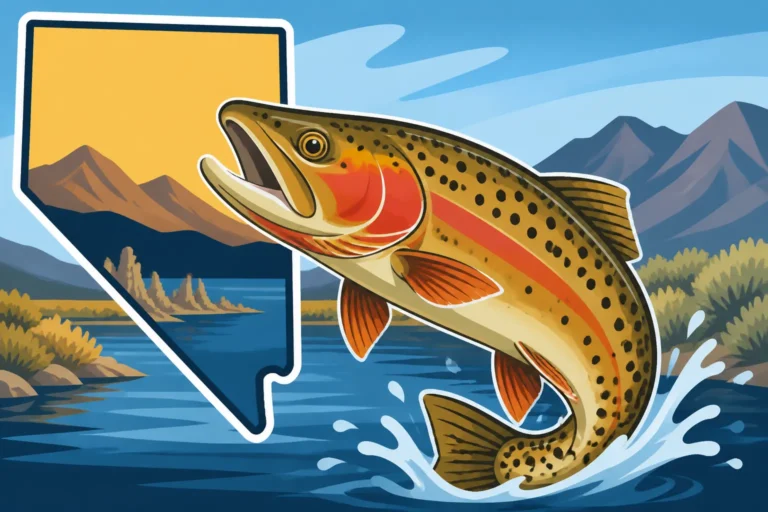
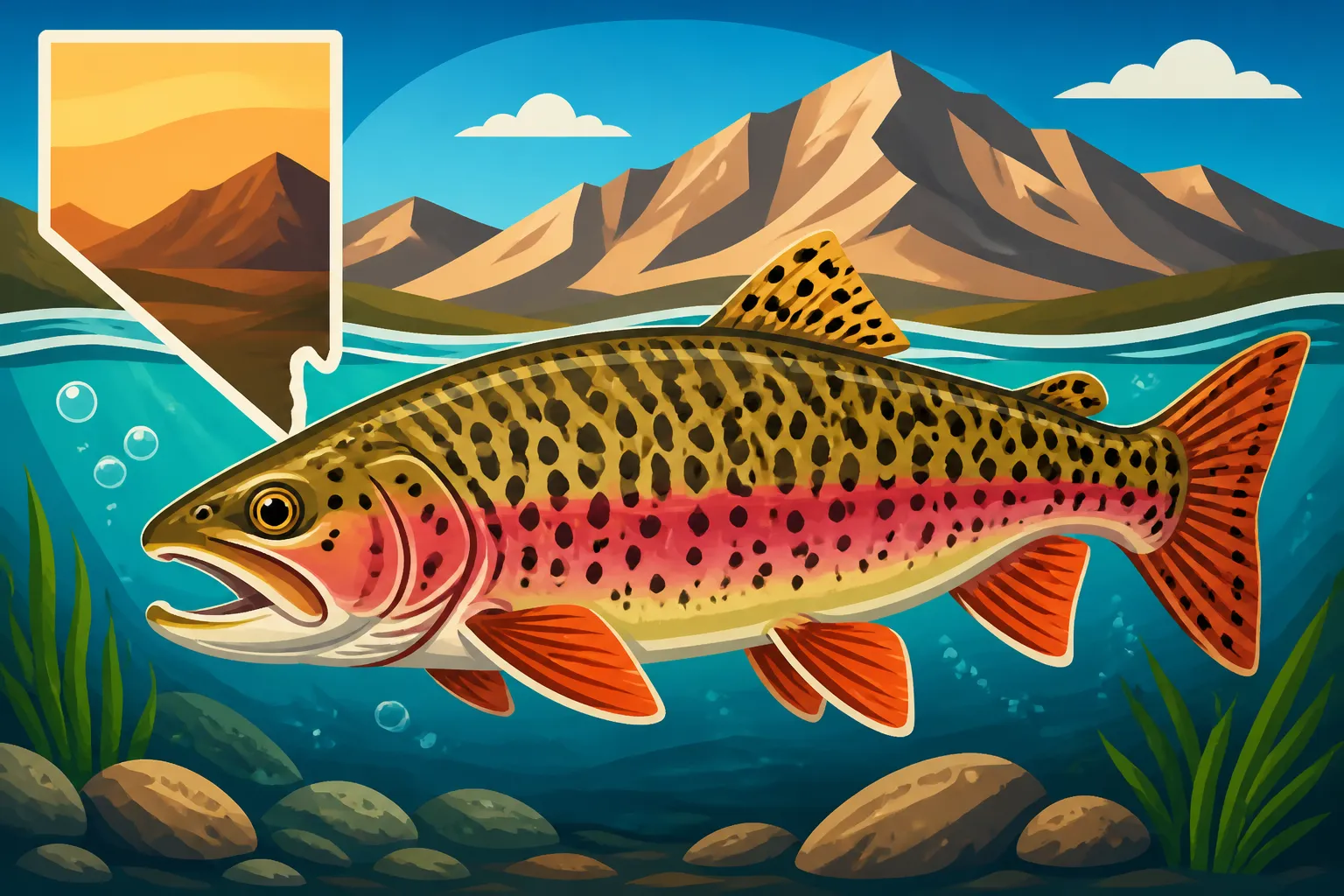
The most prominent feature you'll notice is the vermiculated (worm-like) pattern across their back and sides. These markings are dark, often black or deep olive, against a lighter, yellowish-brown to silvery background. Imagine a topographical map or a zebra's stripes gone wild and intertwined – that's the tiger trout. This intricate pattern extends all the way down to their belly, which is usually a creamy white or pale yellow. They lack the distinct spots you'd typically see on a brown trout or rainbow trout; instead, it's those swirling, connected lines that give them their signature look.
To put it into perspective, let’s quickly compare them to some other common Nevada trout:
- Rainbow Trout: Generally have a pink or reddish stripe along their side and scattered black spots over a silvery body.
- Brown Trout: Typically golden-brown with prominent dark spots (some with red halos) on their sides, often extending onto their dorsal fin. The spots are usually individual, not interconnected.
- Brook Trout: Known for their dark green to brown body with lighter, often red, spots surrounded by blue halos (called "halos" or "vermiculations" on their back and dorsal fin, though less intricate than a tiger trout's). They often have white leading edges on their lower fins.
The table below provides a quick visual comparison to help you distinguish a tiger trout from its close relatives:
| Feature | Tiger Trout | Rainbow Trout | Brown Trout | Brook Trout |
|---|---|---|---|---|
| Origin | Sterile Hybrid (Brown x Brook) | Native to Pacific Ocean drainages | Native to Europe and Western Asia | Native to Eastern North America |
| Body Color | Yellowish-brown to silvery | Silvery, greenish-blue back | Golden-brown to olive-brown | Dark green to brown |
| Markings | Distinctive dark, vermiculated (worm-like) patterns all over body | Scattered black spots, often a pink/red lateral stripe | Dark spots, some with red halos; few on tail | Light vermiculations on back, red spots with blue halos on sides |
| Tail Fin | Often lightly spotted, can be darker | Heavily spotted | Lightly spotted, often square | No spots, often slightly forked |
| Lower Fins | Typically yellowish or brownish | Clear or slightly dusky | Yellowish or orange | White leading edges, followed by black then red/orange |
Understanding these differences, especially the unique vermiculated pattern, will help you confidently identify a tiger trout when you reel one in. They are truly one of the most visually captivating fish in Nevada's waters.
Hooking a Hybrid: Tactics for Tiger Trout in Nevada
Fishing for tiger trout can be an incredibly rewarding experience, not just because of their striking appearance, but also due to their aggressive nature and fighting spirit. If you're targeting these hybrids in Nevada, you'll want to adjust your approach a bit from typical trout fishing. They tend to be more predatory than your average stocked rainbow, often chasing down baits and lures with gusto.
When it comes to lures, anything that mimics a small baitfish can be highly effective. Spinners like those from Mepps or Panther Martin, in sizes appropriate for trout, are excellent choices. Colors that stand out, like brass, silver, or even some brighter patterns, can grab their attention. Small spoons, such as those made by Kastmaster or Little Cleo, also work wonderfully, especially when jigged or retrieved with an erratic motion. If you're looking for versatile options, a quick search on Amazon for "trout spinning lures" will show you a wide array of effective choices that mimic baitfish. For those who prefer soft plastics, small swimbaits or grub-tailed jigs can be incredibly enticing, particularly when fished slowly near structure or drop-offs. Don't be afraid to experiment with brighter, more aggressive colors than you might typically use for other trout.
Bait fishing can also be productive. PowerBait, especially in brighter colors or those infused with garlic, can attract their attention. However, since they are more predatory, live or dead baitfish (where legal, always check Nevada Fishing Regulations Explained before using live bait!) can be a game-changer. Nightcrawlers, pinched off into smaller segments, or even small minnows if allowed, can elicit a strong strike. When they're in a feeding mood, tiger trout can be quite aggressive, often hitting a bait or lure hard and putting up a spirited fight.
The best time of year to target tiger trout often aligns with when other trout species are active – spring and fall usually offer fantastic opportunities as water temperatures are cooler and they are actively feeding. However, even in the summer, finding them in deeper, cooler water is possible. Look for areas with structure, like submerged timber, rocky points, or drop-offs, where they might ambush prey. Remember, these fish are often stocked to be predators, so thinking like a bass angler in terms of structure and cover can sometimes pay off. If you're keen on general trout techniques, our guide on How to Fish for Trout in Nevada can offer some excellent foundational knowledge that can be adapted for these unique hybrids. And for those seeking that extra challenge, chasing larger tiger trout can put you into Trophy Trout Waters in Nevada territory, where specialized gear, easily found on Amazon with a search for "trout fishing rods and reels," might be beneficial.
No matter your method, remember that tiger trout are a special catch. Handle them with care if you plan to release them, ensuring they can continue to thrive in Nevada's waters and provide another angler with that memorable, striped surprise.
Disclaimer
This article is for general informational purposes only and does not constitute professional advice. Laws, prices and regulations vary by location and change over time. Consult a qualified professional for guidance on your specific situation.