Do Nevada lakes have muskie or pike?
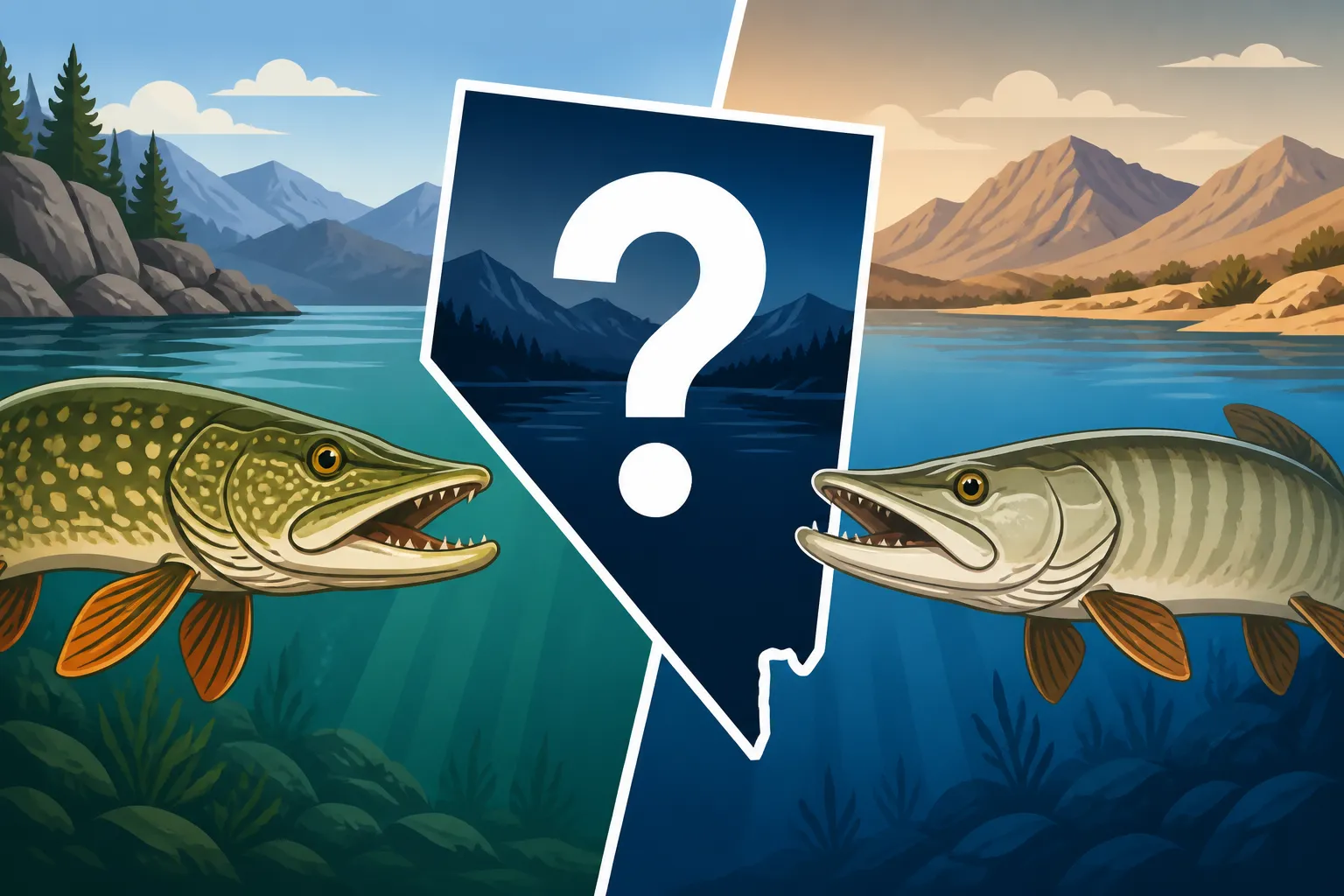
One of the most common questions I hear from anglers new to Nevada, especially those moving from states like Minnesota or Wisconsin, is whether our vast desert lakes or cool mountain reservoirs hold muskie or pike. It's a valid question, as these toothy predators are iconic game fish elsewhere! However, the short answer is usually "no" for muskie and "only rarely, and usually illegally" for pike. This guide will dive deep into why these species aren't part of Nevada's fishing landscape, what you can expect to catch instead, and why wildlife agencies actively work to prevent their spread.
The Straight Answer: No Muskie, Very Limited Pike
Let's cut right to the chase for those eager to know. If you're dreaming of tangling with a monstrous muskellunge or battling a feisty northern pike, Nevada's public waters are generally not the place.
Muskie: A Resounding No
Muskellunge, often affectionately called "muskie," are simply not found in Nevada's public lakes, reservoirs, or rivers. The Nevada Department of Wildlife (NDOW) has never stocked them, nor are there any native populations. For the dedicated muskie angler, this might come as a disappointment, but it's a reality rooted in ecological suitability and management priorities. These powerful fish thrive in specific environments, often large, cool, clear waters with abundant forage and specific vegetative cover, which are not widely characteristic of Nevada's diverse aquatic habitats at the scale needed to sustain a muskie fishery.
Northern Pike: A Rare, Unwanted Guest
Northern pike, while perhaps a bit more adaptable than muskie to varying water conditions, are also generally absent from Nevada's public waterways. When they do appear, it's almost exclusively due to illegal introductions by individuals, which is a serious problem for our fisheries. In the past, there have been documented cases, most notably at Comins Lake near Ely, where northern pike were illegally introduced. NDOW undertook significant, costly, and resource-intensive eradication efforts because pike are highly predatory invasive species that can decimate populations of native and stocked trout, bass, and other desirable game fish.
Think of it this way: NDOW works hard to maintain healthy fisheries for species that either naturally thrive here or are successfully stocked to provide diverse fishing opportunities. The introduction of an apex predator like the northern pike can unravel years of careful management and stocking programs in short order. This is why if you ever do encounter a fish resembling a pike, it's crucial to know what steps to take, which we'll cover later.
Understanding Nevada's Fisheries: Why No Muskie or Deliberate Pike Stocking?
The absence of muskie and the active discouragement of northern pike in Nevada isn't arbitrary; it's a deliberate strategy based on habitat suitability, ecological balance, and the state's conservation and recreational fishing goals.
Habitat and Water Conditions: A Mismatch
Nevada's aquatic environments are incredibly diverse, from the vast, deep, warm waters of Lake Mead and Lake Mohave to the high-elevation, cold, clear mountain lakes and the unique ecosystem of Pyramid Lake. However, very few of these habitats align with the specific needs of muskie or, to a lesser extent, the desired management of pike.
Muskellunge prefer large, clear, cool-to-temperate waters with plenty of aquatic vegetation for ambush points and spawning. While Nevada has some large lakes, many of our warmer desert reservoirs lack the extensive, stable vegetation that muskie rely on. Our colder, higher-elevation lakes often have less complex shorelines and depths that don't match muskie preferences, or they are already managed for specific trout species. Introducing muskie into these systems could disrupt existing delicate balances.
Northern pike are a bit more tolerant of varying conditions and can even survive in slightly warmer waters. This adaptability, however, makes them more dangerous as an invasive species. They grow quickly, reproduce prolifically, and are voracious predators. If they establish a foothold, they can quickly outcompete and consume the very fish that anglers travel to Nevada to catch. Imagine the impact on popular stocked trout fisheries or the delicate balance of a trophy bass lake. It would be devastating.
NDOW's Management Priorities: Focused on Success
The Nevada Department of Wildlife has a clear mission: to protect, preserve, manage, and restore wildlife and its habitat, and to provide quality wildlife-related recreation. This means carefully selecting which species to manage and stock to ensure sustainable, high-quality fishing opportunities for the public. Their focus is on species that are native, well-adapted to Nevada's environments, or have proven successful as introduced game fish without negative ecological impacts.
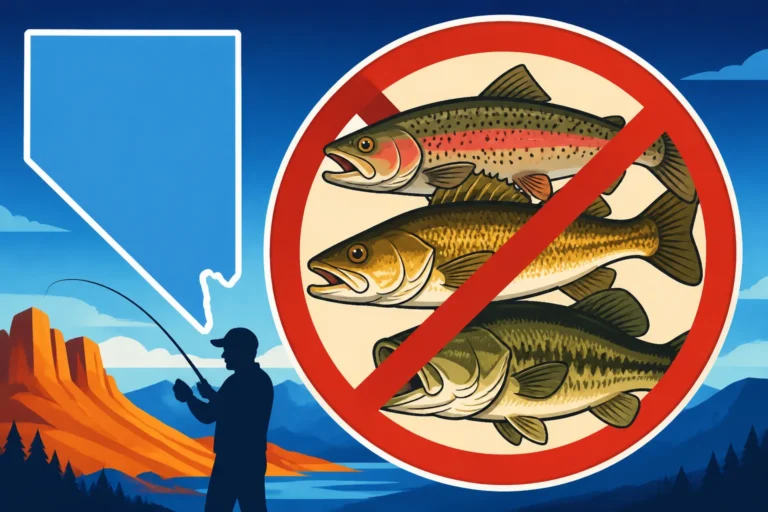
For example, our state invests heavily in stocking Rainbow Trout Fishing in Nevada in urban ponds and mountain lakes, managing populations of Largemouth Bass Fishing in Nevada and Smallmouth Bass Fishing in Nevada in our desert reservoirs, and conserving the unique Lahontan Cutthroat Trout in Nevada in Pyramid Lake and other waters. Each of these species thrives in specific Nevada habitats and provides distinct fishing experiences. Introducing muskie or pike would not only require a massive, new stocking program with uncertain success but also pose a direct threat to these established and beloved fisheries.
NDOW also dedicates considerable resources to monitoring and enforcing Nevada Fishing Regulations Explained to prevent illegal introductions. The consequences of such actions are severe, reflecting the potential damage to the state's natural resources and recreational opportunities.
What to Expect Instead: Nevada's Abundant Game Fish
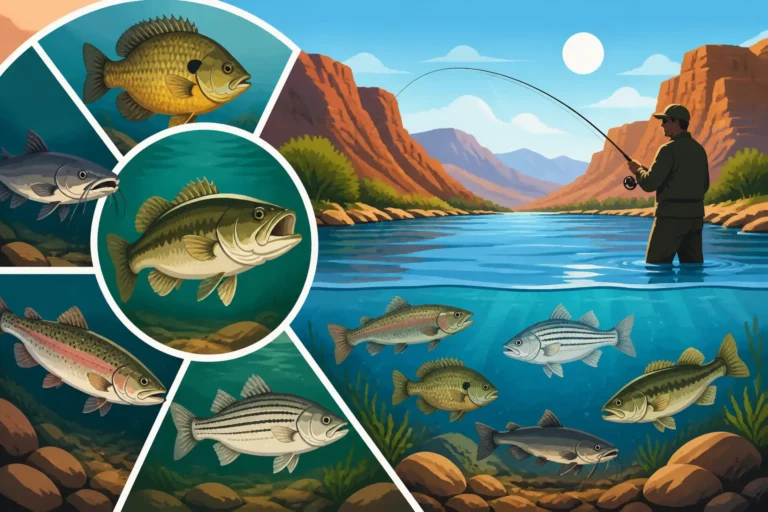
So, if muskie and pike aren't on the menu, what can you expect to catch when fishing in Nevada? The good news is, Nevada offers an incredibly diverse and exciting angling experience with a wide array of popular game fish that thrive in our unique environments. You might not find "pike," but you'll certainly find plenty of opportunities to test your skills and fill your cooler.
Trout, Bass, and Stripers Reign Supreme
These are the heavy hitters of Nevada's fishing scene, and for good reason:
- Trout: From the majestic Lahontan Cutthroat Trout in Nevada at Pyramid Lake, which can grow to truly enormous sizes, to the regularly stocked rainbow trout in urban ponds and mountain lakes, Nevada is a trout angler's paradise. You'll also find brown trout in some reservoirs and rivers, and even unique hybrids like tiger trout in specific locations. High mountain lakes offer incredible opportunities for brook and golden trout. The variety in trout species and the diverse environments they inhabit mean there's always a new challenge.
- Bass: Nevada's warm-water reservoirs, especially giants like Lake Mead and Lake Mohave, are renowned for their bass fishing. You can target Largemouth Bass Fishing in Nevada in rocky coves and submerged brush, or chase after Smallmouth Bass Fishing in Nevada around rocky points and ledges. These waters offer year-round action for bass anglers, with plenty of opportunities for trophy-sized fish.
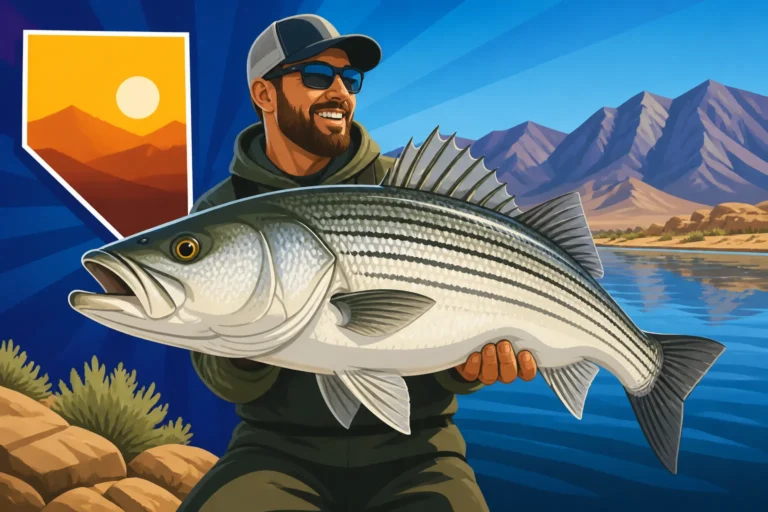
- Striped Bass: Perhaps the most thrilling and unique fishing experience in Nevada's desert reservoirs is for Striped Bass Fishing in Nevada. Lake Mead and Lake Mohave are home to massive populations of these powerful, ocean-going transplants. Stripers are known for their hard fights and schooling behavior, providing incredible action, whether you're trolling, casting, or even jigging for them in deep water. It's a truly unique fishery that often leaves anglers speechless with the sheer numbers and size of fish.
Other Fun Catches for Every Angler
Beyond the "big three," Nevada offers plenty of other species that provide excellent sport and table fare:
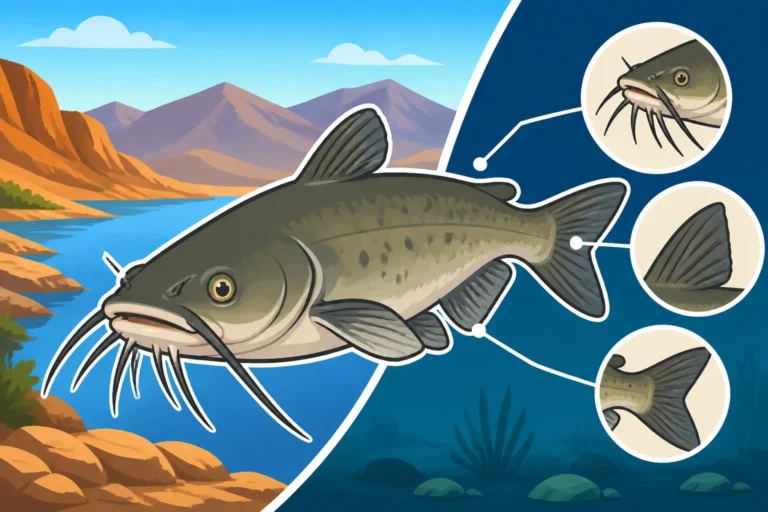
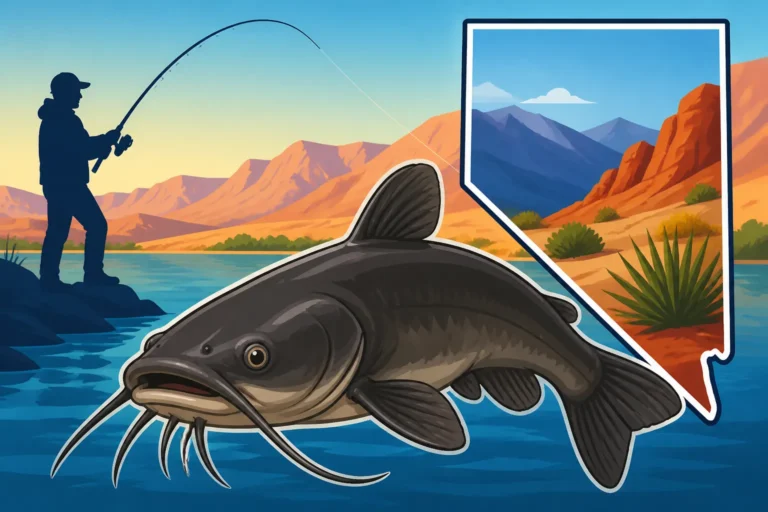
- Catfish: Channel Catfish Fishing in Nevada is popular in many of the state's warmer reservoirs and urban ponds. These whiskered bottom-dwellers can grow to impressive sizes and offer a strong fight, especially at night. They're also delicious!
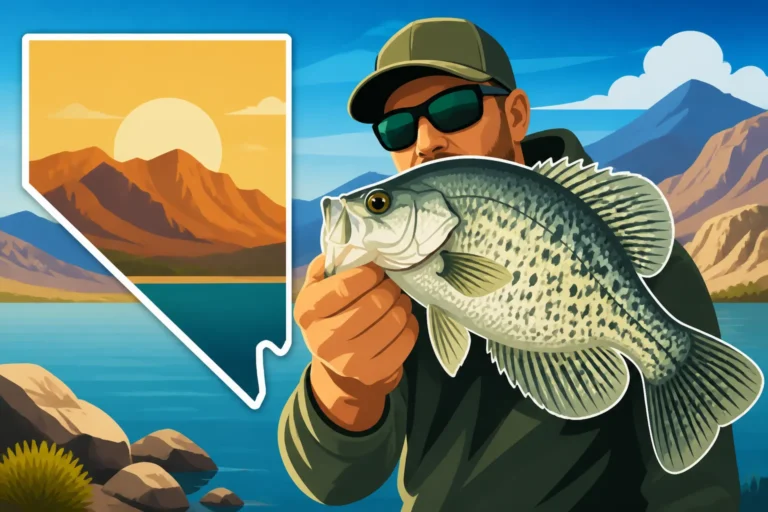
- Panfish: Look for Yellow Perch Fishing in Nevada, crappie, bluegill, and redear sunfish in various lakes and ponds. These smaller fish are perfect for family outings, teaching kids to fish, or just enjoying a relaxing day catching plenty of bites. Wildhorse Reservoir, for instance, is known for its abundant yellow perch.
- Wipers: If you're looking for a hard-fighting hybrid, some Nevada waters, like Lake Mohave, also have wiper bass—a cross between striped bass and white bass. These fish combine the fighting power of a striper with the aggressive feeding habits of a white bass, making for an exciting catch. You can learn more about Kokanee Salmon and Wiper Bass in Nevada in our other guides.
So, while muskie and pike might not be native or desired here, the Silver State truly shines with its own unique and diverse sport fishing opportunities. You'll find yourself needing different gear and techniques, but the thrill of the catch is just as strong, if not stronger!
Encountering an Unidentified Fish: What to Do
Given that muskie are nonexistent and pike are highly undesirable, what should you do if you catch something that genuinely looks like a northern pike in a Nevada lake? This isn't a hypothetical situation to ignore; it's a critical moment for protecting our fisheries.
Identifying Potential Look-Alikes
First, let's make sure it's actually a pike. Sometimes, other long-bodied fish can be mistaken, especially by those unfamiliar with Nevada's common species. For instance, a very long, slender largemouth bass might have a slightly elongated appearance, but it lacks the distinctive "duck-bill" snout and razor-sharp teeth of a pike. A large striped bass also has an elongated body, but its prominent dark horizontal stripes and deeply forked tail are dead giveaways that it's not a pike. Even some larger, slender suckers could be mistaken by an untrained eye.
Here's a quick comparison to help you distinguish a northern pike from some common Nevada game fish:
| Feature | Northern Pike | Largemouth Bass | Striped Bass |
|---|---|---|---|
| Body Shape | Long, slender, torpedo-like | Stout, oval-shaped | Long, slender, streamlined |
| Snout/Mouth | Long, duck-bill shaped snout with many sharp teeth | Large mouth, jaw extends past eye | Large mouth, lower jaw protrudes |
| Dorsal Fin | Single, far back on body, near tail | Two distinct dorsal fins (spiny and soft) | Two distinct dorsal fins |
| Scales | Fully scaled body, distinct spots/bars | Large scales, dark lateral line | Silver with distinct dark horizontal stripes |
| Tail Fin | Forked, pointed lobes | Slightly notched | Deeply forked |
| Teeth | Very sharp, needle-like | Sandpaper-like pads, small teeth | Small, conical teeth |
If after reviewing this, you're still convinced you've caught a northern pike, it's time for the next crucial step.
The Importance of Reporting Invasive Species
The presence of northern pike in any Nevada public waterway is a serious concern for NDOW and for all anglers who value our fisheries. These fish are highly efficient predators that can quickly consume other game fish, decimate baitfish populations, and disrupt the entire food chain. If they establish a breeding population, they can cause irreversible damage to the ecosystem.
Here's what you need to do if you catch what you believe to be a northern pike:
- Do NOT Release It: This is the most important rule. Releasing an invasive species is illegal and exacerbates the problem.
- Kill It Humanely: Dispatch the fish quickly and respectfully.
- Document It: Take clear photos of the fish, especially its mouth, fins, and overall body shape. If possible, note the exact location (GPS coordinates if you have them) and the date and time of the catch.
- Contact NDOW: Immediately report your catch to the Nevada Department of Wildlife. You can usually find their contact information on their website or in the current fishing regulations booklet. Be prepared to provide the photos and details of your catch.
- Retain the Fish (if possible): If you can, keep the fish so NDOW personnel can positively identify it. This might mean placing it on ice in a cooler.
NDOW takes these reports very seriously and will investigate. Your vigilance can play a critical role in preventing an ecological disaster and protecting the fishing opportunities we all cherish. Learning about potential Nevada Fishing Violation Penalties also helps illustrate the gravity of actions like illegal fish introductions.
In conclusion, while the allure of muskie and pike fishing is strong for many, Nevada offers a truly unique and diverse angling experience focused on other fantastic game fish. Understanding why these particular species are not present, and how to react if you encounter an invasive one, helps ensure the health and vibrancy of our beautiful Silver State fisheries for years to come.
Disclaimer
This article is for general informational purposes only and does not constitute professional advice. Laws, prices and regulations vary by location and change over time. Consult a qualified professional for guidance on your specific situation.