Nevada state record striped bass
There’s a unique kind of thrill that comes with chasing a truly monumental fish, a fish that doesn't just make your day, but potentially makes history. For many anglers in the Silver State, that dream fish is the Nevada state record striped bass. It’s not just about bragging rights; it's about connecting with a legendary aquatic beast. This comprehensive guide will dive into what it takes to pursue such a giant, where these incredible fish live, and how you can prepare for your own shot at the record book.
The Lure of the Giant Striper: What Makes a Nevada State Record?
Let's face it, most of us go fishing for relaxation, to enjoy the quiet, or to spend time with loved ones. But deep down, there's often a little spark of ambition, a hope for that one truly unforgettable catch. When it comes to striped bass in Nevada, "unforgettable" can quickly turn into "record-breaking" if you're prepared and lucky. The idea of holding a fish that outweighs anything else caught in the state is a powerful motivator, driving anglers to explore deep waters and refine their techniques.
Beyond Just Size: The Spirit of the Record
When we talk about a state record, it's easy to just think about a number on a scale. But it’s so much more than that. It represents dedication, countless hours on the water, meticulous preparation, and often, a touch of angler's intuition. The spirit of chasing a record isn't just about the fish itself, but the journey, the anticipation, and the respect for the incredible natural resources we have. Imagine the stories, the sheer adrenaline of a fish that powerful bending your rod in half, the disbelief as you finally get it to the boat. That's the real record, the memory that gets etched into your soul.
Understanding the Official Record-Keeping Process
Catching a truly massive striped bass is one thing; getting it officially recognized as a state record is another. The Nevada Department of Wildlife (NDOW) has a clear process in place to ensure fair play and accurate record keeping. It's not as simple as just weighing it on your personal scale. You need to understand that the fish must be caught legally, following all Nevada Fishing Regulations Explained. This means using legal tackle, adhering to creel limits (though a record fish will naturally be the only one you're focusing on keeping), and being within open seasons. Usually, a certified scale is required, often found at official weigh stations or tackle shops. There are usually strict timeframes for reporting and verification, and sometimes, a witness or even a photograph with specific details is needed. Missing any of these steps, even with the biggest fish, could mean your catch doesn't make it into the record books, which would be an absolutely heartbreaking outcome after such an incredible feat.
Historical Giants: Nevada's Legacy of Big Stripers
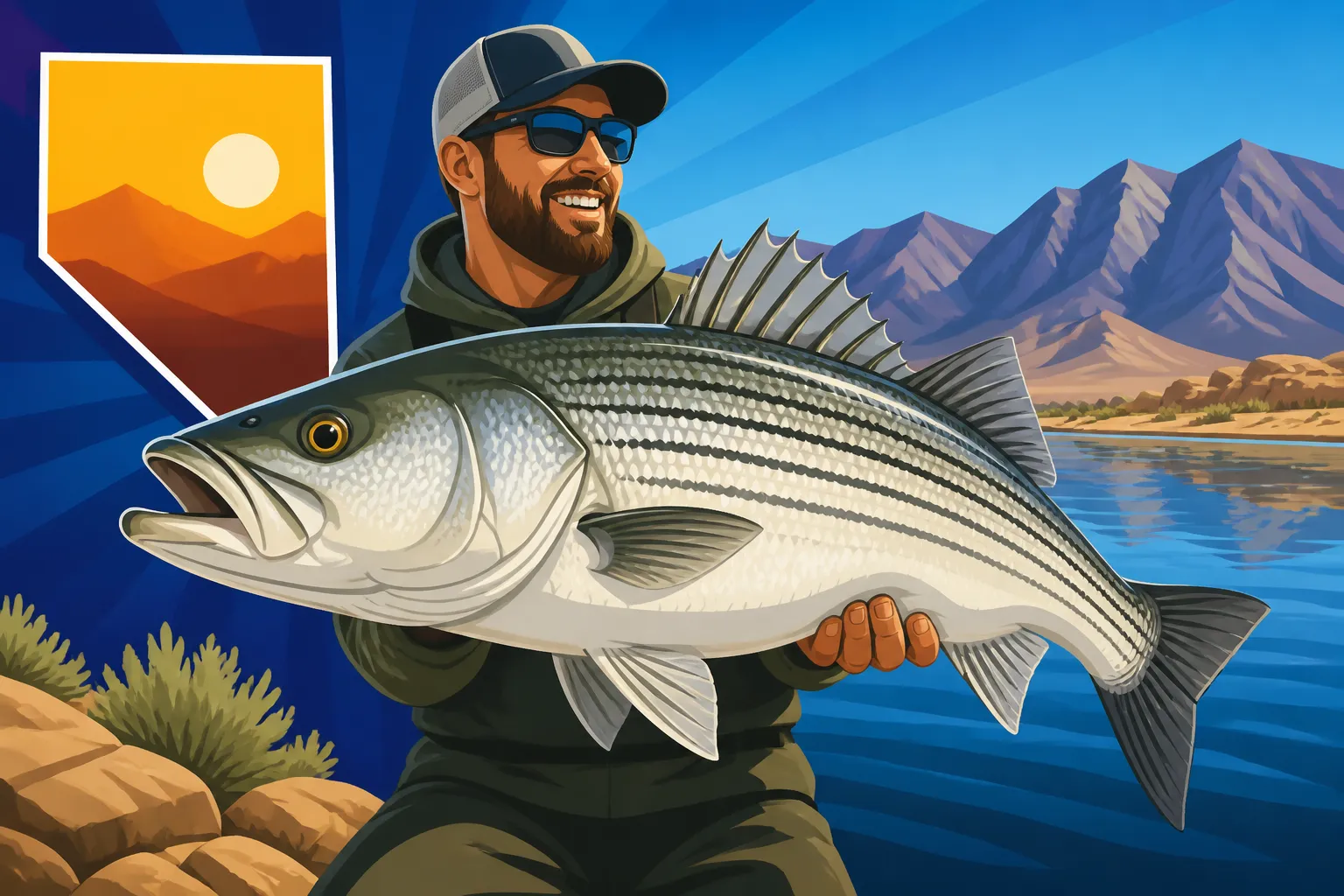
Nevada's desert lakes, particularly Lake Mead, have a storied history of producing truly monstrous striped bass. These aren't just big fish; they're apex predators that have thrived in the vast waters, feeding on abundant baitfish like shad. Over the years, anglers have pulled out incredible specimens, pushing the boundaries of what's possible. While I can't give you the exact current record weight or date, understand that the bar is set incredibly high by a truly colossal fish that represents the pinnacle of striped bass angling in this state. These record-breaking catches inspire countless others to get out on the water, to dream big, and to chase their own personal bests, hoping one day to eclipse that legendary weight.
Lake Mead and Lake Mohave: Battlegrounds for Monster Stripers
When the conversation turns to massive striped bass in Nevada, two names dominate: Lake Mead and Lake Mohave. These expansive reservoirs, formed by the mighty Colorado River, provide the perfect habitat for striped bass to grow to colossal sizes. They offer immense depths, a rich food source, and complex underwater structures that allow these powerful fish to ambush prey and thrive.
Lake Mead: The Prime Hunting Ground
Lake Mead is, without a doubt, the undisputed champion when it comes to trophy striped bass in Nevada. Its sheer size is staggering, encompassing vast stretches of open water, intricate coves, and deep canyons. This immense aquatic playground offers countless opportunities for stripers to grow large. Anglers often focus on areas where baitfish congregate, especially gizzard shad and threadfin shad, which are the primary diet for these opportunistic predators. Deep main lake points, submerged islands, and steep drop-offs are common hotspots. The challenge here is not just finding the fish, but finding the trophy fish amidst such a massive body of water. Fishing at Lake Mead often requires patience, advanced electronics to locate bait schools and deep-dwelling stripers, and a willingness to cover a lot of water. For a deeper dive into this fishery, check out Lake Mead Nevada Fishing Guide.
Lake Mohave: A Smaller but Mighty Contender
While often overshadowed by its larger neighbor, Lake Mohave is no slouch when it comes to producing impressive striped bass, including potential record breakers. This long, narrow lake, situated downstream from Lake Mead, offers clearer water and a slightly different dynamic. Striped bass here also feed heavily on shad, and the more contained nature of the lake can sometimes make locating schools a bit more manageable than on Mead. Anglers often find success focusing on the deeper sections, especially around structure like submerged trees or rock formations. The tailwaters below Davis Dam can also be productive, offering consistent flows and concentrating baitfish. Don't underestimate Mohave; many anglers have landed personal bests, and even state-record contenders, from its waters. You can learn more about this incredible fishery in Lake Mohave Nevada Fishing Guide.
Habitat and Prey: Why These Lakes Produce Giants
The secret sauce for producing giant striped bass in these desert lakes boils down to two critical factors: extensive habitat and an abundant food supply. These reservoirs were created with deep channels, varying depths, and plenty of structure, mimicking many aspects of the striper's natural ocean environment (despite being freshwater). More importantly, the prolific populations of shad provide an endless buffet for growing stripers. These baitfish reproduce rapidly, ensuring a constant food source that allows striped bass to pack on pounds quickly and efficiently. The combination of a healthy ecosystem and ample prey means that stripers not only survive but thrive, reaching weights that are truly exceptional for freshwater environments. Understanding the seasonal movement of baitfish and how stripers relate to them is key to consistently catching larger fish.
Here's a quick comparison of these two powerhouses for trophy striped bass:
| Feature | Lake Mead | Lake Mohave |
|---|---|---|
| Size | Very Large (massive surface area) | Large (long and relatively narrow) |
| Primary Food Source | Threadfin and Gizzard Shad | Threadfin and Gizzard Shad |
| Water Clarity | Varies, can be stained in some areas | Generally clearer water |
| Typical Depth | Very Deep (over 500 feet) | Deep (over 200 feet in places) |
| Fishing Pressure | High in popular areas, vastness allows escape | Moderate to High |
| Trophy Potential | Excellent, holds the current state record | Very Good, produces large fish consistently |
| Boating Considerations | Can be very rough due to size and wind | Can be windy, but often calmer than Mead's open water |
Arming for the Quest: Gear and Techniques for Record Striped Bass
Chasing a state record striped bass isn't a task for flimsy tackle. These fish are immensely powerful, with broad shoulders and an unstoppable will to fight. You need robust gear and specialized techniques to even stand a chance against one of these freshwater titans.
Heavy-Duty Tackle: Built for Brutes
When you're targeting a fish that could weigh in at record proportions, you need to bring out the big guns. Your rod should be a heavy-action or extra-heavy-action model, capable of handling significant strain without snapping. Paired with this, a high-capacity spinning or baitcasting reel with a smooth, powerful drag system is absolutely essential. Line choice is equally crucial; many trophy hunters opt for braided line with a high breaking strength, often 50-80 pound test, for its sensitivity and incredible pulling power, usually with a strong fluorocarbon leader. You'll find a wide selection of heavy-duty rods and reels, often available on Amazon, that can handle the sheer power of a trophy striper. Don't skimp on terminal tackle either; extra-strong hooks, swivels, and split rings are a must, as a weak link will undoubtedly fail when you're battling a fish of a lifetime. Consider investing in a high-quality fishing net with a deep, wide hoop, designed specifically for landing large, powerful fish.
Advanced Tactics for Trophy Fish
Catching a truly giant striped bass often requires moving beyond basic casting. Trolling with large swimbaits, deep-diving crankbaits, or even live bait (where permitted) is a popular and effective method. These lures are designed to imitate the shad that stripers feast on and are trolled at specific depths and speeds to cover large areas of water. Jigging spoons or large soft plastics in deep water, often over submerged structure or directly under bait schools, can also be highly effective. Some anglers even employ chumming techniques, using cut bait to draw in schools of stripers, though this requires careful planning and adherence to local Nevada Fishing Regulations Explained. Understanding how to read your fish finder is paramount; those specialized electronics, often found on Amazon, can greatly improve your chances by helping you pinpoint schools of bait and the larger fish lurking beneath them. Learning about Striped Bass Seasonal Patterns will also be invaluable, as their behavior changes significantly throughout the year.
The Art of the Fight and Landing a Monster
Hooking a record-sized striped bass is just the beginning of a grueling battle. These fish make powerful, sustained runs, stripping line off your reel at an alarming rate. You need to be prepared for a long fight, often lasting many minutes, if not longer. Keep constant pressure on the fish, pumping the rod to gain line and reeling down when it gives ground. Don't try to horse the fish in too quickly; let your drag do its job. When the fish finally surfaces near the boat, the real challenge begins: landing it safely and efficiently. This is where a large, sturdy net comes into play. Have it ready, and once the fish is subdued, scoop it headfirst into the net. This moment is critical, as a last-minute surge at the boat can easily lead to a broken line or a lost fish. Reviewing proper Catch and Release Techniques for Trout can also provide valuable insights into safe fish handling, as the principles are similar for minimizing stress, especially if you need to quickly get the fish to a weigh station.
From Hook-Set to History Book: Documenting Your Potential Record
So, you've battled the fish of a lifetime, and it looks like a contender. The adrenaline is pumping, your arms are aching, and you can barely believe what you're seeing. But the work isn't quite done. Documenting your catch correctly is crucial for it to be officially recognized as the Nevada state record striped bass. This isn't the time to cut corners; every step matters.
The Critical Steps After the Catch
The moment that giant striper is in the net, time becomes of the essence, especially if you intend to release the fish after certification, or if you need to transport it quickly to a weigh station. First, ensure the fish is secure and handled carefully to minimize stress. If you can, keep it in a livewell or a large cooler with water to maintain its health, if allowed and practical. Take clear photographs immediately, showing the entire fish, your rod and reel, and possibly a measuring tape alongside it, though official measurements will still be needed. Note the exact location of the catch (GPS coordinates if possible), the time, and who was present. These details are often required for official record applications. Remember, if you're alone, safely securing the fish is paramount before attempting any documentation. Also, ensure you have the proper Nevada Fishing License Guide in place before you even cast a line.
Weigh-In and Verification Protocols
This is arguably the most critical step for a record claim. You must get the fish to a certified scale as quickly as possible. These scales are regularly calibrated and typically found at official NDOW offices, marinas, or licensed tackle shops. Call ahead if you can to ensure someone is available to assist and verify. The fish will be weighed, and often measured (length and girth), by an official or designated witness. It's common for these officials to inspect the fish for any signs of tampering or foul play and to ensure it was caught using legal methods. This often means reviewing your tackle and discussing the circumstances of the catch. They might also ask about the type of bait or lure used. The paperwork involved can be detailed, requiring your signature and that of any witnesses. Understanding these protocols before you even hook a potential record will save you a lot of stress and ensure your incredible catch gets the recognition it deserves. For other species, understanding length and weight limits, such as those for Lahontan Cutthroat Trout in Nevada, can also provide context on how records are tracked.
Responsible Angling for Future Generations
While the pursuit of a state record is thrilling, it's vital to remember our role as stewards of Nevada's incredible fisheries. Responsible angling practices ensure that these opportunities continue for future generations. This means adhering to all Nevada Fishing Season Dates and Limits, properly disposing of waste, and handling fish with care. If you do catch a potential record and decide to keep it for official certification, consider how you will utilize the fish ethically. If you're fortunate enough to catch a large striper that doesn't quite make the record books, consider practicing catch and release, especially for larger breeding females. Minimizing harm and ensuring the health of the fishery is paramount. Every angler plays a part in protecting these resources, guaranteeing that the dream of a state record striped bass remains alive and well in Nevada's waters.
Disclaimer
This article is for general informational purposes only and does not constitute professional advice. Laws, prices and regulations vary by location and change over time. Consult a qualified professional for guidance on your specific situation.