Most common fish species in Nevada lakes
Many people picture Nevada as endless desert, and while we certainly have our share of beautiful, arid landscapes, those who love to fish know the Silver State actually boasts a surprising diversity of aquatic habitats. From vast desert reservoirs to high-mountain lakes and serene urban ponds, there's a world of fishing waiting to be discovered. If you've ever wondered what fish species you're most likely to encounter when casting a line here, this guide is designed to walk you through the most common and beloved finned residents of Nevada's many waterways.
Nevada's Top Angling Stars: Trout, Bass, and Stripers
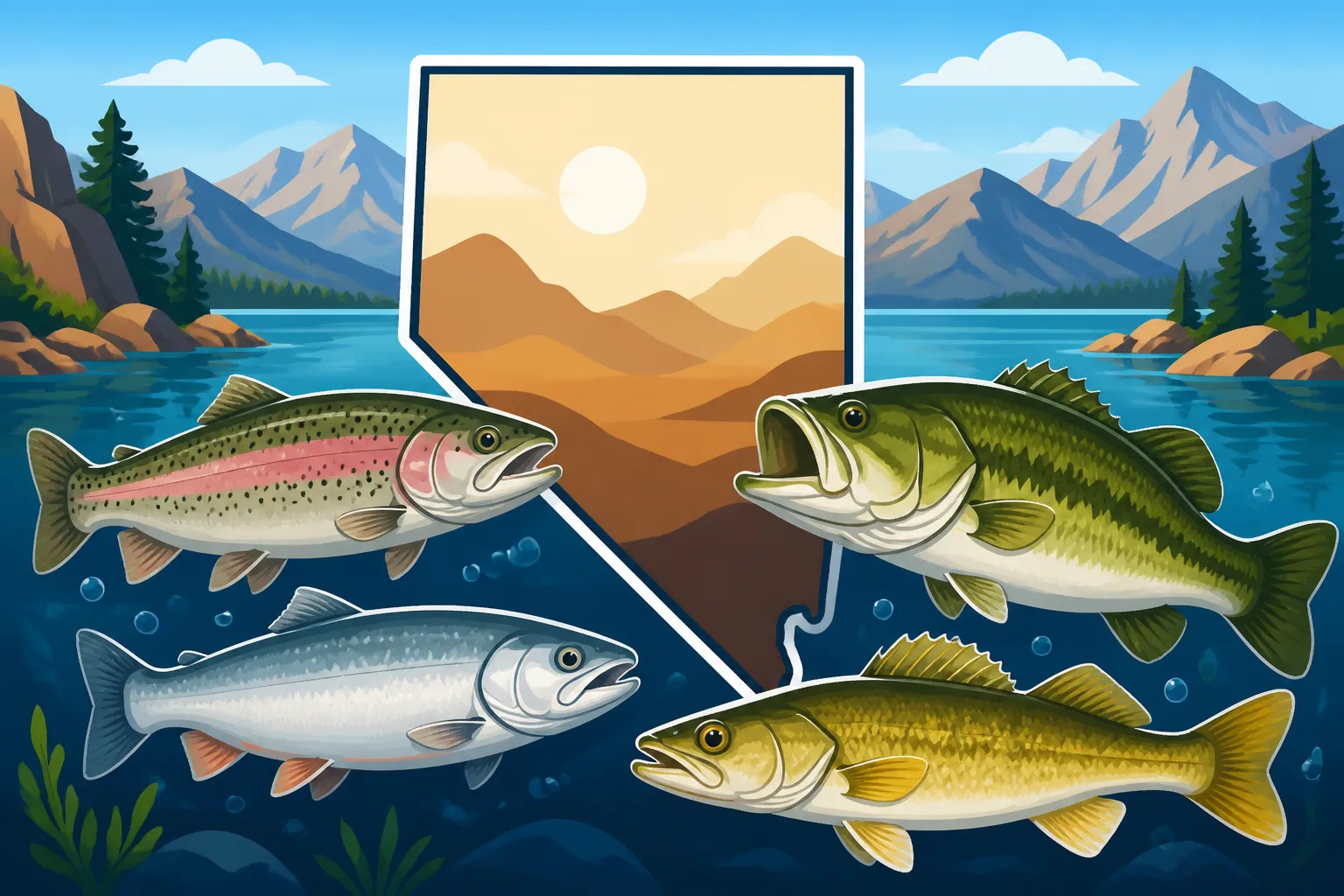
When you talk about fishing in Nevada, certain species immediately come to mind for their popularity and widespread presence. These are the fish that draw anglers from all walks of life, offering diverse challenges and rewarding catches across our unique aquatic environments.
Rainbow Trout
Ah, the rainbow trout – truly the darling of Nevada's coldwater fisheries. These beautiful, hard-fighting fish are by far the most commonly stocked species across the state, ensuring that there are ample opportunities for anglers of all skill levels. From urban ponds in Las Vegas and Reno to the majestic depths of Lake Tahoe and numerous smaller reservoirs and rivers, rainbows are almost everywhere. You'll often find them biting eagerly, making them a fantastic target, especially for families and beginner anglers.
What makes rainbow trout so popular isn't just their abundance, but their willingness to strike a variety of baits and lures. PowerBait, corn, worms, or even small spinners and spoons are usually effective. They thrive in cooler waters, so you'll find them most active during the spring, fall, and winter months in many lower-elevation lakes, and year-round in higher elevation waters. The Nevada Department of Wildlife (NDOW) does an incredible job with its Nevada Trout Stocking Schedule, consistently replenishing ponds and lakes, which means fresh fishing opportunities are always just around the corner.
Targeting rainbows can be as simple as a bobber and bait from shore, or as refined as fly fishing in a clear mountain stream. They're known for their acrobatic jumps and spirited fights, which is why they remain a favorite for so many. If you're looking to get started, a basic spinning rod and reel combo, easily found on platforms like Amazon, will serve you well for chasing these vibrant fish.
Largemouth Bass
For many, the call of the largemouth bass is irresistible, and Nevada answers that call with some fantastic fisheries. These iconic green fish, known for their aggressive strikes and powerful fights, are prolific in our warmer waters, especially in large reservoirs like Lake Mead and Lake Mohave, as well as various urban ponds. When you think of a classic bass fishing experience with lily pads and submerged structure, Nevada's largemouths fit the bill perfectly.
Largemouth bass are ambush predators, often hiding in submerged brush, rock piles, or weed beds, waiting to pounce on unsuspecting prey. This makes fishing for them an exciting game of strategy, requiring anglers to "read" the water and present lures effectively. Spinnerbaits, crankbaits, jigs, and soft plastic worms are all staples in a bass angler's tackle box. Understanding Nevada Bass Daily Limit and Size Rules is crucial, as regulations are often in place to protect these valuable sportfish, especially during their spawning season in the spring.
Catching a trophy largemouth in Nevada is a real possibility, particularly in the vast expanses of Lake Mead, where they can grow to impressive sizes. It’s a challenge that keeps anglers coming back, constantly refining their techniques and exploring new spots. If you're venturing out for largemouth, be prepared with a sturdy rod and a good selection of weedless lures to navigate their favorite hideouts.
Smallmouth Bass
While their largemouth cousins prefer dense cover, smallmouth bass are kings of the rocky shoreline and open water structures. These feisty fish, often called "bronzebacks" for their distinctive coloration, are renowned for their incredible fighting ability, often leaping clear of the water when hooked. In Nevada, they share many of the same waters as largemouths, particularly Lake Mead and Lake Mohave, but you'll find them congregating around rocky points, ledges, and drop-offs.
Smallmouth bass are opportunistic feeders, preying on crayfish, baitfish, and insects. This diverse diet means they can be caught on a wide array of lures, including small crankbaits, jerkbaits, tubes, grubs, and jigs. They tend to be more active in slightly cooler water than largemouths, making spring and fall prime times to target them. The thrill of a smallmouth strike and the ensuing battle is something every angler should experience.
Fishing for smallmouth often involves covering a lot of water, casting to visible structure or using electronics to locate underwater features. They can be found deeper than largemouths, especially during the hotter summer months. Their strong fights, combined with their striking appearance, make them a highly sought-after species among Nevada anglers.
Striped Bass
Now, if you're looking for sheer power and the chance at a truly monstrous fish, then striped bass are your go-to in Nevada. These powerful, schooling predators dominate the open waters of Lake Mead and Lake Mohave, offering an exhilarating angling experience that's unlike anything else in the state. Stripers are known for their voracious appetites and their tendency to chase down baitfish in massive schools, often creating spectacular surface boils that drive anglers into a frenzy.
Striped bass can grow to immense sizes in Nevada, with fish regularly caught in the 10-30 pound range, and even larger trophies always a possibility. They are primarily targeted using heavy artificial lures like spoons, jigs, and topwater plugs, especially during those thrilling surface feeding events. Live bait, like anchovies or shad, can also be incredibly effective, particularly when fish are holding deeper. For more specific intel, check out Lake Mead Striped Bass Hotspots.
Fishing for stripers often involves trolling, casting, or jigging in open water. Many anglers use fish finders to locate the schools of baitfish and the stripers lurking beneath them. The sheer force of a striper hit and the ensuing tug-of-war can be exhausting but incredibly rewarding. Be sure to check Nevada Fishing Regulations Explained as bag limits and size restrictions can apply. For the necessary heavy-duty lures and robust fishing line, a quick search on Amazon will reveal countless options to gear up for these freshwater giants.
Panfish & Catfish: Often Overlooked, Always Fun
While the glamour species like trout and bass get a lot of attention, some of Nevada's most accessible and consistently fun fishing comes from species that are often overlooked. These "bread and butter" fish provide excellent opportunities, especially for beginners and families, and can be found in a wide variety of waters.
Channel Catfish
If you love a good fight and delicious table fare, channel catfish are a fantastic target in Nevada. These whiskered bottom-dwellers are present in many of our reservoirs and urban ponds, particularly those with warmer water temperatures and muddy or silty bottoms. They’re known for their powerful, stubborn fights and their willingness to bite day or night, making them a popular choice for evening or overnight fishing trips.
Channel cats are primarily scavengers, but they'll readily take a variety of baits. Stink baits, cut bait (like pieces of shad or anchovy), chicken livers, and even hot dogs are all excellent choices. They use their sensitive whiskers to locate food, so presenting a scent-heavy bait on the bottom is often key. You can find them in Channel Catfish Fishing in Nevada for more in-depth information. Their consistent biting behavior and strong pulls make them a favorite for many anglers, and they are excellent eating.
Many urban ponds in cities like Las Vegas and Reno are regularly stocked with channel catfish, providing easy access for local anglers. This accessibility, combined with their size potential (they can grow quite large), ensures they remain a staple in Nevada's recreational fisheries. A simple baitcasting setup with a medium-heavy rod and strong line is all you really need to tackle these powerful fish.
Bluegill and Sunfish
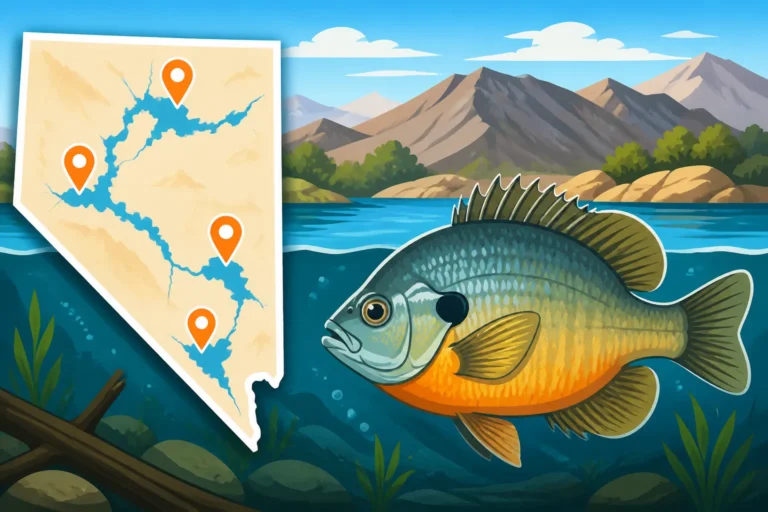
For pure, unadulterated fishing fun, especially with kids, you simply can't beat bluegill and other sunfish species. These small, brightly colored fish are abundant in nearly every warm-water lake, pond, and slow-moving river in Nevada. They are incredibly aggressive for their size and will attack almost any small bait or lure presented to them, providing constant action that keeps younger anglers engaged and excited.
Bluegill, along with other panfish like green sunfish and redear sunfish, are found in prolific numbers. They love to congregate around submerged vegetation, docks, and brush piles, making them easy to locate. A tiny hook, a piece of worm, and a bobber are often all it takes to catch a stringer full of these delightful little fish. They may be small, but they put up a surprisingly spirited fight for their size, and they make for excellent table fare when fried up crispy.
These species are truly the gateway to fishing for countless people, and Nevada’s urban ponds, like those mentioned in Las Vegas Nevada Urban Pond Fishing Guide, are prime locations to introduce someone to the joys of angling. Their sheer numbers and willingness to bite make them a reliable catch, guaranteeing smiles and memories on the water.
Crappie
Crappie, both black and white varieties, are another fantastic panfish species that provide excellent sport and eating quality in Nevada. Known for their delicate mouths (hence the name, often pronounced "croppy"), these fish can be a bit more challenging to catch than bluegill, but their size potential and delicious white meat make them a highly sought-after species. You'll find them primarily in warmer reservoirs and larger ponds, often schooling around submerged timber, brush piles, or bridge pilings.
Crappie are typically targeted with small jigs, minnows, or tiny spinners. They tend to school up, so when you find one, you're likely to find many more. The challenge lies in locating these schools and presenting your bait subtly enough to entice a bite. They are particularly active during their spring spawn when they move into shallower waters, offering fantastic fishing opportunities.
While not as widespread as bluegill, crappie populations can be excellent in certain Nevada waters, providing rewarding fishing for those who take the time to learn their habits. Their preference for vertical structure makes them great targets for boat anglers using fish finders, but they can also be caught from shore near good cover.
Yellow Perch
Another popular panfish, yellow perch, is found in several of Nevada's reservoirs, most notably Wildhorse Reservoir in the northeastern part of the state. These attractive, striped fish are known for their firm, flaky white meat, making them a delicious addition to any angler's cooler. They often school in large numbers, and when you find a school, the action can be fast and furious.
Yellow perch prefer cooler, clear water and are often found near the bottom or around submerged structure like rock piles and weed lines. They readily bite on small minnows, worms, and tiny jigs or spoons. They can be particularly active during the winter months, making them a prime target for ice fishing where conditions allow, such as at Wildhorse Reservoir. For a deeper dive into this fishery, consider Yellow Perch at Wildhorse Reservoir.
Their consistent bite and excellent flavor make yellow perch a favorite among those who target them. While not as universally distributed as bluegill, where they do exist in Nevada, they provide a fantastic fishing opportunity, often complementing other coldwater species in the same lakes.
Unique Nevada Gems: Cutthroat, Mackinaw, and Other Surprises
Nevada also hosts some truly special fish species, some native, some introduced, that offer unique angling experiences. These aren't always the "most common" in sheer numbers across the state, but they represent iconic fisheries and add significant diversity to our waters.
Lahontan Cutthroat Trout
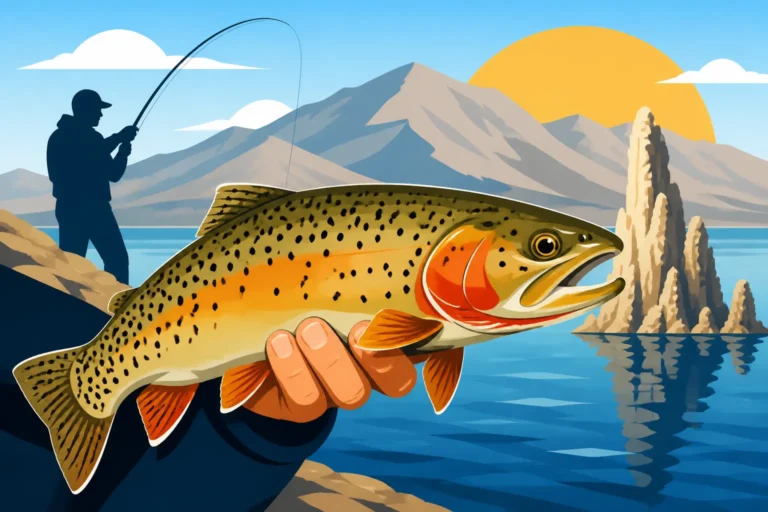
The Lahontan Cutthroat Trout is not just a fish; it's a legend in Nevada. This magnificent, native trout holds a special place in the hearts of Nevada anglers, primarily because it's native to the Great Basin and its largest, most famous fishery is Pyramid Lake. These fish are known for their potential to grow to enormous sizes, earning them the nickname "truckee strain" cutthroat. Catching one of these giants is often a once-in-a-lifetime experience for many.
Fishing for Lahontan Cutthroat at Pyramid Lake requires a specific approach and a special permit (a Pyramid Lake Tribal Fishing Permit is required, distinct from a state license). Anglers often use specialized lures, flies, and techniques, including retrieving large streamer flies or trolling minnow-imitating lures. They are truly an iconic species, and their conservation is a high priority. Learn more about these incredible fish in Lahontan Cutthroat Trout in Nevada.
While these fish aren't found in every Nevada lake, their presence in Pyramid Lake creates a world-class fishery that draws anglers from around the globe. The experience of fishing the unique tufa formations and battling a giant cutthroat is something truly special and a testament to Nevada's rich angling heritage.
Mackinaw Lake Trout
When you talk about the deep, clear waters of Lake Tahoe, one fish species stands out: the Mackinaw, or lake trout. These impressive char are the apex predators of Tahoe's depths, capable of growing to immense sizes and living for many years. Fishing for Mackinaw is a different game altogether, requiring specialized gear and techniques, often involving trolling at significant depths.
Mackinaw are typically found in the colder, deeper parts of Lake Tahoe, and locating them often involves sonar and downriggers to present lures at precise depths. Large spoons, stickbaits, or even live bait like minnows are common offerings. While they don't jump like a rainbow, their sheer size and power make for a formidable fight once hooked. They're a long-lived species, and catching a large Mackinaw is a testament to patience and skill.
Lake Tahoe offers year-round fishing for Mackinaw, and the pursuit of these deepwater giants is a unique challenge. You can find more details on how to target these incredible fish in How to Catch Mackinaw Trout at Lake Tahoe. It's a fishery that truly sets Nevada apart, providing an opportunity to tangle with a freshwater leviathan.
Wiper (Hybrid Bass)
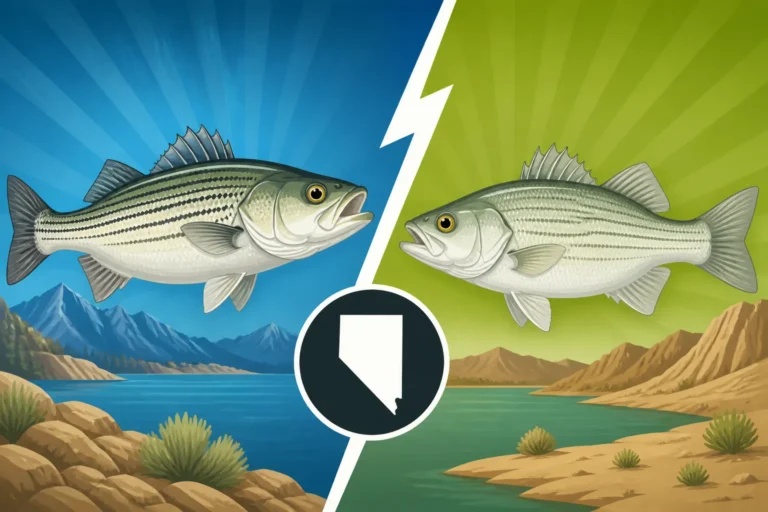
The wiper, also known as a hybrid striped bass, is an exciting and relatively less common catch in some Nevada reservoirs, notably Rye Patch Reservoir. This powerful fish is a cross between a striped bass and a white bass, combining the fighting prowess and schooling behavior of both parents. Wipers grow quickly and fight incredibly hard, making them a thrilling target for anglers.
Wipers typically inhabit open water, often cruising in schools and preying on baitfish. They can be caught using a variety of techniques similar to striped bass, including casting lures like spoons, jigs, and crankbaits, or trolling. Their aggressive nature means they'll often strike with force, providing an exhilarating battle. While not as widespread as pure striped bass, where they are found, they offer a unique and highly rewarding fishing experience.
Their presence adds another layer of diversity to Nevada's fisheries, offering anglers a chance to target a hard-fighting hybrid species. Keep an eye on local stocking reports and fishing forecasts to find the best opportunities to target these formidable fish.
Walleye
While not as prevalent as in some midwestern states, walleye are another exciting, albeit less common, species that anglers can pursue in specific Nevada waters. Rye Patch Reservoir is the primary destination for walleye enthusiasts in the state. These fish are highly prized for their delicious, flaky white meat and their challenging nature. Walleye are known for their keen eyesight and often prefer low light conditions, making dawn, dusk, or even night fishing particularly effective.
Walleye typically inhabit deeper, cooler waters, often found near submerged humps, rock piles, or drop-offs. They are primarily targeted with jigs tipped with live bait (like nightcrawlers or minnows), crankbaits, or by trolling. Their subtle bite can be tricky to detect, requiring a sensitive rod and a focused angler, but the reward of a fresh walleye dinner is well worth the effort.
Though a niche fishery in Nevada, the opportunity to catch walleye at Rye Patch Reservoir provides a unique experience for those looking to expand their angling horizons. If you're keen on chasing these tasty predators, researching specific spots and techniques for Rye Patch will be key to your success.
Comparing Nevada's Most Common Fish Species
To give you a quick overview of what to expect, here's a table summarizing some of the most common fish species in Nevada, their typical habitats, and general bait/lure preferences. This isn't exhaustive, of course, but it should give you a good starting point for planning your next trip!
| Species | Primary Habitat (Nevada) | Typical Size Range | Common Baits/Lures | Notable Characteristics |
|---|---|---|---|---|
| Rainbow Trout | Most lakes, rivers, urban ponds | 10-20 inches | PowerBait, worms, corn, spinners, flies | Stocked widely, excellent fight, distinct pink stripe |
| Largemouth Bass | Lake Mead, Lake Mohave, warm ponds | 1-5 pounds (trophies larger) | Jigs, crankbaits, soft plastics, spinnerbaits | Greenish, large mouth, prefers heavy cover, aggressive fighter |
| Smallmouth Bass | Lake Mead, Lake Mohave, rocky areas | 1-3 pounds (trophies larger) | Jigs, tubes, grubs, small crankbaits | Bronzed color, smaller mouth, loves rocky structure, strong fighter |
| Striped Bass | Lake Mead, Lake Mohave | 5-20 pounds (trophies much larger) | Spoons, jigs, topwater, anchovies, shad | Silver, distinct stripes, schooling, powerful open-water predator |
| Channel Catfish | Lake Mead, Lake Mohave, urban ponds | 2-10 pounds (trophies larger) | Stink bait, cut bait, chicken liver | Whiskers, fork tail, strong pull, excellent eating |
| Bluegill/Sunfish | Most warm lakes, ponds, slow rivers | 4-8 inches | Worms, crickets, small jigs | Colorful, pan-sized, abundant, great for kids |
| Crappie | Warm reservoirs, larger ponds | 8-14 inches | Minnows, small jigs, tiny spinners | Silvery, delicate mouth, schooling, delicious meat |
| Yellow Perch | Wildhorse Reservoir, other cool lakes | 6-12 inches | Minnows, worms, small jigs, spoons | Vertical stripes, good eating, often school |
| Lahontan Cutthroat Trout | Pyramid Lake | 18-30+ inches (trophies huge) | Streamers, large spoons, trolling lures | Native, large spots, often massive, iconic Nevada fish |
| Mackinaw (Lake Trout) | Lake Tahoe | 5-25 pounds (trophies much larger) | Large spoons, stickbaits, trolling setups | Deepwater predator, dark, light spots, powerful fight |
Preparing for Your Nevada Fishing Adventure
No matter which species you decide to target, being prepared is key to a successful and enjoyable fishing trip in Nevada. Our climate can be challenging, with intense sun and dramatic temperature swings, so proper gear isn't just a suggestion, it's a necessity. Think about sun protection like wide-brimmed hats, polarized sunglasses (there are many great options on Amazon for spotting fish in clear water), and plenty of water.
Beyond personal comfort, understanding the specific regulations for the water body you're visiting is absolutely critical. Nevada Fishing License Guide is your first stop, as a valid license is required for nearly all fishing activities. Always check regional specific rules, especially for unique places like Pyramid Lake or the Lake Tahoe portion that straddles the California border.
Nevada offers a rich tapestry of fishing opportunities, from the smallest panfish in an urban pond to the truly gargantuan Lahontan cutthroat and striped bass. Each species presents its own unique challenge and reward, ensuring that every trip to the water can be a new adventure. So, grab your gear, understand the rules, and get ready to discover the incredible aquatic life hidden beneath Nevada's shimmering surfaces!
Disclaimer
This article is for general informational purposes only and does not constitute professional advice. Laws, prices and regulations vary by location and change over time. Consult a qualified professional for guidance on your specific situation.