How to identify a channel catfish
There's nothing quite like the thrill of feeling a strong tug on your line, especially when you're fishing in Nevada's diverse waters. But when that fish finally breaks the surface, how can you be absolutely sure what you've caught? Confidently identifying your catch, especially distinguishing between different species of catfish, is crucial for adhering to regulations and simply for your own knowledge. This guide will walk you through the tell-tale signs to accurately identify a channel catfish, ensuring you can celebrate your catch with certainty.
What Makes a Channel Catfish Stand Out?
Channel catfish are one of Nevada's most popular sportfish, known for their strong fight and delicious meat. While many anglers might recognize a "catfish" by its whiskers, truly identifying a channel catfish requires a closer look at a few distinct characteristics that set them apart from their whiskered cousins.
Overall Body Shape and Coloration
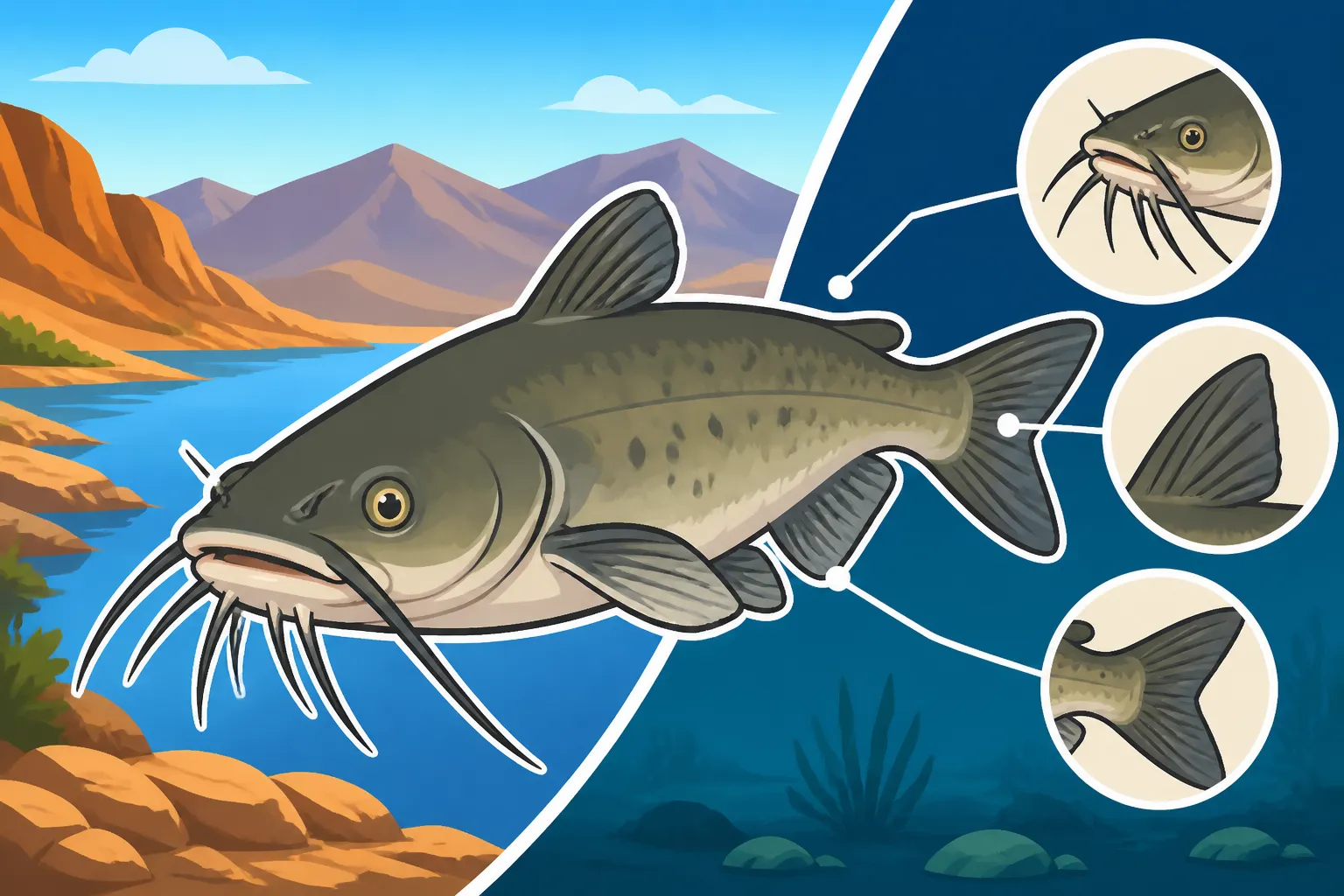
When you pull a channel catfish out of the water, the first thing you'll likely notice is its sleek, torpedo-like body. Unlike some other catfish species that can be stockier or flatter, the channel catfish has a notably slender, elongated body. This hydrodynamic shape allows them to be agile and swift in the water, which definitely contributes to their reputation as a great fighting fish. Their dorsal side (back) is typically olive-green to slate-gray, fading into silvery sides, and a white or cream-colored belly.
The color can vary quite a bit depending on the water clarity and type of bottom they're living in. For instance, a channel catfish from a muddy, nutrient-rich pond might appear darker and more muted in color, while one from a clearer reservoir might have more pronounced silver tones. It's a bit like us getting a tan! What really often sets them apart, especially younger or medium-sized fish, are the small, dark spots scattered along their sides. These spots are a classic identifier for channel catfish, though older, larger specimens sometimes lose these spots or they become much less distinct. If you're looking for gear to land these beauties, a quick search on Amazon for catfish nets and sturdy fishing rods can set you up for success.
The Unique Forked Tail
One of the most defining and unmistakable characteristics of a channel catfish, and arguably the easiest to spot, is its deeply forked tail, or caudal fin. This isn't just a slight indentation; it's a prominent, V-shaped split that makes their tail look almost like two distinct lobes. This is a crucial identifier because it immediately differentiates them from the bullhead catfish species that also inhabit Nevada's waters, which have tails that are either straight or only slightly notched.
Imagine you're out fishing Lake Mead Nevada Fishing Guide and you hook into something big. As you reel it in, if you see that powerful, deeply cleft tail splashing at the surface, you've almost certainly got a channel cat. This forked tail is built for speed and power, helping them navigate swiftly through open water and put up a formidable fight when hooked. It’s their equivalent of a sports car spoiler – designed for performance!
Key Physical Identification Features
Beyond the general body shape and that iconic forked tail, there are several other detailed physical features that will help you solidify your channel catfish identification. Pay close attention to these nuances, as they are often the key to distinguishing them from other similar species.
Whisker Barbel Count and Placement
All catfish have whiskers, or barbels, which they use as sensory organs to navigate and find food in murky waters. Channel catfish are no exception, but the number and placement of their barbels are quite specific. They typically have eight barbels in total: two long barbels extending from the corner of their mouth, two smaller ones on their chin, and four barbels on their snout, just above the mouth.
These barbels are not only impressive to look at, but they are incredibly sensitive, helping the catfish detect prey through taste and touch, even in low light or turbid conditions. You might notice them twitching and probing the bottom as the fish moves. While other catfish species also have barbels, their arrangement and size can differ. For instance, bullheads often have shorter, stouter barbels. If you're ever in doubt, count those whiskers! Understanding Channel Catfish Habitat in Nevada Reservoirs often means understanding how they use these sensory organs to thrive.
Fin Characteristics
The fins of a channel catfish also offer valuable clues. They have a single dorsal fin on their back, which is relatively tall and triangular, and typically contains a sharp, serrated spine at the front. This spine can deliver a painful poke if you're not careful when handling the fish, so always be mindful! Below the dorsal fin, further back on the body, they have an adipose fin—a small, fleshy, rayless fin that is characteristic of many salmonid and catfish species.
Their pectoral fins, located just behind the gills, also possess a strong, sharp spine on their leading edge. The pelvic fins are located on their belly, further back, and the anal fin is long, running along the underside of the fish from near the vent to the base of the tail. The anal fin of a channel catfish is particularly long and rounded, usually having 24 to 29 rays. This is another excellent differentiating feature, as bullheads have a shorter, more rounded anal fin with fewer rays.
Skin and Spotting
The skin of a channel catfish is smooth and scaleless, typical of all catfish. This slick, almost rubbery feel is distinct from scaled fish like bass or trout. As mentioned earlier, the presence of dark spots on their sides is a very strong indicator, especially in younger and medium-sized channel catfish. These spots are irregular in shape and distribution, almost like freckles.
However, it's important to remember that these spots can fade significantly or even disappear entirely as the fish ages and grows larger. A truly massive, old channel catfish might have a uniform dark gray or olive coloration without any discernible spots. So, while spots are a great first sign, their absence doesn't automatically mean it's not a channel catfish if other characteristics, particularly the forked tail, are present. You can find many guides and detailed species charts on Amazon that illustrate these variations if you're looking for more visual references.
Distinguishing Channel Catfish from Other Nevada Catfish
Nevada waters are home to a few different types of catfish, and sometimes it can be tricky to tell them apart, especially if you're not used to seeing them regularly. The most common confusion arises between channel catfish and bullhead catfish.
Channel Catfish vs. Bullhead Catfish
This is where the rubber meets the road for catfish identification in Nevada. Bullhead catfish (like black, brown, and yellow bullheads) are widely distributed, particularly in ponds, slow-moving rivers, and shallower reservoir areas. They are often caught by anglers targeting catfish, and beginners might easily confuse them with channel catfish.
Here’s a clear breakdown to help you tell them apart:
| Feature | Channel Catfish | Bullhead Catfish |
|---|---|---|
| Tail Fin | Deeply forked (V-shaped) | Straight or slightly notched (not forked) |
| Body Shape | Sleek, elongated, torpedo-like | Stockier, chunkier, more rounded body |
| Spots | Small, dark spots on sides (especially younger) | Generally no spots, uniform coloration |
| Color | Olive-green to slate-gray back, silvery sides | Brown, black, or yellowish-brown all over |
| Anal Fin Rays | Long, rounded, 24-29 rays | Shorter, more rounded, 17-24 rays |
| Head Shape | Relatively narrow head | Wider, flatter head |
You can see that the tail fin is the absolute easiest and most reliable differentiator. If it's deeply forked, it's a channel cat. If it's straight or only slightly curved, it's a bullhead. Understanding Nevada Fish Species Guide will help you grasp the differences even better. When you're fishing urban ponds in places like Las Vegas, which are often stocked, you're likely to encounter both, so knowing these differences is key for proper identification and compliance with Nevada Statewide Bag Limits Explained.
Channel Catfish vs. Flathead Catfish
While flathead catfish are much less common in Nevada than channel catfish or bullheads, they do exist in certain parts of the Colorado River system. They are a much larger, more predatory species, and while they share the "catfish" name, they look quite different from channel cats.
Flatheads have a distinctively flattened head (hence the name!) with small eyes. Their body is generally mottled brown and yellow, offering excellent camouflage against rocky bottoms and submerged timber. Most significantly, their tail is either straight or very slightly notched, not deeply forked like a channel catfish. Their lower jaw also protrudes beyond the upper jaw, giving them a grumpy, undershot look. If you ever hook into one of these giants, you'll know it by its massive, flat head and unique coloration, even before you see its non-forked tail. They prefer deep, slow-moving water with plenty of cover, which differs from where you might typically find a channel catfish.
Habitat and Behavior Clues
Knowing where and how channel catfish typically behave in Nevada's waters can also greatly assist in their identification. Their preferred environments and feeding habits are distinct and can give you a strong hint about what's on the end of your line before you even see it.
Preferred Nevada Waters and Structure
Channel catfish are incredibly adaptable, which is why they are so widespread and successful in Nevada. You can find them in large reservoirs like Lake Mead and Lake Mohave, smaller state park lakes, and even many of the urban ponds in places like Las Vegas and Reno. They thrive in waters that have a good mix of open areas, submerged structure like brush piles or rock formations, and softer, muddy bottoms where they can probe for food.
They often prefer areas with a moderate current, or at least some water movement that helps oxygenate the water and bring food to them. In larger reservoirs, they tend to hang out in deeper channels, humps, and points, especially during the day. As the sun sets, they often move into shallower flats and coves to feed. This preference for structure and depth is why understanding features like underwater contours or old riverbeds is so helpful when you're targeting them. For example, if you're fishing at Best lake for a family fishing trip in southern Nevada and you're casting near a submerged creek bed, your chances of hooking a channel cat are much higher.
Feeding Habits and Activity Times
Channel catfish are opportunistic omnivores, meaning they'll eat just about anything they can get their mouths around! Their diet includes insects, crustaceans, smaller fish, and even plant matter or decaying organic material. This is why a wide variety of baits work so well for them, from chicken livers and cut bait to stink baits and even hot dogs. If you're wondering Best bait for channel catfish at night, many anglers swear by a smelly, natural bait.
They are most active during low-light conditions, particularly from dusk through dawn, and often into the early morning hours, especially during the warmer months. This is when they move into shallower feeding grounds, using their keen sense of smell and those sensitive barbels to find food. During the heat of a Nevada summer day, they often retreat to deeper, cooler waters, becoming less active. However, a cloudy day or a sudden rain shower can sometimes spur them into feeding activity even in daylight. So, if you're fishing Nevada fishing hours before sunrise and after sunset and getting bites, it's a good bet you're on to some channel catfish. Learning How to rig a bait for catfish in a reservoir effectively will definitely increase your chances.
Being able to correctly identify a channel catfish not only makes you a more knowledgeable angler but also ensures you're following all the local fishing regulations. Next time you're out on the water, take a moment to observe your catch closely. That distinctive forked tail, those whiskered jaws, and perhaps a scattering of spots will tell you you've got yourself a classic Nevada channel cat! If you need to stock up on new fishing lines or specific catfish hooks, Amazon is a great place to browse for reliable brands and diverse options. And remember, a valid fishing license is required for most waters; checking out Do you need a license to fish from a dock in Las Vegas? or similar resources will keep you legal.
Disclaimer
This article is for general informational purposes only and does not constitute professional advice. Laws, prices and regulations vary by location and change over time. Consult a qualified professional for guidance on your specific situation.