Channel Catfish Habitat in Nevada Reservoirs
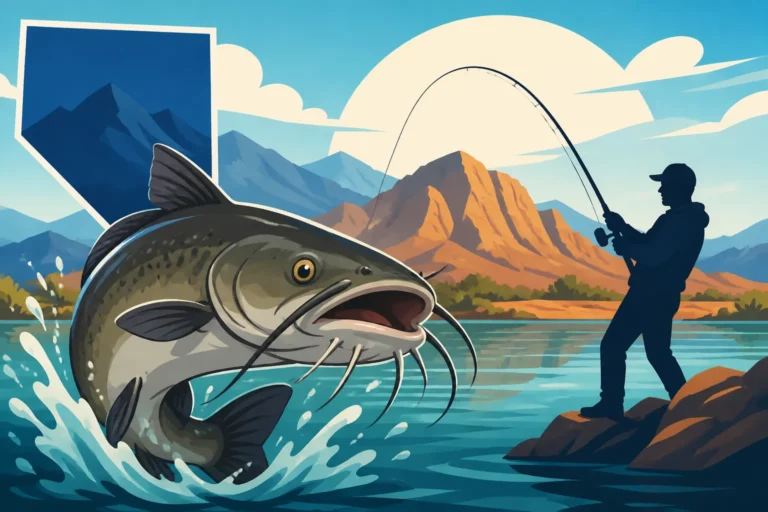
Many anglers hitting Nevada's vast reservoirs often find themselves staring at an endless expanse of water, wondering where on earth the channel catfish could be hiding. It's a common frustration, especially when these bottom-dwelling beauties seem to vanish into thin air. The truth is, channel catfish aren't just randomly distributed; they have very specific habitat preferences that, once understood, can dramatically increase your chances of a successful and rewarding fishing trip. This comprehensive guide will illuminate the favorite haunts of channel catfish within Nevada's unique reservoir environments, helping you uncover their secrets.
Understanding Channel Catfish Behavior in Nevada Reservoirs
To consistently catch channel catfish in Nevada's diverse reservoirs, it's essential to first understand their fundamental behaviors. These fish aren't just aimlessly cruising; they follow distinct patterns driven by instinct, feeding opportunities, and environmental conditions. Knowing their natural tendencies is like having a secret map to their hideouts, making your fishing efforts far more targeted and productive. It moves beyond just hoping for a bite to strategically placing your bait where they are most likely to be.
Nocturnal Nature and Feeding Habits
One of the most defining characteristics of channel catfish is their pronounced nocturnal activity. While you might snag one or two during daylight hours, particularly in stained or turbid waters, these fish truly come alive as dusk settles and darkness blankets the water. Their highly developed senses of smell and touch, aided by their prominent barbels (whiskers), allow them to navigate and forage efficiently in low-light conditions. This makes them formidable hunters even when visibility is poor, rooting out food that other species might overlook. They are incredibly opportunistic eaters, consuming a wide array of items from aquatic insects, crayfish, and smaller fish to decaying organic matter and even plant material. This diverse palate is precisely why "stinky" baits often prove so irresistible.
During the brighter parts of the day, channel cats typically retreat to deeper, cooler, and more secluded areas. This conserves their energy and offers refuge from intense sunlight, which they generally avoid. As the evening approaches and water temperatures begin to stabilize or even drop slightly, they initiate a migration towards shallower feeding grounds. This often involves moving from deep channels or submerged structures onto flats, points, or into coves where an abundance of baitfish and other food sources are more readily available. Timing your fishing efforts to coincide with these daily migrations, especially if you're fishing from the bank, is a critical component of successful channel catfishing.
Social Behavior and Schooling Tendencies
Channel catfish exhibit a generally social disposition, especially when they are younger or of moderate size. It's not uncommon to find them congregated in groups, sometimes forming considerable schools, particularly during prime feeding periods or in areas rich with both food and suitable cover. This schooling behavior is a significant advantage for anglers: if you manage to hook one channel cat, there's a strong likelihood that many more are lurking nearby. It's like finding a buffet where all their friends are also dining. This tendency typically diminishes as catfish grow larger and older, with truly trophy-sized individuals often adopting more solitary and territorial behaviors.
These groups tend to hold in specific parts of the reservoir that perfectly blend shelter, forage, and comfortable water conditions. For instance, a school might hold along a submerged river channel during the day, then collectively move onto an adjacent shallow flat at night to forage. As you're out on the water, pay close attention to any areas where you consistently get bites, even if they're subtle. This could be a strong indicator that you've located a school. Don't hesitate to deploy multiple lines in the same general vicinity once you detect activity; you might just hit the jackpot. For more advanced strategies on capitalizing on this behavior, check out Channel Catfish Fishing in Nevada.
Key Habitat Features in Nevada Reservoirs
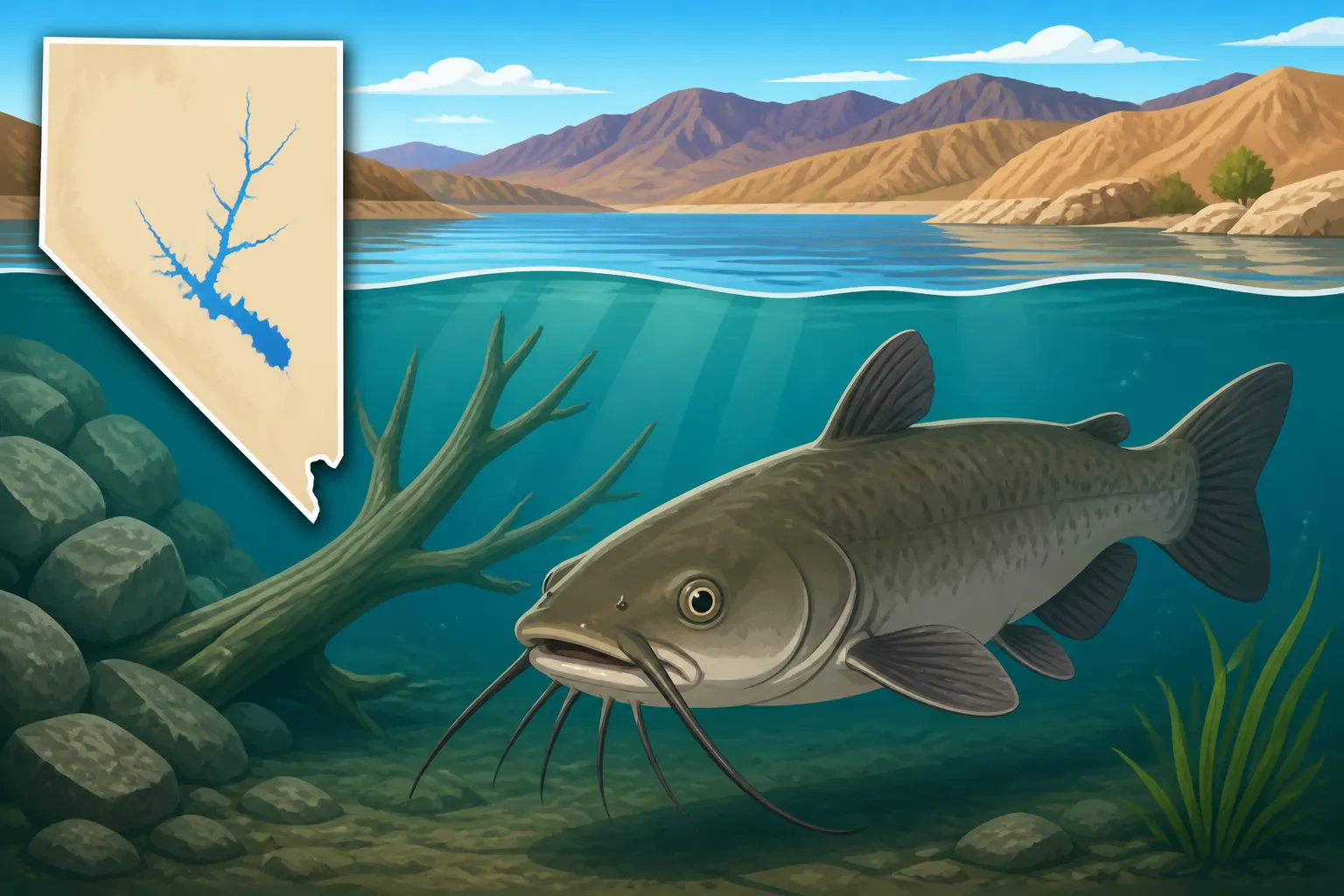
Nevada's reservoirs, ranging from the vast expanse of Lake Mead to numerous smaller, often remote impoundments, each present distinct environments for channel catfish. Despite their individual characteristics, channel cats consistently seek out specific features that provide comfort, security, and a dependable food supply. It all boils down to the right combination of structure, cover, and a suitable depth where they feel most at home. Understanding these key elements can transform a frustrating, fishless day into a memorable angling experience.
Bottom Structure and Substrate Preferences
Being primarily bottom dwellers, the topography and composition of the reservoir floor are critical factors for channel catfish. They exhibit a strong preference for softer substrates such as muddy, silty, or sandy bottoms, where they can easily root and scavenge for food. These softer areas are often teeming with aquatic insects, worms, and small invertebrates, which constitute a significant portion of their diet. Conversely, you'll rarely find them holding over hard, rocky, or clean gravel bottoms unless there's an abundance of protective cover or deep channels in close proximity.
When studying your fishing maps or scouting a new location, prioritize areas where old creek beds, river channels, or natural depressions existed before the reservoir was impounded. These submerged features function as vital pathways and holding areas for catfish, providing routes for movement and offering access to deeper, cooler water during the day. Points and humps that slope down into these channels are also prime real estate, as they offer both shallow-water feeding access and quick escape routes to deeper sanctuaries. If you're using a fish finder, mastering the art of interpreting bottom hardness changes and contour variations will be incredibly advantageous in pinpointing these high-probability areas.
Cover and Ambush Points
Like almost all fish species, channel catfish greatly appreciate good cover. It serves multiple purposes: offering protection from potential predators (though adult catfish have few), providing shade from Nevada's intense sun, and creating ideal ambush points for unsuspecting prey. In reservoir environments, this cover can manifest in various forms, encompassing both natural and man-made elements. Submerged timber, dense brush piles, clusters of rocks, old building foundations, and even artificial fish attractors are all prime locations to search for these fish. These structures effectively disrupt water currents, offer shelter, and frequently concentrate baitfish, making them irresistible magnets for hungry channel cats.
When targeting these cover-rich areas, visualize how catfish might position themselves. They often linger on the downstream side of a submerged log, away from the direct current, or nestle deep within a dense brush pile, waiting for food to drift by. Many dedicated anglers proactively create their own brush piles by sinking old Christmas trees or bundles of branches, thereby enhancing habitat. You can even find commercially produced fish habitat structures on platforms like Amazon that effectively mimic natural cover, though you'll need to ensure compliance with local regulations regarding their deployment. Fishing these snag-prone zones demands a degree of patience and often requires heavier tackle to minimize gear loss, but the potential rewards are frequently well worth the effort.
Depth and Water Temperature Zones
While channel catfish are remarkably adaptable and can tolerate a broad spectrum of water temperatures, their comfort zone typically lies within stable, moderate conditions. During Nevada's scorching summers, this instinct compels them to seek out deeper, cooler water during the brightest and hottest parts of the day. They may not necessarily be in the absolute deepest part of the reservoir, but rather at a comfortable depth where the temperature is consistent and falls within their preferred range, often associated with the thermocline. As morning transitions into evening, and surface temperatures begin to cool, they will readily venture into shallower waters to feed.
The optimal depth for finding channel catfish will fluctuate considerably based on the time of year, time of day, and the specific characteristics of each reservoir. In a deeper body of water like Lake Mohave, you might find them holding at 20-40 feet during midday in summer. Conversely, in a shallower urban pond, they might only need 8-15 feet of depth to feel secure and comfortable. During the cooler months or on overcast days, they may remain in shallower water for extended periods. Developing an understanding of these depth preferences, often gained through direct experience on particular bodies of water, is fundamental to consistent success. Consulting resources like Nevada Fishing Season Dates and Limits can provide broader context for predicting these seasonal depth changes.
Seasonal Movements and Preferred Locations
Channel catfish, much like many other freshwater species, do not maintain static locations throughout the year. Their movements are profoundly influenced by the changing seasons, primarily dictated by fluctuations in water temperature, their spawning cycles, and the availability of food sources. Successfully targeting them in Nevada's dynamic reservoir environments necessitates a keen awareness of these seasonal shifts and the flexibility to adapt your fishing strategies accordingly. What proves effective in the spring will likely be unproductive in the peak of summer, and vice-versa.
Spring Spawning and Shallow Water Attraction
As winter's chill recedes (if applicable) and reservoir water temperatures gradually climb into the 60-70 degree Fahrenheit range from late spring into early summer, channel catfish initiate their annual spawning rituals. This period is a prime opportunity for anglers, as it draws a significant number of fish into more accessible, shallower areas. They actively seek out secluded, protected locations with firm bottoms and ample cover for nesting. This often includes hollow logs, rock crevices, undercut banks, or even man-made structures like old pipes or discarded tires. Their preference is for dark, hidden spots where their eggs can be safely deposited and guarded.
During this critical pre-spawn and spawning phase, catfish are frequently highly concentrated, making them considerably easier to locate. They become notably more aggressive, both in defending their precious nests and in feeding vigorously to replenish their energy reserves. Focus your fishing efforts in the tranquil back coves, sheltered bays, and along shorelines featuring submerged structure or rocky outcrops. While they may be in shallower water, they still appreciate proximity to slightly deeper water for security. Anglers should always bear in mind that while fishing during the spawn can be incredibly productive, ethical considerations, especially regarding catch and release practices for breeding fish, are paramount for sustaining healthy populations.
Summer Deep Water Patterns
Once the spawning season concludes and the intense Nevada summer sun truly begins to bake the landscape, reservoir water temperatures, particularly in shallower zones, can become excessively high. This environmental pressure drives channel catfish into deeper, cooler sections of the lake during the daylight hours. They will typically gravitate towards the deepest available water within a given area, such as main lake channels, prominent humps, or the base of steep points. However, their quest isn't solely for depth; they're also actively seeking out structure within that deeper water—think submerged timber, rock piles, or distinct ledges that offer a strategic vantage point or ambush opportunity.
As previously noted, their nocturnal habits become even more pronounced under the summer sun. While they might comfortably hold in 20-50 feet of water throughout the day, they will commonly undertake a vertical migration towards shallower flats and points during the low-light periods of dawn, dusk, and throughout the night to actively feed. Night fishing for channel catfish in Nevada reservoirs during summer can be exceptionally productive, providing relief from the oppressive heat and accessing actively feeding fish. Just ensure you are adequately equipped with proper lighting and essential safety gear if you plan to be on the water after dark.
Fall Migration and Feeding Frenzies
As the relentless summer heat gradually recedes and gives way to the crisper temperatures of autumn, reservoir waters begin to cool, reigniting the activity levels of channel catfish. This fall period is often characterized by what many anglers describe as a "feeding frenzy," as the fish voraciously consume food to build up crucial fat reserves in preparation for the upcoming winter. Their movements become less constrained by extreme depths, and they can be found across a broader range of the water column, though still typically relating to significant structure.
During the fall, baitfish populations are also highly active and often schooling, which naturally attracts predatory fish, including channel catfish. Concentrate your efforts on areas where baitfish are abundant, such as main lake points, coves with decaying vegetation, or creek channels that lead directly into the main body of the reservoir. The catfish will generally be found shallower than in summer, but often deeper than during the spawn, actively pursuing these baitfish schools. This is an excellent time for both day and night fishing, frequently offering some of the most consistent action of the entire year.
Winter Slowdown and Holding Areas
Winter fishing for channel catfish in Nevada reservoirs, while more challenging, is certainly not impossible. As water temperatures plummet into the 40s (Fahrenheit), their metabolism slows dramatically, and their activity levels significantly decrease. You won't typically find them cruising shallow flats; instead, they retreat to the deepest, most thermally stable water they can locate, often congregating in large, lethargic schools. Look for them in the deepest parts of old river channels, at the base of the dam structure, or within large, deep holes that offer consistent temperatures.
During this period, their feeding activity is minimal and sporadic. Success requires presenting baits directly to them and exercising extreme patience for a bite. Scent becomes paramount in winter, as their primary means of detecting food relies heavily on their olfactory senses rather than sight. A slow, subtle, and often stationary bait presentation is absolutely key. While not as thrilling as a summer night bite, landing a large winter cat is a testament to perseverance and a deep understanding of their cold-weather behavior. In some areas, like the vast expanse of Lake Mead, extreme winter conditions are less common, allowing for more consistent year-round fishing, but the general principles of deeper, slower activity still apply. Understanding the general Nevada Fishing Season Dates and Limits can help set expectations for this colder period.
Reading the Water: Finding Catfish Hotspots
Successfully locating channel catfish in the expansive environments of Nevada's reservoirs is less a matter of pure luck and more about astute observation and the ability to interpret the subtle clues the water provides. You need to approach it like a detective, meticulously searching for environmental indicators, thoroughly understanding topographical maps, and paying close attention to where other successful anglers are focusing their efforts. The water itself, along with the teeming life both within and around it, will often reveal precisely where the channel catfish prefer to hide.
Identifying Inflows and Outflows
Inflows and outflows act as veritable magnets for channel catfish, especially following rainfall or during periods of increased water movement. An inflow, such as a creek or river feeding into the reservoir, offers several significant advantages: it introduces fresh, often cooler, and oxygenated water; it washes in an abundance of natural food sources like insects, worms, and various debris; and it creates current breaks where catfish can comfortably ambush prey without expending excessive energy. The mouths of these inflows, along with points or ledges just inside, are consistently prime targets.
Conversely, outflows (like a dam or spillway) also generate current and turbulence that can effectively concentrate baitfish and dislodge food particles. While fishing directly at a dam might be restricted due to safety or regulatory concerns, the areas immediately downstream or within the eddies created by the outflow can be exceptionally productive. The sheer movement of water itself creates a dynamic environment that channel catfish are instinctively drawn to, making these areas excellent spots to cast a line. Always consult local regulations, as areas near dams or spillways frequently have specific fishing restrictions you need to be aware of.
Locating Natural and Man-Made Structures
Beyond the obvious attractions of creek channels and inflows, other types of structure are equally, if not more, critical for locating channel catfish. When examining a topographical map, actively seek out prominent points that extend significantly into the lake, submerged humps or underwater islands, and abrupt steep drop-offs or ledges. These geological features often serve to concentrate baitfish and provide superb ambush positions for catfish. Points, in particular, function as natural funnels, directing cruising fish and offering convenient access to both shallow and deep water zones.
Man-made structures are often just as, if not more, important in many reservoirs. These can encompass old roadbeds, the submerged foundations of buildings, bridge pilings, or even the remnants of old towns or farms that were inundated when the reservoir was created. Such structures provide complex cover and intricate habitat that channel catfish absolutely adore. Modern sonar and advanced mapping technology, readily available on devices you can procure through retailers like Amazon, can be an invaluable asset for pinpointing these hidden gems beneath the surface. Developing the skill to interpret your electronics—identifying hard and soft bottom transitions and pinpointing submerged cover—is a game-changer for any serious reservoir catfisherman.
Observing Wildlife and Baitfish Activity
Sometimes, the most reliable clues for finding channel catfish aren't found on a sophisticated map or a high-tech fish finder, but rather by simply observing the natural world around you. Pay meticulous attention to other forms of wildlife: herons gracefully wading in shallow water, cormorants repeatedly diving, or even seagulls congregating and feeding can all indicate the presence of baitfish. And where there are abundant baitfish, predatory fish like channel catfish are almost certainly not far behind. A sudden flurry of activity on the water's surface could signify schooling baitfish being aggressively pushed up from below, potentially by ravenous striped bass or actively feeding catfish themselves.
Furthermore, do not overlook the straightforward signs of baitfish themselves. Gentle ripples on an otherwise calm surface, small minnows jumping, or simply observing them schooled up near a dock or shoreline are all clear indicators of a healthy food chain in action. Channel catfish will often follow these baitfish movements, especially during low-light conditions when they are most actively feeding. While you might not directly see the catfish, knowing the whereabouts of their primary food source can often lead you directly to them. This type of keen observation is particularly effective when Nevada Striped Bass Seasonal Patterns overlap with catfish feeding behaviors.
Gear and Tactics for Reservoir Catfish in Nevada
Having explored where channel catfish reside and how they behave, it's time to delve into the practical aspects of catching them. Successfully fishing for channel catfish in Nevada's reservoirs demands a combination of robust gear, the selection of appropriate baits, and an understanding of specific presentation methods that cater to their bottom-dwelling habits and their exceptionally strong sense of smell.
Rod, Reel, and Line for Tough Fights
Channel catfish possess the capability to grow quite large and are known for their surprisingly tenacious fights, especially in the expansive open waters of a reservoir. For this reason, you'll want to arm yourself with a medium-heavy to heavy action spinning or baitcasting rod, typically ranging from 7 to 9 feet in length. This length provides excellent casting distance and the necessary leverage to control larger fish. While a sensitive tip is beneficial for detecting subtle bites, ample backbone is absolutely essential for muscling in bigger fish, particularly if they're near deep cover. Pair this rod with a robust spinning reel or a sturdy baitcasting reel equipped with a highly reliable drag system. Many reputable brands offer excellent catfish-specific reels designed to withstand the abuse of hard-fighting fish.
Regarding fishing line, monofilament in the 15-30 pound test range remains a popular choice due to its shock absorption properties and good abrasion resistance, which is crucial when fishing around submerged snags. However, an increasing number of anglers are opting for braided line of similar breaking strength (e.g., 30-50 pound test) for its incredible sensitivity and virtually no stretch. This enhanced feel greatly aids in detecting light bites at extended distances or in deeper water. If you choose braid, incorporating a fluorocarbon or monofilament leader of about 2-3 feet can improve stealth and further enhance abrasion resistance. Always remember, when fishing around brush piles and heavy cover, heavier line is your best friend to prevent frustrating break-offs.
Best Baits and Rigs for Reservoir Bottom Fishing
When it comes to selecting bait for channel catfish, the adage "the stinkier, the better" often holds true. Their extraordinary sense of smell means that highly aromatic baits are consistently effective. Time-tested and popular choices include various forms of cut bait (especially oily fish such as shad, mackerel, or even smaller bluegill caught from the same reservoir), chicken liver, raw shrimp, and a wide array of commercial stink baits, which are available in dough, dip, or punch forms. Many seasoned anglers swear by their own secret homemade concoctions, but the underlying principle remains the same: a powerful, appealing odor that can attract catfish from a distance.
For rigging your bait, a simple Carolina rig or a three-way swivel rig are two of the most widely used and effective setups for targeting catfish on the reservoir bottom. The Carolina rig typically features an egg sinker (ranging from 1/2 oz to 2 oz or more, depending on current and depth) placed above a swivel, followed by a fluorocarbon leader (typically 12-24 inches in length) and a sturdy circle or J-hook (sizes 2/0 to 6/0 are common). This rig allows the bait to flutter or drift naturally near the bottom while the weight keeps it in the desired zone. The three-way swivel rig is particularly excellent for stronger currents or when your goal is to suspend the bait just slightly off the reservoir floor. You can find more detailed advice on bait selection in Best Bait for Channel Catfish at Night.
| Bait Type | Key Characteristics | Best for… | Pros | Cons |
|---|---|---|---|---|
| Cut Bait | Oily, strong scent, natural food source | Larger catfish, all seasons | Highly effective, attracts big fish | Can be messy, requires fresh bait |
| Chicken Liver | Very strong scent, soft texture | All sizes of catfish, easy to obtain | Very attractive, inexpensive | Falls off hook easily, smaller fish can steal it |
| Prepared Stink Baits | Wide variety of scents and textures | Beginners, convenience, specific formulas | Easy to use, long shelf life, very pungent | Can be less natural, some fish prefer fresh bait |
| Shrimp (raw) | Mild scent, natural food source, firm texture | Smaller to medium catfish, clean fishing | Less messy than liver, good all-around bait | Can be expensive, less potent than cut bait |
| Worms (Nightcrawlers) | Natural movement, subtle scent | Smaller catfish, multi-species, easy to handle | Readily available, attracts many fish | Less effective for large cats, easily stolen |
Boat vs. Shore Fishing Strategies
Both boat fishing and shore fishing can be highly productive methods for catching channel catfish in Nevada reservoirs, but each approach necessitates different strategies and considerations.
Shore Fishing: If you're limited to fishing from the shore, concentrate your efforts on accessible points, coves that offer direct access to deeper water, or areas near known submerged structures like old roadbeds, provided you can reach them with a sufficiently long cast. The evening and nighttime hours are almost always your most promising periods, as catfish venture into shallower waters to feed. Equip yourself with multiple rod holders, a bright headlamp (many durable, waterproof options are available on Amazon), and a comfortable chair, as patience is often your greatest virtue. Casting parallel to the shoreline or into prominent drop-offs can be particularly effective. Many of Nevada's urban ponds are regularly stocked with channel catfish and offer fantastic opportunities for shore-bound anglers. For specific guidelines on these spots, refer to Nevada Urban Pond Fishing Rules.
Boat Fishing: Utilizing a boat, whether it's a small johnboat, a versatile kayak, or a fully equipped bass boat, dramatically expands your options. With a boat, you can easily access main lake channels, offshore humps, and distant submerged structures that are well beyond the reach of shore anglers. Drifting with the wind or current over known catfish haunts, or anchoring strategically upcurrent from a promising spot and allowing your scent trail to draw fish in, are highly effective strategies. Employing a fish finder to accurately locate deep water structure, identify baitfish schools, and even pinpoint individual catfish is an absolute game-changer. Don't be hesitant to move frequently until you locate actively feeding fish. If you prefer a nimble approach, you might want to explore options in Kayak Fishing Gear for Nevada, or for larger vessels, consult Best Boats for Nevada Reservoir Fishing.
Ultimately, the choice between boat and shore fishing often boils down to personal preference, available budget, and the specific characteristics of the reservoir you're planning to fish. Both methods, when approached with knowledge and the right tactics, can yield fantastic results for channel catfish in Nevada.
Disclaimer
This article is for general informational purposes only and does not constitute professional advice. Laws, prices and regulations vary by location and change over time. Consult a qualified professional for guidance on your specific situation.