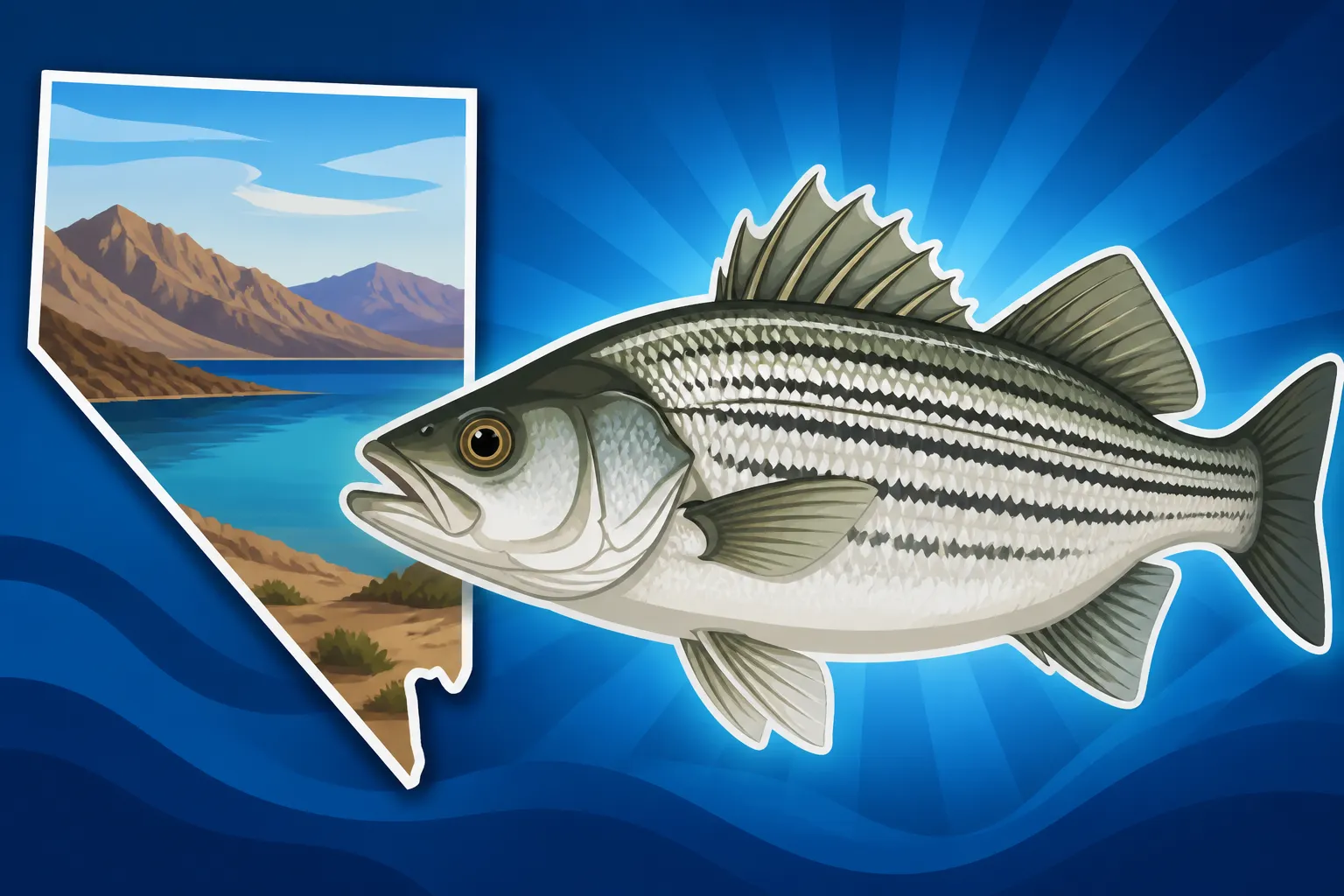
What a wiper hybrid bass is
If you've ever been out on a Nevada lake, reeling in a feisty fish, and found yourself squinting, wondering if it's a striped bass, a white bass, or something else entirely, you're not alone. Many anglers encounter this exact dilemma, especially when they hook into a "wiper hybrid bass." This guide is here to clear up that confusion, explain exactly what a wiper is, where you can find them in the Silver State, and how best to target these powerful, hard-fighting fish.
Understanding the Wiper: A Hybrid's Genesis
The term "wiper" isn't just a catchy nickname; it's a specific designation for a fascinating crossbreed of fish. When fisheries biologists talk about wipers, they're referring to a hybrid species created by crossing a female striped bass with a male white bass. This isn't something that typically happens in nature on its own, which is why these fish are often introduced into specific waters for sport fishing. They're basically purpose-bred athletes of the fish world, designed to grow fast, fight hard, and provide an exciting challenge for anglers.
The Parent Species: White Bass and Striped Bass
To truly grasp what makes a wiper unique, it helps to understand its parents. Imagine the best traits of two different fish coming together to create a super-fish – that's essentially what a wiper is.
First, you have the white bass ( Morone chrysops). These are typically smaller, silver-colored fish with several distinct dark stripes running horizontally along their bodies. They're often found in schools in large lakes and rivers, and while they put up a good fight for their size, they don't reach the massive proportions of their striped cousins. They're known for being aggressive eaters and excellent table fare. Many anglers love chasing these schooling fish, especially when they get into a feeding frenzy.
Then there's the striped bass (Morone saxatilis), often affectionately called "stripers." These are much larger, powerful fish, known for their strong runs and impressive size. They also have dark, horizontal stripes, but their body shape is generally more elongated and torpedo-like compared to the white bass. Stripers can be found in both freshwater and saltwater environments, but in Nevada, we primarily encounter them in large reservoirs where they can grow to considerable sizes, providing an epic battle on the end of a line. They are true apex predators in their freshwater habitats, often herding baitfish before striking.
The "Hybrid" Distinction: Why It Matters to Anglers
So, when you cross a female striped bass with a male white bass, you get the wiper hybrid bass (Morone saxatilis x Morone chrysops). The key here is "hybrid." Unlike their parent species, wipers generally cannot reproduce effectively on their own. This means that for a wiper population to exist in a lake, it usually needs to be actively stocked by wildlife agencies. This is important for anglers because it often means that where you find wipers, there's a good chance they've been intentionally introduced for sport.
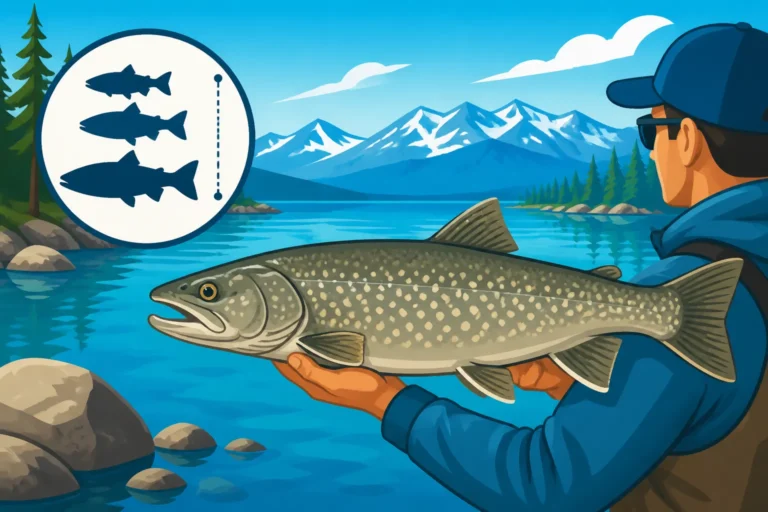
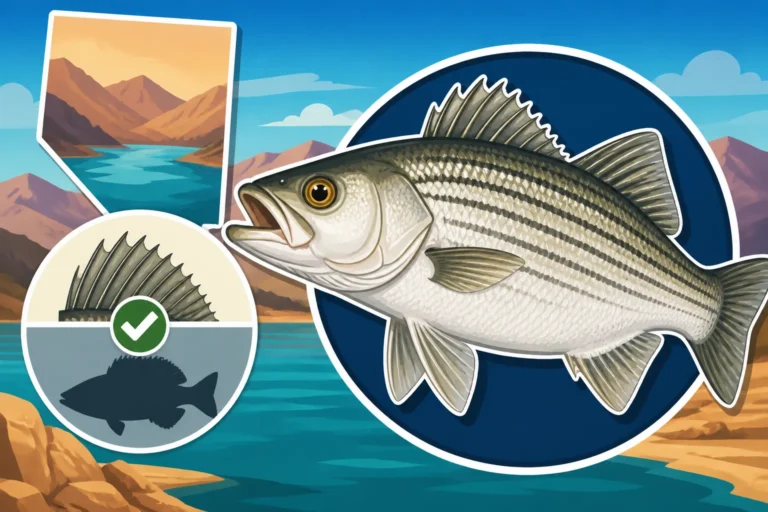
From an angling perspective, the hybrid distinction matters greatly for identification and, consequently, for adhering to fishing regulations. Wipers often exhibit characteristics of both parents, which can make identification a bit tricky at first glance. They tend to have a deeper body than a pure striper but are much larger than a white bass. Their stripes are usually broken or interrupted, particularly below the lateral line, unlike the more solid, continuous stripes of a true striped bass. Knowing these subtle differences is crucial not just for bragging rights, but to ensure you're complying with specific bag and size limits set for these unique fish. If you're ever in doubt, it's always best to consult the current Nevada Fishing Regulations Explained before you head out.
Where to Find Wiper Hybrid Bass in Nevada
Nevada's desert landscape might not immediately conjure images of thriving fisheries, but the state is home to several fantastic bodies of water, many of which are specifically managed to provide exciting angling opportunities. Wiper hybrid bass are one of the species that have been successfully introduced into some of these locations, offering a thrilling chase for those who know where to look.
Key Nevada Reservoirs and Lakes Known for Wipers
While wipers aren't found in every body of water across Nevada, there are specific reservoirs where they have been successfully stocked and have established a strong presence. These locations provide the ideal habitat for these powerful hybrids to thrive, offering ample forage and suitable water conditions.
One of the most prominent places where you can find wiper hybrid bass in Nevada is Lake Mohave. This expansive reservoir, formed by the Davis Dam on the Colorado River, stretches between Nevada and Arizona and is renowned for its diverse fishery. Wipers here grow to impressive sizes, feeding on the abundant threadfin shad and other baitfish. Anglers often report catching large, hard-fighting wipers throughout the lake, from its deeper channels to the shallower coves. Another excellent spot, often discussed in fishing circles, is Rye Patch Reservoir, located in Pershing County in northern Nevada. While perhaps more famous for its walleye, Rye Patch has also been a successful stocking ground for wipers, providing a different experience from the larger southern Nevada reservoirs. These fish can also be found in other select waters where conditions are suitable and stocking programs are in place. If you're specifically looking for Where to catch a wiper in Nevada, these reservoirs should be at the top of your list.
Identifying Wiper Habitat and Behavior
Understanding where wipers prefer to hang out and how they behave is key to increasing your chances of success. Like their striped bass parent, wipers are highly predatory and tend to be pelagic, meaning they roam open water in schools, often chasing baitfish. They are opportunistic feeders and incredibly aggressive.
During different seasons, their behavior can shift. In the warmer months, you'll often find wipers actively chasing schools of baitfish near the surface, especially during low light conditions in the early morning or late evening. This can create exciting "boils" or "blowups" on the water's surface as they smash into schools of shad. Identifying these feeding frenzies is often a surefire way to hook into a wiper. In cooler months, they might descend to deeper water, but they will still be in areas where baitfish congregate, often near submerged structure, humps, or channel edges. They are constantly on the move, so covering water is often more effective than sitting in one spot. Pay attention to changes in depth, current breaks, and areas where tributaries enter the main body of water, as these can concentrate bait and, by extension, wipers.
Fishing for Wiper Hybrid Bass: Techniques and Tackle
Successfully fishing for wiper hybrid bass is incredibly rewarding, largely due to their aggressive nature and powerful fighting ability. However, it requires a thoughtful approach to techniques and a selection of tackle that can stand up to their strong runs. Think of them as miniature, even more energetic versions of a striped bass, and you'll be on the right track.
Best Baits and Lures for Wipers
Wipers are not particularly picky eaters when they are in a feeding mood, but certain baits and lures consistently prove more effective. The key is often to mimic the baitfish they are currently preying upon, which is usually threadfin shad in Nevada's reservoirs.
Artificial Lures:
- Topwater Lures: When wipers are actively busting on the surface, topwater lures like poppers, walking baits, and prop baits are incredibly effective and provide some of the most exciting strikes in freshwater fishing. Think about lures in chrome, white, or shad patterns.
- Crankbaits and Swimbaits: For wipers holding slightly deeper or just below the surface, lipless crankbaits, diving crankbaits, and soft plastic swimbaits rigged on jig heads are excellent choices. Again, shad patterns are typically go-to colors. Best Lures for Striped Bass often work just as well for wipers due to their shared predatory instincts.
- Jigs and Spoons: Metal spoons and various jig types (bucktail jigs, swim jigs) can be deadly, especially when wipers are holding deeper or when you're trying to emulate a dying baitfish. Vertical jigging can be very effective over schooling fish marked on your fish finder.
- Inline Spinners and Blade Baits: These lures create a lot of flash and vibration, which can draw wipers in from a distance, particularly in stained water or when they are actively foraging.
Live Bait:
- Shad: If regulations allow, live threadfin shad are arguably the most effective bait for wipers. Whether fished under a bobber, slow-trolled, or free-lined, fresh, lively shad are hard for a hungry wiper to resist.
- Minnows: Other live minnows can also be effective, especially if shad are not readily available or legal to use as bait in a particular body of water.
Remember to vary your retrieve speed and depth until you figure out what the fish are keying into on any given day. Sometimes a fast, erratic retrieve triggers strikes, while other times a slower, more deliberate presentation is required.
Rods, Reels, and Line Recommendations
Given the power and size wipers can attain, your gear needs to be up to the task. You don't want to bring a knife to a gunfight, especially when a large wiper decides to make a run for it.
Rods:
- Medium-Heavy Action Spinning or Casting Rods: A 6'6" to 7'6" medium-heavy action rod is ideal. This provides the backbone needed to cast heavier lures and fight strong fish, while still having enough tip sensitivity to detect subtle bites. For those looking for versatile options, checking out the selection on Amazon can offer a range of rod choices, from brands like Ugly Stik or Penn, that fit this description perfectly.
- Fast Action Tip: A fast action tip will help with casting accuracy and quick hook sets, which are crucial when dealing with aggressive, fast-striking wipers.
Reels:
- Spinning Reels (Size 3000-5000): For most wiper fishing, a spinning reel in the 3000 to 5000 size range, paired with a medium-heavy rod, offers a good balance of line capacity and drag power. Make sure it has a smooth, reliable drag system, as wipers will test it.
- Baitcasting Reels (Medium-Heavy): If you prefer baitcasting gear, a medium-heavy baitcaster with a high retrieve ratio is excellent for quickly taking up slack and handling larger lures. Look for models from reputable brands like Shimano or Abu Garcia that you can find easily on Amazon, ensuring you get quality and durability.
Line:
- Braided Line (15-30 lb test): Braided line is highly recommended for its strength, lack of stretch (for better sensitivity and hook sets), and thin diameter. This allows for longer casts and cuts through water more efficiently.
- Fluorocarbon Leader (15-25 lb test): Always tie on a fluorocarbon leader of 3-5 feet. Fluorocarbon is nearly invisible underwater, more abrasion-resistant, and helps absorb some shock, which can be important with hard-fighting fish like wipers. The line you choose can make all the difference, and a wide array of options, including fluorocarbon leaders, are consistently available through retailers like Amazon.
Having a good quality net, preferably with a rubberized mesh to protect the fish if you plan on releasing it, is also a Nevada Fishing Gear Essentials item when targeting wipers.
Wiper Hybrid Bass Regulations and Conservation
Fishing for wiper hybrid bass is a fantastic experience, but like all responsible angling, it comes with the understanding and adherence to local regulations. These rules are put in place by the Nevada Department of Wildlife (NDOW) to ensure healthy fish populations and sustainable sport fishing opportunities for everyone.
Nevada's Rules for Wipers
Because wipers are not naturally reproducing in most Nevada waters where they are found, their populations are directly managed through stocking programs. This means that the rules regarding how many you can keep, and what size they need to be, are crucial for maintaining the fishery.
Generally, you will find specific bag limits (the number of fish you can keep per day) and possession limits (the total number of fish you can have in your possession at any one time, often twice the daily bag limit) for wiper hybrid bass. These limits can vary from one water body to another, so what's legal at Lake Mohave might be different from Rye Patch Reservoir. You might also encounter size limits, which could be a minimum length a fish must be to be kept, or sometimes even a slot limit (where fish within a certain size range must be released, but those above or below can be kept).
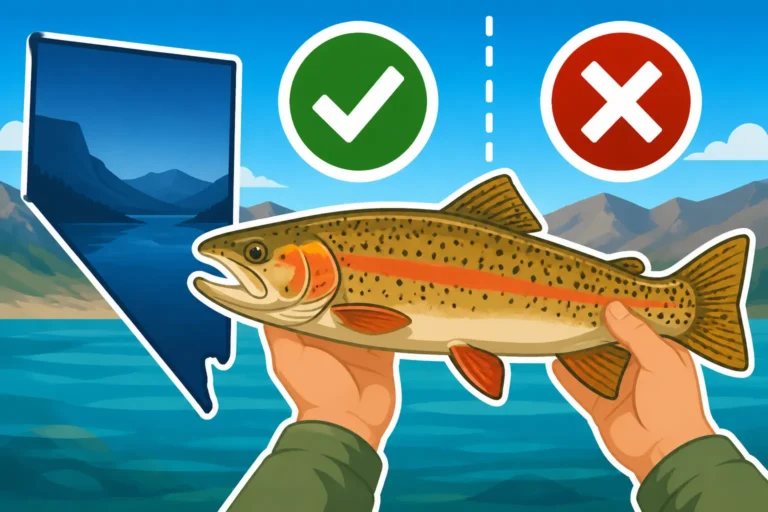
It's absolutely critical to check the latest NDOW fishing regulations booklet or their website before each fishing trip, as rules can change. This is especially true for hybrid species where identification can sometimes be a challenge. Misidentifying a wiper and keeping a fish that falls outside the regulations can result in penalties. Remember, ignorance of the law is generally not considered an excuse, so taking the time to understand Nevada Statewide Bag Limits Explained and specific rules for wipers is an important part of your fishing preparation.
Responsible Angling Practices
Beyond just following the rules, responsible angling is about ensuring the long-term health of our fisheries. Wipers are a valuable sport fish, and treating them with care, especially if you plan to release them, is paramount.
- Catch and Release: If you're not keeping your catch for the table, practice proper catch and release techniques. Minimize the time the fish is out of the water.
- Wet Hands: Always handle fish with wet hands to protect their protective slime coat, which is their first line of defense against disease.
- De-hooking Tools: Use pliers or a de-hooking tool to quickly remove hooks, especially if the fish has swallowed the bait deep. Barbless hooks can also make hook removal much easier and reduce harm to the fish.
- Support: When holding a large wiper for a photo, support its body horizontally. Avoid holding it vertically by the jaw, as this can damage its internal organs and jaw structure.
- Revive: If a fish seems sluggish before release, gently hold it in the water, facing into any current, until it regains its strength and swims away on its own.
By being mindful of regulations and practicing responsible angling, we can all contribute to making Nevada a premier destination for fishing these exciting Wiper Hybrid Bass Identification and other fantastic species for years to come.
Disclaimer
This article is for general informational purposes only and does not constitute professional advice. Laws, prices and regulations vary by location and change over time. Consult a qualified professional for guidance on your specific situation.