Fish species living in the Truckee River
One of the great joys of angling in Nevada is discovering the vibrant aquatic life that calls our unique waterways home. When you think about fishing in the Silver State, many folks immediately picture our vast lakes and reservoirs, but the Truckee River offers an entirely different, incredibly rewarding experience. It’s a common question I hear from anglers, especially those just getting to know this incredible river: "What fish species actually live in the Truckee River?" This guide is here to shed some light on the finned residents you're likely to encounter, helping you understand the diverse ecosystem thriving within this vital waterway.
The Truckee River's Unique Ecosystem
The Truckee River is a lifeline that flows from Lake Tahoe, through the cities of Reno and Sparks, and eventually empties into Pyramid Lake. It's a true gem in the high desert, offering a surprisingly robust and diverse fishery. This isn't your typical slow-moving river; much of the Truckee presents a dynamic mix of riffles, runs, and deeper pools, creating varied habitats for different species. The water clarity can change with runoff or storms, but often it runs quite clear, especially in its upper and middle sections, making it a fantastic spot for sight fishing at times.
The health of the Truckee River is intrinsically linked to the health of its fish populations. Water quality, temperature fluctuations, and flow rates, often managed for various purposes like irrigation and municipal use, all play a significant role. Anglers often worry about how these factors impact the fishing, and it’s true that consistent water levels and healthy riparian zones are crucial for supporting a thriving fish community. The river's cooler, oxygen-rich waters in the upper stretches are ideal for trout, while its more varied middle and lower sections support a broader mix.
From Lake Tahoe to Pyramid Lake: A Gradient of Life
The journey of the Truckee River is fascinating, and so is the way fish species adapt along its course. Near its source at Lake Tahoe, the river is colder, faster, and clearer, resembling a classic mountain stream. As it winds downstream through urban areas and then out into the desert, the water warms slightly, the flow can become more regulated, and the riverbed changes. This gradient creates distinct ecological niches. For instance, you might find more robust populations of native Lahontan cutthroat trout and specific aquatic insects near the higher elevations, while in the lower reaches, you’ll encounter different types of suckers and perhaps some unique native species more adapted to warmer, slower flows before it reaches Pyramid Lake Nevada Fishing Guide. Understanding this transition is key to knowing what to expect.
Resident Trout Species of the Truckee River
When most anglers think of fishing the Truckee River, trout are usually the first fish that come to mind. And for good reason! The river holds some truly magnificent trout, offering a challenging yet incredibly rewarding experience for fly anglers and spin fishermen alike.
Rainbow Trout: The Truckee's Colorful Mainstay
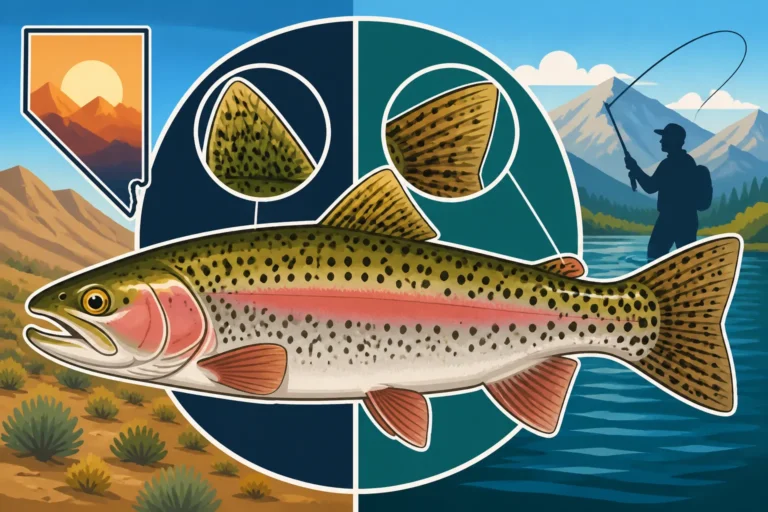
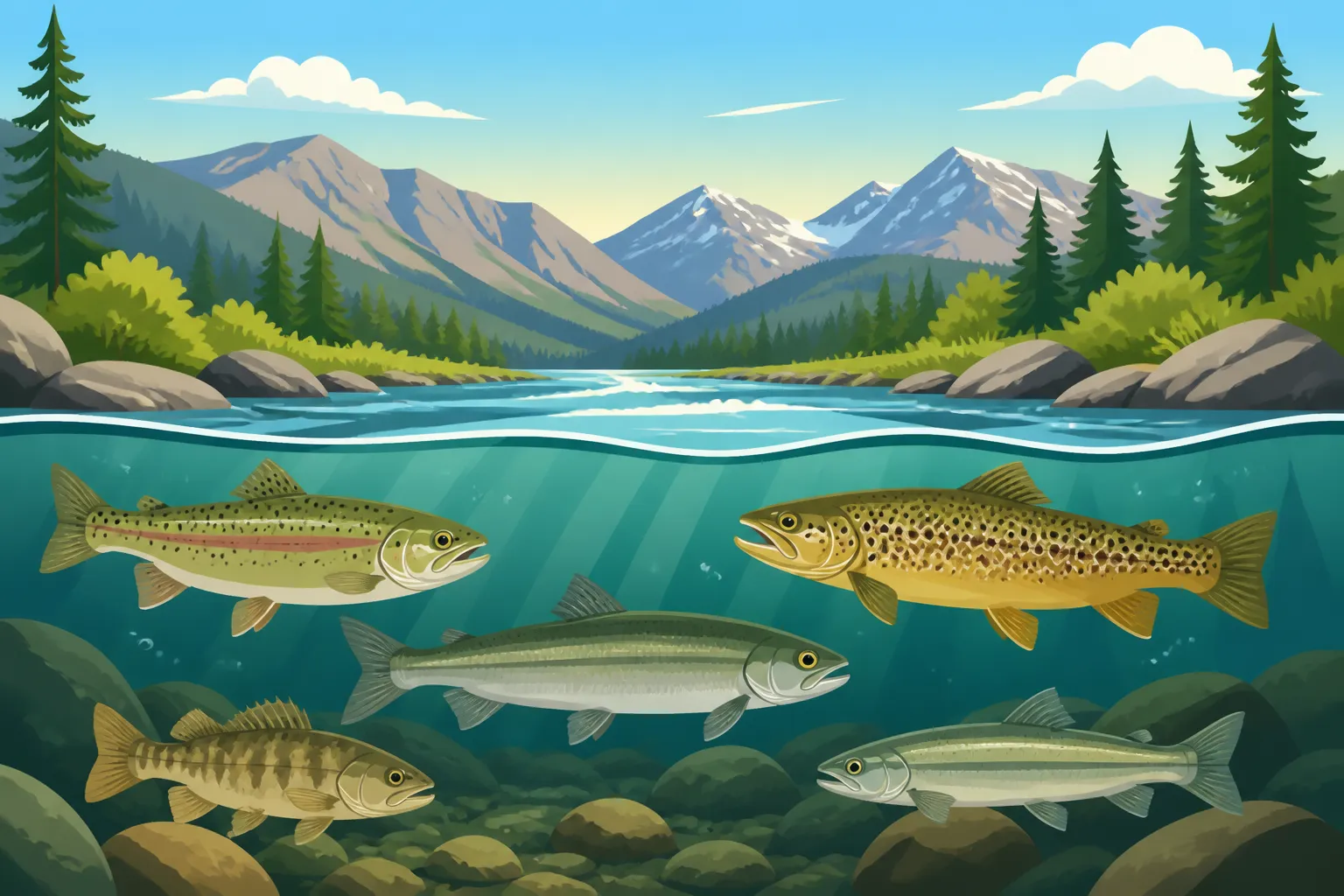
Rainbow trout are undoubtedly one of the most sought-after species in the Truckee River. These beautiful fish are recognized by the iridescent red or pink band running along their sides, especially vibrant in males during spawning season. They’re known for their powerful fights and acrobatic leaps once hooked, making them a favorite target. You can find rainbows throughout much of the river, from the colder upper sections near Lake Tahoe all the way down into the urban stretches of Reno and Sparks, especially where the Nevada Department of Wildlife (NDOW) does regular Nevada Trout Stocking Schedule to supplement populations.
Rainbows in the Truckee can vary significantly in size, with many anglers routinely catching fish in the 12 to 18-inch range, but larger specimens are certainly present for those with patience and skill. They primarily feed on aquatic insects like caddis, mayflies, and stoneflies, along with smaller baitfish and terrestrial insects that fall into the water. This makes fly fishing with various nymph, dry fly, and streamer patterns particularly effective. Spin fishermen often have luck with small spinners, spoons, or natural baits like worms and PowerBait. If you're looking to stock up on a good variety of river-specific lures and flies, a quick search on Amazon will show you countless options perfect for Truckee River rainbows.
Brown Trout: The Elusive Predator
Brown trout are another prized catch in the Truckee River, known for their stunning golden-brown coloration, often adorned with dark spots ringed in lighter halos, and sometimes red spots. Unlike rainbows, browns tend to be a bit more elusive and predatory, often hiding in deeper pools, undercut banks, or beneath logjams. They thrive in many of the same sections as rainbow trout but prefer slightly slower, more complex cover. Anglers often find larger brown trout in the middle and lower sections of the river where there's more structure and opportunities for them to ambush prey.
Catching a truly large brown trout from the Truckee is a significant accomplishment and often requires a different approach than targeting rainbows. They are less prone to jumping but are incredibly strong fighters, often trying to dive into structure to break lines. Their diet consists of a wider range of food, including larger aquatic insects, crayfish, and, significantly, other smaller fish. This makes streamer patterns, larger nymphs, and even small swimbaits or crankbaits effective choices. If you're serious about targeting these magnificent fish, focusing your efforts during low light conditions, like dawn or dusk, can greatly increase your chances. For more on these beauties, check out Brown Trout in Nevada Reservoirs – though the article focuses on reservoirs, much of the general behavior applies to river browns too.
Lahontan Cutthroat Trout: A Native Treasure (Primarily Lower River)
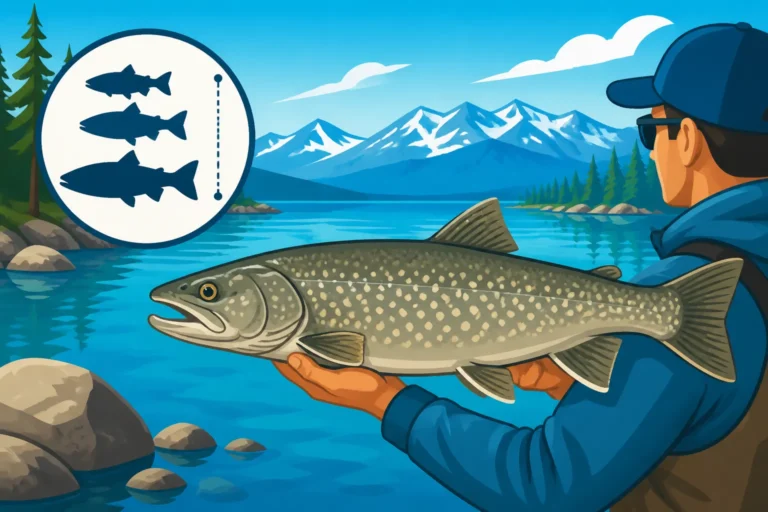
While Lahontan cutthroat trout are most famously associated with Pyramid Lake, they are also a native species to the Truckee River, especially in its lower reaches. These are historically significant fish, adapted to the unique conditions of the Lahontan Basin. They are identifiable by their distinctive red or orange "cutthroat" markings under their jaw, along with numerous black spots across their olive-green to silvery bodies. In the Truckee, you're most likely to encounter these native beauties as they migrate upstream from Pyramid Lake during specific times of the year, particularly for spawning, or as they reside in the lower sections closer to the lake.
Catching a Truckee River Lahontan cutthroat is a special experience, connecting you to the river's wild heritage. These fish can grow quite large, especially the Pyramid Lake strain. Due to their protected status and importance to the ecosystem, many anglers practice catch and release for these magnificent fish. Understanding the delicate balance of their habitat and their migratory patterns is crucial for ethical angling. You'll want to be well-versed in Nevada Fishing Regulations Explained before targeting any fish, but especially native species like the Lahontan cutthroat, as specific rules may apply to ensure their conservation.
Other Common Fish Species in the Truckee River
Beyond the glamorous trout species, the Truckee River is home to a variety of other fish that play vital roles in the ecosystem. While they might not always be the primary target for recreational anglers, understanding their presence adds to the richness of the river experience.
Sacramento Perch: Pyramid Lake's Unique Import
The Sacramento Perch is an interesting and less common species in the Truckee River, primarily found closer to its confluence with Pyramid Lake. These fish are actually native to California's Central Valley but were introduced to Pyramid Lake. They are a deep-bodied, spiny-rayed fish with a dark, mottled coloration, often appearing somewhat greenish-brown. While not as widespread throughout the entire Truckee as trout, their presence in the lower reaches underscores the unique ecological connection between the river and the lake.
Anglers might occasionally encounter Sacramento Perch while fishing for other species in the lower Truckee. They typically prefer slower, warmer sections of the river, often around submerged vegetation or structure. They are omnivorous, feeding on aquatic insects, small crustaceans, and even algae. While not known for their fighting prowess like trout, they can be a fun and surprising catch.
Native Suckers and Minnows: The River's Unsung Heroes
The Truckee River supports several species of native suckers and various minnows, which are crucial to the river's food web. While they aren't typically sought after by sport fishermen, their health is a strong indicator of the overall ecological well-being of the river.
- Tui Chub: These small, silvery fish are incredibly abundant in parts of the Truckee, especially in slower moving areas and backwaters. They are a primary food source for larger predatory fish like Lahontan cutthroat trout.
- Tahoe Sucker: This native sucker species is common throughout the Truckee River. They are bottom feeders, characterized by their downturned mouths, and play an important role in cleaning the riverbed by consuming algae, detritus, and small invertebrates. They can grow to a decent size and are often mistaken for carp due to their appearance.
- Mountain Sucker: Similar to the Tahoe Sucker, the Mountain Sucker also inhabits the Truckee, particularly in the clearer, colder upper reaches. They are smaller than Tahoe Suckers but share a similar bottom-feeding lifestyle.
- Lahontan Redside: This is a small, native minnow species often found in schools in the Truckee. They have a distinctive red stripe along their sides during spawning season. They serve as an important forage fish for trout.
These species are generally caught incidentally by anglers targeting trout, often on small nymphs or worms drifted near the bottom. While you might not specifically plan to catch them, their presence signals a healthy, functioning river ecosystem.
Sculpins: Masters of Camouflage
Sculpins are another fascinating group of fish found in the Truckee River. These small, bottom-dwelling fish are masters of camouflage, blending in seamlessly with the rocky riverbed. They have large heads, flattened bodies, and typically range from a few inches up to about six inches in length. They are incredibly important as a food source for larger trout, especially brown trout.
There are several species of sculpins in the Truckee, and while they are rarely targeted by anglers, they are often observed while wading or are occasionally caught on small lures or flies fished close to the bottom. Their presence is a good sign, indicating a rich invertebrate community and healthy oxygenated water. If you're using a fish finder, particularly a portable one that you might find on Amazon for kayak or bank fishing, you might occasionally pick up their activity near the bottom, though their small size makes them hard to distinguish from rocks.
Conservation and Angler Responsibility
The diversity of fish in the Truckee River is a testament to its ecological importance. As anglers, we have a vital role in protecting this resource for future generations. Understanding what lives beneath the surface is the first step towards responsible angling.
Protecting Native Species and Habitats
Conservation efforts are continuously underway to protect and restore the native fish populations in the Truckee River, particularly the Lahontan cutthroat trout. This involves careful water management, habitat restoration projects, and adherence to fishing regulations. Anglers can contribute by practicing catch and release, especially for native species or larger broodstock trout, and minimizing their impact on the riverbanks and riparian vegetation. Learning about specific rules for different species, like those detailed in Nevada Trout Season Dates, is crucial.
The Truckee River faces challenges, including fluctuating water levels, the presence of non-native species, and the impacts of urbanization. Every angler has a role to play in mitigating these issues. Simple actions like properly disposing of trash, using lead-free tackle to prevent wildlife poisoning, and cleaning your gear between waterways to prevent the spread of invasive species can make a huge difference.
The Importance of Regulations
The Nevada Department of Wildlife sets specific regulations to ensure the sustainability of the Truckee River's fishery. These rules cover everything from bag limits and size restrictions to allowable fishing methods and seasonal closures in certain areas. It's not just about what you can catch, but how you can catch it. For example, understanding Nevada Barbless Hook and Bait Rules can be critical in areas promoting catch and release, particularly for trout. Always make sure to have your current Nevada Fishing License Guide and consult the most up-to-date regulations booklet before heading out. They are there for a reason – to protect these amazing fish and their home.
Remember, every time you step foot on the banks of the Truckee River, you're entering a living, breathing ecosystem. Taking the time to appreciate the variety of fish that call it home, from the prized trout to the often-overlooked native suckers and minnows, enhances the entire fishing experience.
Disclaimer
This article is for general informational purposes only and does not constitute professional advice. Laws, prices and regulations vary by location and change over time. Consult a qualified professional for guidance on your specific situation.