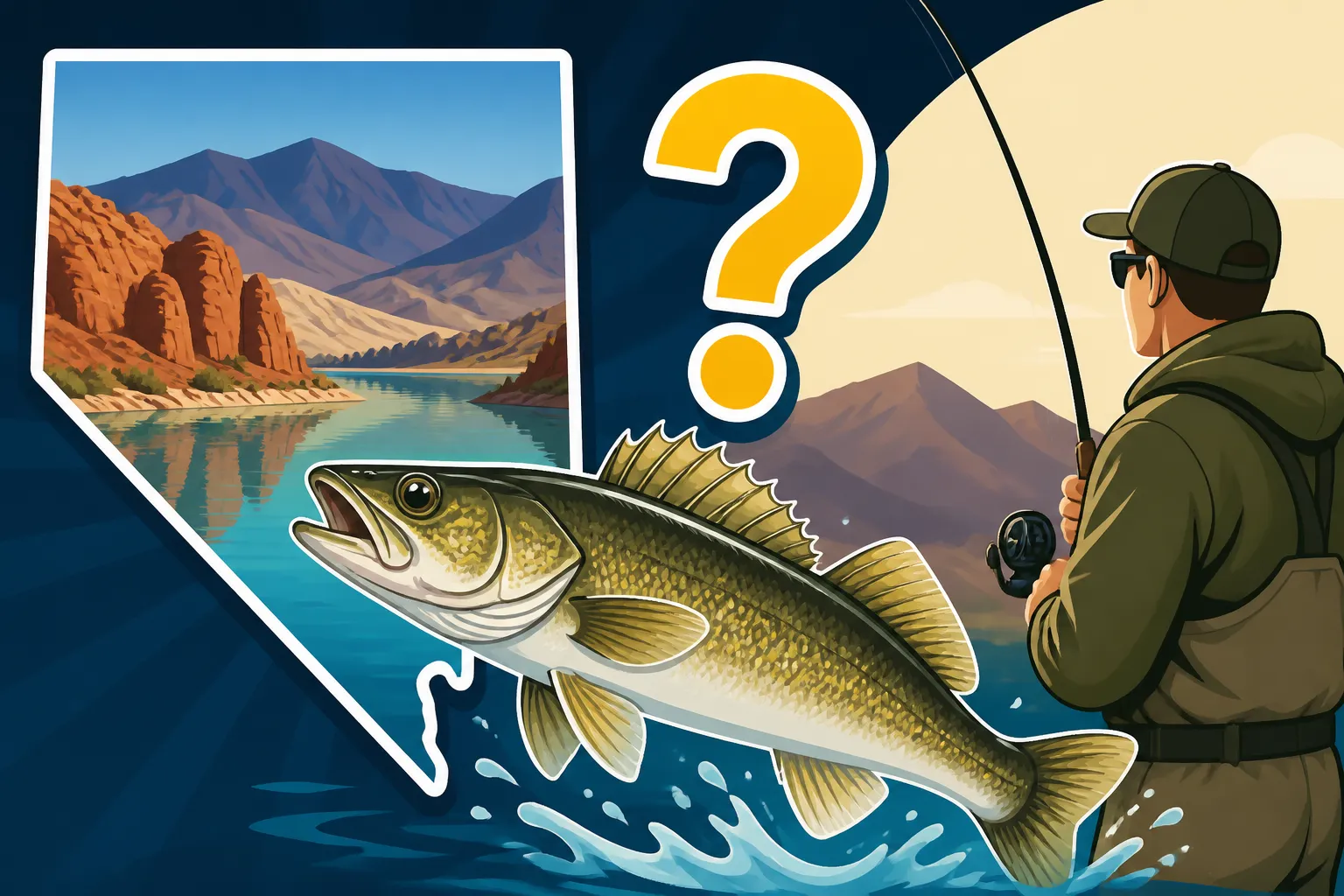
Is there walleye fishing in Nevada?
When you dream of casting a line for walleye, images of vast Midwestern lakes or Canadian Shield waters often come to mind, right? It’s a common frustration for anglers moving to or visiting Nevada – the Silver State isn't exactly renowned as a walleye hotbed. Many folks wonder if they even exist here, or if it's just a myth passed around campfire stories. Well, you're in the right place, because this guide is going to cut through the hearsay and give you the real lowdown on walleye fishing opportunities in Nevada, where you might find them, and how to approach catching these elusive fish.
The Truth About Walleye in Nevada: A Sparse Reality
Let's be upfront: if you're picturing bountiful walleye fisheries like those in Minnesota or Ohio, you'll need to adjust your expectations for Nevada. Walleye are simply not native to our desert state, and their presence here is incredibly limited. This isn't to say it's impossible to catch one, but it requires a very specific approach to a very specific body of water. Most of Nevada’s prime fishing spots, while fantastic for other species, just don’t host these toothy critters.
Where Walleye Might Be Found Limited Waters
For most of Nevada, the answer to "Are there walleye?" is a resounding "No." However, there's one significant exception that anglers often talk about: Rye Patch Reservoir. This particular body of water, located in Pershing County, about 22 miles north of Lovelock, holds the state's most legitimate, and arguably only, population of walleye. They were introduced here, not naturally occurring, and have managed to establish a small, self-sustaining population. While you might hear whispers or unconfirmed reports of walleye in other Nevada waters, especially those connected to the Colorado River system, these sightings are rare, often mistaken identities, or remnants of long-failed stocking attempts. The Nevada Department of Wildlife (NDOW) primarily focuses its efforts on managing native species or bolstering established populations of popular game fish like trout and bass, so walleye management isn't a high priority across the state.
When you think about fishing in Nevada, places like Lake Mead or Lake Tahoe usually pop up first, offering incredible opportunities for striped bass or Mackinaw trout. But for walleye, you really have to set your sights on Rye Patch. It's not a secret spot, but it's also not a destination that draws walleye fanatics from across the country. You'll find a dedicated local contingent who understand the nuances of fishing this reservoir, patiently working for their reward. It's a challenging fishery, certainly not a "numbers game" like you might experience elsewhere. If you're looking for detailed information on this unique spot, our guide on Rye Patch Reservoir Fishing covers a lot of ground.
Why Walleye Aren't More Widespread
So, why isn't Nevada teeming with walleye if they can survive in at least one reservoir? It really comes down to a combination of ecological factors and management strategies. Walleye have very specific habitat requirements that most Nevada waters simply don't meet. They prefer cooler, deeper waters with ample forage fish, and often require specific types of substrate for spawning.
Many of Nevada's reservoirs, particularly in the southern region, get incredibly warm during the long summer months, making it tough for walleye to thrive. The food sources, like various shad species, are present in some waters, but the overall ecosystem balance often favors other predatory fish. Furthermore, successful walleye reproduction requires ideal spawning conditions – often rocky shoals or gravel beds with good current or wave action. Many of our reservoirs experience significant water level fluctuations, especially those used for irrigation or municipal supply, which can severely disrupt successful spawning cycles year after year.
From a management perspective, the NDOW has a clear focus. Introducing and managing non-native species can sometimes create unintended ecological consequences, impacting native fish populations or the overall health of the aquatic ecosystem. Their efforts are more concentrated on sustaining species that are already well-established or protecting and restoring Nevada's unique native fish, like the Lahontan Cutthroat Trout in Pyramid Lake. While stocking attempts for walleye have happened historically in various waters, they generally haven't led to widespread, self-sustaining populations, reinforcing the notion that most of Nevada just isn't ideal walleye habitat.
Targeting Walleye at Rye Patch Reservoir: Your Best Bet
If you're serious about catching a walleye in Nevada, Rye Patch Reservoir is your pilgrimage site. It's not going to be easy, but the reward of a Nevada walleye is something truly special for the dedicated angler. This isn't a place where you just throw a lure and expect to land them one after another. Patience, persistence, and the right approach are absolutely key.
Understanding Rye Patch's Unique Walleye Fishery
Rye Patch Reservoir is a fascinating body of water, shaped by the arid landscape around it. It's a large, often fluctuating reservoir that holds water from the Humboldt River, nestled within a high desert environment. While it's best known for its smallmouth bass and channel catfish, it’s also the go-to spot for those targeting walleye. The walleye here are not in huge numbers, but they can grow to a respectable size. The reservoir's structure, with its river channel, submerged brush, rocky points, and varying depths, provides enough habitat for the walleye to survive, albeit in a relatively low-density population compared to famous walleye waters. You'll find yourself looking for subtle changes in depth, old submerged roads, or rocky areas where walleye might ambush baitfish. Finding information specifically on Does Rye Patch Reservoir have walleye? will give you a deeper dive into the fishery itself.
What makes Rye Patch challenging is that the walleye are often scattered, or they might be concentrated in specific areas only for short periods. This isn't a fishery where you simply drop a jig and expect a bite every few minutes. You'll be covering water, patiently searching, and paying close attention to your electronics if you have them. The fish here are survivors, adapted to a less-than-ideal walleye environment, and they've likely seen a few lures in their day.
Proven Techniques and Best Times to Catch Walleye at Rye Patch
To give yourself the best shot at a Nevada walleye, you'll need to understand their seasonal patterns and preferred presentations at Rye Patch.
-
Seasonality:
- Spring (March-May): This is often considered the prime time, especially during the pre-spawn and spawning period when walleye move into shallower, rocky areas. They're actively feeding and preparing to reproduce. Look for them in areas with suitable spawning habitat, often near inflows or along rocky banks.
- Summer (June-August): As the water warms, walleye tend to move deeper, seeking cooler temperatures and stable oxygen levels. Night fishing can be particularly effective during these hot months, as walleye are visual predators that use their superior low-light vision to their advantage. Targeting structure in deeper water or fishing during twilight hours can yield results.
- Fall (September-November): Walleye become very active feeders in the fall, bulking up for winter. They can often be found chasing baitfish in various depths, sometimes shallower as water temperatures begin to cool. This can be another excellent time to fish.
- Winter (December-February): While less common, ice fishing for walleye at Rye Patch can be an option if the ice is safe and thick enough. Walleye will be sluggish and deep, requiring slower, more subtle presentations.
-
Techniques:
- Trolling: One of the most effective ways to cover water and find scattered walleye. Trolling crankbaits that mimic shad or other baitfish is a popular choice. Experiment with different depths, colors, and speeds until you find what triggers a bite. Using a good fish finder to monitor depth and identify submerged structure is invaluable.
- Jigging: When you've located a concentration of fish or are targeting specific structure, jigging can be deadly. Tip jigs with soft plastics, a piece of nightcrawler, or even a small minnow (if legal and available). A slow, subtle lift-and-drop presentation is often best. Vertical jigging directly over structure or fish marked on your electronics is key.
- Bottom Bouncing/Worm Harnesses: These rigs are excellent for presenting live bait (typically nightcrawlers) near the bottom while slowly drifting or trolling. The bottom bouncer keeps your bait in the strike zone, and the worm harness provides an enticing presentation. This is a classic walleye technique that can work well at Rye Patch, especially when fish are sluggish.
-
Gear: You'll want a medium-light to medium power spinning or casting rod, around 6'6" to 7'6" in length, with a fast action tip for sensitivity. Pair this with a reliable spinning reel spooled with 8-10 pound test monofilament or fluorocarbon, or 10-20 pound braided line with a fluorocarbon leader for added sensitivity and abrasion resistance. Look for quality rods and reels that offer good feel, as walleye bites can often be incredibly subtle, feeling more like a slight weight or "tick" than an aggressive strike. You can find many excellent options online from retailers like Amazon, from entry-level combos to more specialized gear. For general purpose angling in Nevada, check out our guide on Best Fishing Rods for Nevada Lakes. While focused on bass, many of the principles of a sensitive setup apply to walleye.
Gear Up for Walleye: What You'll Need
Successfully targeting walleye at Rye Patch, or anywhere for that matter, often comes down to having the right tools for the job. Because walleye can be subtle biters and often prefer specific presentations, your gear choices are more important than just grabbing any old rod and reel.
Rods, Reels, and Line for Walleye
When it comes to the business end of walleye fishing, sensitivity is paramount. Walleye are notorious for their light, almost imperceptible bites, often referred to as "walleye bites" by seasoned anglers – a subtle tap or just a feeling of added weight.
- Rods: Opt for a medium-light to medium power spinning rod, typically 6'6" to 7'6" long, with a fast or extra-fast action tip. This tip action allows you to detect those subtle takes and gives you the backbone to set the hook firmly. A longer rod can also help with casting distance and managing line when trolling or drifting. For those who prefer baitcasting setups, a medium power baitcaster with a fast action is also suitable, particularly for heavier presentations like bottom bouncing. Many excellent rods designed for bass fishing, as covered in Best Tackle for Nevada Bass Fishing, can also cross over effectively for walleye due to similar requirements for sensitivity and power.
- Reels: A smooth, reliable spinning reel in the 2500-3000 size range is ideal for most walleye techniques. Ensure it has a good drag system, as even moderately sized walleye can put up a decent fight. For baitcasting, a low-profile reel with a smooth retrieve and strong drag is perfect. A good reel will help reduce fatigue over a long day of casting and retrieving. Consider options from reputable brands available on Amazon, which often feature advanced materials for lightness and strength.
- Line: Your choice of fishing line is crucial for walleye.
- Braided Line: Many experienced walleye anglers prefer braided line (10-20 lb test) for its incredible sensitivity and lack of stretch. This allows you to feel even the lightest bite. However, braid is visible in clear water, so it's almost always paired with a fluorocarbon leader (6-10 lb test, 6-10 feet long) for stealth.
- Fluorocarbon Line: A great main line (8-10 lb test) choice on its own due to its low visibility, excellent abrasion resistance, and moderate stretch, which can act as a shock absorber.
- Monofilament Line: While less sensitive and more visible than braid or fluorocarbon, a good quality monofilament (8-10 lb test) is still a viable option, especially for beginners. Its stretch can be forgiving, helping prevent hooks from tearing out.
When choosing line for desert reservoirs, you'll want something durable to handle potential abrasion from rocks and submerged structures. Our guide on Best Line for Desert Reservoir Fishing offers more insights into line selection suitable for Nevada's unique conditions.
Lures, Baits, and Terminal Tackle
The variety of walleye lures and baits can be overwhelming, but focusing on a few key types will cover most situations at Rye Patch.
- Crankbaits: These are a must-have, especially for trolling. Look for models that dive to different depths and mimic baitfish commonly found in Rye Patch, such as shad or perch. Colors that imitate natural baitfish are usually a safe bet, but don't shy away from brighter colors on cloudy days or in stained water.
- Jigs: From 1/8 to 3/8 ounce jigs, tipped with soft plastics (grubs, paddle tails, worm imitators) or live bait, are incredibly versatile. Plastics in natural colors like green pumpkin, pearl, or chartreuse can be very effective.
- Bottom Bouncers and Worm Harnesses: As mentioned, these are classic presentations for live bait. Ensure you have an assortment of bottom bouncer weights to match current and depth, and a variety of colored beads and blade types for your worm harnesses.
- Live Bait: If regulations allow (always check the current Nevada Fishing Regulations Explained before using any live bait), nightcrawlers are a walleye staple. Small minnows or leeches can also be highly effective. The availability of live bait can sometimes be a challenge in more remote areas of Nevada, so plan ahead.
- Terminal Tackle: A well-stocked tackle box should include various hooks (jig hooks, worm hooks for harnesses), swivels (barrel or snap swivels to prevent line twist), and sinkers (bullet weights, split shots, or bell sinkers for specific rigs). Ensure your hooks are sharp – crucial for penetrating a walleye's bony mouth.
You can often find great assortments of these items, or specific hard-to-find components, by browsing fishing tackle sections on sites like Amazon.
Essential Electronics and Accessories
Modern fishing often relies on technology to give anglers an edge, and walleye fishing at Rye Patch is no exception.
- Fish Finder/Depth Sounder: Absolutely invaluable. A good fish finder can help you identify submerged structure, old river channels, and even schools of baitfish or individual walleye. Side imaging and down imaging features can reveal hidden cover that traditional sonar might miss. Having one can drastically cut down on unproductive casting. For more on this, check out Best Fish Finder for Reservoir Fishing.
- Trolling Motor: For controlled boat positioning while jigging, drifting, or slow trolling, a reliable electric trolling motor is a game-changer. It allows you to maintain precise speeds and directions, which is critical when walleye are finicky.
- Cooler and Ice: Especially in Nevada's desert climate, a good cooler packed with ice is essential for keeping any kept fish fresh, as well as keeping your drinks and snacks cool.
- Measuring Device and Scale: Always be prepared to measure your catch to ensure it meets legal size limits before keeping it. A good scale is also fun for bragging rights!
- Sun Protection: You're fishing in Nevada! Sunscreen, a wide-brimmed hat, polarized sunglasses (to cut glare and spot structure), and lightweight, breathable UPF clothing are non-negotiable. Our article on Desert Fishing Gear and Sun Protection will give you a comprehensive checklist to stay safe and comfortable under the Nevada sun.
- Landing Net: A sturdy landing net with a rubberized mesh is highly recommended. It protects the fish, reduces hook tangles, and makes landing a slippery walleye much easier, especially if you're fishing solo.
Regulations and Expectations: Realistic Walleye Fishing in Nevada
Embarking on a walleye fishing trip in Nevada requires a clear understanding of the rules and, perhaps more importantly, a realistic perspective on what you're likely to encounter. This isn't your typical walleye destination, and approaching it with the right mindset will make your experience far more enjoyable, whether you land a walleye or not.
Nevada Walleye Regulations
Before you even think about putting a line in the water at Rye Patch Reservoir, or anywhere else you might encounter a walleye, you absolutely must consult the current Nevada Fishing Regulations. These regulations are published annually by the Nevada Department of Wildlife (NDOW) and are your official source for all rules regarding fishing in the state. You can usually find them online on the NDOW website or pick up a physical copy wherever fishing licenses are sold.
Here are some key things you'll need to check specifically for walleye and Rye Patch Reservoir:
- Size Limits: Walleye often have minimum or slot size limits, meaning fish must be within a certain length range to be legally kept. These are designed to protect younger fish and ensure a healthy breeding population.
- Bag Limits: There will be a daily creel limit, specifying how many walleye you can keep per day. It's crucial to adhere to this, not only for legal compliance but also for sustainable fishing practices.
- Possession Limits: This refers to the total number of fish you can have in your possession, which might be different from the daily bag limit if you are on a multi-day trip.
- Methods of Take: Understand what methods are legal for catching walleye – bait, lures, fly fishing. This includes rules on live bait if applicable.
- Season Dates: While many Nevada waters are open year-round for many species, it's vital to confirm if there are any specific season dates or closures that might apply to walleye at Rye Patch.
- Special Regulations: Always look for any special regulations specific to Rye Patch Reservoir or any other water body you plan to fish. Sometimes, rules for non-native species can be different.
Ignoring these regulations can lead to fines and penalties, which nobody wants. Always check the current Nevada Fishing Regulations Explained and specifically review the section for the Western Region, as Rye Patch falls within it. Pay close attention to Nevada Statewide Bag Limits Explained which will outline general limits and specific exceptions.
Managing Expectations for Your Walleye Trip
Let's face it: Nevada is not a walleye state like the Dakotas or the Great Lakes region. The walleye fishery at Rye Patch is unique precisely because it's so limited. If you go into a walleye trip in Nevada expecting to fill a cooler in an hour, you're likely to be disappointed.
Instead, manage your expectations by understanding that this is a challenging, low-density fishery. A single walleye caught in Nevada is often considered a trophy in its own right, a testament to patience and skill. The thrill comes from the hunt, the strategic angling, and the satisfaction of catching a fish that is genuinely rare in this part of the country.
Here are some tips for a successful mindset:
- Appreciate the Experience: Focus on the beauty of the desert landscape, the solitude, and the unique challenge of targeting a species outside its typical range. Enjoy the process, not just the outcome.
- Be Patient: You might need to put in a lot of hours, cover a lot of water, and try various techniques before you get a bite. Don't get discouraged if the action is slow.
- Be Versatile: While you're targeting walleye, be prepared to catch other species common at Rye Patch, like smallmouth bass, largemouth bass, or channel catfish. Bring tackle for these as well. A successful day often means catching something, even if it's not your primary target. Our Nevada Fish Species Guide can help you learn more about other fish you might encounter.
- Learn from Others: If possible, talk to local anglers or bait shop owners in the area. They often have invaluable, up-to-date information on recent patterns and productive areas.
- Check Conditions: Pay attention to weather patterns, water levels, and moon phases. These can all influence fish behavior. Our guide on Best Time of Year to Fish in Nevada can offer broader insights into seasonal fishing patterns that might apply.
Fishing for walleye in Nevada is truly an adventure. It's about seeking out a unique challenge and celebrating every victory, no matter how small. Good luck out there, and enjoy the distinct experience of fishing our beautiful Silver State!
Disclaimer
This article is for general informational purposes only and does not constitute professional advice. Laws, prices and regulations vary by location and change over time. Consult a qualified professional for guidance on your specific situation.