Where to catch walleye in Nevada
It's completely understandable to wonder about walleye fishing in Nevada! Many anglers from the Midwest or other parts of the country grow up with tales of these toothy predators, and it's natural to hope you can find them here in the Silver State. However, if you've been searching for widespread walleye opportunities and coming up empty, you're not alone. Nevada's waters are truly unique, and while we boast some incredible fishing, walleye are one species that remains largely elusive. This guide is going to break down the reality of walleye in Nevada, where you might – just might – find them, and what fantastic alternatives await if your walleye quest comes up short.
The Reality of Walleye Fishing in Nevada: A Rare Find
Let's be upfront: if you're picturing vast lakes teeming with walleye like you might find in Minnesota or the Dakotas, Nevada isn't quite that. Our desert environment and specific water conditions lend themselves to other fantastic game fish. This isn't to say walleye are completely absent, but they are certainly not a common target for most Nevada anglers. This reality can be a bit of a letdown if you've got your heart set on them, but understanding why they're so rare helps manage expectations and opens you up to the incredible fishing experiences that are readily available.
Why Walleye Aren't Widespread in the Silver State
The simple truth is that walleye aren't native to Nevada, and our state's water bodies aren't typically ideal for their widespread proliferation. Walleye generally prefer large, cool-to-moderately warm lakes and reservoirs, often with some turbidity and plenty of rocky structure or submerged timber for ambush points. While Nevada certainly has large reservoirs, many are either too clear, too warm in their shallower sections for extended periods, or simply haven't received consistent stocking efforts for walleye over the decades.
Our major reservoirs, like Lake Mead and Lake Mohave, are famous for their world-class Striped Bass Fishing in Nevada and excellent largemouth and smallmouth bass. These fish thrive in the warmer, often clearer waters with abundant shad populations. Trout, on the other hand, flourish in the cooler, often higher-elevation lakes and rivers, or in waters with consistent cold-water releases. Walleye just haven't found that perfect niche to become a dominant species across the state, and the Nevada Department of Wildlife (NDOW) primarily focuses its stocking efforts on species that are proven to thrive and provide robust angling opportunities, like trout and bass.
The Elusive Hotspots: Rye Patch Reservoir and Beyond
If there's one name that comes up in any conversation about walleye in Nevada, it's Rye Patch Reservoir. This is the primary, and pretty much only, place where anglers have a realistic chance of hooking into a walleye in the state. Located on the Humboldt River, northwest of Lovelock, Rye Patch is a unique anomaly in Nevada's fishing landscape. It has received limited walleye stockings over the years, and while the population isn't booming, there are definitely walleye present, and some real giants have been pulled from its waters.
Beyond Rye Patch, the chances of encountering a walleye are extremely slim to non-existent. There might be anecdotal reports from other lesser-known, perhaps privately stocked, waters or transient populations in river systems, but these are not reliable or publicly accessible fisheries. For all practical purposes, if you want to fish for walleye in Nevada, Rye Patch Reservoir is your destination. Keep in mind that even there, they are considered a trophy catch rather than an everyday occurrence, requiring patience and specific techniques.
Targeting Walleye at Rye Patch Reservoir
So, you're committed to the walleye hunt in Nevada? Fantastic! Rye Patch Reservoir is where your adventure begins. It's a vast body of water, and understanding its quirks will definitely increase your chances of success. This isn't a place where you just throw a worm and expect a walleye. It demands a more strategic approach, much like chasing trophy fish anywhere.
Understanding Rye Patch's Unique Ecosystem
Rye Patch Reservoir is different from many other Nevada lakes. It's an irrigation reservoir, which means water levels can fluctuate significantly throughout the year, especially depending on snowpack and agricultural demands. These fluctuations create dynamic environments, often exposing or submerging structure, which impacts fish behavior. The water can also be quite turbid at times, especially after significant inflows, which walleye generally prefer. The reservoir is also home to a diverse forage base, including various baitfish, which are key to growing large, healthy walleye.
When fishing Rye Patch, pay close attention to the prevailing conditions. Is the water rising or falling? What's the clarity like? Walleye are notorious for preferring low-light conditions, so overcast days, dawn, dusk, or even night fishing can be highly productive. They often relate to submerged points, old river channels, humps, and areas with rock or brush that provide cover and ambush points. Because of the fluctuating water, some of these structures might only be visible or accessible at certain times. It’s a good idea to consult Rye Patch Reservoir Fishing resources for more specific details about current conditions and historical hotspots.
Effective Techniques and Gear for Rye Patch Walleye
Since walleye at Rye Patch are primarily structure-oriented predators, your techniques should focus on presenting baits or lures effectively in those areas.
Here's a breakdown of what generally works:
- Jigging: One of the most classic and effective walleye techniques. Use jigs tipped with live bait (minnows or nightcrawlers) or soft plastics. Focus on bouncing the jig along the bottom, mimicking a struggling baitfish. Colors like chartreuse, white, and darker purples can be very effective, especially in more turbid water. Look for jig heads ranging from 1/4 to 1/2 ounce, depending on depth and wind.
- Trolling: For covering larger areas and locating schools of fish, trolling crankbaits or spinner rigs with bait can be highly productive. Dive-and-rise crankbaits that imitate shad or perch are excellent choices. Match the retrieve speed to the water temperature and the mood of the fish. Varying depths with lead-core line or downriggers might be necessary if fish are suspended.
- Bottom Bouncing Rigs: If you're fishing from a boat, a bottom bouncer with a crawler harness or a slow-trolled live minnow can be deadly. This setup keeps your bait near the bottom without constantly snagging.
- Casting from Shore: While more challenging, shore anglers can target walleye by casting jigs or lipless crankbaits near points or drop-offs, especially during low-light hours. Patience is key here, as you're limited in the water you can cover. Consider using a sturdy spinning rod and reel combo that can handle the larger fish you might encounter.
For gear, you'll want reliable equipment. A medium-heavy spinning or baitcasting setup is usually suitable. A sensitive rod helps detect those subtle walleye bites. You'll find a wide array of specialized walleye lures, sensitive rods, and fish finders on platforms like Amazon that can enhance your fishing experience. Investing in a good quality fish finder is almost essential for locating structure and fish, particularly if you're targeting them from a boat. Always check Nevada Fishing Regulations Explained for specific bait restrictions and limits.
Best Times to Pursue Walleye at Rye Patch
Timing is everything when it comes to walleye. They are notoriously light-sensitive, which means the middle of a bright, sunny day might not be your most productive fishing window.
- Seasonal Peaks: Spring and fall are often the best seasons for walleye at Rye Patch. In spring, as water temperatures rise, walleye become more active and are often found in shallower areas as they move to spawn. Fall sees them feeding heavily in preparation for winter, often schooling up. Summer can be challenging due to high water temperatures, pushing fish to deeper, cooler water, and making night fishing a more viable option. Winter ice fishing can be productive if the reservoir freezes over sufficiently, but ice safety should always be your top priority.
- Time of Day: Dawn and dusk are prime times. The low light conditions allow walleye to use their superior eyesight to ambush prey without being as exposed to brighter light. Overcast days can extend these feeding windows throughout the day. Night fishing is also a very popular and often successful approach for walleye, especially in the warmer months when they might retreat to deeper water during the day.
Remember that walleye populations at Rye Patch are managed, and while you might be allowed to keep some fish, it's wise to practice catch and release for larger, breeding-size fish to help sustain the population. A quick check of Nevada Statewide Bag Limits Explained is always recommended before your trip.
Alternative Species for Nevada Anglers
While the pursuit of walleye at Rye Patch Reservoir offers a unique challenge, the reality for most Nevada anglers is that other species provide more consistent and abundant opportunities. If you come to Nevada looking for a great fishing experience, and walleye aren't biting, don't despair! The state offers some truly phenomenal angling for a variety of popular game fish. This is where Nevada really shines, providing world-class fishing for species that are far more widespread.
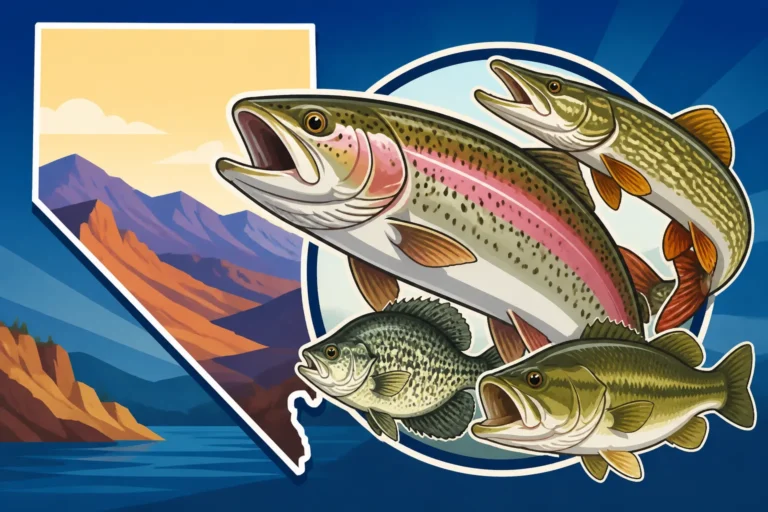
Abundant Game Fish: Bass, Trout, and Stripers
Nevada is a fantastic state for diverse fishing. Here are the main stars that regularly draw anglers from all over:
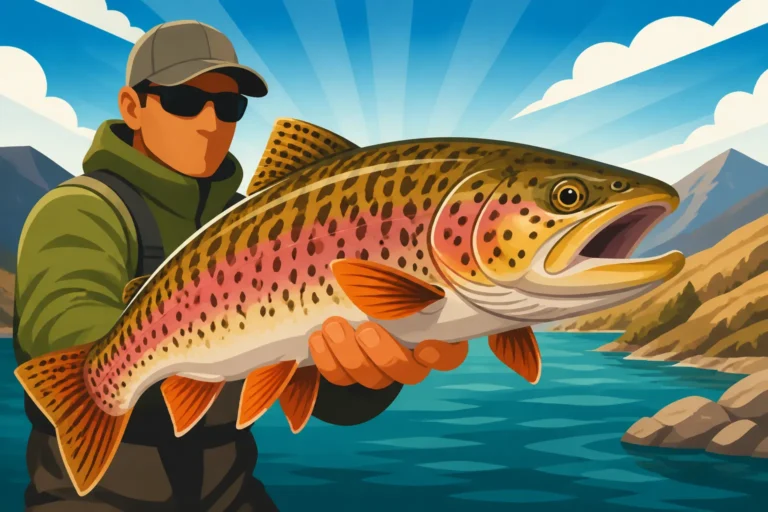
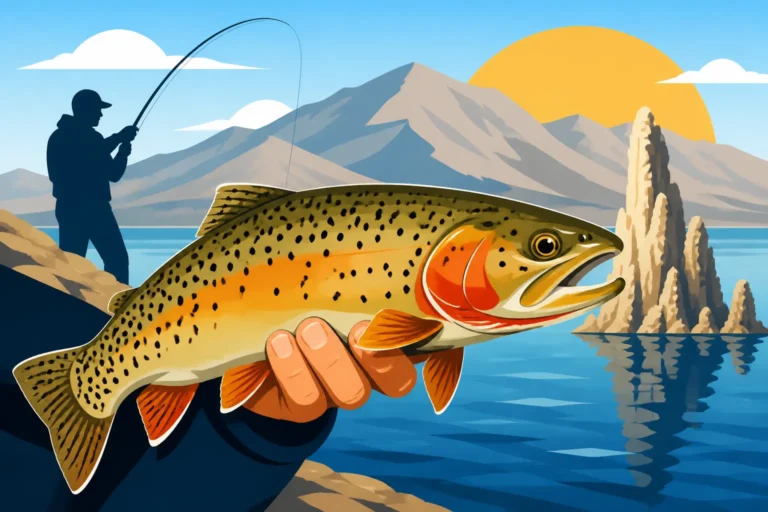
- Trout: From high-mountain streams to urban ponds, trout are perhaps the most common and widely distributed game fish in Nevada. Rainbow trout are regularly stocked in dozens of locations statewide, providing excellent action for anglers of all skill levels. You'll also find Lahontan cutthroat trout in specific waters, most notably Pyramid Lake, which is famous for producing world-record-sized individuals. Brown trout and even tiger trout hybrids are also present in certain areas. Whether you enjoy fly fishing in pristine alpine settings or bait fishing at a local pond, trout fishing is a cornerstone of Nevada's angling scene. Check out How to Fish for Trout in Nevada for more detailed techniques and locations.
- Bass (Largemouth and Smallmouth): Lake Mead and Lake Mohave are nationally renowned for their incredible bass fisheries. Largemouth bass thrive in the warmer, shallower coves with submerged vegetation and rocky structure, offering explosive topwater action and exciting finesse fishing. Smallmouth bass, known for their powerful fights, prefer rocky points, ledges, and deeper clear waters. You'll find these tenacious fighters in many other Nevada reservoirs as well, from Northern Nevada's Lahontan Reservoir to smaller community ponds. For those coming from walleye country, the aggressive nature of bass can be a very satisfying alternative. If you're looking for gear, Best Tackle for Nevada Bass Fishing can help you get started.
- Striped Bass: Lake Mead and Lake Mohave are also epicenters for striped bass fishing. These powerful, schooling predators provide non-stop action, often hitting lures and bait with incredible force. They can be caught year-round, from shore or boat, and offer a thrilling experience unlike almost any other freshwater fish. Their aggressive feeding habits and tendency to school make them a blast to target, whether you're trolling, jigging, or even casting topwater lures during boils. If you're looking for a hard-fighting fish that can be found in abundance, stripers are an excellent choice.
Similarities in Pursuit: What to Target if You Love Walleye Fishing
If it's the specific experience of walleye fishing you love – the challenge, the jigging, the hunt for structure-oriented fish – then several Nevada species can offer a similar thrill, even if they aren't walleye.
- Smallmouth Bass: These fish share a lot of characteristics with walleye in terms of habitat preference. Smallmouth love rocky points, ledges, and offshore structure, much like walleye. Targeting them often involves similar techniques, such as jigging soft plastics, crankbaits, or even vertical presentations. Their subtle bites and hard fights make them a worthy adversary for any angler who appreciates the finesse required for walleye.
- Lake Trout (Mackinaw) at Lake Tahoe: While a very different fish visually, the pursuit of Mackinaw can resonate with walleye anglers. Mackinaw are deepwater, cold-loving predators that relate heavily to underwater structure, ledges, and drop-offs. Trolling and vertical jigging are prime techniques, often requiring electronic fish finders to locate schools and understand the contours of the lake bottom. The sheer size of Lake Tahoe and the challenge of finding these deepwater giants can be incredibly rewarding, offering a similar strategic depth as walleye fishing. You can learn more about this incredible fishery in the Lake Tahoe Nevada Fishing Guide.
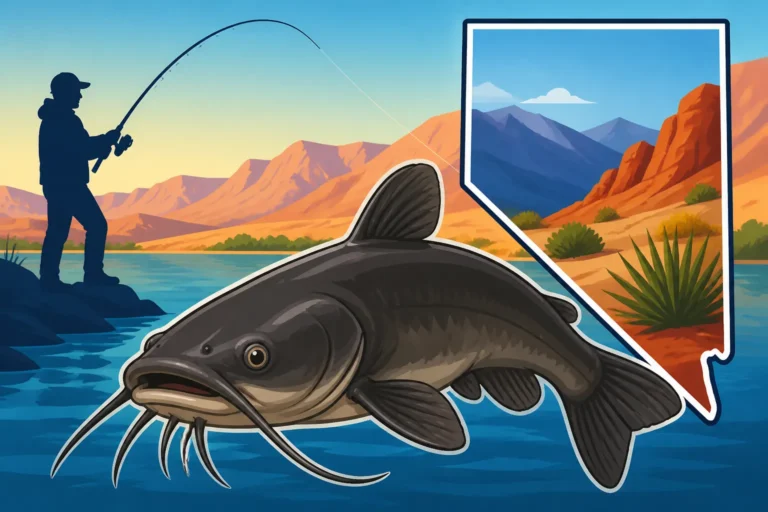
- Channel Catfish: While perhaps not as glamorous as walleye, channel catfish share a preference for turbid water and often relate to deeper holes and structure, especially in desert reservoirs. They are opportunistic feeders and can be caught on a variety of baits, offering a strong fight. Night fishing for catfish is also very popular, echoing the nocturnal habits of walleye.
- Crappie and Perch: In certain reservoirs, like Wildhorse Reservoir, you'll find populations of crappie and yellow perch. These panfish, especially perch, can be caught with similar light-tackle jigging techniques used for smaller walleye, often schooling up around submerged structure. While not the trophy fish of walleye, they offer consistent action and are excellent table fare, much like their toothy counterparts.
Ultimately, Nevada offers a rich tapestry of fishing opportunities. While walleye are a rare treat, the state delivers unparalleled experiences for bass, trout, and striped bass, among others. Don't let the scarcity of walleye deter you from exploring the truly incredible angling adventures that await you in the Silver State. Grab your Nevada Fishing Gear Essentials, consult the Nevada Fishing Seasons by Month, and get ready to discover your new favorite species!
Disclaimer
This article is for general informational purposes only and does not constitute professional advice. Laws, prices and regulations vary by location and change over time. Consult a qualified professional for guidance on your specific situation.