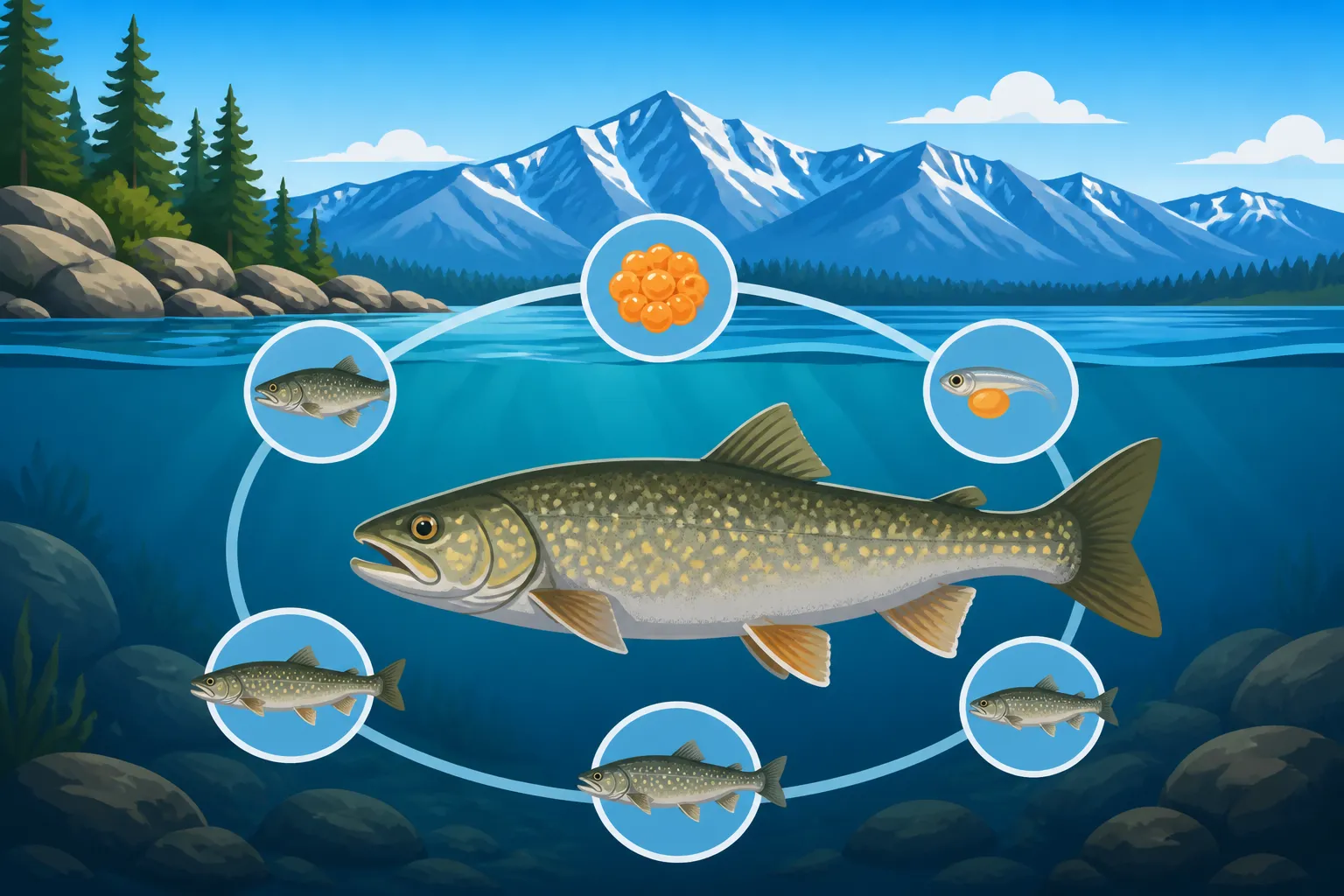
Mackinaw trout lifespan at Lake Tahoe
If you've ever dreamt of battling a true freshwater behemoth, chances are the Mackinaw trout of Lake Tahoe have crossed your mind. These incredible fish are legendary for their size and fighting spirit, but beyond the thrill of the catch, many anglers wonder just how long these magnificent creatures live in the deep, clear waters of Tahoe. Understanding the lifespan of a Mackinaw isn't just a fun fact; it helps us appreciate their resilience, the delicate balance of their ecosystem, and how our angling practices impact their future. This guide will take a deep dive into the fascinating longevity of Lake Tahoe's Mackinaw trout, exploring what makes them thrive and what factors shape their journey through life.
The Incredible Lifespan of Lake Tahoe Mackinaw Trout
Mackinaw trout, also known as lake trout, are a truly remarkable species, particularly within the unique environment of Lake Tahoe. They are not your average pond trout; these are apex predators designed for deep, cold, and often vast bodies of water. Their impressive size often goes hand-in-hand with an equally impressive lifespan, distinguishing them from many other freshwater game fish.
What is a Mackinaw Trout?
Before we talk about how long they live, let's just appreciate what a Mackinaw is. These aren't just big trout; they're a distinct species within the char family, characterized by their sleek, torpedo-shaped bodies, typically dark olive to gray with lighter spots, and a deeply forked tail. In Lake Tahoe, they are at the top of the food chain, growing to immense sizes thanks to the plentiful prey and nutrient-rich environment. While many trout species prefer shallower, moving water, Mackinaw are built for the depths, often found hundreds of feet down where temperatures remain consistently cold. If you're looking to learn more about these fascinating fish, our Mackinaw Lake Trout at Lake Tahoe guide provides a deeper look into their characteristics and why they are so special to the region.
Typical Lifespan Expectations
So, how long do these Lake Tahoe giants truly live? Mackinaw trout are renowned for their longevity, often living much longer than their rainbow or brown trout cousins. In ideal conditions, with ample food and minimal stress, Mackinaw in Lake Tahoe can easily live into their teens, with many specimens reaching 20 to 25 years of age. It's not uncommon to hear tales of even older fish being caught, though these are certainly the exceptions. The colder the water, the slower their metabolism, and often, the longer their potential lifespan. Lake Tahoe, with its incredible depth and consistently cold water, provides exactly these kinds of perfect conditions for sustained growth and extended life. Think about it: a fish you catch today might have been swimming in Lake Tahoe since you were a child, or even longer!
| Age Category | Typical Length (inches) | Typical Weight (lbs) | Notes on Lifespan in Lake Tahoe |
|---|---|---|---|
| Juvenile (0-5 yrs) | 8-20 | 0.5-3 | Rapid growth, establishing feeding habits |
| Young Adult (6-10) | 20-30 | 3-10 | Strong growth, sexually mature |
| Mature Adult (11-15) | 30-40+ | 10-25+ | Peak breeding, continued slow growth |
| Old Growth (16-25+) | 40-50+ | 25-40+ | Longevity depends on conditions & genetics |
Note: These are general ranges and individual fish can vary significantly based on genetics, food availability, and specific lake conditions.
Key Factors Shaping Mackinaw Longevity in Lake Tahoe
Just like any living creature, a Mackinaw's lifespan isn't a fixed number. Several crucial factors interact to determine how long an individual fish will thrive in the challenging yet bountiful environment of Lake Tahoe. From the abundance of their favorite meals to the very conditions of the water they swim in, every element plays a role in their journey through life.
The Role of Food and Habitat
A Mackinaw's ability to find consistent and nutritious food sources is paramount to its growth and survival. Lake Tahoe provides a rich buffet, and these fish are perfectly adapted to exploit it. Their diet primarily consists of smaller baitfish like kokanee salmon, which were introduced to the lake decades ago and now form a critical part of the food web. They also feast on Mysis shrimp, another introduced species, and even crayfish. A plentiful and accessible food supply means faster growth, healthier fish, and better resistance to disease, all contributing to a longer life. What Mackinaw trout eat at Lake Tahoe offers more insights into their specific dietary preferences.
Their habitat is just as vital. Mackinaw are cold-water specialists, preferring the deep, dark, and frigid waters of Lake Tahoe. They're often found hugging the bottom or suspended in the water column at depths where temperatures rarely fluctuate and oxygen levels are stable. These deep-water havens provide refuge from warmer surface temperatures and bright sunlight, allowing them to conserve energy and grow slowly but steadily over many years. Access to consistent deep-water structure, like ledges, drop-offs, and submerged canyons, is crucial for their long-term survival and provides ideal ambush points for prey.
Environmental Conditions
Lake Tahoe is famous for its incredible clarity and pristine water quality, and these conditions are direct contributors to the health and longevity of its Mackinaw population. High oxygen levels, consistent cold temperatures at depth, and minimal pollution create a stress-free environment where fish can thrive. Significant changes in water quality, such as nutrient loading or decreased clarity, could reduce the availability of prey or directly impact the fish's health, potentially shortening their lives. Fortunately, extensive conservation efforts around Lake Tahoe work hard to maintain its exceptional water quality, benefiting all its inhabitants, especially the long-lived Mackinaw. This attention to the ecosystem helps ensure future generations of these impressive fish.
Fishing Pressure and Management
While Lake Tahoe is a vibrant fishery, angling pressure can certainly impact the lifespan of Mackinaw trout, especially for those trophy-sized, older fish. Regulations regarding Daily limit for Mackinaw trout at Lake Tahoe and Minimum size for keeping a lake trout at Lake Tahoe are in place for a reason: to manage the population sustainably. The practice of catch and release, particularly for larger fish, is hugely important for allowing these giants to continue spawning and contributing to the gene pool. Releasing a large, old Mackinaw means it can potentially live for many more years, producing more offspring and maintaining the health of the fishery. Many anglers are now very conscious of their impact, opting for quick photos and careful release to ensure these fish continue to grace the depths of Tahoe. Even if you're not planning to keep your catch, understanding proper handling techniques is crucial for the fish's survival. You might even find specialized release tools on Amazon that minimize stress on the fish.
The Unique Ecosystem of Lake Tahoe Supporting These Giants
Lake Tahoe isn't just a beautiful body of water; it's a finely balanced ecosystem that, for centuries, has supported a diverse array of aquatic life, including its iconic Mackinaw trout. The very characteristics that make Tahoe a world-renowned destination also contribute significantly to the exceptional longevity of these deep-water dwelling fish.
Lake Tahoe's Deep, Cold Waters
The sheer depth of Lake Tahoe—reaching over 1,600 feet in places—is perhaps the single most important factor enabling Mackinaw to live such long lives. This depth creates a vast reservoir of consistently cold water, even during the warmest summer months. As we discussed, cold water means a slower metabolism for cold-blooded fish like trout. They don't burn energy as quickly, allowing them to grow at a more leisurely pace and extend their years. Furthermore, the deep water provides a stable, oxygen-rich environment that is ideal for these species. Imagine a fish living in a constant, perfectly chilled refrigerator; that's essentially what the deeper parts of Lake Tahoe are for the Mackinaw. This also dictates certain fishing techniques; understanding Trolling Techniques for Lake Tahoe Mackinaw or how to find Lake Tahoe Deep Water Mackinaw Spots often involves targeting these profound depths.
Prey Fish Dynamics
The availability of a consistent and abundant food source is non-negotiable for growing and sustaining large, long-lived predators. Lake Tahoe's ecosystem, while naturally supporting various smaller organisms, has been augmented by the introduction of kokanee salmon and Mysis shrimp, which now form the backbone of the Mackinaw's diet. Kokanee, in particular, provide a fatty, energy-rich meal that fuels the growth of these large trout. A healthy population of kokanee directly translates to a healthy and long-lived Mackinaw population. Managing these prey fish populations through stocking programs and careful regulation is an integral part of sustaining the entire fishery. Without these vital food sources, the Mackinaw wouldn't be able to reach their impressive sizes or achieve such remarkable lifespans.
Conservation Efforts
The ongoing health and longevity of Lake Tahoe's Mackinaw trout are not accidental; they are the result of dedicated, long-term conservation efforts by various agencies, including the Nevada Department of Wildlife (NDOW) and organizations like the Tahoe Fund. These groups work tirelessly to monitor fish populations, conduct research, manage stocking programs (especially for prey species), and enforce regulations that protect the fishery. Efforts to maintain the unparalleled water quality of Lake Tahoe, combat invasive species, and study fish behavior all contribute to creating an environment where Mackinaw can thrive for decades. Anglers also play a crucial role by adhering to regulations and participating in responsible fishing practices. If you're passionate about Lake Tahoe fishing, checking out resources like Nevada Fishing Regulations Explained or even picking up a good field guide on Amazon about native fish could deepen your appreciation for these conservation efforts.
Angler's Role in Protecting Mackinaw Longevity
As anglers, we have a unique opportunity and responsibility to help protect the very resource we enjoy. When it comes to long-lived fish like the Lake Tahoe Mackinaw, our actions on the water can directly influence their ability to survive and thrive for many years, continuing their remarkable journey through Tahoe's depths.
Best Practices for Catch and Release
Catch and release isn't just a trendy phrase; it's a vital conservation tool, especially for species with extended lifespans and complex population structures like the Mackinaw. If you're not planning to keep your catch, or if you land a truly exceptional, older fish, practicing responsible catch and release significantly increases its chances of survival. This includes:
- Minimizing Fight Time: Bring the fish in quickly to reduce exhaustion.
- Using Proper Gear: Heavy enough tackle can help land fish faster. You can find robust fishing lines and reels on Amazon that are suitable for battling large Mackinaw, reducing the fight time and stress on the fish.
- Barbless Hooks: Consider using barbless hooks or pinching down barbs to make hook removal quicker and less damaging.
- Wet Hands Only: Always wet your hands before handling the fish to protect its slime coat, which is its primary defense against infection.
- Support the Fish: Support the fish horizontally, especially large ones, to protect its internal organs and spine. Avoid holding it vertically by the jaw or tail.
- Quick Release: Get the hook out gently and quickly while the fish is still in the water, if possible. If you need a photo, be swift and keep the fish partially submerged.
- Revive If Needed: If the fish seems stressed or lethargic, hold it upright in the water, facing into the current (if any), until it swims away under its own power.
By following these simple steps, you ensure that the Mackinaw you release has the best possible chance to continue its long life in Lake Tahoe.
Understanding Regulations and Limits
Ignorance of the law is never an excuse, especially when it comes to fishing regulations designed to protect vulnerable populations. For Lake Tahoe Mackinaw, regulations are carefully crafted by the Nevada Department of Wildlife to ensure sustainable fishing. These rules often cover aspects such as:
- Bag Limits: The maximum number of fish you can keep per day.
- Size Limits: Minimum or maximum sizes of fish that can be retained.
- Season Dates: Specific times of the year when fishing for certain species is allowed or prohibited.
- Gear Restrictions: Allowed types of bait, lures, or methods of fishing.
It’s crucial to familiarize yourself with the current Nevada Fishing Regulations Explained before you head out. These regulations are not arbitrary; they are based on scientific data and are essential for safeguarding the future of the fishery. For instance, some regulations are designed to protect older, larger Mackinaw that are critical for spawning, allowing them to live out their full Mackinaw Trout Size and Age at Lake Tahoe potential. Always make sure your Nevada Fishing License Guide is current and that you understand any special provisions for Lake Tahoe. By being a responsible and informed angler, you contribute directly to the longevity of these magnificent fish and ensure that Lake Tahoe remains a premier destination for generations to come.
Disclaimer
This article is for general informational purposes only and does not constitute professional advice. Laws, prices and regulations vary by location and change over time. Consult a qualified professional for guidance on your specific situation.