Daily limit for Mackinaw trout at Lake Tahoe
It can be incredibly frustrating to head out for a peaceful day of fishing on the beautiful waters of Lake Tahoe, only to realize you're unsure about the precise regulations for the fish you're targeting. Especially with a prized catch like a Mackinaw trout, you want to be certain you're following all the rules. This comprehensive guide will clear up all the confusion around the daily limits for Mackinaw trout in Lake Tahoe, helping you fish responsibly and enjoy your time on the water.
Understanding Mackinaw Trout in Lake Tahoe
Mackinaw trout, also known as lake trout, are an iconic species in Lake Tahoe. They're a true prize for any angler, known for their size, strength, and the challenge they present. But beyond their sporting appeal, these fish play a significant role in the lake's ecosystem, and their management is crucial.
Why Mackinaw Trout are Special in Lake Tahoe
Mackinaw trout are not native to Lake Tahoe. They were actually introduced to the lake in the late 19th century, and they thrived, becoming the dominant predatory fish. While they've certainly established a strong presence, their long-term impact on native species, especially the Lahontan cutthroat trout (which once called Tahoe home but is now primarily found in Pyramid Lake), has been a complex topic for biologists. Today, fishing for Mackinaw is a major draw for anglers from all over, providing an exciting deep-water challenge. Their ability to grow to impressive sizes in the cold, clear depths of Tahoe makes them legendary among local fishermen. Catching one can be a real battle, often requiring specialized gear and techniques, which is part of their allure.
Identifying Mackinaw Lake Trout
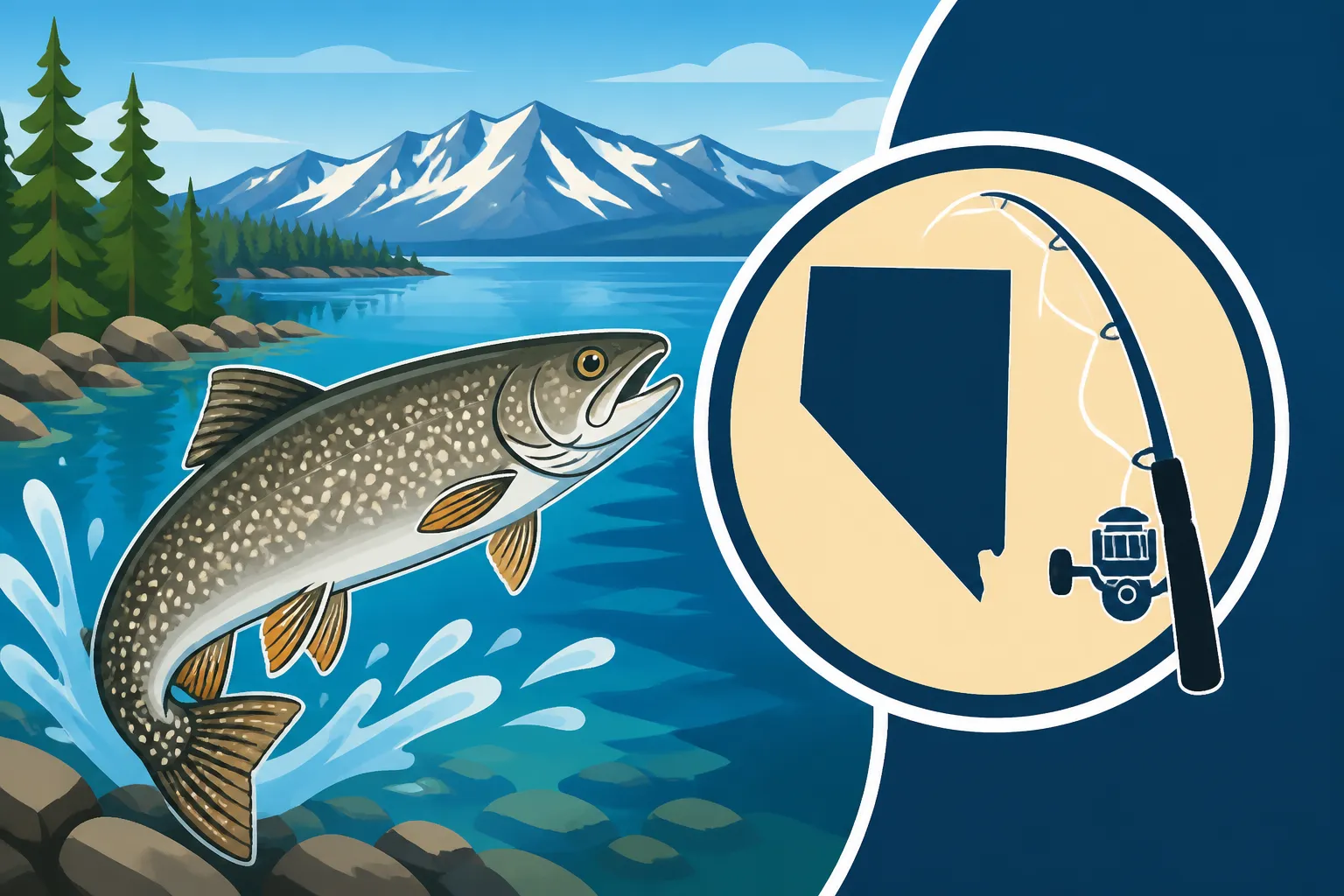
Knowing what you've caught is the first step to adhering to the regulations. Mackinaw trout have a distinctive appearance that sets them apart from other trout species you might encounter in Lake Tahoe. They typically have a light gray to olive-green body, heavily covered with irregular, light spots on their sides and back, extending onto the dorsal and caudal fins. Their tail fin is deeply forked, much more so than a rainbow trout or brown trout, which helps distinguish them. They also have a large mouth with teeth on both the upper and lower jaws. Young Mackinaw can sometimes be confused with other trout, but that deeply forked tail is usually the giveaway. They can grow quite large, with some specimens in Lake Tahoe reaching well over 20 pounds, though average catch sizes are typically much smaller.
Navigating the Daily Limits for Mackinaw Trout
The daily limit for Mackinaw trout in Lake Tahoe is one of the most frequently asked questions, and for good reason. The rules are in place to ensure a sustainable fishery for everyone. It's not just about the number of fish, but often about specific size requirements too, which makes it even more critical to be informed before you cast a line.
Current Nevada Daily Limits for Lake Tahoe
For anglers fishing on the Nevada side of Lake Tahoe, the current daily creel limit for Mackinaw trout is two fish. This is a straightforward rule regarding the number you can keep in a single day. However, it's not just about the quantity; there are specific size restrictions that anglers absolutely must adhere to. According to the Nevada Department of Wildlife (NDOW), Mackinaw trout caught in Lake Tahoe must be at least 17 inches long, but no more than 22 inches long. This means there's a protected slot limit, aiming to protect both smaller, immature fish and larger, older breeding fish. The goal is to allow a healthy population to reproduce and grow, while still providing ample opportunities for anglers to enjoy their sport. Make sure you have a reliable measuring tape on your boat or in your tackle box to accurately check your catch.
California Side vs. Nevada Side Rules
Here's where it can get a little tricky, and it’s a common point of confusion for anglers on Lake Tahoe: the rules can differ significantly depending on which side of the state line you're fishing. Lake Tahoe is unique in that it's shared by both Nevada and California, and each state has its own set of fishing regulations. While this guide primarily focuses on the Nevada rules, it's vital to be aware of the California Department of Fish and Wildlife (CDFW) regulations if you venture across the invisible state line.
For Mackinaw trout on the California side of Lake Tahoe, the daily limit is also two fish. However, the size restrictions are a bit different. California regulations state that Mackinaw trout must be at least 10 inches long, but only one fish over 16 inches may be kept. This means you could keep two fish if both are under 16 inches, or one fish under 16 inches and one over, but never two fish over 16 inches. As you can see, these differences are substantial and underscore the importance of knowing exactly where you are fishing and which state's regulations apply. Always consult the most recent regulations booklet from both NDOW and CDFW if you plan to fish different areas of the lake. This situation makes it all the more important to carry your Nevada Fishing License Guide when you're on the water.
Importance of NDOW Regulations
The regulations set by the Nevada Department of Wildlife (NDOW) for Mackinaw trout, and all other fish species, aren't arbitrary. They are carefully crafted based on scientific research, population surveys, and a deep understanding of the lake's ecosystem. The primary goal is conservation – ensuring that fish populations remain healthy and sustainable for future generations of anglers. The slot limit for Mackinaw in Lake Tahoe, for example, is specifically designed to protect the breeding stock. By allowing fish within a certain size range to be kept, but protecting the very large, highly reproductive individuals, NDOW aims to foster a robust and self-sustaining Mackinaw population. Ignoring these rules not only puts you at risk of hefty fines and penalties but also undermines the long-term health of one of Nevada's most cherished fisheries. Think of these regulations as a shared responsibility – we all play a part in keeping Lake Tahoe's fishing incredible. For more details on the broader regulatory framework, check out our guide on Nevada Fishing Regulations Explained.
Practical Tips for Responsible Mackinaw Fishing
Fishing for Mackinaw trout in Lake Tahoe is a fantastic experience, but it also comes with the responsibility of adhering to best practices, especially when it comes to handling your catch. Whether you're keeping your legal limit or practicing catch and release, how you treat the fish makes a big difference.
Catch and Release Best Practices for Mackinaw
Even with a daily limit of two fish, many anglers choose to release some or all of their Mackinaw catch, especially if they are outside the legal slot or if they just want to enjoy the fight. Practicing proper catch and release is crucial for the survival of the fish. Mackinaw trout often come from deep water, which means they can suffer from barotrauma (the "bends") when brought quickly to the surface. Look for signs like bulging eyes or a distended stomach. If a fish shows severe signs of barotrauma, its chances of survival are unfortunately low.
Here are some tips for increasing survival rates:
- Land the fish quickly: Don't play the fish to exhaustion, especially larger ones.
- Use appropriate gear: Heavier tackle can help land fish faster.
- Minimize air exposure: Keep the fish in the water as much as possible. A good-sized net is invaluable here.
- Wet your hands: If you must handle the fish, wet your hands first to protect its slime coat.
- Use dehooking tools: Long-nosed pliers or a dehooker can remove hooks quickly and with minimal damage. Barbless hooks can also make removal much easier.
- Vent if necessary: If a fish is heavily bloated and can't swim down, carefully vent it using a specialized tool to release gas from its swim bladder. This is a skill that requires practice and should only be done if you know what you're doing, as improper venting can be fatal.
- Allow for recovery: Support the fish in the water until it regains its strength and can swim away on its own. For deep-caught fish, a release device that takes the fish back down to depth can greatly improve survival. You can learn more about general trout handling in our Catch and Release Techniques for Trout article.
Essential Gear for Targeting Mackinaw
Mackinaw trout fishing in Lake Tahoe is often a deep-water game, requiring specific gear to be successful. You're generally not sight-fishing from the shore for these giants.
- Rods and Reels: A medium-heavy to heavy action rod, usually 7 to 8 feet long, paired with a stout baitcasting or spinning reel spooled with 20-30 lb test braided line is common. The braided line offers sensitivity and strength, crucial for feeling subtle bites in deep water and fighting powerful fish.
- Line: Fluorocarbon leaders in the 15-25 lb range are often used to provide invisibility and abrasion resistance in the clear water.
- Terminal Tackle: Downriggers are very popular for presenting lures at precise depths. You'll also want heavy weights (pencil weights, cannonball sinkers), swivels, and strong snaps.
- Lures: Popular lures include large spoons (like the Wiggle Fin, Apex, or Northern King), large swimbaits, and even live minnows (where legal, always check current regulations for bait restrictions). Some anglers also do well with dodgers or flashers paired with a trailing lure or bait. Many anglers find great deals on these specialized items on sites like Amazon, where you can browse a wide selection of brands and types specifically designed for deep-water trolling.
- Electronics: A good fish finder is almost essential for locating structure, baitfish, and the Mackinaw themselves in the vastness of Lake Tahoe. Models from brands like Garmin or Lowrance, often found on Amazon, can make a huge difference in your success rate.
- Safety Gear: Given the size and depth of Lake Tahoe, always prioritize safety. This includes having proper personal flotation devices for everyone on board, a marine radio, and navigation tools. Remember to always bring a reliable cooler (again, Amazon has many great options from brands like Yeti or Igloo) to keep your catch fresh if you decide to keep it within the legal limits. For more information on what to bring, check out our guide on Nevada Fishing Gear Essentials.
Staying Informed with Current Regulations
Regulations, even for a specific species like Mackinaw trout, can change. Water levels, fish population assessments, and environmental factors can all influence regulatory updates. It's not enough to simply know the rules from last year; you need to stay current.
The best ways to stay informed are:
- NDOW Website: The official Nevada Department of Wildlife website is your primary source for the most up-to-date fishing regulations. They typically publish a new regulations booklet annually, usually around March 1st.
- Regulations Booklet: Always pick up a physical copy of the current Nevada Fishing Regulations booklet from any license agent, sporting goods store, or NDOW office. It's compact and can be easily referenced while on the water.
- NDOW App: Many state wildlife agencies now offer mobile apps that include digital versions of regulations, fish stocking schedules, and reporting tools. Check if NDOW has a current app available.
- Local Bait and Tackle Shops: These shops are often run by seasoned anglers who are incredibly knowledgeable about local regulations and conditions. They can be a fantastic resource.
- Signage at Launch Ramps: Important rule changes or specific local restrictions are often posted at boat launch ramps around Lake Tahoe.
- Internal Link: If you're wondering about other species, our Nevada Fish Species Guide is a great starting point. And for general seasonal information, consider reading up on Nevada Fishing Seasons by Month to plan your trips effectively. Knowing where to buy a license is also key, so check out Where to Buy a Nevada Fishing License before your next trip. To avoid common pitfalls, it’s also wise to review potential Nevada Fishing Violation Penalties. Finally, for more details on getting your boat ready, our Nevada Boat Registration and Titling Guide is full of helpful information.
Staying informed means you can focus on the fishing, knowing you're doing everything by the book. It makes the entire experience much more enjoyable and worry-free.
Here's a quick summary of the Mackinaw trout daily limits and size restrictions for Lake Tahoe:
| Jurisdiction | Daily Limit | Minimum Size | Maximum Size | Additional Notes |
|---|---|---|---|---|
| Nevada | 2 fish | 17 inches | 22 inches | Strict slot limit, protected fish outside this range |
| California | 2 fish | 10 inches | None | Only one fish over 16 inches may be kept |
Disclaimer
The information provided in this guide is intended for general informational purposes only and is subject to change. While we strive to provide accurate and up-to-date information, fishing regulations can be complex and are regularly updated by the Nevada Department of Wildlife (NDOW) and the California Department of Fish and Wildlife (CDFW). It is solely the angler's responsibility to review and comply with all current federal, state, and local fishing laws and regulations before engaging in any fishing activity. Always consult the official NDOW and CDFW regulation handbooks or websites for the most current and authoritative information.