Nevada bass and trout combined possession limit
It's incredibly frustrating when you're just trying to enjoy a peaceful day out on a Nevada lake or river, only to find yourself scratching your head over the fishing regulations. One of the most common points of confusion for anglers, especially those targeting a variety of species, is understanding the nuances of possession limits – particularly when it comes to bass and trout. This guide is dedicated to clearing up exactly what Nevada's bass and trout combined possession limit entails, helping you confidently cast your line and enjoy the stunning waters of the Silver State without a worry.
Demystifying Nevada's Bass and Trout Possession Limits
When you're out on the water, whether you're chasing the spirited fight of a Lahontan cutthroat trout or the explosive strike of a largemouth bass, it's easy to get caught up in the thrill of the catch. However, knowing exactly what you can legally keep and possess is crucial, and it’s often where anglers encounter the most misunderstandings. The term "combined possession limit" can be a bit misleading because, in Nevada, the regulations for bass and trout are generally addressed separately, rather than as a single, overarching total.
First, let's break down the basic terminology. A daily creel limit refers to the maximum number of fish of a particular species or species group that an angler may legally keep in one day. This is the number you can take from the water between midnight and midnight. The possession limit, on the other hand, is the maximum number of fish of a particular species or species group that an individual may have in their physical possession at any time, regardless of when or where they were caught. This includes fish in your livewell, cooler, freezer at home, or in transit. Typically, the possession limit in Nevada is twice the daily creel limit.
Now, regarding the "combined" aspect for bass and trout specifically: Nevada's Department of Wildlife (NDOW) regulations usually combine limits within a species group, not across different groups like bass and trout. For instance, all species of trout (rainbow, brown, brook, cutthroat, lake trout/Mackinaw) typically fall under a single aggregate trout limit. Similarly, all species of bass (largemouth, smallmouth, striped bass, white bass, wipers) usually fall under a single aggregate bass limit. What this means in practice is that you must adhere to the specific daily and possession limits for trout as a group, and separately, for bass as a group. There isn't a singular numerical limit that combines your total number of bass and trout together into one bucket.
Let's look at the general statewide limits to make this crystal clear. While it’s always best to check the most current Nevada Fishing Regulations Explained booklet from NDOW, generally:
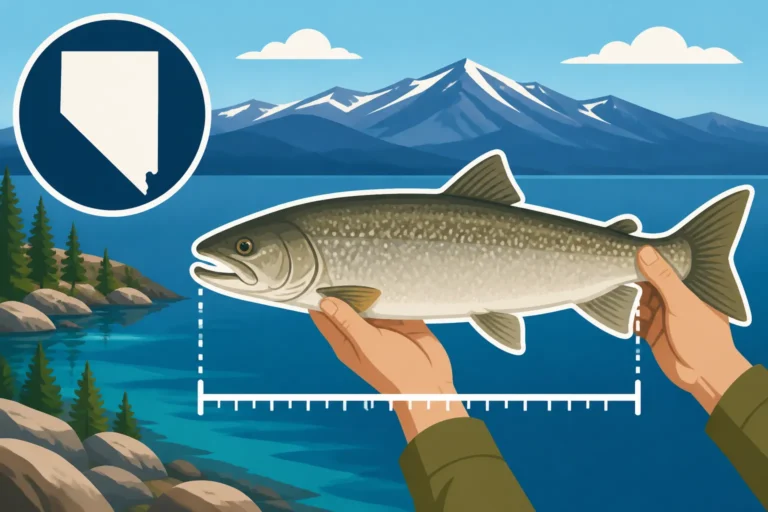
- Trout (all species, aggregate): The daily creel limit is five (5) fish, not to exceed ten (10) pounds and one (1) fish. The possession limit is ten (10) fish, not to exceed twenty (20) pounds and two (2) fish. This means if you catch 3 rainbow trout and 2 brown trout, you've hit your daily trout limit. If you have 6 rainbow trout and 4 brown trout in your freezer from previous trips, you're at your possession limit for trout. It doesn't matter what combination of trout species you have, they all count towards that aggregate total. For more specific details, you can dive into the Nevada Trout Daily Limit Rules.
- Bass (all species, aggregate): The daily creel limit for all species of bass (largemouth, smallmouth, striped bass, wipers, etc.) is ten (10) fish. The possession limit is twenty (20) fish. Just like trout, this is an aggregate limit. If you catch 5 largemouth bass and 5 smallmouth bass, you've hit your daily bass limit. If you have 12 striped bass and 8 largemouth bass at home, you're at your possession limit for bass. For a deeper understanding of bass regulations, check out the Nevada Bass Daily Limit and Size Rules.
Therefore, if you're out fishing and catch both bass and trout, you're expected to comply with both sets of limits independently. You can have your daily limit of trout and your daily limit of bass, as long as each group's limit is respected. There is no single "combined bass and trout" number that supersedes these individual species group regulations.
| Species Group | Daily Creel Limit (General Statewide) | Possession Limit (General Statewide) | How "Combined" Applies Within the Group |
|---|---|---|---|
| Trout (Aggregate) | 5 fish, not to exceed 10 lbs & 1 fish | 10 fish, not to exceed 20 lbs & 2 fish | This limit applies to the sum of all trout species (Rainbow, Brown, Cutthroat, Brook, Lake Trout/Mackinaw) you catch and keep. You cannot exceed 5 total trout (by number AND weight) in a single day, or 10 total in possession. |
| Bass (Aggregate) | 10 fish | 20 fish | This limit applies to the sum of all bass species (Largemouth, Smallmouth, Striped, White, Wipers) you catch and keep. You cannot exceed 10 total bass in a single day, or 20 total in possession. |
Note: Specific waters (like Pyramid Lake or Lake Tahoe) may have special regulations that differ from statewide limits. Always check the current NDOW regulations for the specific body of water you plan to fish.
Why Combined Limits Matter: Conservation and Fair Share
It might seem like a bureaucratic headache, all these different numbers and rules, but there's a really good reason behind every single regulation, including the way possession limits are structured for different fish species. At its heart, it’s all about conservation and ensuring that our precious fisheries remain healthy and abundant for future generations of anglers.
Different fish species have different growth rates, reproductive cycles, and susceptibilities to fishing pressure. For example, some trout species might be slower to reproduce or grow, making them more vulnerable to overfishing if limits were too high. Bass, particularly largemouth and smallmouth, can also be sensitive during their spawning seasons. By setting specific limits for Nevada Fish Species Guide like trout and bass, the Nevada Department of Wildlife (NDOW) can manage these populations more effectively. They study fish stocks, monitor environmental conditions, and use these regulations as a vital tool to maintain a balance.
Imagine if there was one single, high combined limit for all fish. Anglers might disproportionately target one species that's easy to catch, quickly depleting its numbers while other species remain untouched. This could throw the entire ecosystem out of whack. NDOW’s approach ensures a fairer distribution of the harvest across different species and among all anglers. It prevents individuals from hoarding a particular type of fish, which could negatively impact the overall health and availability of that species for everyone else.
These regulations also play a crucial role in maintaining biological diversity. Nevada is home to a fantastic array of aquatic life, from the famous Lahontan cutthroat trout in Pyramid Lake to the powerful striped bass in Lake Mead. Each species contributes uniquely to its habitat. Adhering to these carefully crafted rules helps protect these unique ecosystems and supports the continued stocking programs that make fishing in Nevada so rewarding. It’s about being responsible stewards of our natural resources, ensuring that the thrill of reeling in a trophy fish isn't just a memory for us, but a possibility for our kids and grandkids too. It also helps manage public perception and ensures that fishing remains a respected and sustainable outdoor activity for years to come.
Navigating Common Angler Scenarios and Misunderstandings
Even with the regulations laid out, real-world fishing scenarios can sometimes throw a curveball. It’s easy to misunderstand how these rules apply when you’re out for a multi-day trip or catching a mixed bag of fish. Let’s walk through some common situations to clarify how Nevada’s bass and trout possession limits actually work on the ground.
Scenario 1: The Multi-Species Day Trip
You're spending a glorious day on a reservoir, let's say a place like Wildhorse Reservoir, known for both its trout and its smallmouth bass. You have a fantastic morning and manage to catch and keep five beautiful rainbow trout. Later in the afternoon, the bass bite picks up, and you successfully land and keep ten healthy smallmouth bass. Are you in violation of any "combined" limit?
- Clarification: No, in this scenario, you are compliant with statewide general regulations. You have reached your aggregate daily creel limit for trout (5 fish) and your aggregate daily creel limit for bass (10 fish). Since there isn't a single "trout + bass" combined daily limit, you've respected the individual limits for each species group. The key here is that both counts operate independently.
Scenario 2: The Two-Day Cooler Stock
You went fishing yesterday and kept eight bass. You put them on ice in your cooler, and they're still there today as you head out for another trip. This morning, you catch three more bass. Can you keep all three?
- Clarification: This is where the possession limit comes into play. The statewide possession limit for bass is 20 fish. If you already have 8 bass in possession from a previous trip, you can legally catch and keep up to 12 additional bass today (8 + 12 = 20), as long as you do not exceed the daily creel limit of 10 bass caught today. So, if you only catch 3 more bass today, your total possession would be 11 (8 from yesterday + 3 today), which is well within the 20-fish possession limit. However, if you already had 15 bass in your possession from yesterday, you could only legally keep 5 more bass today to reach the 20-fish possession limit, even if you caught more than 5. It is critical to always be aware of your total possession.
Scenario 3: Traveling with Your Catch
You've had a successful week-long fishing vacation at one of the Best Places to Fish in Nevada like Lake Mead or Lake Tahoe, catching a mix of trout and bass. You're now packed up, with a cooler full of fish, driving home. What's the "combined" limit for the fish in your cooler?
- Clarification: Again, the possession limits apply independently. If you have 10 trout (e.g., a mix of rainbows and cutthroats) and 20 bass (e.g., striped bass and largemouth) in your cooler, and these numbers align with the respective statewide possession limits, you are compliant. You aren't adding the 10 trout and 20 bass together to get a single total that then needs to be within a hypothetical "30 fish combined limit." As long as each species group's possession limit is honored, you're good to go. This is crucial for avoiding any Nevada Fishing Violation Penalties.
The core misunderstanding often comes from assuming a universal "total fish" limit for all game species. Nevada's regulations are more nuanced, designed to manage specific fish populations. Always think in terms of species groups for aggregate limits. This is why having the official NDOW regulations accessible, perhaps downloaded to your phone or a printed copy from a source like Amazon, is so important.
Practical Tips for Staying Compliant on Your Next Nevada Fishing Trip
Understanding the regulations is one thing, but consistently applying them in the heat of the moment or over several fishing trips requires a bit of practical discipline. Nobody wants to accidentally break the rules, so here are some solid tips to help you stay compliant and enjoy every moment of your Nevada fishing adventure.
The absolute golden rule is to always check the most current Nevada Department of Wildlife (NDOW) Fishing Seasons and Regulations for the specific year you are fishing. Regulations can change, and what was true last year might not be this year. You can usually find these booklets for free at NDOW offices, many sporting goods stores, or download a PDF directly from the NDOW website. Having a copy of the official Nevada Fishing Regulations Explained on hand, either digitally on your phone or a physical printout, is your best defense against confusion. You might even find specific fishing guides for Nevada that compile this information, often available on platforms like Amazon.
Another practical tip is to invest in a good stringer or a cooler with an accurate counting system. When you're catching a lot of fish, especially if you're targeting multiple species, it's easy to lose track. A clear stringer allows you to visually count your fish, and for a cooler, consider using separate bags for different species or keeping a running tally on a small notepad. This is particularly useful when dealing with the Nevada Statewide Bag Limits Explained and individual possession limits. For instance, if you're out chasing both trout and bass, ensure you can easily distinguish and count each type so you don't inadvertently exceed either limit. High-quality coolers and fish scales are available on Amazon, which can help you stay organized and within limits, especially for trout where a weight limit also applies.
Always be clear on the difference between the daily creel limit and the possession limit. Remember, the daily limit applies to what you catch and keep within a 24-hour period (midnight to midnight), while the possession limit is the total number of fish you can have at any given time, regardless of when they were caught. If you’re planning a multi-day trip, meticulously track your kept fish. It might seem like overkill, but it saves a lot of headaches later. This is also important if you're bringing your kids along, as understanding Nevada Fishing License Age Requirements and how their catch counts can be crucial for the family's total.
When in doubt, practice catch and release. If you’re unsure about the limit for a particular species, or if you’ve already got a good haul and just want to enjoy the fight, releasing fish responsibly is always an option. Many anglers choose to release fish that are below a certain size or are not needed for a meal, which is a great way to contribute to conservation efforts. Learning How to Fish for Bass in Nevada and How to Fish for Trout in Nevada with an emphasis on safe release practices is a valuable skill.
Lastly, remember that a Nevada Fishing License Guide is your first step before even thinking about limits. Ensure your license is current and valid for the waters you're fishing. Being prepared with the right gear, from rods and reels (many excellent options found on Amazon) to your license and a copy of the regulations, ensures a smooth and enjoyable experience. Respecting these rules is not just about avoiding fines; it’s about being a responsible member of the angling community and ensuring the health of Nevada’s beautiful aquatic environments for all. Make sure to check the Nevada Fishing Season Dates and Limits too, as some waters have specific open and closed periods.
Disclaimer
Please note that fishing regulations, including daily creel limits and possession limits, are subject to change. While this guide provides a comprehensive overview based on general Nevada Department of Wildlife (NDOW) regulations, it is your responsibility to consult the most current official NDOW Fishing Seasons and Regulations booklet or website before heading out to fish. Always verify specific rules for the particular body of water you plan to fish, as special regulations may apply to certain lakes, rivers, or streams. This content is for informational purposes only and does not constitute legal advice.