Is a bowcutt trout the same as a cutthroat?
One of the most common questions I hear from fellow anglers, especially those just getting into the diverse world of Nevada trout fishing, revolves around the seemingly endless variations of trout out there. It can be incredibly confusing to tell them apart, and that confusion often comes to a head when we talk about "Bowcutt" trout. Are they some rare subspecies? Just another name for a regular cutthroat? Let's dive deep into this fascinating topic and clear up the mystery, exploring exactly what a cutthroat trout is and how it relates to this "Bowcutt" moniker you might be hearing.
What Exactly is a Cutthroat Trout?
Before we talk about hybrids, we absolutely have to get a solid understanding of the purebred, classic cutthroat trout. These fish are iconic, particularly in the western United States, and they hold a special place in the hearts of many anglers. They're known for their distinct appearance, often displaying vibrant colors and, most notably, those tell-tale red or orange slashes under their lower jaw – hence the name "cutthroat." But they're more than just pretty fish; they're incredibly resilient and have adapted to a wide range of environments.
Cutthroat trout are native to cold-water tributaries of the Pacific Ocean, the Great Basin, and the Rocky Mountains. Over millennia, various subspecies evolved, each adapting to the unique conditions of its specific watershed. This natural diversification has led to a rich tapestry of cutthroat variations, from the coastal cutthroats found near the Pacific to the Lahontan cutthroat trout that thrives in Nevada's high desert lakes. They are a true testament to nature's ability to adapt and specialize.
When you're out fishing in Nevada, understanding the local cutthroat populations is key. Each subspecies has its own story, its own challenges, and often, its own specific regulations to protect it. It’s part of what makes fishing for them so rewarding – you’re connecting with a piece of the landscape's natural history.
The Native Nevada Cutthroat: Lahontan Cutthroat Trout
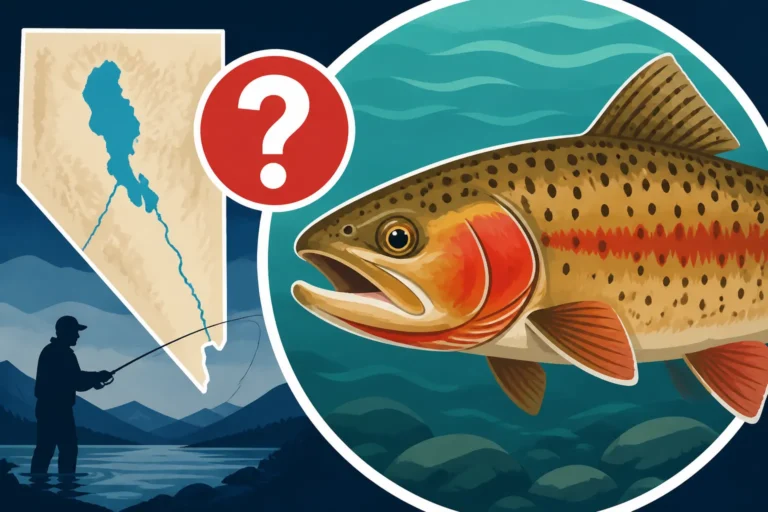
In Nevada, when we talk about cutthroat trout, our minds immediately go to the magnificent Lahontan cutthroat trout (LCT). This fish isn't just a cutthroat; it's the cutthroat of the Great Basin, truly iconic to our state. Once believed to be extinct in much of its native range, efforts have brought it back from the brink, and it now thrives in places like Pyramid Lake, offering a world-class fishing experience. The LCT is Nevada's state fish, and its journey is a remarkable conservation success story.
These incredible fish can grow to impressive sizes, particularly in Pyramid Lake, where they are known for their massive proportions and aggressive fights. They are an apex predator in their ecosystem, feeding on baitfish like tui chub and cui-ui. Their adaptation to the alkaline waters of Pyramid Lake is a biological marvel, setting them apart from other trout species that prefer clearer, less mineral-rich environments. For any angler in Nevada, fishing for the Lahontan Cutthroat Trout in Nevada is a bucket list item.
Beyond Pyramid Lake, you can find other populations of Lahontan cutthroat trout in high mountain lakes and streams across Nevada, albeit often in smaller sizes. These populations are crucial for genetic diversity and the overall health of the species. Many of these areas are more remote, requiring a hike or backcountry trip, but the reward of catching a wild LCT in its natural, pristine habitat is unparalleled. The sheer tenacity of these fish, surviving and thriving in what can often be harsh desert conditions, is truly inspiring.
Key Characteristics of Pure Cutthroat Trout
So, how do you know if you've caught a pure cutthroat, particularly a Lahontan cutthroat? Well, besides that signature red or orange "cut" mark on the underside of their lower jaw, there are a few other indicators. Their body color can vary widely depending on the water they inhabit, from silvery-bronze in large lakes to darker, olive-green tones in smaller streams. They often have distinct black spots, which tend to be more concentrated towards the tail.
The spot pattern is a big one. While rainbows often have spots uniformly distributed across their body, cutthroats tend to have spots that are more numerous and smaller towards the tail, almost creating a dotted fan pattern. Their scales can also feel a bit larger or rougher to the touch than a rainbow trout. When you're fishing in waters where both cutthroat and rainbow trout might be present, paying close attention to these details can help you identify your catch accurately, which is often important for adherence to specific Nevada Fishing Regulations Explained.
Another characteristic is their head shape. Cutthroat trout often have a slightly more pointed snout compared to the more rounded profile of a rainbow. The mouth extends back to or beyond the rear margin of the eye. While these characteristics can be subtle, with a bit of practice and observation, you’ll start to recognize the differences instinctively. Remember, precise identification is vital, especially when dealing with conservation-sensitive species like the Lahontan Cutthroat Trout. Understanding the Difference Between Rainbow and Cutthroat Trout is a fundamental skill for any serious Nevada angler.
Introducing the Bowcutt Trout: A Hybrid Story
Now for the main event: the "Bowcutt" trout. The short answer to the question "Is a Bowcutt trout the same as a cutthroat?" is a resounding no, not entirely. A Bowcutt trout is a hybrid, a crossbreed between a rainbow trout and a cutthroat trout. It's a fascinating blend, combining characteristics from both parent species, and it often occurs naturally where their ranges overlap or sometimes through intentional stocking programs.
This hybridization can happen when rainbow trout are introduced into waters that naturally contain cutthroat trout. The two species are closely related enough that they can interbreed, producing fertile offspring. These hybrids can sometimes pose challenges to pure cutthroat populations, particularly if the native cutthroat population is small or stressed, as the genetic integrity of the pure species can be diluted through interbreeding. This is why conservationists often monitor these situations closely.
The term "Bowcutt" is actually a portmanteau, cleverly combining "rainbow" and "cutthroat." It’s a descriptive name that clearly indicates its mixed lineage. While not as common or widespread as pure rainbows or cutthroats, these hybrids are often found in certain Nevada waters, and they can be a real treat to catch, exhibiting characteristics from both their parents. For those interested in the full scientific picture, exploring What a bowcutt trout is can provide even more detail on their biology.
How Bowcutt Hybrids Are Created
Bowcutt trout hybrids arise when a rainbow trout and a cutthroat trout successfully spawn together. In natural environments, this typically happens in streams or rivers where both species coexist. This crossbreeding isn't always intentional by wildlife managers; often, it's a consequence of stocking rainbow trout into waters that are historical or current homes for cutthroat trout. The genetic similarity between Oncorhynchus mykiss (rainbow trout) and Oncorhynchus clarkii (cutthroat trout) makes this interbreeding possible.
When a pure cutthroat and a pure rainbow mate, their offspring will be first-generation hybrids. These fish carry a mix of genes from both parents. If these hybrids then reproduce, either with other hybrids or back-cross with one of the parent species, the genetic lines can become even more complex. This process, known as introgression, can lead to populations where it's incredibly difficult to distinguish between pure species and various levels of hybridization without genetic testing. It's a complex ecological phenomenon with significant implications for native fish populations.
Fishery managers sometimes also produce these hybrids intentionally in hatcheries for stocking purposes. Hybrid vigor can sometimes result in fish that grow faster or are more robust than pure strains, making them appealing for put-and-take fisheries. However, great care is usually taken to avoid stocking hybrids into waters where native cutthroat populations are a conservation priority, precisely to prevent the dilution of pure genetic stock. It's a delicate balancing act between providing diverse fishing opportunities and protecting native species.
Identifying a Bowcutt Trout
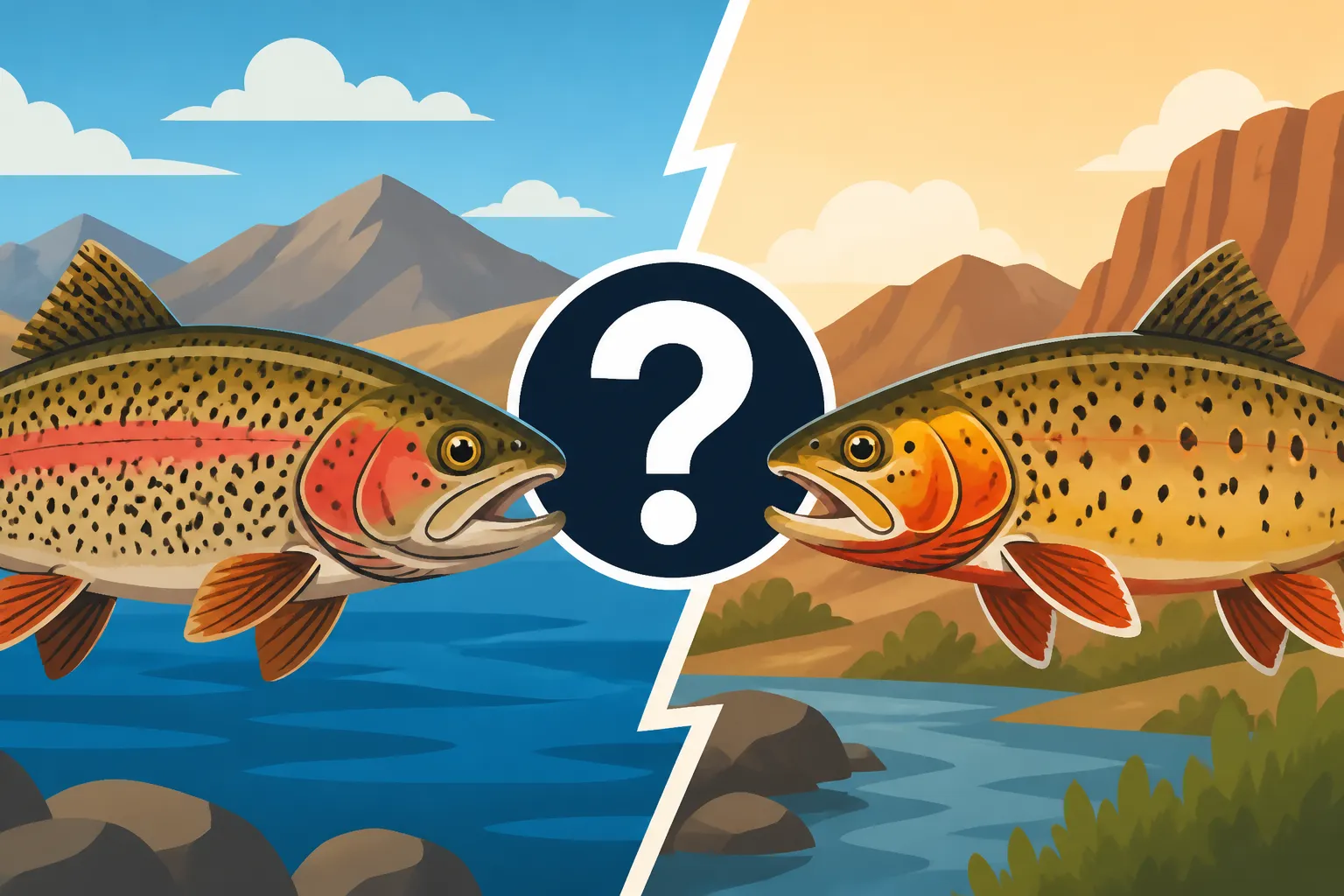
Identifying a Bowcutt trout can be tricky, as they often exhibit a blend of traits from both parent species. You might see a faint "cut" mark under the jaw, but it might not be as pronounced or vibrant as a pure cutthroat. Their body might have the silvery sheen of a rainbow, but with the spotting pattern that leans more towards a cutthroat's tail-heavy distribution. It's like looking at a child who has traits from both parents – some features are clearly mom's, others dad's, and some are a unique blend.
One common visual cue for a Bowcutt is the presence of an indistinct, lighter-colored "cut" under the jaw, combined with a pronounced lateral band, similar to a rainbow trout. The spots might be more uniformly distributed than a pure cutthroat but less so than a typical rainbow. Their fins might show characteristics from both, too. Honestly, sometimes it takes a seasoned eye or even a quick photo and consultation with local fish and game authorities to be absolutely sure.
For anglers, understanding these visual cues isn't just about curiosity; it can be crucial for adhering to regulations. In some waters, regulations might be different for pure cutthroat trout, especially if they are a protected native species, compared to rainbow trout or hybrids. Always check the current Nevada Fishing Regulations Explained booklet or online resources before you hit the water. Observing the subtleties of their appearance is part of the fun and learning experience of trout fishing.
Differences and Similarities: Are They the Same?
Let’s be crystal clear: while Bowcutt trout carry cutthroat genetics, they are not the same as a pure cutthroat trout. Think of it like a mule – a hybrid of a horse and a donkey. It has traits of both, but it's distinctly its own animal, not purely a horse or purely a donkey. The same principle applies here. Bowcutt trout are a distinct entity, a genetic mosaic, and understanding this difference is key to appreciating the intricacies of trout species and their conservation.
The confusion is understandable, especially since many people use "cutthroat" as a broad term. But for conservationists and dedicated anglers, the distinction matters immensely. It speaks to the native genetic purity of a species versus an introduced blend. Nevada's waters, especially those with native populations, are carefully managed to protect these unique genetic lineages.
This table highlights some of the key differences and similarities you might observe:
| Feature | Pure Cutthroat Trout | Bowcutt (Cutthroat x Rainbow Hybrid) | Pure Rainbow Trout |
|---|---|---|---|
| Red/Orange Jaw Slash | Always present, distinct, vibrant | Often present, but may be faint or broken | Absent |
| Spot Pattern | Typically concentrated towards tail, small | Variable, often a blend of both parents | More uniform, covering body and fins |
| Lateral Band | Absent or very subtle | Often present, may be faint to prominent | Typically prominent, iridescent |
| Head Shape | Generally more pointed, mouth extends past eye | Intermediate between parents | Generally more rounded, mouth to back of eye |
| Genetic Origin | Pure Oncorhynchus clarkii lineage | Mix of O. clarkii and O. mykiss | Pure Oncorhynchus mykiss lineage |
| Conservation Status | Native, often protected (especially LCT) | Generally not a conservation target | Often stocked, widespread |
Genetic Lineage: The Core Distinction
At the heart of the matter, the core difference lies in their genetic lineage. A pure cutthroat trout descends from an unmixed line of Oncorhynchus clarkii. This lineage has adapted over thousands of years to specific environments, evolving into distinct subspecies like the Lahontan, Yellowstone, or Bonneville cutthroat. Each subspecies carries a unique genetic blueprint that reflects its evolutionary journey and adaptation to its native habitat. Preserving this genetic purity is a major goal for conservation efforts.
A Bowcutt trout, on the other hand, carries genetic material from both Oncorhynchus clarkii (cutthroat) and Oncorhynchus mykiss (rainbow trout). This mixing means it doesn't possess the pure, unadulterated genetic code of either parent species. While often vibrant and strong, these hybrids, in a conservation context, are generally viewed with caution, especially if their presence threatens the genetic integrity of native cutthroat populations. The goal in many native cutthroat waters is to prevent or minimize this hybridization.
For anglers, understanding this genetic distinction informs responsible fishing practices. If you're fishing in a sensitive area known for native cutthroat, avoiding the spread of non-native rainbow trout, even indirectly (like using their eggs as bait if prohibited), contributes to the health of the ecosystem. It's about respecting the native species and their unique place in the environment.
Appearance and Behavior Nuances
Beyond genetics, there are often subtle differences in appearance and even behavior that can help distinguish these fish. As we've discussed, the intensity of the "cut" mark, the spot pattern, and the presence of a lateral band are key visual clues. A pure cutthroat will almost always have a very clear, often bright red or orange slash, while a Bowcutt might have a faded or broken slash, sometimes combined with the iridescent pink or red lateral stripe characteristic of a rainbow.
Behaviorally, pure cutthroat, especially native populations, are often found in specific types of water – colder, clearer streams or large, deep lakes that suit their evolutionary adaptations. They might be more wary or less aggressive than stocked rainbow trout, which are often bred for higher catch rates. Bowcutts, benefiting from hybrid vigor, can sometimes be quite aggressive and adaptable, potentially thriving in a wider range of conditions or exhibiting a mix of traits from both parents.
For example, a pure Lahontan Cutthroat Trout in Nevada from Pyramid Lake might be a deep-water predator, feeding on schools of baitfish, while a Bowcutt in a smaller stream might exhibit more opportunistic feeding behaviors typical of both stream-dwelling rainbows and cutthroats. Observing where and how a fish bites, its fight, and its overall demeanor, can sometimes offer clues in addition to its physical appearance. It’s all part of the fascinating learning curve of trout fishing.
Fishing for Cutthroat and Bowcutt in Nevada
Whether you're targeting pure cutthroat or might stumble upon a Bowcutt hybrid, Nevada offers incredible trout fishing opportunities. From the vast expanse of Pyramid Lake to the serene high mountain streams, there's a unique experience waiting. The techniques and gear you'll use will often overlap, but understanding the subtle preferences of each species can definitely give you an edge.
When it comes to tackle, for instance, you'll find a lot of overlap. A good medium-light spinning rod and reel combo, spooled with 6-8 pound fluorocarbon or monofilament line, is a versatile choice for most trout fishing. You can find excellent options on platforms like Amazon, whether you're looking for a beginner setup or upgrading to something more specialized. Lures like Kastmasters, Rapalas, or various soft plastics can entice both pure cutthroat and their hybrid cousins.
However, specific situations call for specific approaches. Targeting trophy Lahontan cutthroat at Pyramid Lake, for example, often involves different strategies than fishing for smaller stream-dwelling trout. It’s all about matching your approach to the environment and the fish you hope to encounter.
Where You Might Encounter Them
In Nevada, your best bet for encountering pure Lahontan cutthroat trout, especially the truly monstrous ones, is undoubtedly Pyramid Lake. This ancient, alkaline lake is a global hotspot for these magnificent fish. Pyramid Lake Nevada Fishing Guide can give you a lot more information on specific spots and rules. You'll also find native cutthroat populations in many high-elevation streams and lakes in central and northern Nevada, often requiring a bit more effort to reach. Places like Wildhorse Reservoir also hold good populations.
Bowcutt trout, being hybrids, are more likely to be found in waters where both rainbow trout and cutthroat trout naturally coexist or have been stocked. This can include many of Nevada's diverse reservoirs and larger streams where stockings have occurred over the years. They are often a pleasant surprise catch, adding an element of unpredictability to your fishing day. You might encounter them in waters where Rainbow Trout Fishing in Nevada is also popular, as the opportunity for interbreeding is higher.
It's always a good idea to check local stocking reports and regional fishing guides published by the Nevada Department of Wildlife (NDOW) to get a sense of which species are most prevalent in different waters. This will not only help you target your desired catch but also ensure you're aware of any specific regulations tied to certain species. Knowledge of the water is just as important as the gear in your hand.
Gear and Techniques for Both
Fishing for both cutthroat and Bowcutt trout shares many common techniques, especially when they inhabit similar environments. For still waters like lakes and reservoirs, trolling with spoons, spinners, or crankbaits can be highly effective, especially for larger, more elusive fish. Shore anglers often find success with bait such as PowerBait, salmon eggs, or worms, often fished on a slip-sinker rig. For active fish, casting and retrieving lures like lipless crankbaits or tubes can trigger aggressive strikes. Finding quality tackle is easy; a quick search on Amazon reveals countless options for lures, lines, and accessories specifically designed for trout.
Fly fishing is another incredibly popular and rewarding method, particularly in streams and rivers or at Pyramid Lake. For cutthroat, matching the hatch with dry flies, drifting nymphs, or stripping streamers can all be productive. At Pyramid Lake, the unique conditions often call for specialized tactics, such as indicator nymphing or stripping large streamers from shore or boat. For either species, the key is often to understand their feeding habits and preferences in the specific water you're fishing. Having a selection of Best Bait for Nevada Trout and lures for Nevada trout is always a good idea.
Regardless of your chosen method, catch and release is often encouraged, especially for larger, native cutthroat, to help sustain populations. Always handle fish with wet hands, minimize their time out of water, and use appropriate tools like needle-nose pliers for hook removal. Ethical angling practices ensure that future generations can also enjoy the incredible experience of fishing for these beautiful trout in Nevada. If you're looking to dive deeper into techniques, check out our guide on How to Fish for Trout in Nevada.
Disclaimer
This article is for general informational purposes only and does not constitute professional advice. Laws, prices and regulations vary by location and change over time. Consult a qualified professional for guidance on your specific situation.