What a bowcutt trout is
It can be incredibly confusing out there on the water, especially when you reel in a fish that doesn't quite look like the pictures in your trusty field guide. You might find yourself staring at a trout with a mix of features, wondering if it's a rainbow, a cutthroat, or something else entirely. This guide is here to clear up that mystery, specifically for those unique fish known as Bowcutt trout, helping you understand what they are, where to find them, and how to identify these fascinating hybrids in Nevada’s waters.
What Exactly is a Bowcutt Trout? The Hybrid Explained
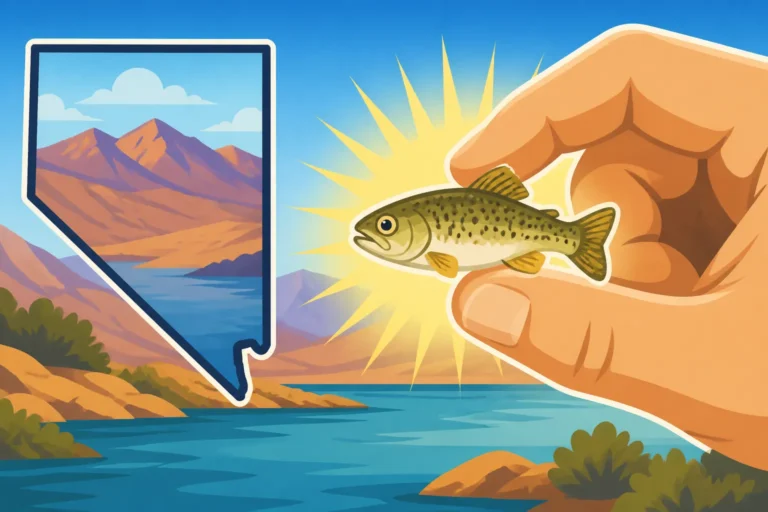
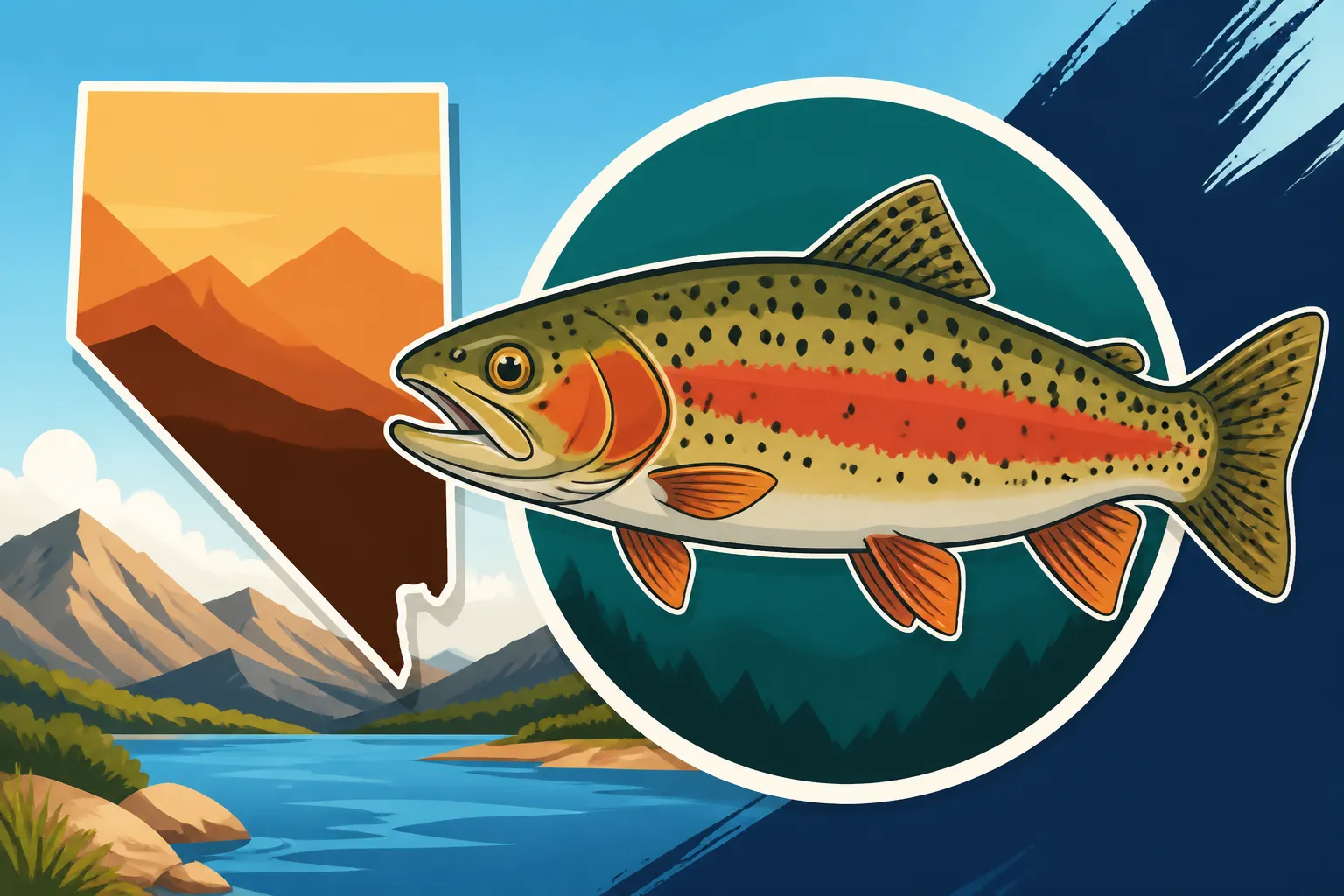
Let's dive right into the heart of the matter. A Bowcutt trout isn't its own distinct species in the traditional sense, but rather a fascinating hybrid. Imagine a perfect blend, a natural crossbreed, between a Rainbow Trout (Oncorhynchus mykiss) and a Cutthroat Trout (Oncorhynchus clarkii). The name itself, "Bowcutt," is a clever combination of "Rainbow" and "Cutthroat," making it quite descriptive once you know the secret.
This hybridization can occur naturally in waters where both parent species coexist and spawn at similar times. Essentially, if a rainbow trout and a cutthroat trout decide to mix things up and spawn together, their offspring will be a Bowcutt. However, in many instances, fisheries management agencies, like the Nevada Department of Wildlife (NDOW), might intentionally stock these hybrids because they often exhibit what's called "hybrid vigor." This means they can grow faster, be more robust, or even be more aggressive feeders than either of their purebred parents, which can make for exciting fishing!
The appeal of the Bowcutt lies in this genetic mash-up. From the Rainbow, they often inherit a fighting spirit and a tendency to put on size quickly. From the Cutthroat, they might get some of that wild, wary instinct and those distinctive red or orange slashes under the jaw that give the cutthroat its name. It’s like getting the best of both worlds, and for anglers, that often translates to a thrilling catch. You might be fishing for How to Fish for Trout in Nevada and suddenly find yourself with one of these unique hybrids on your line, offering a fresh challenge and a beautiful specimen.
The Genesis of a Hybrid: Natural vs. Intentional Stocking
Understanding how Bowcutt trout come to be really adds to their mystique. On one hand, you have natural hybridization. This happens when the spawning grounds and seasons of rainbow trout and cutthroat trout overlap. It's a beautiful example of nature finding a way, where two closely related species interbreed. Nevada, with its diverse waterways, has areas where both rainbows and various subspecies of cutthroat trout (like the Lahontan Cutthroat) are present, making natural hybrids a possibility, albeit often less common than stocked varieties.
On the other hand, there's the intentional stocking aspect. Fisheries biologists, always looking for ways to enhance recreational fishing, have long understood the benefits of hybrids. By selectively breeding rainbow and cutthroat trout in hatcheries, they can produce Bowcutts that are then released into public waters. This isn't just about creating a "novelty" fish; it's often a strategic move. For example, some hybrids might be more resistant to certain diseases, or they might tolerate a wider range of water conditions, making them excellent candidates for certain reservoirs or lakes that might be challenging for purebred trout. This ensures a healthy, vibrant fishery, even when conditions aren't always ideal. You can often check the Nevada Trout Stocking Schedule to see if any of these exciting hybrids might be coming to a waterbody near you.
Identifying a Bowcutt Trout: What to Look For
Okay, so you've got a fish on the line, and you suspect it might be a Bowcutt. How do you confirm your suspicions? This is where things get really interesting, as you'll be looking for a blend of features from both its parents. It’s not always black and white, but there are some key indicators. The main thing to remember is that you're looking for characteristics that don't quite fit perfectly into either the "rainbow" or "cutthroat" box alone.
Think of it like this: a pure rainbow trout typically has a prominent red or pink lateral band running along its side, often with numerous small black spots scattered evenly over its body, dorsal fin, and tail. Its mouth is usually not deeply gapped, and its jaw doesn't extend much beyond the eye. A pure cutthroat trout, especially the Lahontan variety, will have those iconic red or orange "slashes" under its jaw (hence the name), often larger, irregular spots, and sometimes a more elongated body. The spots might be concentrated more towards the tail. The challenge is that a Bowcutt will exhibit a mix of these traits.
The "slash" mark under the jaw is a critical indicator. If your trout has some form of reddish-orange marking under its jaw, but also a very pronounced pink or red lateral band like a rainbow, you're likely holding a Bowcutt. Their spotting patterns can also be a dead giveaway – often a combination of small, fine spots like a rainbow, mixed with some larger, more irregular spots typical of a cutthroat. It's truly a beautiful mosaic of genetics. For a deeper dive into the nuances, check out Difference Between Rainbow and Cutthroat Trout and How to tell a rainbow trout from a cutthroat trout.
Key Distinguishing Features Table
To make it easier, here's a quick comparison of the tell-tale signs for each trout type:
| Feature | Rainbow Trout (Pure) | Cutthroat Trout (Pure) | Bowcutt Trout (Hybrid) |
|---|---|---|---|
| Lateral Band | Prominent, distinct pink/red band along the side | Faint or absent lateral band | Often present, but sometimes less vibrant than a pure rainbow |
| Jaw Slash | Absent | Distinct red/orange "slash" under the lower jaw | Often present, but may be lighter or less pronounced |
| Spotting Pattern | Numerous small, even black spots on body, dorsal, and tail | Larger, irregular spots, often concentrated towards the tail; can be sparse | Mix of small and large spots, often spread more evenly, but with some irregularity |
| Mouth/Jaw | Upper jaw typically extends to middle of eye | Upper jaw often extends beyond the eye (especially Lahontan Cutthroat) | Intermediate, may extend slightly past the eye |
| Tail Fin | Fairly square, sometimes slightly forked | Slightly forked to moderately forked | Varies, can be slightly forked |
Remember, these are general guidelines, and individual fish can vary. Environmental factors can also influence coloration. The goal is to look for a blend rather than a perfect match for any one species.
What if You're Still Unsure?
It's completely normal to feel a bit puzzled, even with the best intentions. Trout identification can be tricky, especially when dealing with hybrids or different strains within a species. If you’ve reeled in a fish and you’re still scratching your head after looking for the jaw slash and comparing spotting patterns, don’t stress too much. The most important thing is to understand the general Nevada Fishing Regulations Explained and specifically the Nevada Trout Daily Limit Rules for the waters you're fishing.
Sometimes, the best approach is to take a quick, clear photo (if you plan to release the fish, do so quickly and carefully!) and consult with local experts. Many tackle shops in Nevada have seasoned anglers who can often identify a fish with a glance. You can also refer to the comprehensive Nevada Fish Species Guide which often includes detailed descriptions and illustrations. The key is to enjoy the experience of encountering these unique fish. If you’re truly curious, a local biologist might even be able to provide insight into specific stocking programs or natural hybrid populations in your area.
Where Can You Find Bowcutt Trout in Nevada?
Nevada is a land of incredible angling diversity, from the high desert reservoirs to the urban ponds, and even our mighty rivers. While I can't pinpoint every single spot a Bowcutt trout might turn up (they are, after all, a bit of a special surprise!), we can talk about the types of waters where you're most likely to encounter these intriguing hybrids.
Generally, you'll find Bowcutt trout in waters that are regularly stocked with trout by the Nevada Department of Wildlife (NDOW), especially those that receive both rainbow trout and cutthroat trout or where purebred cutthroat populations exist alongside stocked rainbows. These often include many of our state's popular reservoirs and larger lakes that have diverse aquatic habitats suitable for both parent species. Places known for excellent trout fishing often become prime candidates.
For example, reservoirs that hold strong populations of Lahontan Cutthroat Trout, such as Pyramid Lake, could potentially see natural hybridization if rainbow trout are also present and spawning successfully nearby, though Pyramid Lake itself has very specific regulations focused on its native Lahontan Cutthroat. However, when we talk about stocked Bowcutts, you're more likely to find them in general-purpose trout fisheries that NDOW manages to provide varied angling opportunities. Always check local regulations and stocking reports for the most current information. These reports are your best friend for understanding where fish, including hybrids, are being introduced.
Prime Habitat and Preferred Waters
Bowcutt trout, being hybrids, tend to thrive in environments that suit both rainbow and cutthroat trout. This means they generally prefer cool, well-oxygenated water. Many of Nevada's larger reservoirs and some of the higher-elevation lakes fit this bill perfectly. These waters often offer a mix of open water, submerged structures, and varied depths, providing ample forage and hiding spots.
Consider reservoirs like Wildhorse Reservoir in northeastern Nevada or some of the lakes in the Eastern Nevada region. These areas are often managed for multi-species fisheries, including different trout varieties, which creates the perfect scenario for either natural or intentional stocking of Bowcutts. They might also be found in certain stretches of rivers, particularly those that are influenced by upstream stocking or where natural mixing occurs.
When looking for these fish, think about what both rainbows and cutthroats enjoy: access to cooler, deeper water during warmer months, but also shallower feeding areas where they can ambush baitfish or insects. Structure like rocky points, submerged timber, or weed lines will always be attractive to them. You might even find them in urban ponds if those ponds are part of a diverse stocking program, though larger bodies of water are usually more common. The key is to focus on Best Places to Fish in Nevada that are known for consistent trout action.
Fishing for Bowcutt Trout: Techniques and Tips
Now for the fun part: how do you actually catch a Bowcutt trout? Since they are a hybrid of rainbow and cutthroat, the good news is that many standard trout fishing techniques will work wonderfully. You don’t necessarily need a specialized approach, but understanding their combined genetics can give you an edge. They often share the aggressive feeding habits of a rainbow, coupled with some of the opportunistic nature of a cutthroat.
This means a versatile approach is your best bet. You’ll want to be prepared to try a variety of baits and lures, and be observant of what the fish are keying in on that particular day. Whether you prefer bait fishing from shore, casting lures from a boat, or even fly fishing, there are effective ways to target these unique hybrids. And remember, persistence pays off, especially when you're targeting a potentially rare or newly stocked hybrid.
Don't forget to kit yourself out properly. You can find a huge variety of tackle, from specific trout lures to versatile spinning reels, on platforms like Amazon. Having a good selection of gear readily available means you're always ready to adapt to what the fish are telling you.
Best Baits and Lures
When it comes to tempting a Bowcutt, variety is the spice of life. Since they have genetic ties to both rainbows and cutthroats, you can lean on techniques successful for both.
- For Bait Fishing: If you're going the bait route, classic trout baits are almost always effective. PowerBait, especially in bright, flashy colors like chartreuse, orange, or rainbow, is a perennial favorite for stocked trout. Worms (nightcrawlers, mealworms, red worms) are also excellent, as they imitate natural forage. Salmon eggs can be highly enticing, especially for trout that might be used to a more natural diet. Try rigging these baits either on the bottom with an egg sinker or suspended under a bobber in shallower areas.
- For Lure Fishing: Lures that mimic small baitfish or flashy insects are a great choice. Small spinners, like those from Rooster Tail or Panther Martin, in silver, gold, or brass finishes, can be irresistible. Spoon lures, like a small Kastmaster or Thomas Buoyant, also work well, especially when cast and retrieved with an erratic motion to imitate a wounded baitfish. Soft plastics, such as small trout worms or tube jigs, can also be very effective, especially when fished slowly along the bottom or near structure. Many anglers like to browse through the reviews on Amazon for new tackle ideas, seeing what's currently performing well for other trout enthusiasts.
- For Fly Fishing: If you're a fly angler, think about patterns that imitate common trout forage. Streamers that mimic baitfish (Woolly Buggers, Sculpzillas) are excellent, as are nymphs (Prince Nymph, Hare's Ear, Pheasant Tail) and dry flies when conditions call for it (Elk Hair Caddis, Adams). The key is to match the hatch or present a general attractor pattern.
Don't be afraid to experiment with different presentations, retrieve speeds, and depths until you find what the fish are reacting to. What works one day might not work the next, so being adaptable is crucial. For more general advice, you can consult Best Bait for Nevada Trout and Best Lures for Nevada Bass (some bass lures can also tempt aggressive trout!).
Optimal Seasons and Times
Like most trout, Bowcutts are generally more active during cooler water temperatures. This means spring and fall are often prime seasons for targeting them. In the spring, as waters warm up slightly, they become very active, feeding heavily after the colder winter months. Fall provides another excellent window, as temperatures cool and fish begin to feed aggressively to build up reserves for winter.
Summer fishing for Bowcutts in Nevada's often warm desert environments can be more challenging. During the peak heat, these fish will retreat to deeper, cooler waters. Your best bet during summer will be to fish early in the morning or late in the evening when water temperatures are at their lowest, or to target deeper holes, drop-offs, and spring-fed areas where thermal refuge can be found. Night fishing can also be surprisingly productive in some waters during the warmer months, especially for larger trout.
Winter can offer good opportunities, particularly in waters that don't completely freeze over. Ice fishing can be very effective in lakes and reservoirs that develop safe ice, though always prioritize safety first. For specific timing, checking the Nevada Fishing Season Dates and Limits is always a good idea, as specific regulations might apply to certain waters or species, even hybrids.
Essential Gear Considerations
Having the right gear makes all the difference, not just in catching fish, but in enjoying your time on the water. For Bowcutt trout, a medium-light to medium action spinning rod, around 6 to 7 feet in length, paired with a matching spinning reel spooled with 4-8 pound test monofilament or fluorocarbon line, is a versatile setup. This combination gives you enough sensitivity for subtle bites and enough backbone to handle a spirited fight.
If you're planning on covering a lot of water by boat or kayak, consider getting a good quality fish finder. While not strictly necessary for every outing, a fish finder can help you locate deeper structure and schools of baitfish, which often translates to finding where the trout are holding. For longer outings, especially in Nevada's intense sun, don't forget essentials like a good pair of polarized sunglasses – I often pick mine up from Amazon after checking out different brands and reviews – and a wide-brimmed hat, plus plenty of water to stay hydrated. A landing net is also a crucial piece of gear, especially if you plan on practicing catch and release, as it minimizes stress on the fish. You can learn more about general equipment in Nevada Fishing Gear Essentials.
Remember, while the Bowcutt trout is a hybrid, it’s still a trout through and through, meaning general trout tactics are your foundation. Experiment, pay attention to the conditions, and most importantly, enjoy the pursuit of these unique and often beautiful fish!
Disclaimer
This article is for general informational purposes only and does not constitute professional advice. Laws, prices and regulations vary by location and change over time. Consult a qualified professional for guidance on your specific situation.