Largemouth bass size at Lake Mead
It's incredibly frustrating when you're trying to plan a fishing trip to a legendary spot like Lake Mead, and all you can find are vague answers about what you might actually catch. You want to know if it's worth the drive, if you'll be pulling in dinks, or if there's a real chance at a lunker! This guide is here to cut through the noise and give you a realistic picture of the largemouth bass sizes you can expect to encounter at Lake Mead, and how you can boost your chances of finding those bigger fish.
The Realistic Scoop on Lake Mead Largemouth Sizes
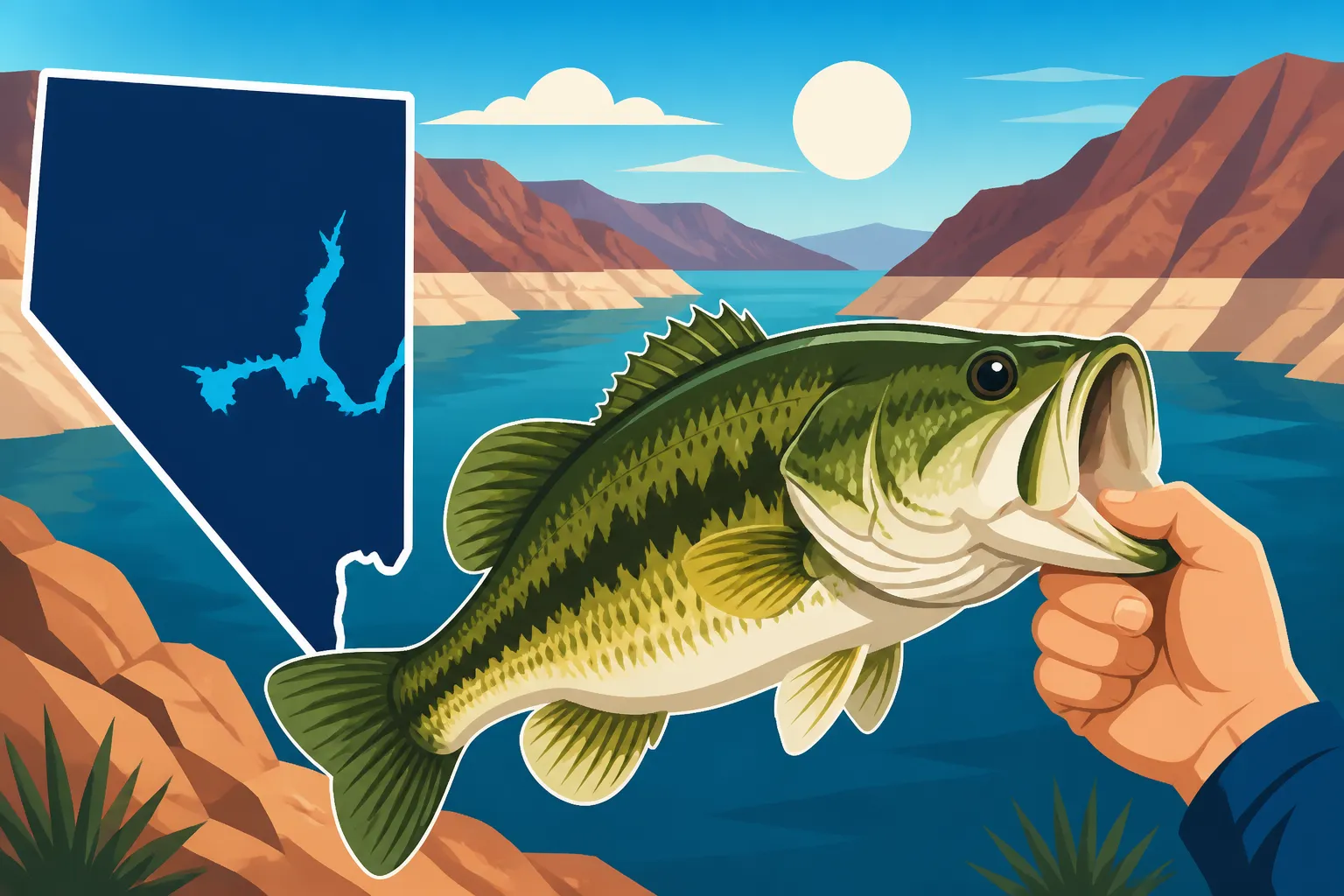
Let's talk brass tacks about largemouth bass in Lake Mead. When you head out onto the vast, beautiful waters of this reservoir, you're primarily going to encounter bass that fall into a few general size categories. For many anglers, the "average" largemouth caught at Lake Mead tends to be in the 1 to 2.5-pound range. These are solid, feisty fish that offer a fantastic fight, especially on lighter tackle. They're fun to catch all day long, and they make up the bulk of the population.
Now, don't get me wrong, there are definitely bigger fish swimming in those depths. It's not uncommon to land bass in the 3 to 5-pound category, especially if you're targeting them specifically and understand their seasonal movements. These are the fish that really get your heart pumping and often make for memorable photos. What you might hear less about are the truly giant largemouth that breach the 6-pound mark and beyond. While they absolutely exist, and the lake has a history of producing giants, they are much rarer and require specific strategies, a bit of luck, and often a lot of patience to find. The overall health of the fishery, influenced by water levels and forage, plays a significant role in the average size of the fish you'll encounter on any given day. To really understand the local bass dynamics, checking out a Largemouth Bass Habitat at Lake Mead guide can provide crucial insights into where these fish congregate.
The size of the bass you encounter can also depend on where you're fishing within Lake Mead. Some coves and shallower areas, particularly those with good cover, might hold a higher density of smaller, younger bass. Deeper structure, ledges, and areas with access to abundant baitfish will often be where the more mature, larger bass lurk. Understanding these nuances is key, and it’s why dedicated anglers spend so much time learning the lake's contours. If you're looking to consistently improve your bass game, diving into How to Fish for Bass in Nevada can offer techniques applicable to Lake Mead's unique environment.
What to Expect: Average Versus Trophy Largemouth
When you're dreaming of a Lake Mead bass fishing trip, it's important to set realistic expectations. Most of your catches will likely be the 1 to 2.5-pound range, which are still fantastic fish. Think of these as your "everyday" bass, abundant and willing to bite. They're perfect for honing your skills and getting consistent action. However, the true thrill often comes from the hunt for something bigger, something that tests your tackle and your resolve.
The 3 to 5-pound largemouth are what many anglers would consider a "good" or "keeper" bass at Lake Mead. These fish have some age, some bulk, and pull hard. They are a common target for tournaments and serious recreational anglers. They're often found around more significant structure or actively chasing schools of shad. Beyond that, the "trophy" largemouth — those 6 pounds and up — are truly special. These are the fish that get their own stories, the ones that push the limits of the Nevada state record largemouth bass. Catching one of these beasts often means dedicating time, using specialized techniques, and perhaps a bit of good fortune on your side. While not an everyday occurrence, the potential for a trophy is a huge draw for many anglers to Lake Mead.
To give you a clearer picture, here's a general breakdown of what anglers might commonly encounter or aspire to catch at Lake Mead:
| Category | Typical Weight Range | Common Length Range (Approx.) | Frequency of Catch (General) | Notes |
|---|---|---|---|---|
| Average Catch | 1.0 – 2.5 lbs | 12 – 16 inches | Very Common | Great action, plentiful, good for beginners and consistent bites. |
| Solid Keeper | 2.5 – 4.0 lbs | 16 – 19 inches | Fairly Common | Strong fighters, often targeted by experienced anglers. |
| Big Bass | 4.0 – 6.0 lbs | 19 – 22 inches | Less Common | Requires skill and persistence, often tournament-winning size. |
| Trophy Lunker | 6.0 lbs + | 22 inches + | Rare | The fish of a lifetime, often caught with specific strategies and a little luck. |
It's important to remember that these are just averages. Conditions, time of year, and even your specific fishing spot can dramatically alter your results. But knowing what to aim for helps you select the right gear, from sturdy lines to effective Best Lures for Nevada Bass, which you can easily find a huge selection of on Amazon.
Factors Influencing Largemouth Bass Growth and Size at Lake Mead
The size of largemouth bass in Lake Mead isn't static; it's a dynamic result of several environmental factors and biological processes. Understanding these influences can not only help you predict what you might catch but also inform your strategies for targeting larger fish.
Water Levels and Habitat
Lake Mead, like many large Western reservoirs, experiences fluctuating water levels. These changes have a profound impact on the largemouth bass population. When water levels are high and stable, new vegetation can grow in flooded areas, creating fantastic shallow-water cover and spawning grounds for bass. This expansion of prime habitat means more places for juvenile bass to hide and grow, leading to better recruitment and, eventually, a greater number of larger fish. Conversely, when water levels drop significantly, valuable habitat shrinks. Spawning areas might be exposed, and bass can become concentrated in fewer areas, increasing competition for food and space. This can stress the population and potentially lead to slower growth rates or reduced overall average size.
The availability of suitable cover, whether it's submerged brush, rock piles, or artificial structures, is critical. Larger bass are often ambush predators, relying on cover to hide from prey and launch attacks. Without ample, diverse habitat, their growth can be stunted. This is why areas like Lake Mead Largemouth Bass Coves can be so productive; they often offer varied depths and structures that big bass favor.
Forage Base
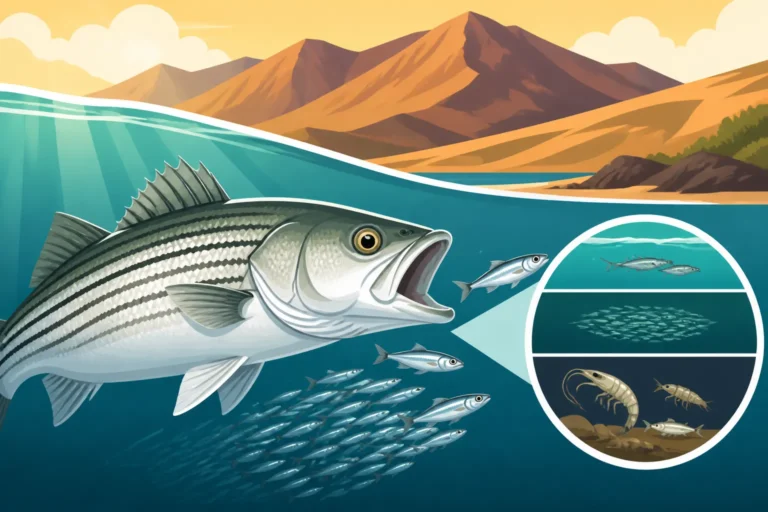
You've heard the saying, "you are what you eat," and it's absolutely true for fish! The abundance and type of forage available directly dictate how quickly and how large largemouth bass can grow. Lake Mead has a strong forage base, primarily composed of threadfin shad, various species of sunfish (like bluegill and green sunfish), and crayfish. Shad, in particular, are a high-energy food source that allows bass to pack on pounds quickly. When shad populations boom, you often see a corresponding increase in the size and health of the bass.
However, if the forage base declines, perhaps due to environmental changes or competition with other species (like striped bass, which are also prevalent in Lake Mead), bass growth can slow down. They might have to expend more energy to find food, leaving less energy for growth. Anglers who pay attention to the baitfish populations – seeing schools of shad dimpling the surface or crayfish scurrying along the bottom – often have an advantage in locating the larger, actively feeding bass. Understanding the seasonal movements of baitfish can be just as crucial as understanding the bass themselves.
Fishing Pressure
While Lake Mead is a massive body of water, it's also a very popular fishing destination, especially for bass. Consistent fishing pressure can have an impact on the size of fish in a population. When a lake experiences high fishing pressure, particularly catch-and-keep pressure, the larger, easier-to-catch fish are removed from the system. This leaves behind a higher proportion of smaller, more wary fish. While catch-and-release is practiced by many bass anglers, even released fish can become more "educated" and harder to catch over time, especially the bigger ones.
This isn't to say that Lake Mead is "fished out" for big bass – far from it! But it does mean that the largest fish are often smarter, harder to fool, and may require more subtle or specialized approaches. It also emphasizes the importance of conservation and responsible angling practices to ensure the continued health of the fishery. Factors like optimal Best water temperature for bass fishing can also make a big difference, as bass become more active and thus more susceptible to pressure in certain conditions.
Strategies for Targeting Larger Largemouth Bass
If your goal is to land one of Lake Mead's impressive bigger largemouth bass, you'll need to move beyond general fishing tactics and adopt some more focused strategies. It's about thinking like a big fish and understanding what makes them tick.
Seasonal Approaches
Timing is everything when it comes to big bass. While you can catch bass year-round, certain seasons offer a higher probability for lunkers. Spring, particularly during the pre-spawn and spawn periods, is often considered the prime time. As water temperatures rise, big female bass move into shallower coves and protected areas to feed heavily before spawning, and then to spawn. They are often more aggressive and accessible during this window. Early spring might mean targeting deeper structure adjacent to spawning flats, while late spring will see them closer to the beds. A good resource for understanding the optimal period is often found in guides like Best month to catch largemouth bass in Nevada.
Summer fishing, especially on a large, hot reservoir like Lake Mead, means bass will often move deeper to cooler water or relate to shade and oxygenated areas, becoming less active during the heat of the day. Early morning and late evening, or even night fishing, can be productive for bigger bass. Fall sees bass becoming more active again, often feeding heavily to bulk up for winter, making them aggressive and willing to chase bait. Winter fishing can be tough, but big bass can be found grouped up on deep structure, requiring slow, deliberate presentations.
Lure and Technique Choices
To entice larger bass, you often need to "match the hatch" with bigger baits or use presentations that mimic their preferred prey. While smaller bass might strike at almost anything, bigger bass are often more selective and looking for a substantial meal.
Here are some go-to options:
- Larger Swimbaits: These are designed to imitate larger baitfish like shad or trout (though trout aren't a primary forage in Lake Mead, the profile can still trigger strikes). Look for swimbaits in the 5-8 inch range. Fishing them around points, ledges, or deep coves can be effective.
- Jigs and Trailers: A heavy jig paired with a bulky plastic trailer (like a creature bait or a large crawfish imitation) is a classic big bass catcher. Pitch these into heavy cover, along rocky drops, or through submerged brush. The slower, more methodical presentation often appeals to less active, larger fish.
- Deep-Diving Crankbaits: When bass are holding in deeper water (15-25 feet), a crankbait that can reach those depths and "grind" along the bottom or structure can be incredibly effective. Choose colors that mimic shad or crawfish.
- Large Worms and Creature Baits: Sometimes, a slow presentation with a big soft plastic is the ticket. Texas-rigged 10-inch worms or large creature baits can draw strikes from hesitant big bass, especially around dense cover or timber. If fish are pressured, learning How to fish a finesse worm for pressured bass can also land you a lunker, as bigger bass sometimes appreciate a more subtle offering. You can find a wide variety of these specialized soft plastics on Amazon.
- Topwater Baits (seasonal): During low light conditions or when bass are actively feeding on the surface, large walk-the-dog baits, poppers, or hollow-body frogs (around vegetation) can provoke explosive strikes from big bass.
Gear Considerations
You wouldn't bring a knife to a gunfight, and you shouldn't bring ultralight gear when targeting trophy bass. Stronger gear gives you the control needed to pull big fish out of cover and land them safely.
- Rods: Opt for medium-heavy to heavy power baitcasting rods, typically 7 to 7.5 feet in length. This provides the backbone to cast heavier lures and muscle larger fish. The right rod setup is crucial, and browsing Best Tackle for Nevada Bass Fishing can help you select wisely.
- Reels: Pair your heavy rod with a baitcasting reel that has a good gear ratio (for power and quick retrieves) and a smooth, reliable drag system. A quality reel is an investment, and you can find excellent Best Baitcasting Reels for Bass Fishing options on Amazon.
- Line: Don't skimp on line strength. For heavy cover or deeper presentations, 15-20 lb fluorocarbon or even 50-65 lb braided line (with a fluorocarbon leader) is advisable. Braided line offers superior strength and sensitivity, while fluorocarbon is nearly invisible underwater and has good abrasion resistance. For a comprehensive guide, check out Best Soft Plastics for Bass Fishing to make sure your tackle box is ready for whatever Lake Mead throws at you.
Remember, patience and persistence are your greatest allies when chasing trophy largemouth bass at Lake Mead. It might take many casts and several trips, but the reward of hooking into one of those giants is absolutely worth the effort.
Disclaimer
This article is for general informational purposes only and does not constitute professional advice. Laws, prices and regulations vary by location and change over time. Consult a qualified professional for guidance on your specific situation.