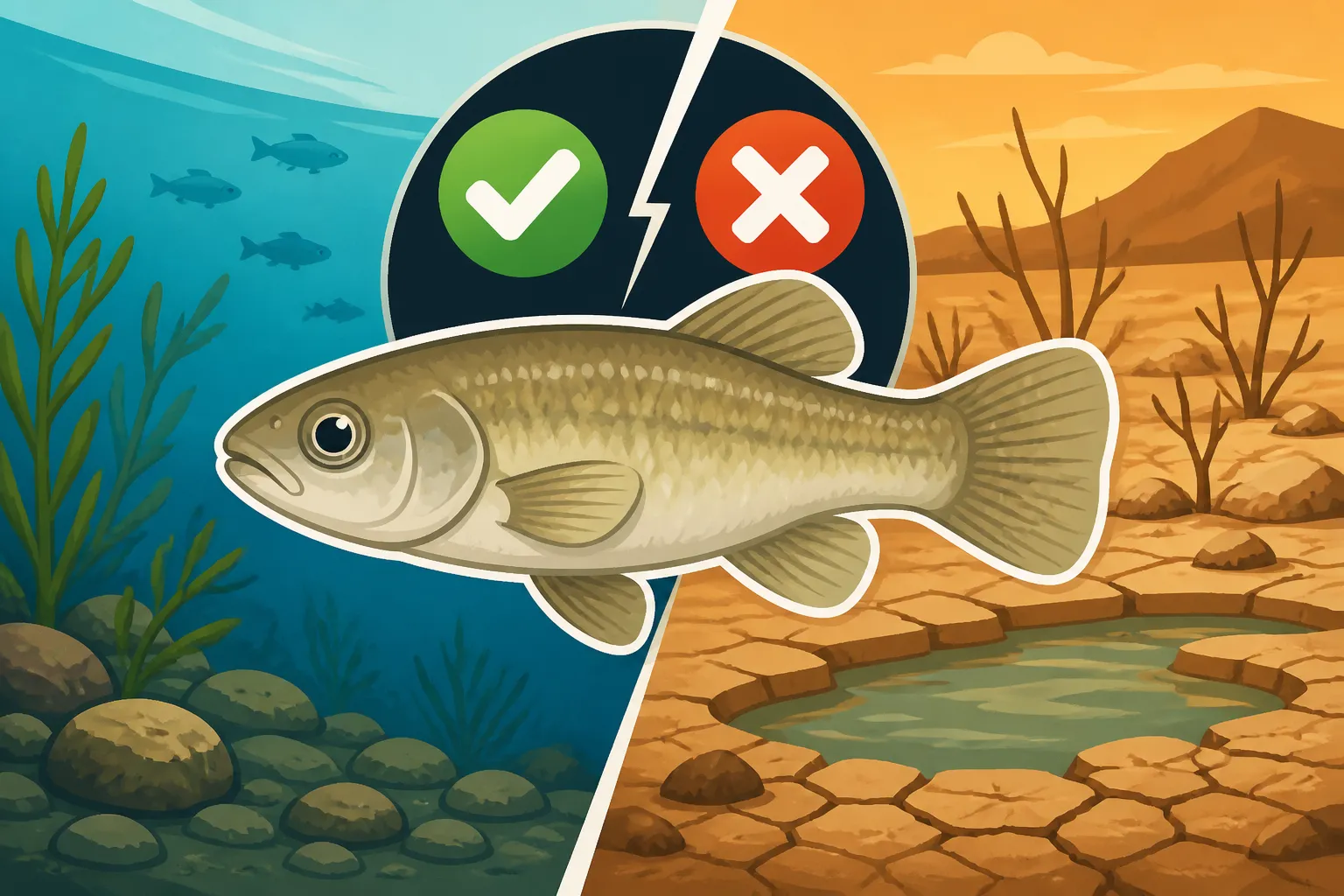
Is the cui-ui fish endangered?
It’s heartbreaking to realize that some of Nevada's most unique natural treasures are struggling to survive. For many of us who love the Silver State’s waters, the thought of losing a native fish species like the cui-ui is a real concern, and it's absolutely natural to wonder about its health and future. This guide will dive deep into the specific status of the cui-ui fish, exploring why it became endangered, what’s being done to protect it, and how anglers and enthusiasts can play a part in its recovery.
Understanding the Cui-Ui Fish
Before we get into its conservation status, let's really get to know the cui-ui. It's not just any fish; it's a true survivor and an integral part of one of Nevada's most iconic bodies of water.
What is a Cui-Ui? A Unique Native Species
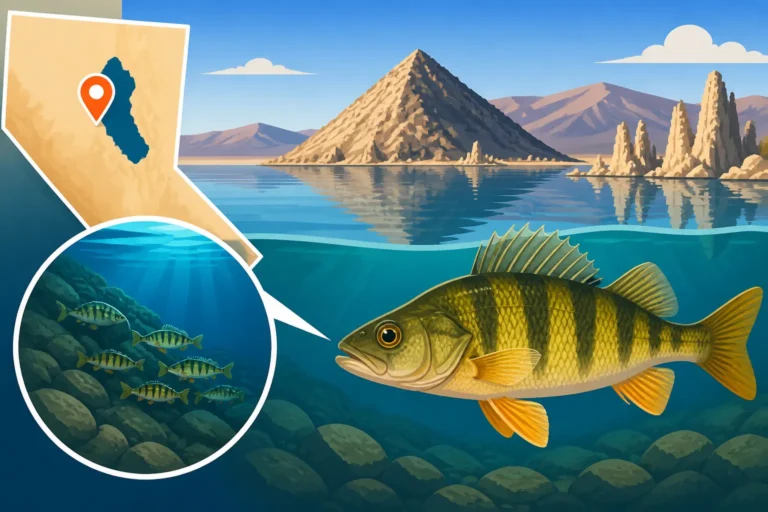
The cui-ui (scientific name: Chasmistes cujus) is a fascinating, long-lived sucker fish that is endemic to Pyramid Lake, meaning it's found nowhere else on Earth naturally. Think about that for a moment – this fish is a living piece of Nevada's ancient history, perfectly adapted to the unique, brackish waters of this large terminal lake. They have a distinctive, somewhat downward-turned mouth, adapted for bottom-feeding on the lake's rich detritus and microscopic organisms. Their appearance might not be as flashy as a Lahontan cutthroat trout, but their significance is immense.
These fish are incredibly resilient, with some individuals living for more than 40 years! They grow to a decent size, often reaching lengths of up to 2 feet, and have a beautiful, iridescent sheen when you see them up close. For centuries, they were a primary food source for the local Pyramid Lake Paiute Tribe, deeply embedded in their culture and survival. The sheer fact that they've evolved to thrive in Pyramid Lake's challenging conditions, which include higher salinity than most freshwater lakes, speaks volumes about their unique biology. Understanding what a cui-ui fish is truly means appreciating a one-of-a-kind natural wonder.
The Cui-Ui's Critical Role in Pyramid Lake's Ecosystem
While the cui-ui might not be a top-tier predator like the famous Lahontan cutthroat trout, its role in the Pyramid Lake ecosystem is absolutely vital. Cui-ui are filter feeders and bottom dwellers, essentially acting as the lake's clean-up crew. They sift through the lakebed, consuming organic matter, detritus, and small invertebrates. This process helps to cycle nutrients, prevent excessive algae blooms, and maintain the overall water quality that benefits all other species in the lake, including the celebrated trout.
Without a healthy cui-ui population, the intricate balance of Pyramid Lake would be severely disrupted. They are a foundational species, forming a crucial link in the food web. Their eggs and larvae can also provide a food source for other species, though their primary importance lies in their adult filtering capabilities. When we talk about the health of Pyramid Lake, we're not just talking about the trophy trout; we're talking about the entire interconnected web of life, and the cui-ui is an indispensable strand in that web. Any angler serious about understanding the lake’s health knows that the cui-ui’s well-being is a bellwether for the entire system.
The Endangered Status of the Cui-Ui
Now, let's address the core question: is the cui-ui fish endangered? The answer, unfortunately, is yes. It has been federally listed as an endangered species for decades, a status that reflects a long and complex history of environmental challenges.
Historical Decline and Federal Protection
The story of the cui-ui's decline is a classic example of how human activities, particularly water management, can severely impact native species. The primary cause of their endangerment dates back to the early 20th century with the construction of the Derby Dam on the Truckee River. The Truckee River is the sole inflowing river to Pyramid Lake and, critically, it's where the cui-ui traditionally migrated upstream to spawn.
The dam, built to divert water for agricultural purposes, created an insurmountable barrier to the cui-ui's spawning grounds. Over time, with reduced river flow and blocked access, the cui-ui population plummeted. The species could not complete its natural reproductive cycle, and without intervention, it faced certain extinction. Recognizing this dire situation, the cui-ui was officially listed as an endangered species under the Endangered Species Act in 1967. This listing provided crucial legal protection and initiated dedicated conservation efforts, primarily driven by the Pyramid Lake Paiute Tribe, to prevent its disappearance. This historical context is vital when considering the ongoing efforts and the long road to recovery for the cui-ui.
Ongoing Challenges to Cui-Ui Recovery
While the cui-ui has been listed as endangered for many years, its journey toward recovery is far from over. There are still significant challenges that conservationists and the Pyramid Lake Paiute Tribe grapple with daily. One of the most prominent ongoing threats is water availability and quality. Pyramid Lake is a terminal lake, meaning water flows in but only leaves through evaporation. This makes it particularly sensitive to fluctuations in the Truckee River's flow, which can be impacted by drought conditions and upstream water diversions for urban and agricultural use in Reno and Sparks. Lower water levels can concentrate pollutants, increase salinity, and reduce access to critical spawning habitats.
Another persistent issue is the presence of invasive fish species in the lake. While the cui-ui has adapted to its unique environment, non-native species can compete for food resources or even prey on juvenile cui-ui. Efforts to manage these invasive populations are ongoing, but it's a constant battle. Furthermore, habitat degradation, particularly in the spawning areas along the Truckee River, remains a concern. While fishways and ladder systems have been built to help cui-ui bypass dams, these structures require continuous maintenance and monitoring to ensure their effectiveness. It’s a complex web of environmental factors, and every bit of effort, from managing water use to educating the public, makes a difference.
Conservation Efforts and Recovery Initiatives
Despite the formidable challenges, there's a truly inspiring story of dedication and collaboration unfolding to save the cui-ui. The Pyramid Lake Paiute Tribe has been at the forefront of these efforts for decades, working alongside state and federal agencies to ensure the survival of this culturally significant fish.
Collaborative Conservation Programs
The recovery of the cui-ui is a testament to the power of partnership. The Pyramid Lake Paiute Tribe, whose ancestral lands encompass Pyramid Lake and much of the Truckee River basin, has taken the lead, recognizing the cui-ui not just as an ecological asset but as a sacred part of their heritage. They manage and operate the Pyramid Lake Fisheries, which plays a central role in the species' recovery. This involves meticulous monitoring of fish populations, managing water resources, and enforcing strict fishing regulations. For instance, while anglers can fish for Lahontan cutthroat trout with a Pyramid Lake Tribal Fishing Permit, there are strict rules in place to protect cui-ui.
Beyond the Tribe, other entities like the Nevada Department of Wildlife (NDOW), the U.S. Fish and Wildlife Service, and various non-profit organizations contribute significantly. These collaborations involve habitat restoration projects along the Truckee River, research into cui-ui biology and ecology, and public outreach programs aimed at raising awareness. The effort required is immense, from biological surveys to legal negotiations over water rights, all focused on creating a sustainable future for the cui-ui. It's a prime example of how dedicated organizations can work together against overwhelming odds.
Hatchery Programs and Habitat Restoration
A cornerstone of the cui-ui recovery effort has been the development and operation of successful hatchery programs. For many years, due to the blocked spawning migrations, natural reproduction was severely limited. The Pyramid Lake Paiute Tribe’s hatchery has stepped in to fill this critical gap. Adult cui-ui are carefully collected during their spawning runs, their eggs and milt are harvested, and the resulting fry are reared in controlled conditions. Once they reach a certain size and robustness, these young cui-ui are then released back into Pyramid Lake, bolstering the wild population. This human-assisted reproduction is a lifeline for the species, ensuring that new generations continue to enter the lake while natural spawning grounds are rehabilitated.
Beyond the hatchery, extensive habitat restoration projects are underway, primarily focused on the Truckee River, the cui-ui’s historical spawning highway. This includes modifying or removing barriers, improving river flow, and creating fish ladders to help the cui-ui bypass obstacles like dams. One notable example is the Marble Bluff Fishway, a specially designed structure that allows cui-ui (and Lahontan cutthroat trout) to navigate around the delta and up the Truckee River to reach spawning grounds. These restoration efforts are complex, often requiring significant engineering and continuous monitoring, but they are absolutely essential for the long-term goal of enabling the cui-ui to reproduce naturally again. Educational materials about these efforts are often available, sometimes even on platforms like Amazon, where you can find books or documentaries detailing these conservation stories.
The Role of Anglers and Public Awareness
Even if you're primarily focused on catching a trophy Lahontan cutthroat at Pyramid Lake, your actions as an angler or a visitor have a direct impact on the cui-ui's future. Understanding and respecting the regulations and the delicate ecosystem is part of the privilege of enjoying these incredible waters.
Fishing Regulations and Cui-Ui Protection
When you’re out on Pyramid Lake, the rules aren’t just about limits for trout; they're fundamentally about protecting all species, especially the endangered cui-ui. Anglers must understand that cui-ui are a protected species, and it is illegal to intentionally fish for or possess them. If you accidentally catch a cui-ui – which can happen, as they share the same waters as trout – it is absolutely critical to release it immediately and unharmed. This means being prepared with proper catch-and-release techniques and knowing How to properly release a trout without hurting it, a skill that applies equally to cui-ui.
How do you identify a cui-ui versus a similar-looking fish, especially a sucker? Cui-ui have a distinctive downturned, thick-lipped mouth and generally a more robust body shape compared to other suckers you might find. While distinguishing them from other suckers can sometimes be tricky for the untrained eye, the key is to err on the side of caution. If you're unsure, release it gently. Always consult the current Pyramid Lake Season and Bag Limit Rules and general Nevada Fishing Regulations Explained before heading out. Violations regarding endangered species can carry significant penalties, so it's always best to be informed and cautious.
Supporting Cui-Ui Conservation
Beyond simply following the rules, there are many ways anglers and the general public can actively support cui-ui conservation. One of the most direct ways is by purchasing your Pyramid Lake Tribal Fishing Permit. The funds generated from these permits directly support the Pyramid Lake Paiute Tribe's Pyramid Lake Fisheries, which is the primary organization responsible for cui-ui recovery programs, hatchery operations, and habitat restoration. Your permit fee isn't just a license to fish; it's a direct investment in the health of the lake and its native species.
Another important contribution is through responsible boating and shoreline practices. This means avoiding disturbing spawning grounds, disposing of trash properly, and preventing the introduction of aquatic invasive species, which can outcompete native fish. Education and advocacy are also powerful tools. Learning more about the cui-ui and its plight, perhaps by finding educational resources on Amazon or local bookstores, and sharing that knowledge with others helps raise crucial awareness. Supporting organizations that work on water conservation in the Truckee River basin also indirectly benefits the cui-ui by ensuring the water quality and quantity it needs to survive. Every conscious choice helps build a stronger future for this remarkable fish.
| Cui-Ui Status Overview | Details | Importance |
|---|---|---|
| Species Name | Chasmistes cujus (Cui-ui sucker) | Endemic to Pyramid Lake, unique native species. |
| Endangered Status | Federally listed as Endangered (1967) | High-level protection under the Endangered Species Act. |
| Primary Threats | Dam construction blocking spawning, water diversions, habitat degradation, invasive species. | Led to historical population collapse and ongoing challenges. |
| Conservation Efforts | Pyramid Lake Paiute Tribe hatchery programs, Marble Bluff Fishway, habitat restoration, research. | Crucial for boosting populations and restoring natural spawning. |
| Angler Responsibility | Catch and immediate release required; no possession; careful handling; permit purchase supports efforts. | Essential for preventing harm and contributing financially to conservation. |
| Ecosystem Role | Filter feeder, detritivore; maintains water quality and nutrient cycling; foundational species. | Vital for the overall health and balance of the Pyramid Lake ecosystem. |
The cui-ui is more than just a fish; it's a symbol of resilience and the incredible efforts being made to protect Nevada's natural heritage. Understanding its story and its ongoing needs ensures that future generations can also appreciate this unique native species.
Disclaimer
This article is for general informational purposes only and does not constitute professional advice. Laws, prices and regulations vary by location and change over time. Consult a qualified professional for guidance on your specific situation.