Does Nevada have common carp?
It's a question many anglers new to the Silver State ponder: do Nevada's seemingly arid waters actually hold common carp? The short answer is a resounding yes! While often overlooked in favor of more glamorous game fish, common carp are a robust and widespread presence in many of Nevada's lakes, reservoirs, and even some urban ponds. This guide will dive deep into where you can find these hard-fighting fish, how to successfully target them, and their surprising role in the local aquatic ecosystem.
Understanding Common Carp in Nevada Waters
Common carp (Cyprinus carpio) are perhaps one of the most misunderstood and often underestimated fish species in Nevada. Many anglers either don't know they're there or simply ignore them, but these powerful fish offer a fantastic angling opportunity, especially for those looking for a strong fight on the end of their line.
Where Do Common Carp Live in Nevada?
Carp are incredibly adaptable and can thrive in a wide range of aquatic environments, which is precisely why they've found homes throughout Nevada. You'll often find them in warmer, slower-moving waters, especially those with abundant vegetation and a muddy or silty bottom where they can root around for food.
In southern Nevada, large populations flourish in the vast expanses of Lake Mead and Lake Mohave, particularly in shallower coves and backwaters where temperatures are higher. Even the smaller urban ponds in the Las Vegas area, like those at Sunset Park or Floyd Lamb Park, can hold surprisingly large carp. Move north, and you'll find them in reservoirs like Rye Patch Reservoir, and even parts of the Truckee River. They can also be found in more isolated, warm-water reservoirs scattered across the state. They're bottom dwellers, so look for areas with less current, deeper channels, or extensive flats. Many anglers don't realize how pervasive they are; they're truly a statewide resident in many of our warmer fisheries.
Identifying Common Carp
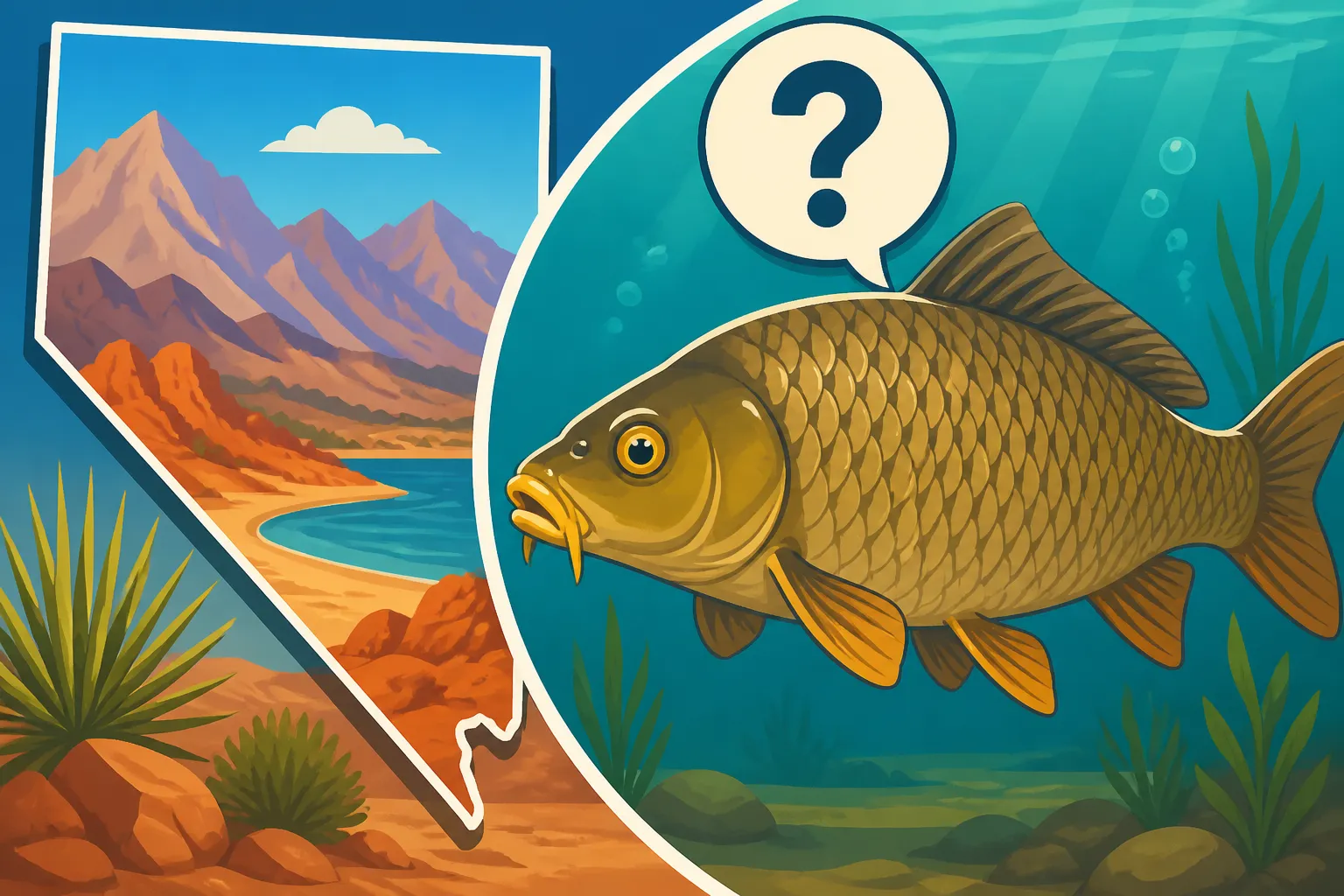
Common carp are easily recognizable once you know what to look for. They have a distinctive, often golden-bronze body with large, thick scales that give them an almost armor-plated appearance. Their most notable feature, however, is the pair of barbels (whisker-like appendages) on each side of their upper jaw, near their mouth. These barbels are packed with taste buds and help them locate food in murky water.
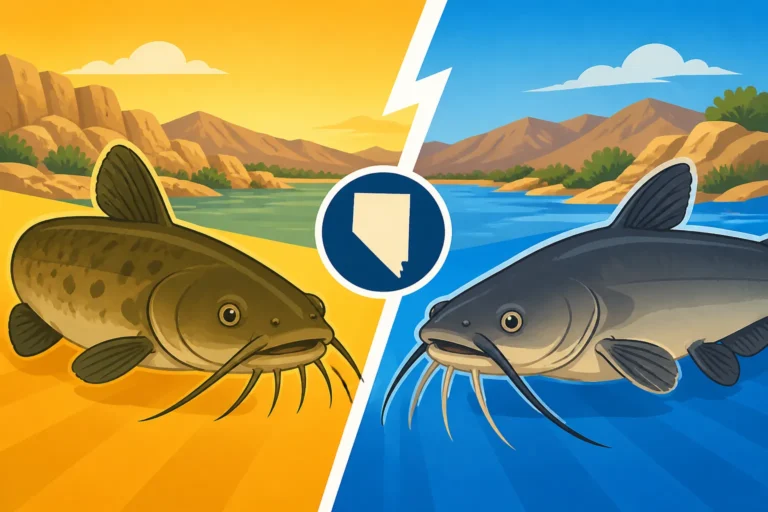
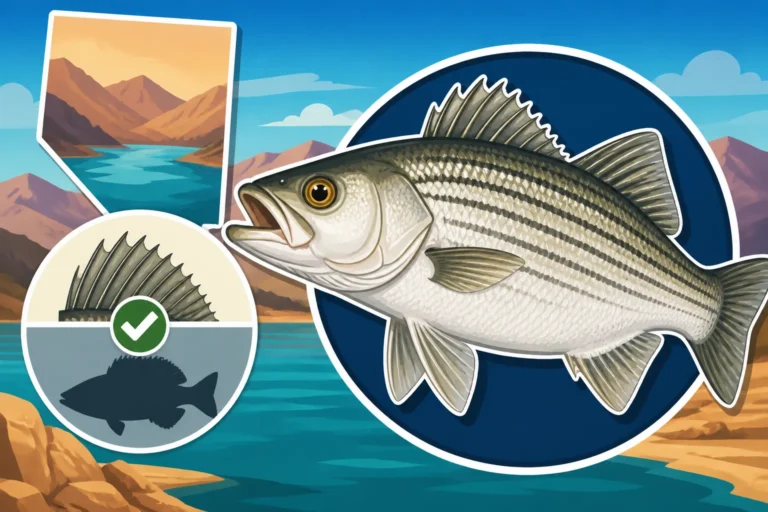
They typically have a deep, robust body, often quite thick, especially in larger specimens. Their dorsal fin is long and singular, with a serrated, hard ray at the front, and their tail is broad and powerful, which contributes to their reputation as fierce fighters. Size-wise, they can range from small "football" carp weighing a few pounds to true giants tipping the scales at 20, 30, or even 40 pounds in Nevada's richer waters. Don't confuse them with the more slender, silvery Sacramento perch you might find at Pyramid Lake, or the small, dark black bullhead catfish that also calls some of our waters home.
Why Are They Here? A Brief History
The presence of common carp in North American waters, including Nevada, is a classic tale of intentional introduction gone awry. They are not native to this continent; their origins lie in Europe and Asia. In the late 19th century, common carp were widely introduced into American waters by various government agencies and private individuals. The rationale was simple: they were seen as a valuable food fish, easy to cultivate, and tolerant of various water conditions. There was a belief that they would provide a readily available food source for a growing population.
Unfortunately, what seemed like a good idea at the time quickly became an ecological challenge. Carp proved to be incredibly prolific and resilient, often outcompeting native species for food and habitat. Their bottom-feeding habits, where they root around in the substrate, can stir up sediment, increase water turbidity, and uproot aquatic vegetation, negatively impacting water quality and critical spawning grounds for other fish. This history is why they are often considered an invasive species, despite being a strong sporting fish.
Fishing for Common Carp in Nevada
Fishing for common carp can be an incredibly rewarding experience, offering some of the hardest fights you'll find from freshwater fish in Nevada. They're often overlooked, meaning less competition for prime spots. With the right approach, you can have a truly epic day on the water.
Best Baits and Rigs for Carp
Carp are omnivores, but they have a particular fondness for starchy, sweet, and protein-rich baits. The classic and arguably most effective bait for carp is simple canned corn. A handful of corn scattered in the water (chumming) can attract them, and a few kernels on a hook are often irresistible. Dough balls, made from flour, cornmeal, and sometimes a sweetener or flavoring, are also extremely popular and effective. Many anglers swear by a mixture of instant oatmeal and creamed corn, rolled into a ball.
For more advanced carp anglers, specialized boilies (hardened, flavored dough balls) are a go-to. These can be purchased from dedicated carp fishing suppliers or online through retailers like Amazon, offering a huge array of flavors and sizes. Earthworms and even small pieces of hot dog can also work in a pinch, especially if you're targeting other species and a carp happens to find your offering.
When it comes to rigs, a simple Carolina rig or a slip-sinker rig works wonders. This involves a sinker above a swivel, with a leader (about 12-24 inches) tied to a hook. The key is to allow the carp to pick up the bait and move off without feeling immediate resistance from the sinker. A hair rig, where the bait is tied to a small "hair" off the hook, rather than directly on it, is very effective for boilies and corn, as it ensures the hook is exposed and ready to set when the fish inhales the bait. For heavy carp, you'll want to review your knots and ensure everything is solid; these fish can really pull!
Techniques for Different Water Types
Carp fishing techniques often vary slightly depending on whether you're targeting them in large reservoirs, rivers, or smaller urban ponds.
- Large Reservoirs (e.g., Lake Mead, Lake Mohave): Here, carp will often congregate in shallower, warmer coves, large flats, or along shorelines with submerged vegetation. Look for areas where feeder creeks or washes enter the lake, as these can carry food. Bank fishing techniques for desert lakes are often ideal. Baiting an area with corn or breadcrumbs for an hour or two before you start fishing can significantly increase your success. Cast your rigs near weed lines or drop-offs, and be patient. Many anglers will set up multiple rods, using rod holders to keep them stable while they wait for a bite.
- Rivers (e.g., Truckee River): In rivers, carp will favor slower-moving sections, eddies, and deeper pools where they can feed without fighting strong currents. Focus on areas where the current breaks, like behind large rocks, fallen trees, or bridge pilings. You might need slightly heavier sinkers to keep your bait in place. Fishing near undercut banks is also a good strategy, as carp often seek shelter and food there.
- Urban Ponds (e.g., Floyd Lamb Park, Sunset Park): These smaller, often heavily stocked ponds can be carp hotspots. The fish here are often accustomed to human activity and may be less wary. Bread is an incredibly effective bait in urban ponds, either rolled into a ball or floated on the surface. Look for visible signs of carp, like muddy patches, subtle swirls, or even fish jumping. Fishing close to docks or bridges can also be productive. Remember that specific rules for urban ponds might vary, so always check local regulations before you go.
Gear Recommendations for Carp Fishing
You don't need highly specialized gear to catch carp, but a few considerations will make your experience much more enjoyable and successful. Carp are strong, so don't skimp on rod power and line strength.
- Rods and Reels: A medium to heavy action spinning rod, 7 to 9 feet long, paired with a reliable spinning reel (size 3000-5000) is a great all-around choice. This setup provides enough backbone to handle large fish and absorb their powerful runs. Look for a reel with a smooth, reliable drag system – it's crucial for tiring out big carp without breaking your line. If you're looking for a new setup, many reputable brands offer excellent options that can be found easily on Amazon.
- Fishing Line: Monofilament line in the 10-20 lb test range is a good starting point. Its stretch helps absorb the shock of a carp's initial run. Some anglers prefer braided line for its sensitivity and lack of stretch, especially when fishing at longer distances, but you'll need to be more mindful of your drag settings. A fluorocarbon leader can be beneficial for its abrasion resistance and invisibility underwater.
- Hooks: Wide gap hooks or circle hooks in sizes #2 to #6 are generally effective. Circle hooks are particularly good for carp as they tend to hook the fish in the corner of the mouth, making for easier release and less harm to the fish.
- Other Essentials: A sturdy rod holder is almost a necessity for bank fishing, especially when you're waiting for those subtle carp bites. A large landing net with a fine mesh is also critical for safely landing and handling big carp. Many anglers also carry a small bucket or cooler for mixing and storing bait, and of course, plenty of sun protection is a must when fishing Nevada's bright conditions.
The Role of Common Carp in Nevada's Ecosystem
The presence of common carp in Nevada's waters is a topic that often sparks debate among anglers and conservationists alike. While they provide fantastic sport, their ecological impact is undeniable.
Are They Invasive?
Yes, in most contexts, common carp are considered an invasive species in Nevada, as they are throughout much of North America. They were introduced from Europe and Asia and are not native to the region. This classification isn't just about where they came from; it's primarily about their impact on the existing ecosystem.
Their prolific breeding, rapid growth, and tolerance for various water conditions allow them to quickly establish dominant populations. Unlike native species that have evolved within a specific ecological niche, carp can often outcompete or displace local fish species, especially in environments that have been altered by human activity, such as damming or water diversion. The perception of carp as "rough fish" or "trash fish" often stems from this invasive status and their sometimes detrimental effect on water quality.
Carp's Impact on Native Species and Water Quality
The primary concern with common carp centers on their feeding habits and their effect on aquatic environments. Carp are benthic feeders, meaning they root around on the bottom of lakes and rivers, often vigorously, to find insects, crustaceans, and plant matter. This activity can have several negative consequences:
- Increased Turbidity: By disturbing the bottom sediments, carp stir up mud and silt, leading to cloudy or turbid water. This reduction in water clarity can severely limit the growth of aquatic vegetation, which is vital habitat and food for many native fish and waterfowl. It also makes it harder for sight-feeding predators to hunt.
- Habitat Destruction: The uprooting of plants directly destroys critical spawning areas for native fish, as well as crucial cover for juvenile fish and invertebrates.
- Competition for Food: Carp can directly compete with native bottom-feeding fish species for food resources, putting stress on populations that are already adapted to potentially more limited resources.
- Nutrient Cycling: Their feeding habits can release phosphorus from sediments back into the water column, potentially contributing to algal blooms, especially in nutrient-rich urban ponds or slower-moving reservoir sections.
In certain areas, like the sensitive ecosystems of Lake Tahoe or the habitat for the Lahontan Cutthroat Trout in Nevada at Pyramid Lake, strict measures are in place to prevent the introduction or spread of non-native species, precisely because of the potential for these kinds of ecological disruptions.
Management and Regulation
Given their invasive status, Nevada's wildlife agencies often manage common carp populations. This can involve various strategies, though complete eradication is rarely feasible once they are well-established in large water bodies.
Regulations typically reflect their status. For example, in many Nevada waters, there are no bag limits or size restrictions on common carp. This encourages anglers to harvest them, which can help control their numbers, especially in smaller, more contained environments like urban ponds. It's always crucial to check the current Nevada Fishing Regulations Explained before heading out, as rules can change and specific water bodies might have unique guidelines.
Some areas might actively remove carp through netting programs or other methods to protect sensitive native habitats. While carp might be seen as a nuisance by some, it's important to remember that they are here to stay in many places, and sustainable management efforts often focus on mitigating their impact rather than outright elimination.
Enjoying Carp Fishing: A Unique Experience
Despite their reputation, common carp offer an incredibly unique and accessible fishing experience. They are plentiful, can be found in many easily accessible locations, and provide a fight that rivals many prized game fish.
The Fight of a Lifetime
If you've never hooked into a large common carp, you're truly missing out. These fish are renowned for their incredible strength and endurance. Once hooked, a carp will often make powerful, sustained runs, stripping line off your reel with surprising speed. They don't typically jump like a bass or a trout, but they'll dog it deep, shaking their heads vigorously and testing your tackle to its limits.
The challenge of landing a big carp is what draws many dedicated anglers to them. It's a true battle of wills, requiring patience, a properly set drag, and careful rod handling. They are magnificent fighters, and bringing a 20-pound common carp to the net on appropriate tackle can be just as exhilarating, if not more so, than landing a similar-sized game fish. This makes carp fishing an excellent way to hone your angling skills, especially if you're looking to challenge yourself against a powerful adversary.
Culinary Aspects and Cleaning Tips
While not as universally celebrated for their table fare as trout or bass, common carp are absolutely edible and enjoyed in many cultures around the world. The key to enjoying carp often lies in proper cleaning and preparation.
Carp meat can sometimes have a "muddy" or "fishy" taste, especially from waters with poor quality. This flavor can be mitigated by bleeding the fish immediately after catching it and soaking the fillets in saltwater, milk, or a mixture of baking soda and water for a few hours or overnight. Many anglers find the larger carp to be less desirable for eating than smaller, younger fish.
Cleaning a carp requires a sturdy fillet knife. The main challenge is dealing with the numerous intramuscular bones, often called "Y-bones," that run through the fillet. There are specific filleting techniques that can help remove these, or you can score the fillets deeply, allowing the bones to "cook out" and become brittle. Carp are excellent smoked, baked, or fried. In some regions, ground carp is used in fish patties or even gefilte fish. Don't be afraid to experiment with different recipes; you might be pleasantly surprised!
Catch and Release vs. Keeping Carp
The decision to catch and release or keep common carp in Nevada largely depends on personal preference and the specific regulations of the waterbody you're fishing. Since they are an invasive species in many areas and often have no bag limits, keeping them is generally encouraged as a way to help manage populations.
However, many carp anglers, particularly those who appreciate the sport and the fight, practice catch and release, especially for larger specimens. If you choose to release a carp, handle it with care. Use a large, wet net, keep the fish in the water as much as possible, and support its body fully when lifting for a quick photo. Remove the hook gently with pliers, and allow the fish to recover before releasing it.
Ultimately, whether you decide to keep or release, carp fishing offers a unique opportunity to connect with nature, challenge your angling skills, and enjoy the plentiful waters of Nevada. Grab some corn, a strong rod, and head out; you might just find your new favorite fight!
Disclaimer
This article is for general informational purposes only and does not constitute professional advice. Laws, prices and regulations vary by location and change over time. Consult a qualified professional for guidance on your specific situation.