Bullhead versus channel catfish differences
It can be incredibly confusing when you're out on a Nevada waterway, whether it's a calm urban pond or a vast reservoir, and you pull in a catfish. You know it's a catfish, but is it a channel cat or one of those often smaller, darker bullheads? This guide is here to clear up that common confusion, helping you confidently identify your catch so you know exactly what you've got on the line and what to expect from its size and fight.
Understanding the Bullhead Catfish
Bullhead catfish are often the unsung heroes of many Nevada waters. They might not get the same glamour as their larger channel cat cousins, but they offer fantastic fishing opportunities, especially for beginners or those just looking for consistent action. When you're trying to figure out if you've landed a bullhead, there are some very distinct features to look for.
Physical Characteristics of Bullheads
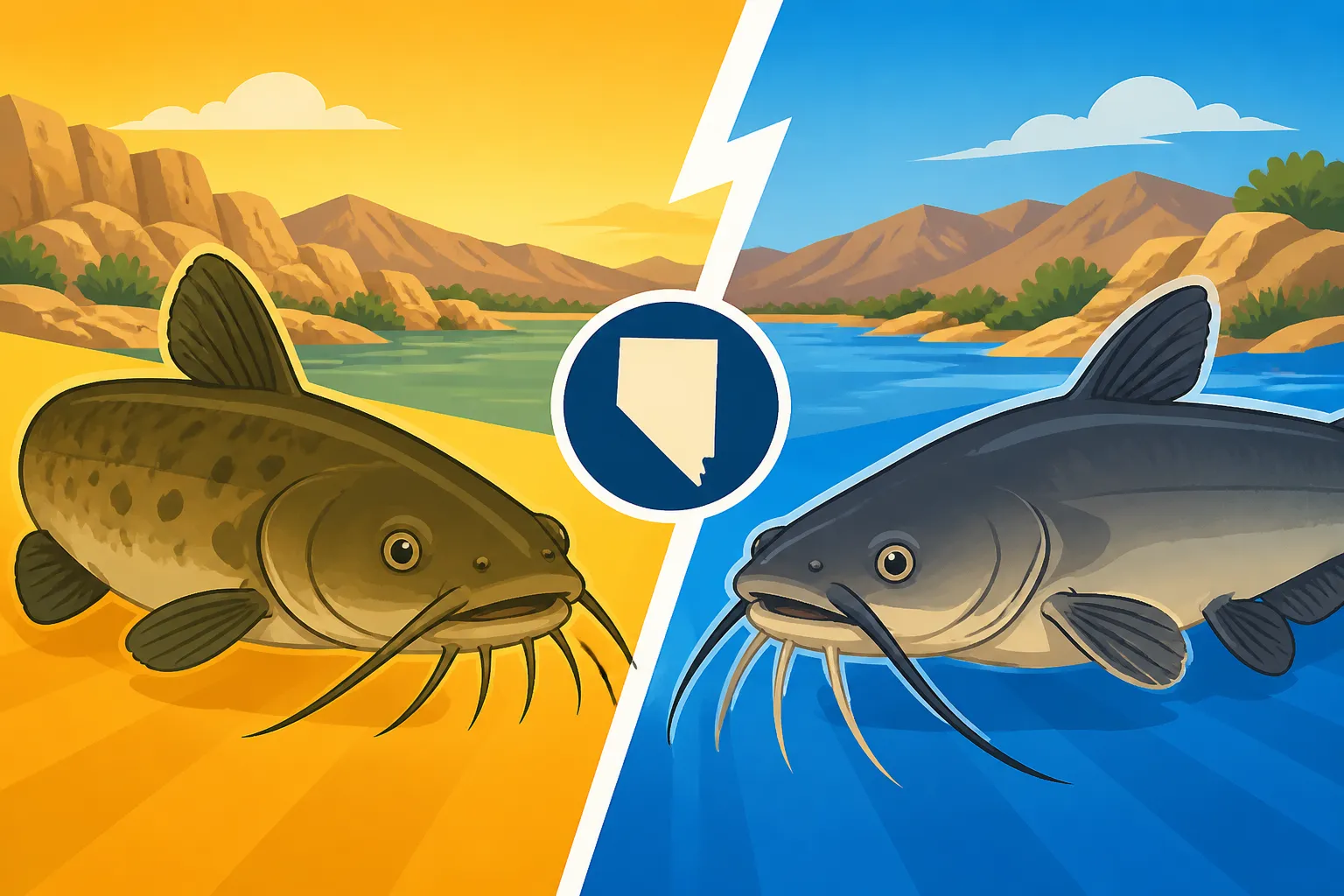
Bullheads, particularly the black and brown bullheads common in Nevada, generally have a more stout, stocky body shape compared to the sleeker channel catfish. Their heads are proportionally larger and wider for their body, giving them that characteristic "bull-like" appearance. One of the most telling signs is their tail fin – it's typically rounded or, at most, only very slightly notched. This is a crucial distinction that we'll come back to. Their coloration can vary quite a bit depending on the water they live in, ranging from dark olive to muddy brown or even yellowish. They also have barbels around their mouths, which are those whisker-like sensory organs, and these can be black, gray, or mottled. Another key identifier is their pectoral fin spine, which has strong serrations or barbs along its rear edge, making them quite "pokey" if you're not careful when handling them! You'll often find them in a wide array of waters, from urban parks to larger reservoirs, and they're incredibly resilient.
Typical Size and Habitat
In Nevada, bullheads are generally on the smaller side. While they can occasionally reach a few pounds, a typical bullhead catch might be anywhere from half a pound to two pounds. They're definitely not going to be setting any state records for size, but what they lack in heft, they make up for in abundance and willingness to bite. They thrive in warmer, often muddier, or more turbid waters, and aren't afraid of dense vegetation or soft, silty bottoms. They're often found in the shallower areas of lakes, ponds, and slow-moving rivers. Think of those calm coves in Lake Mead or the quieter urban ponds in Las Vegas; these are prime bullhead territories. Because of their adaptability, they're a great target for family fishing trips, especially when younger anglers are looking to consistently hook into something.
Unpacking the Channel Catfish
Now, let's talk about the channel catfish, the other major player in Nevada's catfishing scene. These are often the fish people picture when they think of catfish – larger, stronger, and famous for their delicious white meat. Identifying a channel cat is usually a bit easier once you know what to look for, and their presence definitely changes your fishing strategy.
Physical Features of Channel Cats
Channel catfish have a more streamlined, elongated body than bullheads, built for powerful swimming. Their heads are noticeably smaller in proportion to their bodies, and their overall shape is much sleeker. The absolute giveaway for a channel catfish is its deeply forked tail fin. This is the most consistent and reliable way to differentiate it from a bullhead; if the tail is clearly forked like a swallow's tail, you've got a channel cat. Their color can vary from olive-brown to bluish-gray on the back, often fading to a silvery-white belly. Younger channel cats often have distinct dark spots along their sides, which tend to fade as they get older and larger. Their barbels are usually dark, and unlike the bullhead, the pectoral fin spine of a channel cat has very few or no serrations, making them smoother to handle, though still sharp! Channel Catfish Fishing in Nevada is a great resource if you want to dive deeper into targeting these specific fish.
Common Size and Preferred Waters
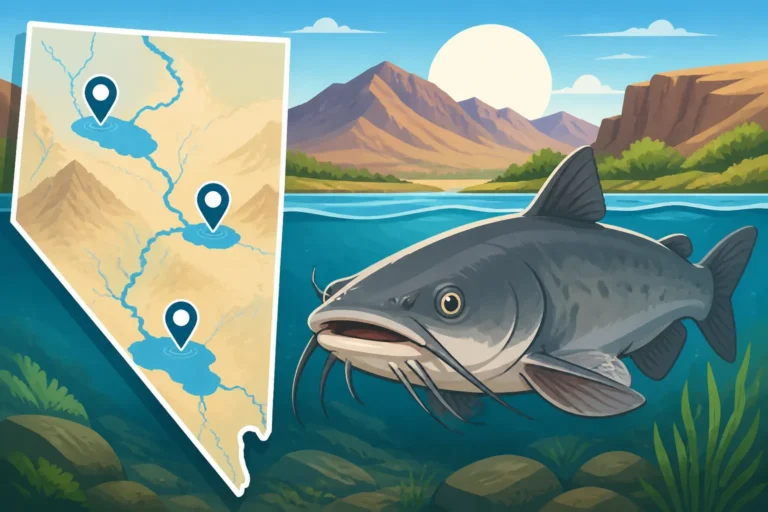
Channel catfish in Nevada can grow significantly larger than bullheads. While you'll catch plenty of one to five-pounders, it's not uncommon to hook into channel cats weighing 10 pounds or more, especially in larger reservoirs like Lake Mead or Lake Mohave. These bigger fish offer a serious fight and can really test your gear. They prefer larger rivers and reservoirs with clearer water than bullheads, though they can tolerate some turbidity. They like to hang out in deeper channels, around submerged structures, rock piles, or current breaks. You'll find them lurking in those drop-offs and deeper holes where they can ambush prey. They're also stocked in many urban ponds, providing excellent opportunities for anglers across the state. Understanding Channel Catfish Habitat in Nevada Reservoirs can significantly increase your success rate.
Key Differences: Head-to-Tail Comparison
When you're holding a catfish in your hand, or even just observing it, knowing exactly what to look for can prevent misidentification. While both are members of the catfish family and share some general characteristics, their distinguishing features are quite clear once you know them.
Definitive Identification Markers
Let's break down the absolute must-know differences. The tail fin is probably the easiest and most reliable indicator. A channel catfish will always have that deeply forked tail, almost like a "V" cut into it. A bullhead, on the other hand, will have a rounded or only slightly notched tail. This alone can solve most identification puzzles. Beyond the tail, consider the body shape and head size. Channel cats are more slender and streamlined with relatively small heads, while bullheads are chunkier with bigger, broader heads. The coloration of channel cats is often lighter, with spots on younger fish, whereas bullheads tend to be darker and more uniform in color. Finally, remember those pectoral fin spines: bullheads have noticeably serrated or barbed spines, which can deliver a nasty prick, while channel cats have smoother spines. This table summarizes the key visual differences:
| Feature | Bullhead Catfish | Channel Catfish |
|---|---|---|
| Tail Fin | Rounded or very slightly notched | Deeply forked, V-shaped |
| Body Shape | Stocky, robust, chunky | Streamlined, elongated, slender |
| Head Size | Proportionally larger, wider | Proportionally smaller, more pointed |
| Coloration | Dark olive, brown, yellowish; often uniform | Olive-brown to bluish-gray; often spotted (young) |
| Pectoral Spines | Strong serrations or barbs along trailing edge | Few to no serrations, smoother |
| Typical Size | Up to 2-3 lbs, commonly smaller | Up to 10+ lbs, commonly 1-5 lbs |
| Habitat | Warmer, often muddier water; dense vegetation, silty bottoms | Clearer, larger rivers and reservoirs; deeper channels, structures |
Remembering these key points will make you a catfish identification expert in no time. For a broader understanding of what else swims in Nevada's waters, check out our Nevada Fish Species Guide.
Impact on Fishing Strategy
Knowing whether you're targeting bullheads or channel cats can significantly influence your fishing approach. For bullheads, lighter tackle is usually sufficient. A basic spinning rod and reel combo with 6-10 lb test line is often perfect. They're not picky eaters, so baits like worms, cut bait, hot dogs, or even corn on a simple bottom rig will work well. Since they prefer shallower, vegetated areas, bank fishing in these spots can be very productive. You don't need fancy electronics to find them.
Channel catfish, on the other hand, demand a bit more respect, especially the larger ones. You'll want a medium to medium-heavy rod with 10-20 lb test line to handle their powerful runs. While they also eat worms and cut bait, stink baits, chicken livers, and even commercially prepared catfish dough baits can be incredibly effective. To reach them in their preferred deeper, structured habitats, you might need heavier sinkers, or even a boat with a fish finder to locate those submerged structures. Night fishing is also incredibly popular and productive for channel cats, so consider bringing a good headlamp, perhaps one you found on Amazon, and setting up for an evening session. Learning How to rig a bait for catfish in a reservoir can greatly improve your chances.
Fishing for Catfish in Nevada: Tips and Tricks
Now that you can tell your bullheads from your channel cats, let's talk about putting those identification skills to work and actually catching them in the Silver State. Both species offer unique and rewarding fishing experiences.
Best Baits and Rigs
For both bullheads and channel catfish, simple bottom rigs are often the most effective. This typically involves a sinker, a swivel, and a hook, with the bait presented on the bottom where these fish forage.
- Worms: Good old nightcrawlers are universally loved by both species. You can buy them almost anywhere, including many local tackle shops or even in bulk online via Amazon for a longer trip. Thread them on a hook for bullheads, or use a larger chunk for channel cats.
- Cut Bait: For channel cats, especially the bigger ones, cut bait from shad, carp, or even small pieces of hot dogs or chicken breast can be irresistible. The oil and scent dispersal in the water really draws them in.
- Stink Baits: Pre-made dip baits or punch baits designed specifically for catfish are incredibly effective for channel cats due to their strong sense of smell. You'll often find these available at sporting goods stores or through online retailers.
- Chicken Livers: Another classic for channel cats. They're soft, bloody, and emit a powerful scent. Be warned, they're messy!
- Marshmallows: Believe it or not, small pieces of marshmallow, sometimes dipped in garlic scent, can surprisingly attract bullheads and even smaller channel cats, especially in urban ponds.
For your rig, a simple Carolina rig or a slip-sinker rig works wonderfully. This allows the fish to take the bait without immediately feeling the weight of the sinker, giving you a better chance to set the hook. Consider using circle hooks, which are excellent for catfish, as they often hook the fish in the corner of the mouth, making for easier, safer releases. Don't forget a sturdy pair of pliers for hook removal, easily found on Amazon.
Prime Catfish Spots in Nevada
Nevada offers a surprising array of waters for catfish angling.
- Lake Mead and Lake Mohave: These massive reservoirs are prime destinations for trophy channel catfish, especially in the deeper channels, around submerged structures, and along rocky shorelines. You'll find plenty of bullheads in the shallower, muddier coves. Fishing during cooler parts of the day or at night can be particularly productive here for stripers and channel cats alike.
- Urban Ponds: The Las Vegas Nevada Urban Pond Fishing Guide is a fantastic resource. Ponds like those at Floyd Lamb Park, Lorenzi Park, and Sunset Park are regularly stocked and hold both channel catfish and bullheads, making them perfect for family outings. They're easily accessible and offer consistent action.
- Smaller Reservoirs and Rivers: Other locations like Rye Patch Reservoir, the lower Colorado River, and even some sections of the Humboldt River can offer excellent opportunities for both species, depending on the specific stretch and water conditions.
- Warm Water Coves: When the main lake body is cooler, look for warmer, shallower coves, especially those with some vegetation. Bullheads will often congregate here. For more specific guidance on targeting channel cats at night, refer to Best bait for channel catfish at night.
Remember, while bullheads and channel cats are generally quite abundant, always check the current Nevada Fishing Regulations Explained and Nevada statewide bag limits explained before heading out. Sometimes there are specific rules for different bodies of water or species, and you want to make sure you're always fishing responsibly.
Disclaimer
This article is for general informational purposes only and does not constitute professional advice. Laws, prices and regulations vary by location and change over time. Consult a qualified professional for guidance on your specific situation.