Does Lake Mead have designated no-fishing zones?
It’s a common worry for any angler heading out to a new, vast body of water: "Am I even allowed to fish here?" Lake Mead is huge, beautiful, and full of incredible fishing opportunities, but its sheer size and designation as a National Recreation Area mean there are specific rules and regulations that can be tricky to navigate. Nobody wants to accidentally break the law or disturb wildlife, so understanding exactly where you can and cannot cast a line is absolutely essential for a stress-free day on the water. This guide is here to clear up the confusion and help you confidently identify any designated no-fishing zones on Lake Mead.
Understanding Lake Mead's Regulations and Jurisdiction
Before we dive into the specific no-fishing zones, it's really helpful to understand why these areas exist and who makes the rules. Lake Mead isn't just any old lake; it's a critical part of the Lake Mead National Recreation Area, managed by the National Park Service (NPS). This adds a layer of complexity to the usual state-level fishing regulations you might be familiar with.
The National Park Service Role
When you're fishing on Lake Mead, you're essentially operating under a dual jurisdiction. The Nevada Department of Wildlife (NDOW) sets the statewide fishing regulations, including things like bag limits, size restrictions, and specific gear rules. You’ll definitely need a current Nevada Fishing License Guide to start. However, because Lake Mead is within an NPS unit, the National Park Service has the authority to implement additional rules specific to the park's management goals, public safety, and resource protection. This often means specific areas within the park might have different access rules, including outright no-fishing zones.
This collaborative effort between NDOW and the NPS ensures that the ecological health of the lake is maintained, visitors are safe, and the natural resources, including the incredible fish populations, are protected for future generations. It can feel like a lot to keep track of, but it's all designed to preserve the experience we all cherish. Always remember that both state and federal regulations apply, and sometimes the stricter of the two will take precedence.
Why No-Fishing Zones Exist
No-fishing zones aren't just arbitrary lines drawn on a map to make your life harder; they serve several crucial purposes. Understanding these reasons can help you predict where you might encounter restrictions, even if a sign isn't immediately visible.
- Public Safety: This is often the primary reason for many closures. Areas like swimming beaches, high-traffic boating channels, or near dam infrastructure are typically off-limits to fishing to prevent accidents. Imagine casting a hook where families are swimming – it’s a recipe for disaster.
- Ecological Protection: Some zones are established to protect sensitive habitats or specific fish populations, especially during vulnerable times like spawning seasons. For example, if a particular cove is a crucial spawning ground for bass, closing it to fishing for a few weeks helps ensure those fish can reproduce undisturbed, contributing to a healthier fishery. This is vital for maintaining healthy populations of species mentioned in the Nevada Fish Species Guide.
- Operational Areas: Certain parts of the lake are used for park operations, research, or infrastructure maintenance. These areas might be closed off to ensure the safety of workers and the efficiency of park services.
- Historical and Cultural Preservation: Lake Mead has historical significance, with submerged structures and shoreline areas that might be protected. Fishing activity could inadvertently damage these sensitive sites.
By understanding these underlying reasons, you can better appreciate the thought that goes into these regulations and, frankly, it makes it easier to comply. It's about being a responsible angler and respecting the natural environment and other visitors.
Specific No-Fishing Zones on Lake Mead
Now, let's get down to the nitty-gritty of where you absolutely should not be casting your line on Lake Mead. While specific details can sometimes change, there are general categories of areas that are consistently restricted.
Marinas and Developed Areas
One of the most common places you'll find no-fishing zones is around marinas, boat launches, and other developed recreational areas. These are high-traffic spots where people are launching boats, fueling up, swimming, picnicking, and generally enjoying the lakeside.
- Marinas and Docks: For the safety of boaters, swimmers, and the general public, fishing is typically prohibited directly within marina basins, off boat docks, or from fuel docks. This includes popular spots like Hemenway Harbor at Lake Mead, where boats are constantly coming and going. The sheer volume of activity makes it unsafe to have lines in the water. Plus, imagine trying to navigate a boat around a dozen fishing lines — it’s just not practical.
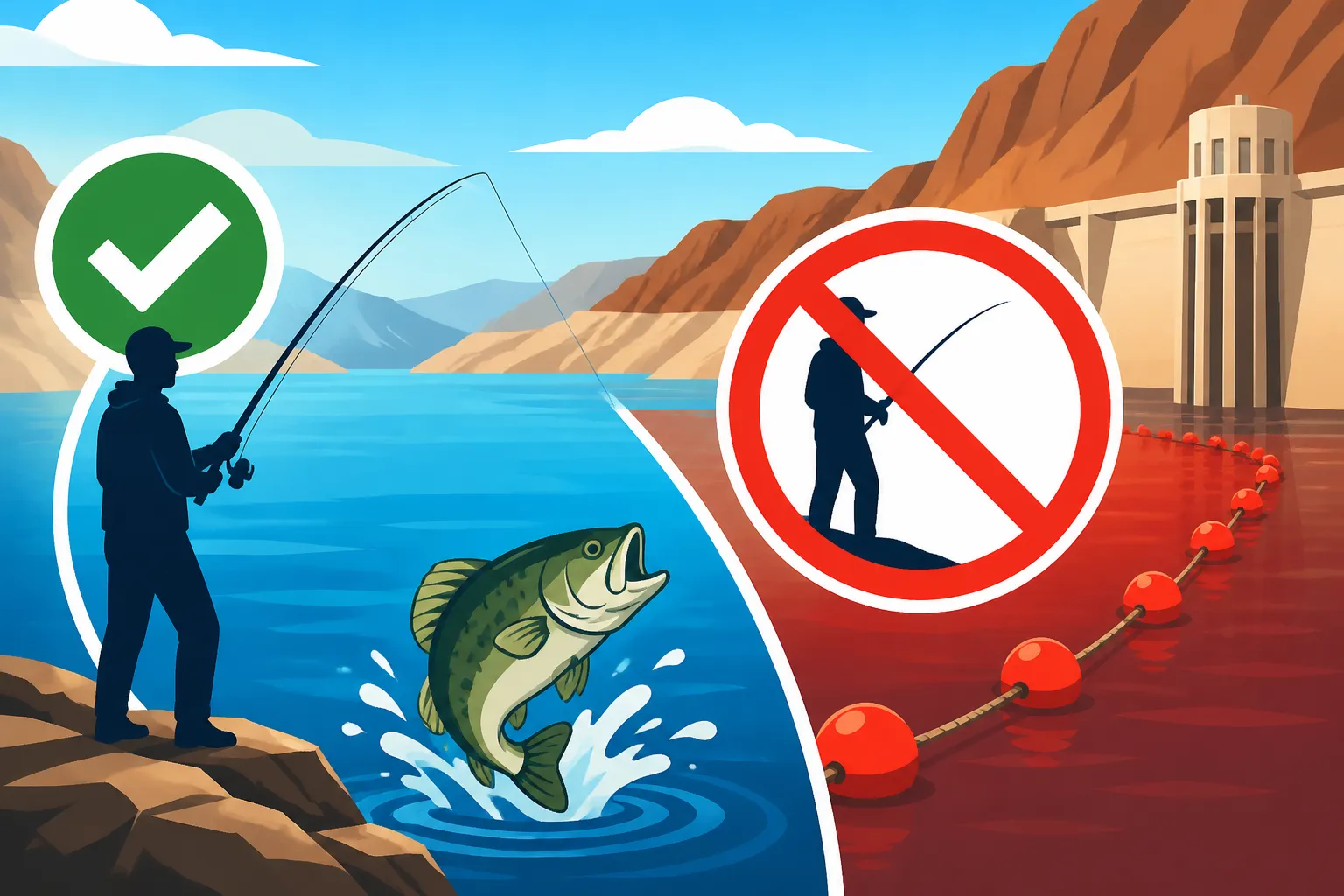
- Swimming Beaches: Designated swimming areas, like those found at Boulder Beach, are strictly no-fishing zones. These areas are for human recreation in the water, and fishing hooks, lines, and weights pose a serious safety hazard to swimmers. Even if no one is swimming when you arrive, these zones are typically enforced year-round.
- Boat Launch Ramps: While you're preparing to launch your boat, it might seem like a convenient spot to cast a line, but fishing off active boat ramps is generally not allowed. This is for safety and to keep traffic flowing smoothly. You wouldn't want to hold up a line of eager boaters, and they certainly wouldn't want your line tangled in their prop.
It’s always a good idea to look for signage in these developed areas. The NPS is usually pretty good about marking these spots clearly. If you're unsure, it's best to err on the side of caution and find a less congested spot.
Wildlife Protection Areas and Spawning Grounds
Some of the no-fishing zones are less about human safety and more about protecting the incredible ecosystems within Lake Mead. These zones are crucial for maintaining healthy populations of species like the striped bass, largemouth bass, and various trout that call these waters home.
- Designated Wildlife Sanctuaries: The vastness of Lake Mead means there are areas that serve as important habitats for birds, mammals, and fish. While not always explicitly marked as "no fishing," some specific coves or marshy areas might have restrictions, especially if they are identified as critical nesting or breeding grounds. These zones protect not only the fish but also the entire delicate balance of the ecosystem.
- Seasonal Spawning Closures: Certain species, particularly bass, have specific spawning seasons when they are highly vulnerable. To protect these fish during their reproductive cycle, the NDOW and NPS might implement temporary closures in key spawning areas. These are often clearly communicated through official channels, so staying informed is key. For instance, specific coves identified as prime Lake Mead Largemouth Bass Coves could have temporary restrictions during spring.
- Sensitive Habitat Areas: Certain delicate habitats, like specific vegetation beds or unique rock formations that provide crucial shelter and food sources for juvenile fish, might be protected. Disturbing these areas with fishing activity could have long-term negative impacts on the fishery.
These closures are often dynamic, changing with the seasons or specific conservation needs. This is why checking current regulations and talking to local experts is so important. A fishing guide you find on a platform like FishingBooker would be intimately familiar with any temporary or permanent closures designed to protect these vital resources.
Special Closures and Temporary Restrictions
Beyond the standing no-fishing zones, Lake Mead can also have special closures or temporary restrictions implemented for various reasons, from safety concerns to maintenance projects. These are less predictable but equally important to heed.
- Construction or Maintenance Zones: If there's active construction or maintenance happening on a dam, a dock, or any other facility near the water, the surrounding area will likely be closed to public access, including fishing, for safety reasons. These zones might be marked with buoys or temporary signs.
- Water Quality Advisories: Although less common for outright no-fishing, poor water quality in a specific area could lead to advisories that recommend against consuming fish caught there, or in extreme cases, even temporary fishing closures. Always check for current advisories.
- Emergency Closures: In rare instances, emergencies like a search and rescue operation, a hazardous spill, or extreme weather conditions could lead to temporary, short-notice closures of certain areas or even the entire lake. Always pay attention to park alerts and local news.
These types of closures underscore the importance of checking official sources right before your trip. A quick look at the Lake Mead National Recreation Area website or the NDOW site can save you a lot of hassle and potential fines.
| Type of No-Fishing Zone | Typical Location | Primary Reason for Restriction | What to Look For |
|---|---|---|---|
| Marinas & Docks | Within marina basins, off piers, fuel docks | Public Safety, Boater Traffic | "No Fishing" signs, high activity |
| Swimming Beaches | Designated public swimming areas | Public Safety, Swimmer Protection | "Swim Beach" signs, buoys defining area |
| Boat Launch Ramps | Active boat launch lanes and adjacent areas | Safety, Efficient Traffic Flow | "No Fishing" signs, active boat launching |
| Wildlife Protection Areas | Specific coves, shallow flats, marshy areas | Ecological Protection, Habitat Preservation | NDOW/NPS maps, specific signage, local advisories |
| Spawning Grounds | Productive shallow areas, coves (seasonal) | Species Reproduction, Fishery Health | Seasonal NDOW/NPS announcements, local knowledge |
| Operational/Construction | Near dam infrastructure, active maintenance sites | Worker Safety, Infrastructure Security | Temporary signs, buoys, restricted access points |
How to Identify and Avoid Restricted Areas
Navigating the rules can feel like a labyrinth sometimes, but with a bit of proactive effort, you can easily ensure you're always fishing legally and responsibly.
Official Resources and Signage
Your first and best line of defense against accidentally fishing in a restricted zone is to consult official sources. These are the most accurate and up-to-date.
- Lake Mead National Recreation Area Website: The NPS website for Lake Mead is a treasure trove of information. They typically have maps, current alerts, and specific regulations outlined for visitor activities, including fishing. Always check this before heading out, as regulations can sometimes be updated.
- Nevada Department of Wildlife (NDOW) Regulations: While the NPS handles park-specific access, NDOW is your go-to for fish species regulations, bag limits, and statewide fishing rules. Familiarize yourself with the Nevada Fishing Regulations Explained to understand what you can catch and how much. You’ll also find detailed information about the Nevada Statewide Bag Limits Explained.
- On-site Signage: When you arrive at Lake Mead, pay close attention to any physical signs. The NPS does a great job of posting signs at access points, trailheads, and particularly around developed areas or specific closures. These signs are there for your safety and to inform you of the rules, so don't ignore them. Look for "No Fishing" signs, buoys marking off swimming areas, or signs indicating sensitive habitats.
It's a small investment of time to check these resources, but it prevents a much larger headache later on.
Mapping Tools and Local Knowledge
Beyond official government sites, there are other practical tools and resources that can help you pinpoint exactly where you should be fishing.
- GPS and Digital Maps: Many modern GPS devices and fishing apps have detailed maps that include park boundaries, navigation channels, and sometimes even marked restricted zones. Using these in conjunction with official regulations can provide a clear picture of safe fishing areas. For example, knowing the details of the Lake Mead Nevada Fishing Guide can help you orient yourself on the map.
- Local Bait and Tackle Shops: These places are goldmines of information! The folks working there are usually local anglers themselves and can provide invaluable, real-time advice on where the fish are biting and, crucially, where you can't fish. They often know about temporary closures or subtle nuances that might not be immediately obvious online. They’re also a great place to pick up any last-minute gear or bait.
- Fishing Guides and Charters: If you're really serious about exploring Lake Mead and want to ensure you're always on the right side of the law while also finding the best spots (like Lake Mead Striped Bass Hotspots), consider hiring a local fishing guide. Guides are professionals who make their living knowing the lake inside and out, including all the regulations. Platforms like FishingBooker can help you connect with experienced local guides who can not only put you on fish but also ensure you're compliant with all local and federal rules, from permit requirements to navigating no-fishing zones. They can even advise on the Nevada Fishing Hours and Legal Times.
- Online Angler Communities: Forums and social media groups dedicated to Nevada fishing can also be a source of information. Just be sure to cross-reference any advice with official sources, as individual opinions aren't always accurate interpretations of the law.
Gathering information from multiple sources helps build a comprehensive understanding and reduces the chance of any unwelcome surprises.
The "When in Doubt, Don't" Rule
Ultimately, if you find yourself in a situation where you're unsure whether an area is open to fishing, the safest and most responsible approach is to simply move on. It's not worth the risk of a fine, confiscation of your gear, or even more serious legal consequences. The Nevada Fishing Violation Penalties can be steep, and nobody wants their fishing trip ruined by a run-in with law enforcement.
It’s always better to be overly cautious than to regret it later. Lake Mead is immense, offering countless productive spots where fishing is absolutely encouraged. There's no shortage of water to explore, so if a particular area feels questionable, trust your gut and find a different place to cast your line. Responsible angling means respecting the regulations, protecting the environment, and ensuring that everyone can enjoy the incredible beauty and bounty of Lake Mead for years to come. Plus, knowing you're in the clear legally just makes the whole experience so much more enjoyable!
Remember to also be mindful of other regulations such as Nevada Boat Registration for Anglers and obtaining your Nevada Fishing License Guide. A little preparation goes a long way in ensuring a memorable and legal fishing adventure on Lake Mead. Consider exploring resources like Best Time of Year to Fish in Nevada to maximize your chances of a successful and compliant trip.
Disclaimer
The information provided in this guide is for general informational purposes only and is subject to change. While we strive to provide accurate and up-to-date content, fishing regulations, park rules, and designated no-fishing zones can be updated or altered by the National Park Service or the Nevada Department of Wildlife without immediate notice. It is the angler's sole responsibility to consult official and current regulations from the Lake Mead National Recreation Area and the Nevada Department of Wildlife (NDOW) before engaging in any fishing activities. Failure to do so may result in fines or other penalties.