Best retrieve speed for a shad-colored jig
It's incredibly frustrating, isn't it, when you've got that perfect shad-colored jig tied on, you know the fish are down there, but you just can't seem to crack the code on how to make them bite? Trying to nail down the "best" retrieve speed often feels like chasing a ghost – one day they want it slow, the next they want it zipping by. This guide is all about demystifying that retrieve speed, helping you understand the factors at play, and equipping you with the knowledge to adjust your presentation for more successful days on the water across Nevada.
The Subtle Dance: Why Retrieve Speed for Shad Jigs Matters So Much
When you're out there fishing, especially in Nevada's diverse waters, your retrieve speed isn't just a casual flick of the wrist; it's a critical part of the conversation you're having with the fish. A shad-colored jig, in particular, is designed to imitate one of the most common and crucial forage species for many of our coveted game fish. Getting that retrieve speed right can be the difference between a barren cast and a jarring strike.
Mimicking Natural Prey: The Shad Imperative
Think about what a real shad does in the water. They swim, they dart, they pause, they might even seem to struggle a bit. Your jig's job is to replicate these movements convincingly. A shad-colored jig is chosen specifically because it looks like a fish already on the menu for species like striped bass, largemouth bass, and even some larger trout. If your retrieve is too robotic, too fast, or too slow, it loses that crucial illusion.
Imagine a school of actual shad calmly swimming along. They're not usually tearing through the water at warp speed unless they're fleeing. Conversely, a dying or injured shad might flutter slowly or pause erratically. By varying your retrieve speed, you're tapping into these natural behaviors, presenting your jig as either an easy meal that's struggling or a fleeing snack that needs to be ambushed quickly. The goal is to make your artificial lure look as real as possible, and speed is a huge part of that realism.
Understanding Fish Instincts: The Predator's Perspective
Fish are wired with primal instincts: hunt for food, avoid being food, and reproduce. When it comes to retrieve speed, you're playing directly into their hunting instincts. A shad-colored jig moving at the right speed can trigger an aggressive reaction strike from an active fish, or it can coax a reluctant bite from a more lethargic one.
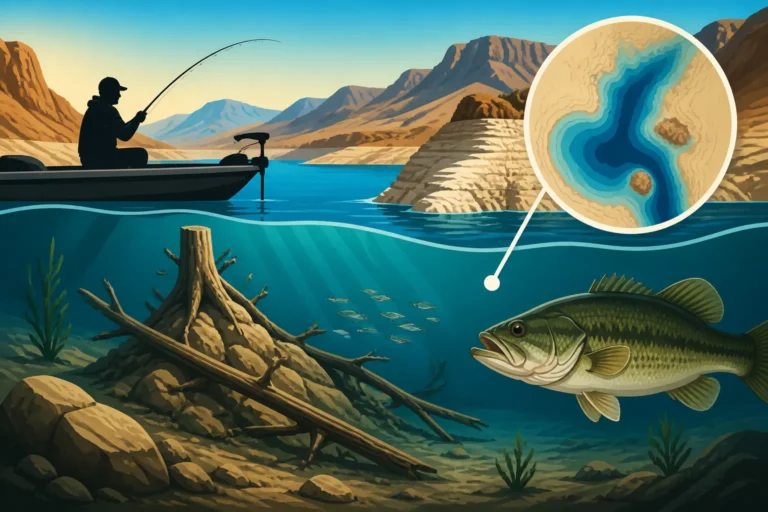
Consider a predator like a big striped bass lurking in the depths of Lake Mead. If a shad-colored jig whizzes by too fast, it might not even register as prey, or it could look like a healthy, fast-moving fish that's too much effort to chase. If it's too slow, it might look unnatural or simply not trigger the "chase and kill" instinct. The perfect speed hits that sweet spot – just fast enough to look like a fleeing or active baitfish, but not so fast that it's impossible to catch. For bass, sometimes a slower, deliberate presentation allows them more time to inspect and commit, especially if they are suspended in areas like those described in Deep Water Techniques for Lake Mead Bass. It's about finding that balance that convinces a wary fish to open its mouth.
Key Factors Influencing Your Shad Jig Retrieve Speed
There's no single "best" retrieve speed because fishing conditions, time of year, and even the mood of the fish change constantly. What worked yesterday might not work today, and what works for a striper won't necessarily work for a smallmouth. Learning to read these variables is what truly makes a great angler.
Water Temperature and Fish Metabolism
This is one of the biggest factors that dictates fish activity and, consequently, your ideal retrieve speed. Fish are cold-blooded, meaning their metabolism slows down significantly in colder water and speeds up in warmer water.
- Cold Water (Below 50-55°F): When the water is chilly, fish are sluggish. Their metabolism is slow, and they're less likely to chase down a fast-moving meal. In these conditions, a super slow retrieve is often key. Think barely crawling your shad jig along the bottom, or a very subtle lift-and-drop presentation. The fish want an easy meal that doesn't require much energy. Trying to make them chase a fast-moving jig in these temperatures will often result in frustration.
- Moderate Water (55-70°F): This is often prime fishing temperature. Fish are active, feeding, and willing to chase. You can experiment with a wider range of retrieve speeds, from a moderate steady retrieve to more aggressive jerks and pauses. This is when fish are most likely to react positively to a presentation that mimics a healthy, active baitfish.
- Warm Water (Above 70°F): In very warm water, especially during Nevada's hot summers, fish can become stressed and again, less active during the heat of the day. They might seek deeper, cooler water. Your retrieve might need to slow down again, similar to cold water conditions, or you might need to try faster, more erratic retrieves during cooler parts of the day (like early morning or late evening) when they are most actively feeding. It's a balance between making the lure look enticing and not overly stressing the fish with a wild, impossible-to-catch offering. Understanding Reading Water Temperature for Trout Fishing can also give you insights into how temperature affects different fish species.
Target Species and Their Feeding Habits
The species you're targeting makes a huge difference. Each fish has its own personality, so to speak, when it comes to chasing prey.
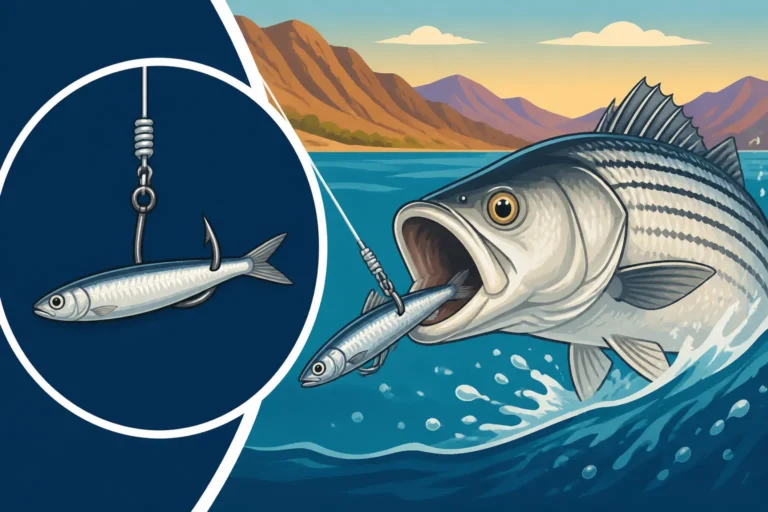
- Striped Bass (Lake Mead, Lake Mohave): These are notorious schooling predators. They are often aggressive and will chase down fast-moving baitfish. For stripers, a medium to fast retrieve with occasional pauses or jerks can be incredibly effective, especially when they are actively feeding or schooling. Think about the advice given in How to Fish for Striped Bass in Nevada; stripers love a good chase. They are often less subtle than other species. Don't be afraid to burn that jig back to the boat or shore, especially if you're seeing signs of active fish. Many anglers find great shad-colored jigs for stripers on Amazon, looking for those with a good hydrodynamic profile for fast retrieves.
- Largemouth and Smallmouth Bass (Lake Mead, Lake Mohave, many Nevada reservoirs): Bass can be a bit more finicky than stripers. While they can be aggressive, especially during the spawn or when actively feeding, they often prefer a retrieve with more pauses and erratic movements. A steady retrieve might work, but often a retrieve that mimics an injured or disoriented shad is more effective. This could mean a medium retrieve with frequent jerks, a lift-and-drop, or a slow roll near cover. For specific lure ideas, check out Best Lures for Nevada Bass. Their Seasonal Movement of Fish in Reservoirs will also heavily influence how aggressive they are.
- Wiper Hybrid Bass (e.g., Rye Patch Reservoir): Wipers are a cross between striped bass and white bass, and they inherit a lot of the aggressive nature of their striper parents. They are known for powerful strikes and often respond well to faster retrieves, similar to stripers. They are often found in open water, chasing baitfish schools. If you're targeting them, don't shy away from a brisk retrieve with some stop-and-go action. For more on these powerful fish, look into Best time to target wipers in a reservoir.
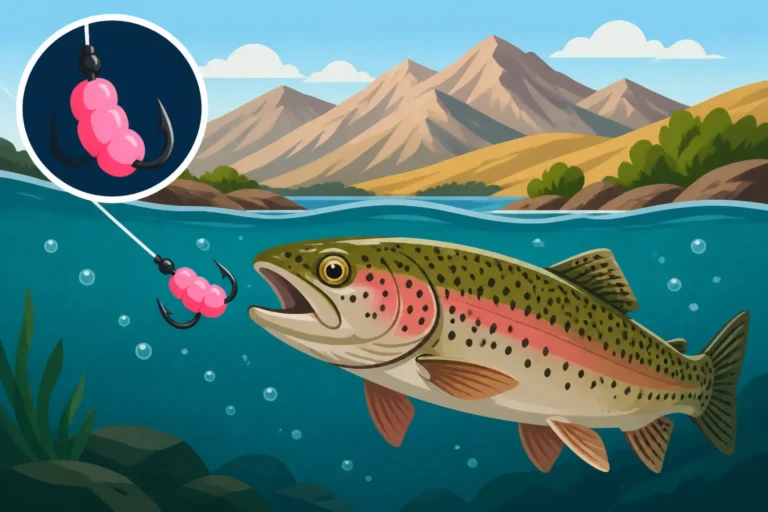
- Trout (Various Nevada Lakes and Rivers): While trout generally prefer smaller, more subtle presentations, larger brown and rainbow trout in reservoirs can absolutely be caught on shad-colored jigs, especially when targeting bigger fish or during specific feeding frenzies. For trout, a slower, more deliberate retrieve with small twitches and pauses is usually more effective than a full-speed burn. They're often ambush predators or opportunistic feeders who prefer not to expend too much energy chasing.
Water Clarity and Depth
These two elements are intertwined and play a significant role in how fish perceive your lure.
- Clear Water: In clear Nevada lakes like Tahoe or many high mountain reservoirs, fish have excellent visibility. This means your presentation needs to be more natural and subtle. A slower, more precise retrieve, minimizing unnatural movements, might be more effective. If the jig looks fake, they'll know. Sometimes, a very consistent, medium-slow retrieve can be key, making the jig appear effortlessly natural.
- Stained or Murky Water: When the water is less clear, fish rely more on their lateral line (a sensory organ that detects vibrations) than their eyesight. In these conditions, a slightly faster or more erratic retrieve, creating more vibration, can help fish locate your shad jig. The goal here is to get their attention through movement and displacement of water. Don't go so fast they can't catch it, but enough to create a discernible presence.
- Depth: The deeper you're fishing, the slower your retrieve generally needs to be. Light penetration decreases with depth, and fish in deeper, colder water are often less active. A slow, steady retrieve or a deliberate lift-and-drop ensures the jig stays in the strike zone longer and gives deep-water fish time to react. If you're fishing very deep, like for Mackinaw trout in Lake Tahoe or bass in the profound depths of Lake Mead, a too-fast retrieve will just pull the jig quickly out of the fish's sight. For tips on fishing specific deep areas, articles like Deep Water Techniques for Lake Mead Bass are invaluable.
Time of Day and Seasonal Patterns
The clock and the calendar also offer clues to the fish's temperament and preferred retrieve speed.
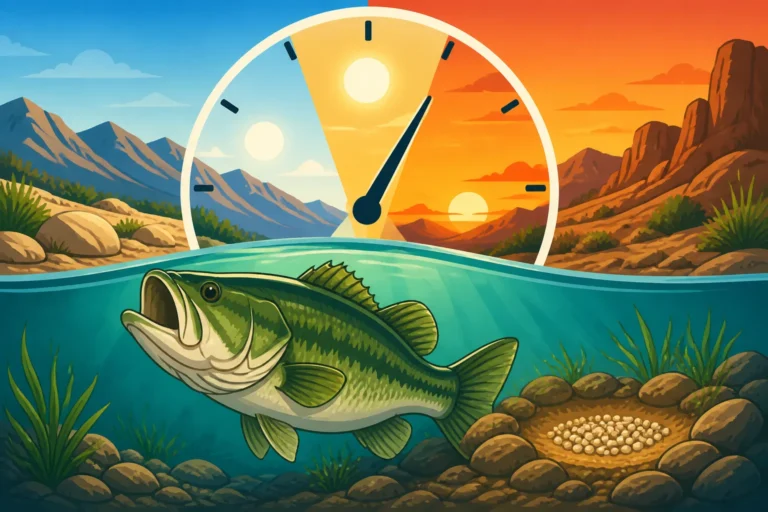
- Early Morning/Late Evening (Low Light): These are often prime feeding times when many predatory fish are most active. In low light, fish feel more secure hunting, and baitfish are often more exposed. You can often get away with, and even benefit from, a faster, more aggressive retrieve during these periods. The quick movement can trigger a reaction bite.
- Mid-Day Sun (Especially in Summer): As discussed in Best Time of Day to Fish in Summer Heat, the intense Nevada sun can push fish deeper or into shaded cover, making them less active. Your retrieve might need to slow down considerably, or you might need to target specific, cooler areas. Fish in the oppressive mid-day heat are not going to be chasing a marathon runner.
- Seasonal Patterns: The changing seasons dictate where fish are, what they're eating, and how active they are. For instance, during the spawn, bass can be very territorial and might hit a slow-moving jig that's encroaching on their bed. Post-spawn, they might be recuperating and prefer a slower, easier meal. In the fall, many species go on a feeding frenzy to bulk up for winter, and faster retrieves can mimic schooling baitfish. Keep an eye on Nevada Striped Bass Seasonal Patterns for specific insights.
Practical Retrieve Techniques for Shad Jigs
Now that we've covered the "why," let's dive into the "how." Different retrieve techniques can change the effective speed and action of your shad jig, allowing you to adapt to whatever the fish are telling you.
The Steady Retrieve with Pauses
This is your bread and butter, a foundational technique for many situations. You simply cast your shad jig out, let it sink to your desired depth, and then reel it in at a consistent speed. The "with pauses" part is crucial. Every few cranks, stop for a second or two, letting the jig flutter or fall slightly. This momentary hesitation often triggers a strike from following fish.
Think of it like this: a fish sees your jig, follows it for a bit, and then when it pauses, that's the signal for them to attack before it "gets away." The retrieve speed itself can vary from slow to moderate, depending on the factors we discussed (water temp, fish species, etc.). This technique is incredibly versatile and often a great starting point when you're trying to figure out what the fish want. It's often effective when searching for fish in new areas, as you're covering water and presenting a natural swimming motion.
The Lift-and-Drop (Jigging)
When fish are holding tight to structure, suspended in the water column, or simply being lethargic, a lift-and-drop retrieve can be deadly. This technique is more vertical than horizontal. You cast out, let your jig sink to the desired depth (often all the way to the bottom), then use your rod tip to lift the jig sharply off the bottom or through the water column. As soon as you lift, drop your rod tip, allowing the jig to fall back down on a semi-slack line. Take up the slack, and repeat.
The "drop" part of this retrieve is where most strikes occur, as the jig flutters down like a dying baitfish. The speed of your lift can be slow and subtle, or fast and aggressive, depending on the fish's mood. The fall, however, is almost always a bit slower and controlled, allowing the jig's tail to shimmy enticingly. This is a fantastic technique for vertical presentations and is often used by anglers who have located schools of fish with their electronics. It's a slightly different application than some of the horizontal retrieves you might use when covering ground, and understanding the nuances can really boost your success, especially when targeting the depths like those discussed in How to jig for striped bass at Lake Mead.
The Rip-and-Fall
This is a more aggressive, reaction-strike inducing technique. It’s particularly effective when fish are highly active, feeding aggressively, or when you need to cover water quickly and provoke a strike from a neutral fish. After casting, let the jig sink for a moment. Then, with your rod tip pointed low towards the water, make a sharp, upward "rip" or sweep with your rod. Immediately drop your rod tip, allowing the jig to fall on a semi-slack line, much like in the lift-and-drop. Quickly take up the slack and repeat.
The "rip" creates a sudden, darting action, mimicking a baitfish fleeing for its life. The subsequent "fall" allows the fish a moment to ambush the "stunned" prey. This technique can be quite tiring on your arms, but when executed correctly with the right shad jig, it can elicit explosive strikes. The speed of your rip can vary from a brisk snap to a full-on power sweep, always followed by that critical pause on the fall.
Slow Roll / Bottom Bouncing
Sometimes, fish just don't want to chase. They might be hugging the bottom, tucked into cover, or simply too cold or lethargic to exert much energy. In these situations, a slow roll or bottom bounce is your go-to. This involves casting your shad jig and letting it sink all the way to the bottom. Then, you simply reel it in just fast enough to keep it crawling or "bouncing" along the bottom, maintaining contact with the lakebed.
The key here is slow. You want the paddle tail or split tail of your shad jig to barely move, just enough to give it a subtle action. Every now and then, let it drag, bump into a rock, or even pause completely before resuming the slow retrieve. This technique is fantastic for targeting fish that are bottom-oriented or holding tight to structure, especially in areas like the coves mentioned in Shallow Water Techniques for Cove Bass Fishing. It presents the jig as an easy, vulnerable meal, making it irresistible to fish that aren't in the mood for a strenuous chase. This is also a good technique for really cold water or when fish are heavily pressured. You might find a good selection of heavier, shad-colored jigs suitable for this technique on Amazon, allowing them to stay on the bottom effectively.
Fine-Tuning Your Retrieve and Troubleshooting
You've got your jig, you've tried a few retrieves, but the bites aren't coming. Don't throw in the towel! Learning to adapt and troubleshoot your retrieve is what separates a good day from a great one.
Observing Conditions and Fish Behavior
Become a detective on the water. What are the conditions telling you? Is it windy, creating chop on the surface? Is the sun high and bright, or is it overcast? Are there baitfish flickering on the surface, or are birds diving? All these clues can help you dial in your retrieve.
If it's windy, fish might be more aggressive, ambushing prey that's disoriented by the chop. A faster, more erratic retrieve might be called for. If it's calm and sunny, a slower, more deliberate approach might be better, as fish have more time to inspect your offering. Pay attention to how your line feels. Any subtle tick or change in pressure might be a bite. If you're not getting bites after 15-20 casts in a spot, don't just keep doing the same thing. Change your retrieve speed, try a different cadence, or even switch to a different colored jig if the shad isn't working. Sometimes, a subtle change in the environment, like a slight current shift, can alter where fish are holding and how they prefer to strike. If you're struggling to even find fish, considering strategies like those in How to find fish in a new lake can be really helpful.
Experimentation and the Learning Curve
This is perhaps the most important tip of all: experiment! There's no magic formula that works every single time. Start with a retrieve speed and cadence that you think should work based on the conditions and target species. Then, if that's not producing, change it up.
Try going faster. Try going slower. Add more pauses, or fewer. Change the length of your pauses. Try a quicker snap on your lift-and-drop. Alternate between a steady retrieve and a rip-and-fall on successive casts. Pay close attention to when you get a strike. Was it on the pause? On the fall? As you sped up? That information is gold and will help you refine your technique for that specific day and location. Don't be afraid to try something that feels "wrong" – sometimes, the fish want something unexpected! This constant adjustment is the learning curve that makes you a better angler over time.
Gear Considerations
Your gear also plays a role in how effectively you can execute different retrieve speeds and techniques.
- Rod Sensitivity: A sensitive rod (usually graphite) allows you to feel subtle bites, bottom contact, and how your jig is moving through the water. This feedback is critical for fine-tuning your retrieve. If you can't feel the bottom, you can't effectively bottom-bounce.
- Line Type: Different fishing lines have different properties. Monofilament has stretch, which can cushion strikes but reduce sensitivity. Fluorocarbon has less stretch and is nearly invisible underwater, offering better feel. Braided line has almost no stretch, providing maximum sensitivity and casting distance, which can be great for detecting those faint taps on a slow retrieve. Consider what type of fishing line you are using to match your intended retrieve.
- Jig Weight: The weight of your shad jig directly affects its sink rate and how easily it can be retrieved at different speeds while staying in the strike zone. A lighter jig will require a slower retrieve to stay down, while a heavier jig can be worked faster or in deeper water. Having a range of jig weights available is crucial for adapting to different depths and conditions. If you're struggling to get your jig down to where the fish are, you might need a heavier option, which you can often find readily on Amazon, offering a convenient way to expand your tackle box.
Ultimately, mastering the best retrieve speed for a shad-colored jig in Nevada fishing isn't about memorizing a chart; it's about understanding the "why" behind the different techniques and constantly adapting to the conditions and the fish. Keep experimenting, keep observing, and you'll find yourself reeling in more success!
| Retrieve Technique | Ideal Speed | When to Use It | Key Action/Tip |
|---|---|---|---|
| Slow Roll/Bottom Bounce | Very Slow | Cold water, lethargic fish, deep structure, clear water | Maintain bottom contact, subtle tail movement |
| Steady with Pauses | Slow to Moderate | Searching, active fish, varying depths, general use | Pause for 1-3 seconds after a few cranks |
| Lift-and-Drop (Jigging) | Moderate to Aggressive | Suspended fish, tight to structure, vertical fishing | Let jig flutter on the fall; most strikes on drop |
| Rip-and-Fall | Aggressive | Active fish, reaction strikes, covering water | Sharp "rip" followed by immediate slack/fall |
Disclaimer
This article is for general informational purposes only and does not constitute professional advice. Laws, prices and regulations vary by location and change over time. Consult a qualified professional for guidance on your specific situation.