Best time to fish before a cold front hits
There's nothing quite like planning a fishing trip, getting all your gear ready, dreaming of that big catch, only to have a sudden shift in weather throw a wrench in your plans. A cold front rolling through Nevada can feel like a fishing death sentence, making those normally active fish suddenly disappear or turn completely lethargic. But what if I told you there's a specific window of opportunity before that front hits when the fishing can be absolutely phenomenal? This guide is all about understanding that crucial pre-front period and how to use it to your advantage, turning potential frustration into a fantastic day on the water.
Understanding the Impact of Cold Fronts on Nevada Fishing
Before we dive into the "when," let's talk about the "why." Cold fronts aren't just about a drop in air temperature; they bring a whole host of atmospheric and environmental changes that profoundly affect fish behavior in Nevada's diverse waters, from the vast expanses of Lake Mead to the high-desert trout streams. Ignoring these shifts is often why anglers come home empty-handed.
How Barometric Pressure Affects Fish Behavior
Barometric pressure, essentially the weight of the air above us, is arguably the most significant factor influencing fish activity during a cold front. Think about it: fish live in water, and water has weight, so any change in the atmospheric pressure pushing down on that water column is something they're going to feel, often acutely, through their swim bladder.
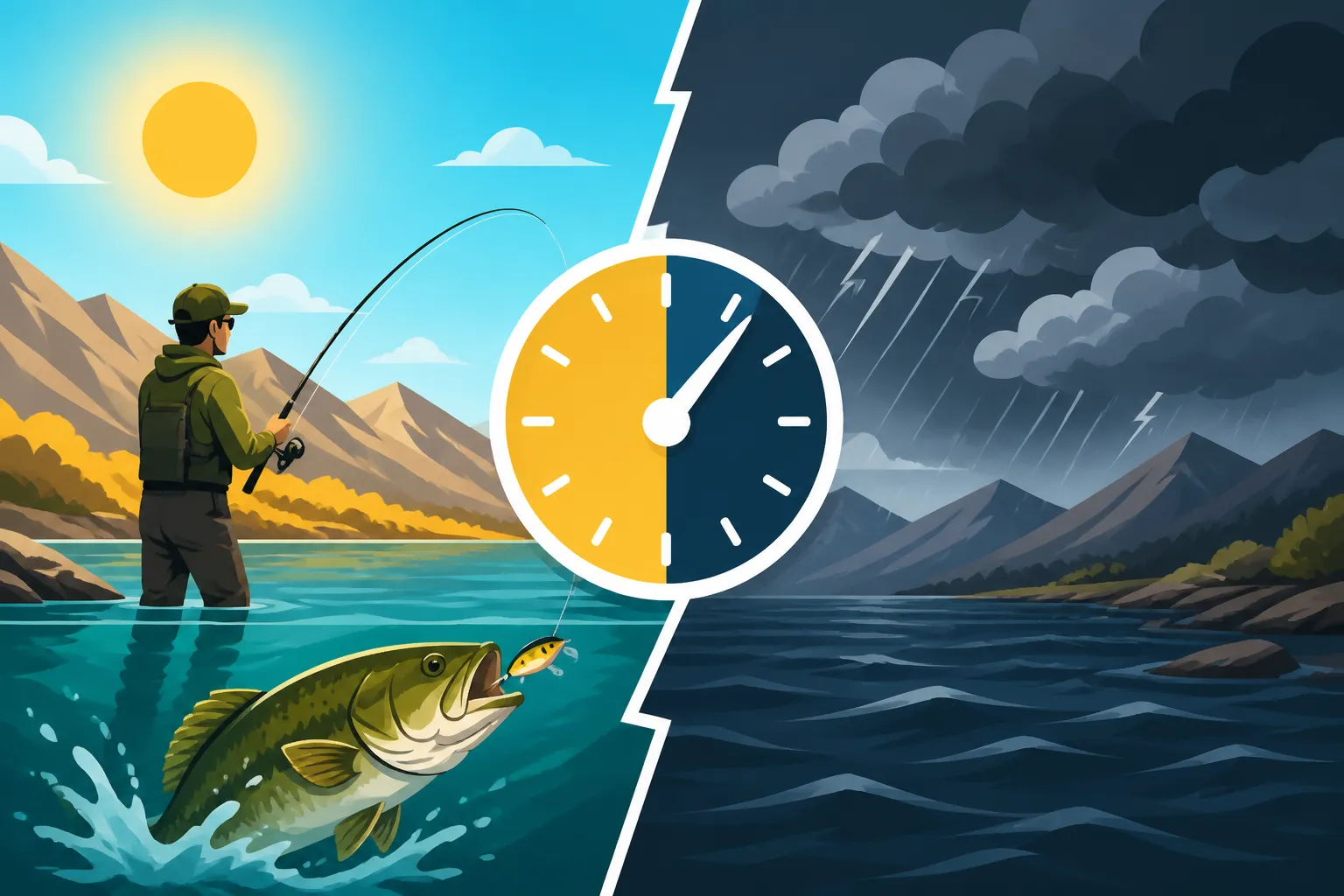
Normally, fish are most comfortable during periods of stable or slowly falling barometric pressure. This is their sweet spot, a time when they're likely to be active and feeding without undue stress. When a cold front approaches, the barometric pressure typically begins to fall quite rapidly. This rapid descent often triggers a feeding frenzy. Fish sense this change, and it's almost as if an alarm goes off in their tiny brains telling them, "Eat now, because things are about to get tough!" They know that once the front passes, the high, stable pressure that follows will make them less active and more reluctant to feed. This is why you often hear anglers talk about the "pre-front bite" – it's a very real phenomenon driven by these pressure changes.
The Immediate Shift in Water Temperature
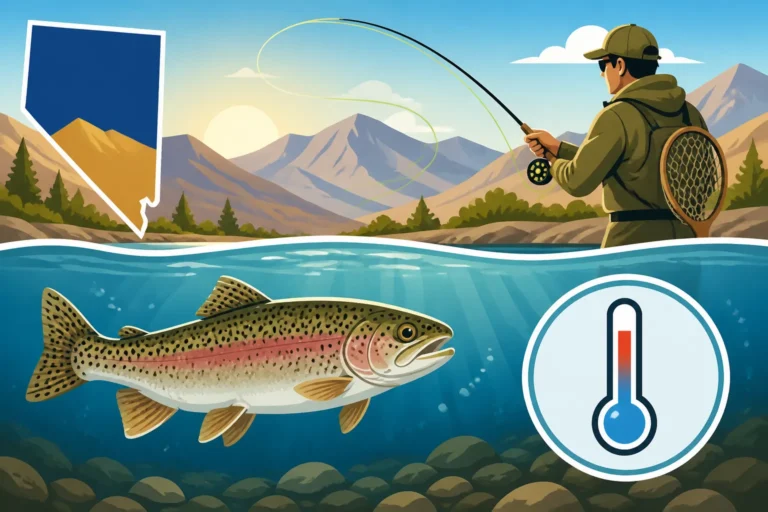
While the air temperature change is what we humans notice first, the immediate impact on water temperature, especially in shallower areas, also plays a critical role. In Nevada's desert lakes and reservoirs, which can get incredibly warm during the day, even a few degrees drop in surface temperature can be a shock to the system for many fish.
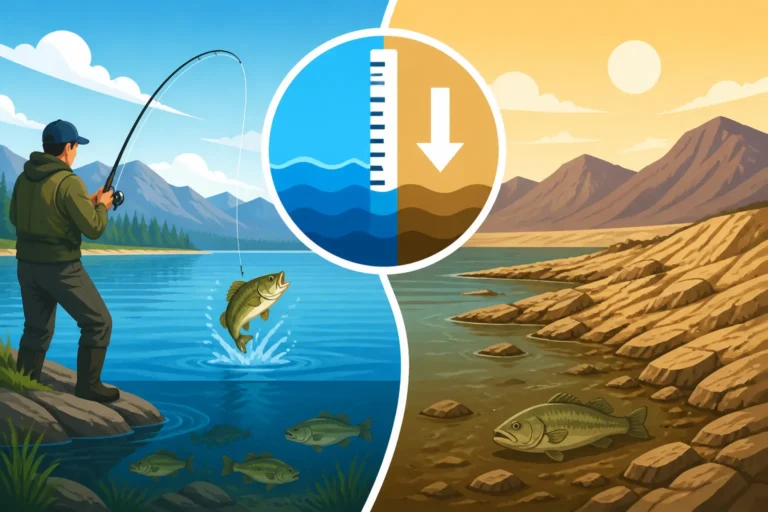
Cooler water directly affects a fish's metabolism. For warm-water species like largemouth bass, a sudden chill can make them sluggish and less inclined to chase fast-moving prey. Trout, being cold-water species, might tolerate it better, but they still react to abrupt changes. Shallow coves and bays are the first to feel these temperature dips. Before the front, as temperatures are still relatively warm but the air is cooling, fish might still be active in these areas. Once the cold air settles in, they'll often retreat to deeper, more stable thermal zones where the temperature fluctuates less dramatically. Understanding these subtle shifts is key to knowing where to cast your line.
Changes in Forage and Feeding Windows
Fish don't live in a vacuum, and their prey species, from small baitfish to insects, are also reacting to these atmospheric changes. Before a cold front, the same falling barometric pressure and slight cooling trends that spur game fish into action can also make baitfish more active and, frankly, more nervous. They might school up tighter or move into shallower water, making them easier targets for predators.
This creates a perfect storm for a fantastic bite: actively feeding predators chasing stressed, active bait. This intense feeding window is often relatively short, perhaps only a few hours to a day before the front truly arrives and the weather turns nasty. Once the front hits, baitfish will also seek deeper, more stable water or cover, and the predators, now full and feeling the effects of high pressure and cold water, will become much harder to tempt. Recognizing this brief but intense feeding window is precisely what we're aiming for. For tips on specific species, you might want to read our guide on how to fish for trout in Nevada or how to fish for bass in Nevada.
The Golden Window: When to Hit the Water Before a Cold Front
Knowing that a cold front is coming is one thing; knowing precisely when to seize that opportunity is another. It's about being observant, a little strategic, and sometimes, dropping everything to go fishing when the moment is right.
Reading Weather Patterns and Forecasts
Your best friend in identifying the pre-front bite is a good weather forecast. Don't just check it for precipitation; pay close attention to barometric pressure trends, expected temperature drops, and wind shifts. Modern weather apps like AccuWeather, The Weather Channel, or even your local news station will often provide detailed hourly forecasts that include barometric pressure readings. Look for that tell-tale downward trend, especially 24-48 hours before the expected "official" arrival of the front.
It's not just about the numbers, though. Learn to read the sky. Are clouds gathering from the west? Is the wind picking up unusually? Is the air feeling heavier or noticeably cooler than it should for the time of day? These are all indicators that a change is brewing. The more you pay attention to these subtle signs, the better you'll become at predicting that prime fishing window. You might also find our comprehensive guide on Nevada Fishing Seasons by Month helpful for understanding typical weather patterns.
Ideal Timing: Falling Pressure and Pre-Storm Activity
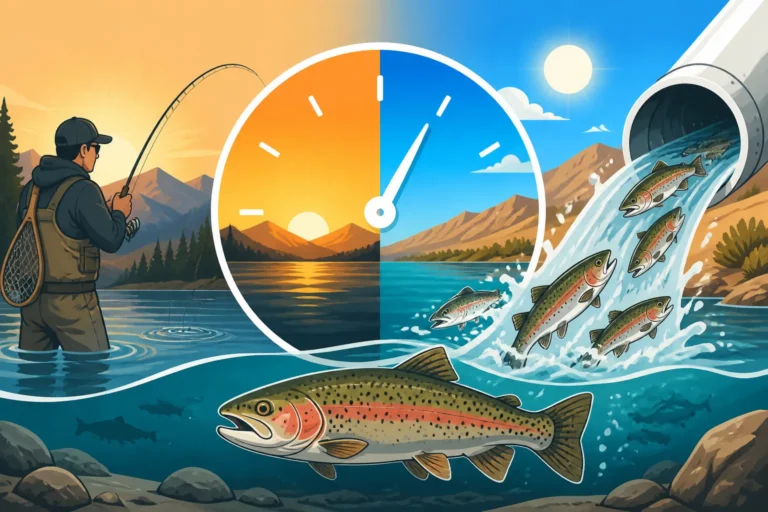
The absolute sweet spot for fishing before a cold front is usually when the barometric pressure is steadily falling, but the weather itself hasn't turned truly foul yet. This typically means the 12 to 24-hour period before the actual rain, snow, or strong winds associated with the cold front arrive. During this time, the air might feel a bit heavier, perhaps a bit humid, and there might be an increase in cloud cover. The wind might pick up, but not to the point of making fishing impossible.
This is when fish are most likely to be in that aggressive feeding mood. They're gorging themselves in anticipation of the difficult conditions to follow. For example, if a major cold front with strong winds and a significant temperature drop is predicted for Friday morning, Thursday afternoon and evening, or even Wednesday into Thursday, could be your best bet. This is when you should be on the water, not waiting until Friday afternoon when the front has already passed and the fish have shut down.
| Condition | Barometric Pressure | Fish Activity | Recommended Action |
|---|---|---|---|
| Pre-Front (Ideal) | Falling rapidly | High, Aggressive | Fast-moving lures, cover lots of water |
| Front Arriving | Bottoming out | Moderate to Low | Slow down, target deeper water |
| Post-Front (Tough) | Rising rapidly | Very Low | Finesse tactics, target sheltered areas |
| Stable High Pressure | Stable High | Moderate | Consistent patterns, adaptable techniques |
| Stable Low Pressure | Stable Low | Good | Steady feeding, good general fishing |
Identifying the "Pre-Front Bite"
Once you're out on the water, how do you know you've hit that golden window? The most obvious sign is increased fish activity. You might see more surface disturbances from feeding fish, or your fish finder might light up with schools of bait and larger arcs representing predators. More importantly, the bites you get are likely to be more aggressive, almost jarring, indicating that fish are actively hunting rather than just nibbling.
For instance, at a lake like Lake Tahoe, you might see more surface activity from cruising Mackinaw trout in shallower depths than usual, or perhaps more consistent bites on your downriggers. At Lake Mead, you might find striped bass boiling on shad in the morning or hitting topwater lures with a vengeance. If you're targeting bass, they might be smashing crankbaits or spinnerbaits, hitting them hard and running. This contrasts sharply with the "cold front hangover" where bites are often subtle, tentative, or non-existent.
Tactical Adjustments for Pre-Front Success in Nevada
Knowing when to go is half the battle. The other half is knowing how to capitalize on that short, intense feeding window. Your usual strategies might need a slight tweak to truly take advantage of the pre-front bite.
Aggressive Presentations and Lure Choices
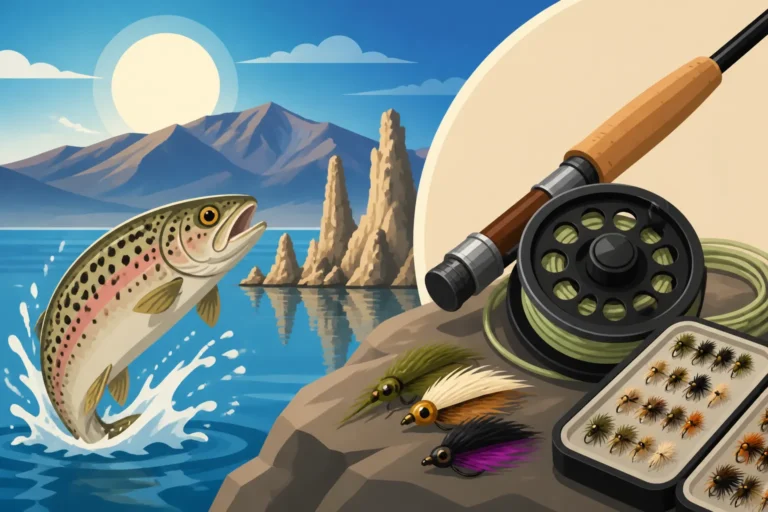
When fish are actively feeding before a cold front, they're often not subtle about it. This is the time to reach for your more aggressive presentations and lures that generate a lot of commotion.
- Crankbaits: These are fantastic for covering water and mimicking fleeing baitfish. Choose colors that match the local forage, like shad patterns for Lake Mead, or brighter colors if the water is a bit stained. Rapala and Strike King offer excellent options.
- Spinnerbaits: With their flashing blades and vibrating skirts, spinnerbaits are irresistible to bass and even some aggressive trout. They're great for fishing around cover like submerged brush or weed lines.
- Jerkbaits: Suspending jerkbaits can be deadly when retrieved with a "twitch, twitch, pause" cadence. The erratic movement imitates a wounded baitfish, triggering strong reaction strikes from species like smallmouth bass.
- Topwater Lures: If conditions are right (low light, calm water), topwater lures like poppers or walking baits can lead to explosive strikes from bass. There’s nothing quite like watching a fish explode on a surface lure!
Don't be afraid to cast further, retrieve faster, and really work your lures. The fish are often competing for food and will chase down an offering that looks like an easy meal. Many of these effective pre-front lures can be found and conveniently ordered from online retailers like Amazon.
Targeting Productive Depths and Structures
Before a cold front, fish might temporarily move into shallower water to feed before retreating to deeper sanctuaries. This is especially true for bass, which will push into coves and onto points to ambush baitfish.
- Points and Humps: These underwater structures are natural highways for fish and often hold concentrations of baitfish. Cast across them or along their edges.
- Weed Lines and Submerged Cover: Fish will often stage along the edges of weed beds or around submerged timber, waiting for prey. Spinnerbaits and chatterbaits are excellent for working these areas without getting snagged.
- Transition Areas: Look for spots where shallow water quickly drops off into deeper water. These ledges provide easy access to deeper, safer water for fish while allowing them to move up to feed.
- Fish Finders: A good fish finder is invaluable for identifying these structures and locating schools of baitfish or larger game fish. Brands like Lowrance, Humminbird, and Garmin offer a range of models, from simple portable units to advanced side-imaging systems, many of which are readily available on Amazon. Using your electronics to scout these areas can save you a lot of time and put you directly on active fish. For more on this, check out our guide on Best Fish Finder for Reservoir Fishing.
Leveraging Bait Selection for Different Species
While artificial lures are great for aggressive, reaction strikes, sometimes live bait is simply irresistible, especially for species that might be slightly less prone to chasing.
- Live Bait: For trout in a Nevada reservoir like Wildhorse, a small shiner or a nightcrawler drifted under a bobber can be incredibly effective. For catfish, a chunk of cut bait or a chicken liver on the bottom can yield great results. Make sure your live bait is fresh and lively to attract attention.
- PowerBait for Stocked Trout: For recently stocked rainbow trout in urban ponds or smaller reservoirs, PowerBait in bright colors (chartreuse, orange, rainbow) often works wonders. Rig it on a small treble hook with a sliding sinker, allowing it to float off the bottom where trout typically feed. Our article on Best Bait for Nevada Trout has more specific recommendations.
- Anchovies for Stripers: At Lake Mead, stripers often key in on shad and anchovies. Rigging a whole or cut anchovy on a Carolina rig can be deadly, especially when fished near drop-offs or submerged structure.
The key is to match your bait or lure to what the fish are actively feeding on and to the conditions you're encountering. Before a cold front, fish are less picky, but presenting something they recognize and can easily ambush will always give you an edge.
Post-Front Reality: What to Expect and How to Adapt
Okay, you missed the pre-front window, or maybe you just want to understand why fishing can suddenly get so tough. Let's talk about the "cold front hangover" and how to still salvage a day on the water, even if it's not the ideal timing. You might find our post on Does fishing get better after a cold front in Nevada? for more detailed information on this challenging period.
The "Cold Front Hangover" for Fish
Once a cold front has passed, the barometric pressure stabilizes at a higher level, and temperatures drop. This sudden shift often puts fish into a state of shock or lethargy. They move deeper, become less active, and their feeding drive significantly diminishes. It's like they've just had a big meal and now they want to digest it in peace, away from the turbulent surface conditions.
This is the frustration many anglers experience: they go out after the front, expecting the same bite they had just a day or two before, only to find the fish are completely shut down. The aggressive strikes disappear, and you might not get a single bite for hours. It’s not that the fish are gone; they’re just hunkered down, conserving energy, and generally unresponsive to most offerings. This is why timing your trip before the front is so crucial.
Slowing Down and Finesse Techniques
If you find yourself fishing in the aftermath of a cold front, your approach needs to change dramatically. Forget the aggressive power fishing; it's time to slow down and embrace finesse.
- Slower Presentations: Think subtle. Jerkbaits should be paused for much longer, sometimes up to 30 seconds. Worms should be retrieved agonizingly slow, just barely bumping the bottom.
- Finesse Rigs:
- Ned Rig: This small, mushroom-head jig with a short, buoyant soft plastic worm is fantastic for lethargic bass. It stands straight up on the bottom, offering a subtle, irresistible target.
- Drop Shot: Allows you to present a small plastic worm or creature bait suspended off the bottom, directly in the face of inactive fish. This is especially good for suspended fish or those holding tight to structure.
- Small Jigs: Tiny jigs tipped with a grub or a piece of Berkley Gulp! can entice trout and panfish.
- Light Line: Using lighter line (e.g., 4-6 lb test fluorocarbon) makes your presentation more natural and less visible to wary fish.
The goal is to present a small, easy meal that requires minimal effort for the fish to eat. Don't expect aggressive strikes; often, it will feel like a slight "tick" or just added weight on your line. You need to be patient, focused, and willing to work a single spot thoroughly.
Finding Sheltered Areas and Deep Water
After a cold front, fish will seek comfort and stability. This means looking for areas that are less affected by the immediate weather changes.
- Deeper Water: This is often the first place fish retreat to. The temperature is more stable, and they feel safer. Target humps, deep points, main lake channels, and submerged timber in deeper zones.
- Protected Coves and Leeward Sides: Strong winds often accompany cold fronts. Fish will move to the leeward (downwind) side of points, islands, or into protected coves where the water is calmer and less turbulent. While the water might be cooler, the lack of current and chop provides a more comfortable environment.
- Heavy Cover: Brush piles, rock piles, and thick submerged vegetation offer refuge and a sense of security. Fish will often bury themselves in these areas, making them incredibly hard to extract.
Remember, fishing post-front is a grind. It requires patience, a willingness to experiment with different depths and presentations, and a lot of determination. But understanding why the fish are acting the way they are will give you a much better chance of success. Sometimes, just a single bite on a tough post-front day can be more rewarding than a dozen fish on an easy day! For further insights into fish behavior, especially in relation to temperature, our article on Reading Water Temperature for Trout Fishing is a valuable resource.
Disclaimer
Fishing involves inherent risks, and conditions in Nevada's waters can change rapidly. Always prioritize safety, wear appropriate personal flotation devices, and be aware of current weather forecasts and water conditions. Always check the latest Nevada Department of Wildlife (NDOW) regulations and local restrictions before fishing, as rules can change. This guide is for informational purposes only and does not guarantee fishing success or safety.