Nevada Boat Titling Process
Navigating the world of boat ownership can sometimes feel like trying to reel in a stubborn lunker – exciting, but with a lot of unseen snags. One of the biggest challenges for many new and even experienced boaters in Nevada is understanding the boat titling process. This comprehensive guide is here to untangle the bureaucratic knots, walking you through every step to ensure your vessel is properly titled and ready for the water.
Understanding Nevada Boat Titling Basics
Getting your boat properly titled in Nevada is a crucial step, much like having the right gear before you hit the water. It’s more than just paperwork; it’s about establishing legal ownership and ensuring smooth sailing through all your future boating endeavors. Without a proper title, you can run into a host of issues, from reselling your boat to dealing with law enforcement on the water.
Why Your Boat Needs a Title in Nevada
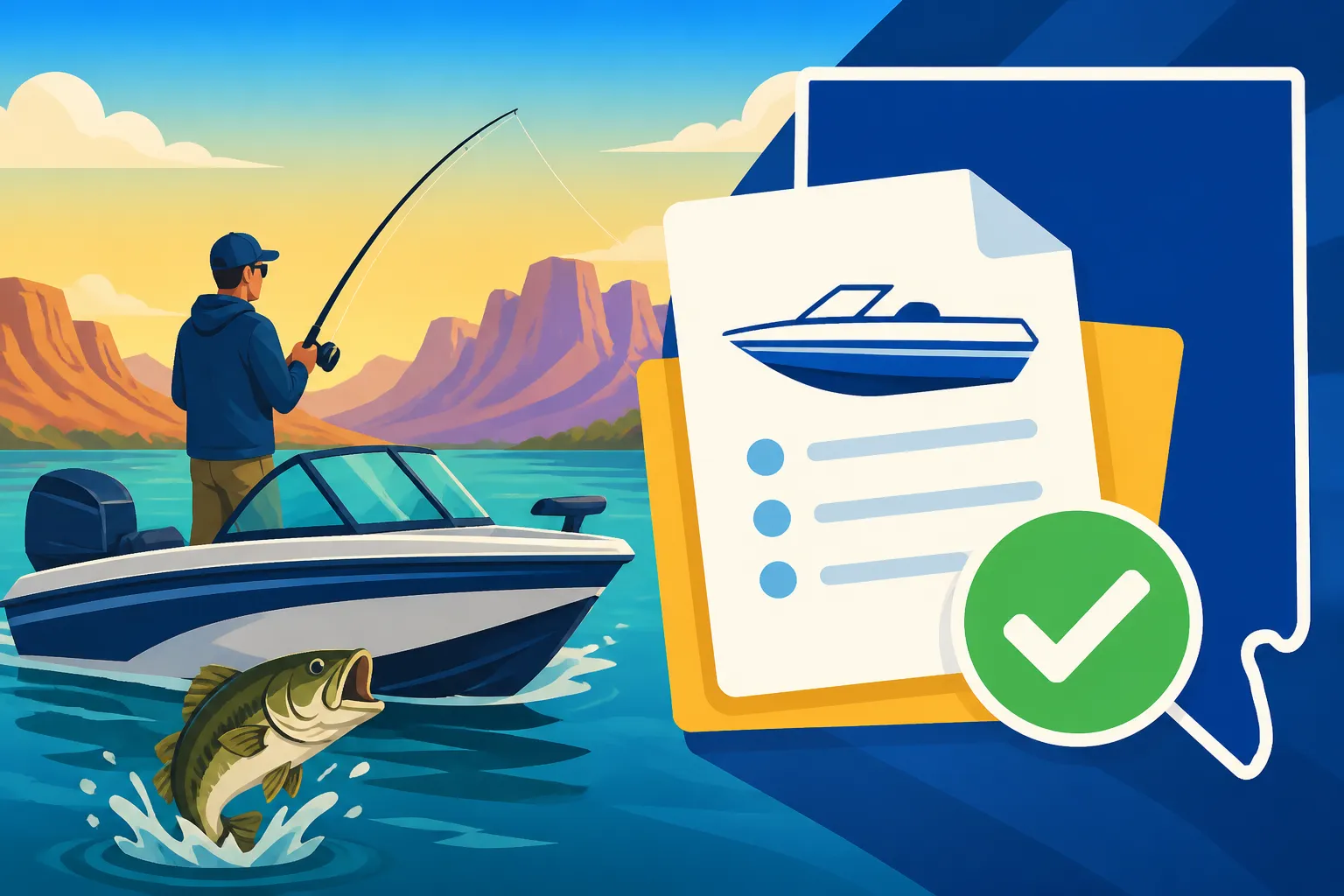
Think of your boat's title as its birth certificate and legal deed all rolled into one. It's the official document that proves you are the rightful owner of your vessel. In Nevada, this is handled by the Department of Wildlife (NDOW), which oversees all things related to boats and their operation in the state. The title contains vital information about your boat, including its hull identification number (HIN), make, model, and year, along with your name as the owner. This document is paramount for legal transactions, such as buying or selling your boat, as it legally transfers ownership from one party to another.
Beyond just proving ownership, having a properly issued title is a fundamental requirement for registering your boat, which you absolutely need to do before launching into any public waters. The two processes, titling and Nevada Boat Registration for Anglers, are often linked and frequently completed together. Without a title, you simply cannot get your registration, and operating an unregistered boat can lead to fines and other penalties. It also acts as protection against theft, as it provides a clear record of ownership that can be traced back to you.
When a Title is Not Required and Why
Now, while titling is a general requirement for most motorized vessels in Nevada, there are some specific exemptions that can sometimes catch people by surprise. Generally, you’ll need a title for any motor-powered boat that’s registered with the state. This includes everything from a small fishing boat with an outboard motor to a large cruiser designed for Lake Mead or Lake Mohave. The rule of thumb is, if it needs to be registered, it most likely needs a title.
However, certain types of vessels are typically exempt from the titling requirement. This often includes canoes, kayaks, rafts, paddleboards, and other non-motorized vessels. These smaller, human-powered craft generally fall under different regulations, primarily because they don't have a motor or typically carry the same risk profile as larger, powered boats. For more details on these specific vessel types, you might want to look into Nevada Nonmotorized Boat Rules. It’s always best to double-check the latest regulations, as exceptions can sometimes have caveats, such as if you add a trolling motor to what was originally a non-motorized kayak.
The Step-by-Step Nevada Boat Titling Process
The boat titling process can feel a bit like a scavenger hunt if you're not prepared, but with a clear roadmap, it's totally manageable. The key is knowing what documents you need and where to take them. Patience is a virtue here, but preparation makes all the difference.
Gathering Your Essential Documents
This is arguably the most critical step. Having all your paperwork in order before you visit NDOW or mail anything in will save you a world of headache. Imagine showing up, waiting in line, only to find you're missing one crucial piece! Don't let that happen.
Here’s a general rundown of what you’ll likely need:
- Application for Nevada Certificate of Ownership (Title) and Boat Registration: This is the main form, usually available on the NDOW website or at their offices. Fill it out completely and accurately.
- Proof of Ownership:
- For new boats: This will typically be the Manufacturer’s Statement of Origin (MSO) or Manufacturer’s Certificate of Origin (MCO). This is provided by the dealer when you purchase a brand-new vessel.
- For used boats: You’ll need the previous owner’s properly endorsed title. This means their signature releasing ownership, and your signature accepting it, usually on the back of the title itself.
- For boats from non-titling states: If you're bringing in a boat from a state that doesn't issue titles, you'll need the original registration and a bill of sale.
- Bill of Sale: Even if you have a title, a detailed bill of sale is always a good idea, especially for used boats. It should clearly state the buyer, seller, boat description (including HIN), purchase price, and date of sale. This is vital for calculating Nevada boat sales tax on a used boat purchase.
- Proof of Identity: Your valid driver’s license or state-issued ID.
- Funds for Fees: Be prepared for the titling fee, registration fees, and sales tax if applicable. While I can't provide current figures, understanding the Nevada boat title fee and other associated costs beforehand is wise.
- Vessel Inspection: Depending on your situation (especially for out-of-state boats or if the HIN is obscured), a physical inspection of the boat may be required to verify the HIN.
It’s often a good idea to create a checklist and gather all original documents, plus make a few copies for your records. This process is similar to what you'd go through for the Nevada Boat Registration Paperwork Checklist, so many of the same documents will be applicable.
Submitting Your Application and Fees
Once you have all your ducks in a row with the documentation, it's time to submit your application. You usually have a couple of options for this:
- In Person: Visiting an NDOW office is often the quickest way to get things done, as you can address any issues or missing information on the spot. They have offices located throughout the state, including in Reno, Las Vegas, and Elko. This allows you to have a specialist review your documents and ensure everything is correct, potentially avoiding delays. You might encounter a wait, especially during peak boating season, but the peace of mind knowing it's handled correctly can be worth it.
- By Mail: If you prefer, you can mail your completed application and supporting documents to the appropriate NDOW office. Make sure to send originals of critical documents like the MSO or previous title, as copies are often not accepted for ownership transfer. It's highly recommended to use certified mail with a return receipt requested for anything so important, giving you proof of delivery. This method can take longer, so plan accordingly, especially if you're eager to get your boat on the water.
You'll also need to pay the applicable fees at this stage. These typically include the titling fee itself, as well as the initial registration fee and any sales tax due. The costs can vary based on factors like the boat's length and purchase price, so you might want to review resources like Nevada Boat Registration Fees by Length to get a general idea. NDOW usually accepts various payment methods, but cash, check, or credit card are common. Always confirm acceptable payment methods before your visit or mailing your application.
What to Expect After Application
After you've submitted your application and paid your fees, it’s a waiting game. The processing time can vary depending on the time of year and the backlog at NDOW. Typically, you'll receive your official Nevada Certificate of Ownership (title) and your boat registration decal and card in the mail. The registration decal needs to be prominently displayed on your boat as per regulations, and you should always keep your registration card with you when operating the vessel.
If there are any issues with your application, NDOW will usually contact you to clarify or request additional information. This is why providing clear contact information on your application is so important. Don't be surprised if it takes a few weeks, especially if you've mailed it in. Keep track of any tracking numbers if you used certified mail. Once you have both your title and registration, you're officially good to go, but remember, there are still rules to follow, such as obtaining your Nevada Boater Education Card Requirement if applicable.
Specific Scenarios and Special Cases
Not all boat titling situations are cut-and-dry. There are nuances depending on whether your boat is brand new, used, or coming from out of state, each with its own set of considerations.
Titling a New Boat in Nevada
When you purchase a brand-new boat from a dealership in Nevada, the titling process is generally the most straightforward. The dealership often assists you with much of the paperwork, acting as an agent to submit the necessary documents to NDOW on your behalf. This is a huge convenience and can save you a lot of time and potential missteps.
Your main responsibility will be providing the required personal identification and funds for the fees and sales tax. The dealership will provide you with the Manufacturer's Statement of Origin (MSO) or Manufacturer's Certificate of Origin (MCO), which is the critical document proving the boat’s initial ownership and specifications. They will then help you fill out the application and send it off. Ensure you get copies of all submitted documents and confirmation from the dealer about when and how the paperwork was sent. Even though the dealer is helping, it’s still your ultimate responsibility to ensure the boat is properly titled and registered.
Titling a Used Boat Private Sale
This is where things can get a little trickier, as you're handling the transaction directly with another individual. The onus is entirely on you and the seller to ensure all legalities are met. The absolute most important document here is the original title, properly signed and endorsed by the previous owner, releasing their ownership.
When buying a used boat, always insist on seeing the physical title. Never accept a bill of sale as the sole proof of ownership, as it might not be enough to secure a title in your name. Verify the Hull Identification Number (HIN) on the title matches the HIN physically stamped on the boat – typically on the transom. This is a critical step to prevent fraud. The bill of sale is still important for documenting the purchase price and date, especially for sales tax purposes. Once you have the signed title and bill of sale, you'll follow the same application process as outlined above. If the title is missing, the seller needs to obtain a duplicate title before they can legally transfer ownership to you. Trying to title a boat without a proper chain of ownership can lead to significant delays and headaches. Understanding How to transfer a boat title in Nevada correctly is paramount in this scenario.
Out-of-State Boat Titling in Nevada
Bringing a boat into Nevada from another state requires a few extra steps, but it’s definitely doable. The core principle remains the same: you need to establish ownership and then apply for a Nevada title and registration.
First, you'll need the original title from the previous state. If that state doesn’t issue titles for boats, you’ll need the last registration certificate and a comprehensive bill of sale. A critical step for out-of-state boats is a mandatory HIN inspection. An NDOW official, or sometimes a law enforcement officer, will physically inspect your boat to verify the HIN matches your documentation. This is to ensure the boat isn't stolen and to confirm its identity. You might need to bring your boat to a specific NDOW facility for this or arrange for an inspection. Once the HIN is verified and all your documents (including proof of ownership from the previous state, bill of sale, and your ID) are in order, you can proceed with submitting the application and fees as usual. Remember that Nevada boat registration rules for an out-of-state boat will also apply, which means paying attention to initial registration requirements along with titling.
Dealing with Lost or Damaged Titles
It happens to the best of us: sometimes important documents go missing or get damaged. If your Nevada boat title is lost, stolen, or becomes illegible, don't panic. You can apply for a duplicate title through NDOW. This process usually involves filling out a specific form (often an "Application for Duplicate Nevada Certificate of Ownership/Title"), providing your identification, and paying a small fee.
If you are the current registered owner, getting a duplicate is relatively straightforward. However, if you're trying to sell a boat and realize the title is missing, you, as the seller, are responsible for obtaining the duplicate before the sale can be completed. You can't legally transfer ownership without the original (or a valid duplicate) title. This is one of those times when it's good to keep track of your paperwork, perhaps in a safe deposit box or a secure home safe, right alongside other important documents.
Common Pitfalls and How to Avoid Them
Even with a clear process, people sometimes stumble. Knowing the common pitfalls can help you sidestep them entirely and ensure your boat titling experience is as smooth as glass.
Incomplete Paperwork Headaches
The number one reason for delays in titling a boat is incomplete or incorrect paperwork. It's incredibly frustrating to gather everything, drive to an office, wait in line, only to be told you're missing a signature, a date, or an entire document.
To avoid this, meticulously review every form. Double-check that all required fields are filled out, signatures are present (especially from both buyer and seller on a used boat title), and any supporting documents like the MSO or bill of sale are attached. Many people find it helpful to download the forms from the NDOW website in advance, fill them out at home, and then use the online instructions or even call NDOW with specific questions before making the trip. Creating a folder for all your boat-related documents, including the title, registration, and bill of sale, can also prevent things from getting misplaced.
Understanding Sales Tax and Fees
The financial aspect of boat titling and registration can sometimes be a surprise to first-time buyers. Beyond the Nevada boat title fee itself, you'll also likely owe sales tax on the purchase price of the boat, unless a specific exemption applies. This tax is typically collected at the time of titling and registration.
It's crucial to understand that even if you bought the boat in a private sale, you're usually still responsible for paying sales tax to the state of Nevada. This is based on the purchase price listed on your bill of sale. Trying to undervalue the boat on the bill of sale can lead to issues if NDOW deems the price suspiciously low. They have mechanisms to assess fair market value. Factor these costs into your overall budget when buying a boat. These fees, along with the eventual Nevada Boat Registration Fees by Length, are part and parcel of responsible boat ownership.
Navigating Boat Inspections
For some scenarios, particularly when titling an out-of-state boat or if there's any discrepancy with the Hull Identification Number (HIN), a physical boat inspection will be necessary. This isn't a punitive measure; it's a security and verification step to ensure the boat's identity is correctly recorded and to deter theft.
Knowing when an inspection is required and where to get it done will save you a lot of logistical hassle. NDOW offices often have designated inspection times or locations, and sometimes a certified law enforcement officer can perform the inspection. Don't simply show up with your boat unannounced; call ahead or check the NDOW website for specific instructions. Make sure the HIN is clean, visible, and accessible on your vessel before you go, as an obscured HIN could delay the process further. This proactive step ensures your boat matches the paperwork and can be correctly processed.
Additional Considerations for Nevada Boaters
Beyond the core titling process, there are other important aspects of boat ownership in Nevada that are closely related or come into play once your vessel is legally recognized.
Connecting Titling with Boat Registration
While we've touched on this, it bears repeating: titling and registration are two sides of the same coin when it comes to legal boat ownership and operation in Nevada. You generally cannot register a boat that isn't properly titled (unless it falls under a specific titling exemption, like certain non-motorized vessels). The title establishes ownership, and the registration allows you to legally operate the vessel on Nevada waters.
Often, these processes are handled concurrently at the NDOW office. When you submit your titling application, you'll typically also submit your Nevada Boat Registration Paperwork Checklist and pay the registration fees. The registration is usually valid for a set period, after which you'll need to renew it annually or biannually. Keeping both documents current is crucial. Without registration, your boat is effectively grounded, regardless of whether you hold a valid title.
The Importance of a Bill of Sale
A bill of sale might seem like a secondary document when you have a title, but it's incredibly important, especially for used boat transactions. It serves as a clear, written contract between the buyer and seller, detailing the transaction's specifics.
A good bill of sale should include:
- Names and addresses of both buyer and seller.
- The boat's make, model, year, and most importantly, its Hull Identification Number (HIN).
- The purchase price of the boat.
- The date of the sale.
- Signatures of both parties.
This document is your proof of purchase, vital for calculating sales tax, and an essential backup if there's ever a dispute or an issue with the title. Even for new boats, keeping the sales receipt or purchase agreement from the dealer is equally important. It helps establish the value and origin of your vessel. When buying accessories or safety gear after the purchase, whether from a local Bass Pro Shops or online through Amazon, remember to keep those receipts too for warranties or returns!
Summary of Key Boat Titling Requirements
To help you keep track, here's a quick overview of the essential documents and steps for titling your boat in Nevada, depending on the scenario.
| Scenario | Primary Proof of Ownership | Other Key Documents Needed | Common Fees Involved | Additional Steps/Considerations |
|---|---|---|---|---|
| New Boat (Dealership) | Manufacturer's Statement of Origin (MSO/MCO) | Application Form, Bill of Sale/Purchase Agreement, ID | Titling Fee, Registration Fee, Sales Tax | Dealership often assists with submission. |
| Used Boat (Private Sale) | Previous Owner's Signed Title | Application Form, Detailed Bill of Sale, ID | Titling Fee, Registration Fee, Sales Tax | Verify HIN, ensure title is properly endorsed, How to transfer a boat title in Nevada. |
| Out-of-State Boat | Out-of-State Title (or prior Registration + Bill of Sale) | Application Form, Bill of Sale, ID | Titling Fee, Registration Fee, Sales Tax | Mandatory HIN inspection. Nevada boat registration rules for an out-of-state boat. |
| Duplicate Title | N/A | Application for Duplicate Title, ID (proof of ownership) | Duplicate Title Fee | Only current owner can apply. |
Understanding these details will make your journey into Nevada boating much smoother. From the initial purchase to proudly displaying your registration decals, a well-titled boat means fewer worries and more time enjoying the Silver State's beautiful waters. And once all that paperwork is done, you'll be free to focus on the fun stuff – like what new lure to try out on Lake Tahoe, or planning your next big fishing adventure!
Disclaimer
This article is for general informational purposes only and does not constitute professional advice. Laws, prices and regulations vary by location and change over time. Consult a qualified professional for guidance on your specific situation.