Nevada Western Region Fishing Regulations
Navigating fishing regulations can sometimes feel like trying to untangle a particularly stubborn knot in your fishing line – frustrating, confusing, and definitely not how you want to spend your precious time outdoors. Especially when you're looking at a region as diverse as Western Nevada, where rules can change not just by state line but even by the specific stretch of river or lake. This comprehensive guide is here to cut through the confusion, offering a clear, empathetic, and realistic breakdown of what you need to know to fish legally and successfully in Nevada's beautiful Western Region.
Understanding Nevada's Fishing Regions
Nevada is a vast state, and its diverse geography means that the types of fish, the ecosystems, and therefore the management strategies, vary significantly from one area to another. This is precisely why the Nevada Department of Wildlife (NDOW) divides the state into different fishing regions, each with its own set of rules tailored to local conditions. Ignoring these regional differences can quickly lead to an unintentional violation, which nobody wants.
Defining the Western Region's Boundaries
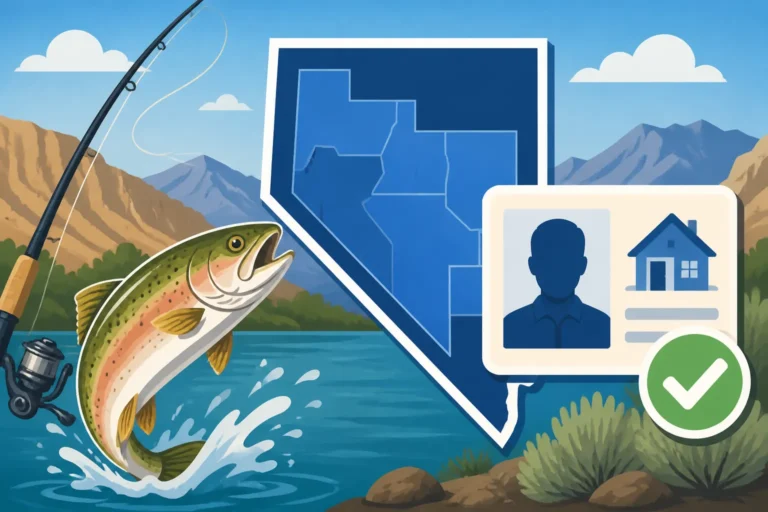
The Western Region of Nevada is generally defined by the counties that hug the Sierra Nevada mountain range and extend eastward into the high desert. This includes the densely populated areas around Reno and Carson City, as well as the more remote, expansive landscapes that offer incredible angling opportunities. Specifically, this region typically encompasses Washoe, Storey, Carson City, Douglas, Lyon, Mineral, and portions of Churchill, Esmeralda, and Pershing counties. Think of it as the area roughly west of a line drawn north from the Esmeralda/Nye county line, through Churchill County, and up to the northern border.
This means waters like Lake Tahoe, the Truckee River, Topaz Lake, and Rye Patch Reservoir all fall under the Western Region's umbrella. The sheer variety of waters, from high-alpine lakes and winding rivers to large desert reservoirs, necessitates a focused approach to management. Understanding these boundaries is the first step in ensuring you're compliant with the local regulations, as rules can differ significantly from, say, the Southern Region encompassing Lake Mead or the Eastern Region around Ely.
Why Regional Regulations Exist
The primary reason for regional regulations is quite simple: effective fish and wildlife management. Different regions have distinct ecological characteristics, species populations, and levels of fishing pressure. For example, the pristine, cold waters of Lake Tahoe in the Western Region support unique fish populations like Mackinaw trout and Kokanee salmon, which require different management strategies than the warm-water fisheries of Lake Mead in the south, known for striped bass and largemouth bass.
NDOW biologists meticulously study fish populations, habitat health, and angler usage within each region. They assess factors like spawning success, growth rates, and environmental conditions (such as drought or water levels) to determine appropriate bag limits, size restrictions, and season dates. This localized approach helps prevent overfishing in sensitive areas, protects vulnerable species, and ensures sustainable fishing opportunities for everyone. Without these tailored rules, a blanket statewide regulation might either be too restrictive for abundant populations or, more critically, fail to protect fragile ones, ultimately harming the very resources anglers cherish.
General Western Region Fishing License Requirements
Before you even think about casting a line in any of the Western Region's fantastic waters, your absolute first step must be to secure the appropriate fishing license. This isn't just a formality; it's a legal requirement and, honestly, a vital contribution to the conservation efforts that keep Nevada's fisheries healthy and thriving. For a complete overview, you might want to check out our detailed guide on the Nevada Fishing License Guide.
Who Needs a License and Where to Get One
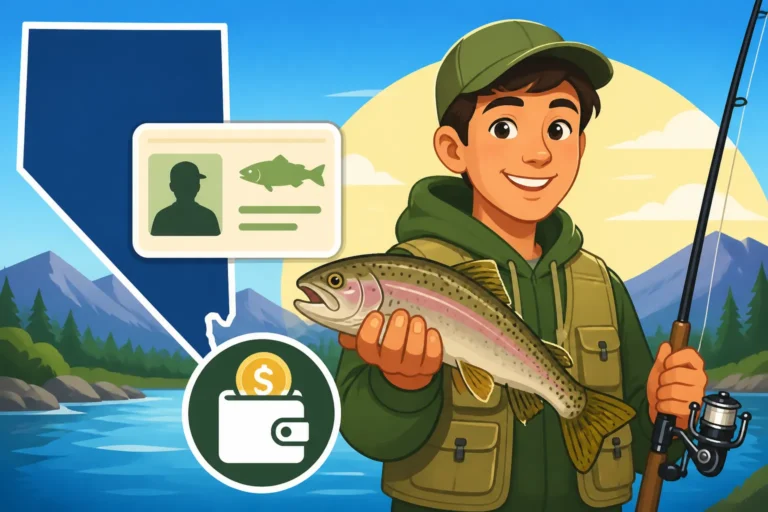
In Nevada, almost everyone aged 12 and older needs a fishing license to legally fish in public waters. This applies whether you're a seasoned local or just visiting. If you’re a Nevada resident, you’ll typically opt for an annual resident license, which is the most cost-effective option for regular anglers. Non-residents have choices ranging from a 1-day permit, perfect for a short trip, to an annual non-resident license for extended stays. Make sure you understand the nuances of Nevada Nonresident Fishing License Types to pick the right one. Children under 12 are generally exempt from needing a license, which is fantastic for introducing youngsters to the sport, but it's always wise to confirm current rules, especially regarding specific species limits or special waters. You can find more information on Nevada Youth Fishing License Rules.
Getting your license is straightforward. The easiest way for many is to purchase it directly online through the NDOW website, which allows you to print it at home or carry a digital copy on your phone. Alternatively, you can buy them in person at various sporting goods stores like Cabela's or Bass Pro Shops, or even at smaller local tackle shops throughout the region. These places are often treasure troves of local knowledge too! For more specifics on purchase locations, check out our guide on Where to Buy a Nevada Fishing License. It's always a good idea to buy your license before you head out, as cell service can be spotty in some of the more remote Western Region fishing spots.
Special Permits and Trout Stamps
Beyond your general fishing license, some specific fishing activities or locations in the Western Region might require additional permits or stamps. The most common of these is the Nevada Trout Stamp. If you plan on fishing for or keeping trout, whether it's rainbow, brown, or any other trout species, you'll generally need this stamp in addition to your regular license. It's a small fee that goes directly towards trout stocking and management programs, which helps maintain the excellent trout fisheries found across the Western Region. You can learn more about this essential requirement in our Nevada Trout Stamp Requirements article.
It’s crucial to note that while your state fishing license covers most public waters, some areas, particularly those on tribal lands, operate under their own independent permitting systems. Pyramid Lake, a world-renowned cutthroat trout fishery within the Western Region, is the prime example. Fishing Pyramid Lake requires a specific tribal permit purchased separately from your state license. Always verify the specific requirements for your chosen fishing destination to avoid any unwelcome surprises or fines. A quick check of the NDOW regulations booklet or website before you go can save a lot of hassle.
Key Species-Specific Regulations in the Western Region
Understanding the general license requirements is just the beginning. The heart of regional fishing regulations lies in the species-specific rules, which dictate how many fish you can keep, what size they need to be, and sometimes even how you can catch them. These regulations are designed to protect fish populations while still allowing for enjoyable angling.
Trout Limits and Size Restrictions
Trout are arguably the stars of the Western Region's fisheries, with rainbow, brown, and the native Lahontan cutthroat trout (in specific waters) being popular targets. Daily limits and possession limits are carefully set to ensure sustainable harvesting. For most waters in the Western Region, the statewide daily limit for trout is often five fish, with a possession limit of ten. However, these numbers can change depending on the specific lake or river. For instance, some high-mountain lakes might have reduced limits, or specific slot limits to protect trophy fish.
Size restrictions are also common, particularly for larger, slower-growing species or to protect juvenile fish. You might encounter rules like "no trout under 10 inches" or "only one trout over 20 inches." These measures allow younger fish to mature and reproduce before being harvested, contributing to healthier overall populations. Always consult the current NDOW Fishing Regulations book for the exact limits for the specific body of water you intend to fish, as a small oversight can lead to a significant fine. You can generally find the Nevada statewide trout daily limit there.
Bass Regulations: Largemouth, Smallmouth, and Stripers
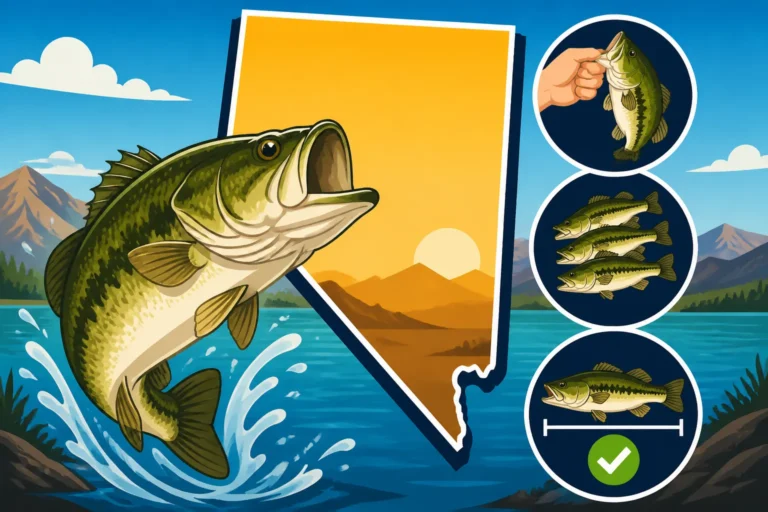
While trout often get the spotlight, bass fishing in the Western Region can be phenomenal, especially in reservoirs like Topaz Lake and Rye Patch. You'll primarily encounter largemouth and smallmouth bass, both offering exciting angling opportunities. In some larger impoundments, you might even find striped bass, though they are more synonymous with Southern Nevada's Lake Mead. The regulations for bass typically include a daily limit and a size minimum. For example, a common rule might be a daily limit of five bass (any combination of largemouth and smallmouth), with a minimum size of 13 inches. This ensures that younger bass have a chance to grow and contribute to the population before being harvested.
It’s important to be able to identify the different bass species, as regulations can sometimes vary between largemouth and smallmouth, although they are often grouped together in general limits. Striped bass often have different, usually more generous, limits due to their prolific nature and tendency to overpopulate if not managed effectively. Always double-check the current regulations before heading out, especially concerning specific bodies of water, as these rules are dynamic. For general bass regulations across the state, consider reviewing the Nevada Bass Daily Limit and Size Rules.
Other Common Species
Beyond trout and bass, the Western Region's waters host a variety of other fish species, each with its own set of rules, though often less stringent than for primary game fish. You might find channel catfish, particularly in the warmer, shallower sections of reservoirs, or various panfish like bluegill and crappie in urban ponds and smaller lakes. These species are often managed with more generous daily limits, or sometimes no limit at all, especially for highly prolific panfish that can sometimes overpopulate a fishery.
For example, catfish might have a daily limit of 10, while bluegill or crappie could have a daily limit of 25. While these species may not always be the primary target for anglers, they provide excellent opportunities, particularly for families and beginners. Always remember to check the NDOW regulations for specific waters, as even these general rules can have exceptions. Keeping an eye on these lesser-known species can sometimes lead to an unexpectedly fun day of fishing, and knowing the rules ensures your outing is both rewarding and responsible.
Gear, Bait, and Method Restrictions
It's not just about what you catch and how many; it's also about how you catch them. The Western Region, with its diverse fisheries and sensitive ecosystems, has specific rules regarding the types of gear, bait, and methods you can use. These regulations are crucial for managing fishing pressure, protecting habitat, and promoting ethical angling practices.
Allowed Baits and Lures
Understanding what you can and cannot use for bait is fundamental. In most general-use waters in the Western Region, common baits like worms, PowerBait, and various artificial lures (spinners, spoons, crankbaits, plastic worms) are perfectly acceptable. However, there are significant exceptions, especially in more sensitive fisheries or designated catch-and-release zones. For instance, some sections of the Truckee River might be designated "artificial lures only" or even "fly fishing only," where bait of any kind is strictly prohibited. This is often done to minimize harm to fish, particularly when targeting wild trout populations that are more susceptible to deep hooking with natural baits.
Live bait fish, such as minnows, also fall under strict regulations. In Nevada, it is generally illegal to use live bait fish unless they are legally acquired from approved sources and are of a species native to the body of water you are fishing, or specifically authorized. This rule is in place to prevent the introduction of invasive species, which can wreak havoc on native fish populations and aquatic ecosystems. Always verify the bait regulations for your specific fishing location. When stocking up on your favorite lures or soft plastics, a quick visit to Amazon can often get you what you need for your Western Nevada adventures, but be sure they comply with local rules!
Barbless Hook Requirements and Special Rules
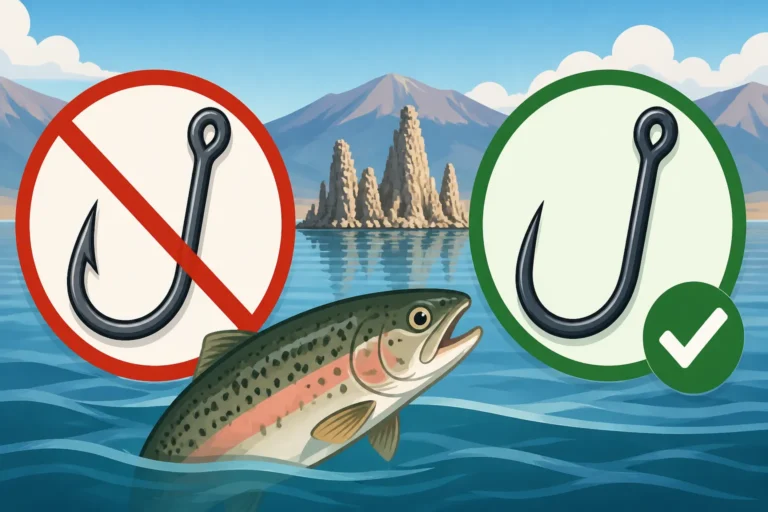
One of the most important gear restrictions you'll encounter, particularly in the Western Region's renowned trout fisheries, is the requirement for barbless hooks. This rule is most prevalent in designated catch-and-release areas, but it's becoming more common in other waters as well. The reason is simple: barbless hooks significantly reduce the harm to a fish, making it much easier to remove the hook and release the fish quickly and safely. This is critical for species like the Lahontan cutthroat trout and wild rainbow and brown trout, where conservation and genetic integrity are paramount.
If you're fishing a water body that mandates barbless hooks, ensure that all hooks on your lures, flies, and bait rigs have the barbs either pinched down flat with pliers or are manufactured without a barb. Failing to comply can result in fines and is detrimental to the fish you're trying to protect. Beyond barbless hooks, specific methods might be prohibited. For example, snagging (intentionally hooking a fish anywhere other than its mouth) is illegal statewide. Similarly, practices like "chumming" (broadcasting bait into the water to attract fish) can be restricted in certain areas to prevent unnatural feeding patterns or water contamination. Detailed information on Nevada Barbless Hook and Bait Rules can provide more clarity.
Specific Method Restrictions
Beyond bait and hook types, certain fishing methods are either restricted or outright prohibited in Nevada's Western Region to ensure fair chase, prevent overharvest, and maintain ecological balance. For instance, using trotlines, which are long lines with multiple baited hooks, is generally illegal in most public waters. These methods are often considered indiscriminate and can lead to unintended bycatch or damage to non-target species. Similarly, electrofishing is a scientific sampling method used by biologists and is strictly prohibited for public anglers.
Night fishing, while allowed in many Nevada waters, might have specific restrictions in certain areas, particularly around boat ramps or recreational zones, or for certain species. Spearfishing or bowfishing also have very specific regulations, often limited to non-game fish species like carp and in designated areas only. The general principle is to ensure that angling remains a sport where fish have a fair chance, and that practices don't harm the aquatic environment or other users of the waterways. Always double-check the current NDOW regulations for any specific method prohibitions that apply to your chosen fishing spot.
Notable Western Region Waters and Their Unique Rules
The Western Region is home to some of Nevada's most iconic and productive fishing destinations. However, the popularity and unique characteristics of these waters often mean they come with their own distinct sets of regulations, designed to preserve their special status.
Lake Tahoe: Bi-State Rules and Species
Lake Tahoe, straddling the California-Nevada border, is a breathtakingly beautiful and ecologically sensitive fishery, making its regulations particularly complex. On the Nevada side, a valid Nevada fishing license is required. However, it's crucial to understand that a Nevada license does not permit you to fish on the California side, and vice-versa. If you plan to fish the entire lake, you'll need both state's licenses. This bi-state situation can be tricky, especially if you're boating across the invisible state line. Always know your position! For a deeper dive into the specifics, our article on Lake Tahoe Nevada Fishing License Rules is a must-read.
Lake Tahoe is primarily known for its deep-water Mackinaw (lake trout) and vibrant Kokanee salmon. Mackinaw have specific slot limits – often requiring release of fish within a certain size range (e.g., 17-22 inches) to protect the breeding population, while allowing harvest of smaller and larger trophy fish. The daily limit for Mackinaw is typically lower than for other trout species, often just two fish. Kokanee salmon, prized for their delicious meat, also have specific seasons and limits, which can fluctuate based on population health. Always check the current regulations for the latest on Daily limit for Mackinaw trout at Lake Tahoe and other species. Trolling with downriggers is a popular method here, often requiring specialized gear that you can sometimes find good deals on through Amazon.
Truckee River: Special Catch-and-Release Zones
The Truckee River, flowing from Lake Tahoe through Reno and Sparks before emptying into Pyramid Lake, is a gem for river anglers in the Western Region, particularly known for its wild rainbow and brown trout. Due to its ecological significance and high fishing pressure, certain sections of the Truckee River are managed with very strict regulations to protect its delicate ecosystem and encourage catch-and-release fishing.
Many popular stretches within the urban and rural areas are designated "artificial lures only" or "fly fishing only," and often come with mandatory barbless hook requirements. In these catch-and-release zones, all fish caught must be immediately and carefully released. This helps maintain a healthy population of larger, wild trout and provides a unique challenge for anglers. It's imperative to know which section of the river you're on and adhere to its specific rules, as they can change from one bridge to the next. Fines for violations in these sensitive areas can be substantial. These rules are key to preserving this blue-ribbon fishery for future generations.
Topaz Lake and Other Reservoirs
The Western Region also boasts several impressive reservoirs that offer diverse fishing experiences, with Topaz Lake and Rye Patch Reservoir being prime examples. Topaz Lake, straddling the Nevada-California border south of Carson City, is a popular spot for trout and bass. Its regulations are generally more straightforward than Lake Tahoe or the Truckee River, typically following statewide daily and possession limits for trout and bass. However, it's a popular stocking location for NDOW, so limits and stocking schedules are important to monitor. You can dive deeper into its fishing specifics with our Topaz Lake Fishing guide.
Rye Patch Reservoir, further east in Pershing County, is another significant Western Region fishery, known for its crappie, white bass, wipers, and catfish, in addition to some trout. Its regulations reflect this diverse species mix, often allowing for more liberal limits on abundant panfish and non-trout species. These reservoirs are often subject to varying water levels due to irrigation demands, which can influence fish behavior and therefore require anglers to adapt their techniques. Our guide on Rye Patch Reservoir Fishing offers more insights into this unique spot. Always be aware that water levels can affect access and boat launch availability.
Enforcement, Violations, and Responsible Angling
Understanding regulations is not just about avoiding trouble; it's about being a responsible steward of Nevada's natural resources. Game wardens are out there to ensure compliance, and adhering to the rules helps preserve the fishing opportunities we all enjoy.
Common Violations to Avoid
Nobody wants to have their fishing trip cut short by a citation. The most common violations in the Western Region, and indeed across Nevada, often stem from a lack of awareness or simple oversight. The absolute number one violation is fishing without a valid license or necessary permits (like a trout stamp or tribal permit). This is easily avoidable with a bit of planning. Another frequent issue is exceeding daily or possession limits for specific species. It's easy to lose count, especially when the fish are biting, but ignorance is no excuse. Always keep your catch counted and separated if needed.
Using illegal bait or methods, such as live bait in artificial-lures-only areas or snagging, also leads to penalties. Fishing during a closed season or in a closed area, even unknowingly, is another common infraction. For example, some spawning areas might be temporarily closed to protect fish during critical periods. Finally, failing to release fish properly in catch-and-release zones or keeping undersized fish where minimum length limits apply are also serious violations. The penalties for these offenses can range from significant fines to the loss of fishing privileges, so it's always worth taking the time to review the current regulations. Our guide on Nevada Fishing Violation Penalties provides more details on what you could face.
The Importance of Conservation and Ethics
Beyond simply obeying the law, responsible angling in the Western Region, and anywhere else, is about embracing a conservation ethic. Every angler plays a vital role in protecting Nevada's precious aquatic ecosystems. This means practicing catch and release properly, especially for sensitive species or in designated areas, ensuring fish are handled gently and returned to the water quickly. It also means being mindful of the environment: packing out all your trash, including discarded fishing line (many tackle shops and even outdoor sections of stores on Amazon sell dedicated line disposal containers), and avoiding disturbing wildlife or polluting the water.
Sustainable fishing practices ensure that future generations can enjoy the same opportunities we do today. By understanding the "why" behind the regulations – whether it's protecting spawning fish, preventing the spread of invasive species, or managing population levels – anglers become active participants in conservation. It's about respecting the resource, the regulations, and fellow anglers. A thriving fishery isn't just about good management; it's about a community of responsible anglers who care deeply about the health of Nevada's waters.
Western Region Fishing Regulations Summary
| Water Body (Example) | Primary Species | General Trout Limit (Daily) | General Bass Limit (Daily) | Key Special Rule |
|---|---|---|---|---|
| Lake Tahoe (NV Side) | Mackinaw, Kokanee | 5 total, 2 Mackinaw | N/A | Bi-State, Mackinaw Slot Limit, Check Kokanee Season |
| Truckee River (Reno area) | Rainbow, Brown | Catch & Release (specific sections) | N/A | Barbless Hooks, Artificial Lures Only (specific sections) |
| Topaz Lake | Rainbow, Brown, Largemouth Bass | 5 total | 5 total | General State Regulations, Popular Stocking Location |
| Rye Patch Reservoir | Crappie, White Bass, Wipers, Catfish, Trout | 5 total (for trout) | 5 total (for bass) | More Liberal Panfish Limits, Check Specific Species Rules |
Disclaimer
Please note that fishing regulations are subject to change. While this guide provides a comprehensive overview, it is essential to consult the most current Nevada Department of Wildlife (NDOW) fishing regulations booklet or website before embarking on any fishing trip. This information is for general guidance and should not be considered a substitute for official NDOW regulations.