Best time of day to catch bass in summer heat
Oh, the brutal summer heat in Nevada! If you've ever found yourself staring at a still, shimmering lake under a relentless sun, wondering why the bass have suddenly vanished, you're not alone. It's a common frustration that can make you question your angling skills, but trust me, it's not you – it's the conditions. When those mercury levels soar, bass dramatically change their behavior, making your usual tactics totally useless. This guide is all about cracking that code, revealing the best times of day to tempt those elusive bass, even when the desert is doing its best to bake everything.
Understanding Summer Bass Behavior in Nevada's Heat
Summer in Nevada means extreme temperatures, and these conditions profoundly impact how bass live, move, and feed. It's not just about them seeking cooler water; it's a whole shift in their survival strategy. To consistently catch them, you first need to understand their summer mindset.
Why Summer Heat Changes Everything for Bass
Imagine trying to run a marathon in a sauna – that's a bit like what bass experience in warming water. Their metabolism, oxygen needs, and overall comfort levels are drastically altered. As water temperatures climb above the mid-70s Fahrenheit, the dissolved oxygen content in the water decreases, and bass become lethargic. They're not actively chasing prey across open flats like they might in spring. Instead, they conserve energy, seeking out the most comfortable pockets of water they can find.
This often means deeper water, where thermoclines can offer a distinct boundary between warmer surface water and cooler, more oxygen-rich depths. Even small changes in depth can provide significant relief. They're also drawn to dense cover – think thick submerged vegetation, brush piles, rock formations, or even the shadows cast by docks and overhangs. These spots offer both thermal refuge and ambush points, allowing them to expend minimal energy for maximum reward. Ignoring these crucial environmental factors is often why anglers struggle during the hottest months; you're simply fishing where the bass aren't.
The Metabolism and Feeding Habits Shift
During the intense heat of a Nevada summer, a bass's metabolism slows down considerably. They're not constantly hungry or aggressively feeding. Instead, their feeding becomes highly opportunistic and concentrated into shorter, more efficient windows. They're looking for an easy meal that doesn't require a lot of energy expenditure. This shift directly influences when and where they'll bite.
Instead of prowling, they'll often position themselves in prime ambush locations, waiting for unsuspecting baitfish or crawfish to swim by. This means your presentations need to be slower, more deliberate, and often right in their face. Think about it: would you rather chase a buffet during a heatwave, or have a cool drink and a snack delivered right to your shaded recliner? Bass are no different. Understanding this metabolic slowdown is key to selecting the right baits and techniques, moving away from fast-paced power fishing towards more methodical, finesse approaches during peak heat.
Deep Water vs. Shallow Water: Where Bass Hide
During the scorching daytime hours, bass generally retreat to deeper, cooler water. This is where the magic of the thermocline comes into play. A thermocline is a layer within a body of water where the temperature changes more rapidly with depth than it does in the layers above or below. It essentially creates a comfortable "ceiling" for bass, providing a cool, oxygenated zone where they can escape the heat.
Anglers often find bass congregating around deep points, humps, ledges, and submerged creek channels. Any structure that offers vertical relief and proximity to deep water can be a bass magnet. However, don't completely discount shallow water! While bass won't generally be cruising open shallows in broad daylight, dense, overhead cover in shallow areas can still hold fish. Think heavy lily pads, thick cattails, deep boat docks, or fallen trees that provide significant shade. These shallow bass are often more challenging to extract, but they can be surprisingly active if you get a bait right into their shaded sanctuary. This dynamic interplay between deep and heavily shaded shallow water is critical to pattern throughout the day. For more insights on this, check out our guide on how to read a reservoir for bass structure.
Prime Time Windows for Summer Bass Fishing in Nevada
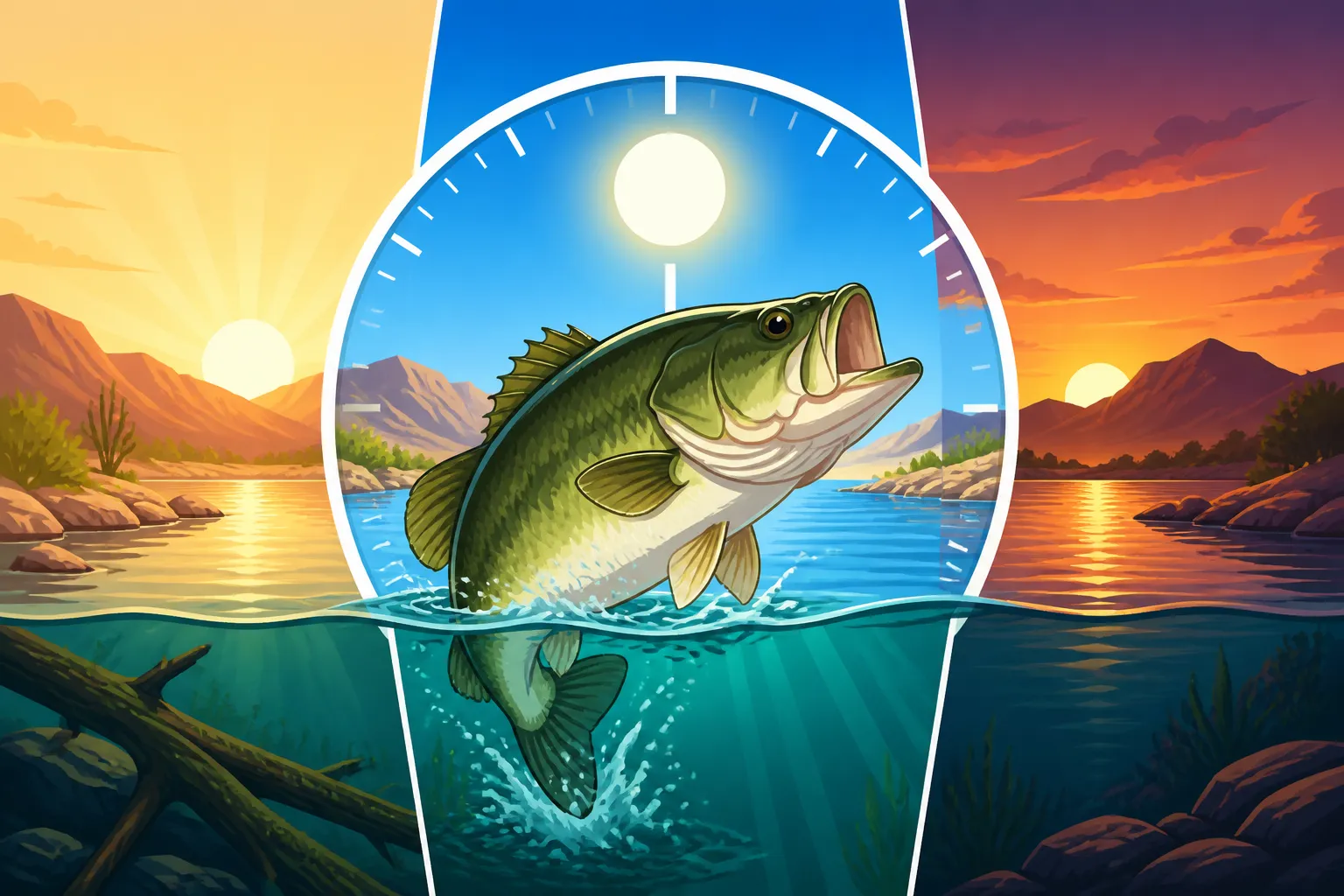
When the sun is blazing, your fishing success hinges almost entirely on timing. There are specific windows during a summer day in Nevada when bass are most likely to be active and willing to bite. Miss these windows, and you're often just casting into empty water.
Early Morning: The Golden Hour
This is arguably the most productive time for summer bass fishing in Nevada. As the sun barely peeks above the horizon, the air is at its coolest, and the water temperature, while still warm, is at its lowest point of the 24-hour cycle. This brief period of relative coolness signals to bass that it's safe to move out of their deepest hideouts and begin foraging.
You'll often find bass moving into shallower areas, closer to the shore, or around the edges of weed lines and structure. This is when they are most aggressive, actively chasing baitfish. The low light conditions also provide an advantage, making them feel more secure and less visible to predators. It’s not uncommon to witness surface activity – bass busting on baitfish – during this time, creating thrilling topwater opportunities. The "golden hour" might only last for 60 to 90 minutes, but it can make or break your entire day. Getting to your spot before first light is absolutely crucial.
Late Evening and Dusk: The Second Chance
Just as the sun begins its descent, casting long shadows across the water, bass get a second wind. As the light fades, the water temperature slowly begins to drop, signaling another opportunity for bass to feed more comfortably. While often not as explosive as the early morning bite, the late evening can still be incredibly productive.
Bass will again move out of their deep-water sanctuaries and patrol the edges of cover and structure. You might not see as much surface activity as in the morning, but bass are still actively hunting. This transition period, from golden hour before sunset to true dusk, offers excellent opportunities for various techniques. As the light gets lower, the bass's advantage over their prey increases, making them more willing to venture into slightly shallower water. The calmer winds that often accompany evening can also make presentations easier and more effective.
Night Fishing: Unlocking a Hidden World
For many anglers, night fishing for bass in the summer remains an unexplored frontier, but it can be absolutely phenomenal in Nevada's heat. When the sun dips below the horizon, and the desert sky lights up with stars, the water temperature drops significantly, and the lake transforms into a completely different environment. Bass that were lethargic and hidden all day often become incredibly active under the cloak of darkness.
Night fishing provides two major advantages: cooler water temperatures and complete low-light conditions. Bass lose their skittishness and will often move into very shallow water, cruising flats and shorelines that they wouldn't dare touch during the day. Their lateral lines, which detect vibrations in the water, become their primary hunting tool. This means baits that create a lot of noise or displacement, like large bladed jigs, dark-colored spinnerbaits, or even big topwater lures with a distinct "plop," can be incredibly effective. Make sure you have the right gear, like a good headlamp, and always prioritize safety on the water after dark. Knowing how to fish at night in Nevada can truly be a game-changer for summer bass.
Essential Techniques and Tackle for Summer Heat Bass
Once you've nailed down when to fish, the next step is understanding how. Summer bass demand specific techniques and tackle to entice them, whether they're hunkered down deep or making a brief appearance in low light.
Targeting Deep Water Structure
During the hottest parts of the day, when bass are seeking thermal refuge, they're typically holding tight to deep water structure. This means your baits need to get down to them efficiently and present a tempting, easy meal.
- Jigs: Heavy football jigs or flipping jigs, often paired with a creature bait or craw trailer, are excellent choices. Dragging or hopping a jig along deep ledges, rocky points, and submerged brush piles mimics a crawfish, a favorite bass meal. The slow, methodical presentation is perfect for less aggressive fish.
- Drop Shots: This finesse technique is deadly for bass suspended over deep water or holding tightly to vertical structure. A small worm or creature bait rigged on a drop shot allows for subtle movements right in the bass's strike zone without needing to retrieve the bait. This is particularly effective when you've located bass with your fish finder.
- Deep Crankbaits: For covering water and finding active bass in deeper zones, deep-diving crankbaits are indispensable. Look for models that can dive to depths of 15-25 feet or more. Cranking them down and banging them off hard bottom, rocks, or timber can trigger powerful reaction strikes.
- Carolina Rigs: Similar to a Texas rig but with the weight positioned higher up the line, a Carolina rig allows your soft plastic bait to float enticingly above the bottom. This rig is fantastic for dragging across large flats, humps, and points, offering a natural presentation that bass find hard to resist. When looking for these specific deep-diving lures and rigs, you can often find a great selection on Amazon.
Exploiting Low Light and Surface Activity
When bass venture shallower during the early morning, late evening, or at night, they're often more aggressive and willing to strike baits higher in the water column or on the surface.
- Topwater Lures: Nothing beats the thrill of a bass blowing up on a topwater bait. Poppers, walk-the-dog style baits like a Heddon Zara Spook, and buzzing frogs are highly effective during low light. The disturbance they create on the surface is a huge draw for bass looking for an easy meal silhouetted against the sky.
- Buzzbaits: These lures create a loud, gurgling commotion on the surface as you retrieve them. They're excellent for covering water quickly in low light and drawing strikes from aggressive bass. The noise and vibration are irresistible, especially when bass are actively foraging near the surface.
- Shallow Crankbaits/Squarebills: When bass are feeding near the surface but not quite committing to topwater, shallow-diving crankbaits or squarebills can be deadly. These baits dive only a few feet and are great for bumping off submerged timber, rocks, or the edges of weed lines in shallow water. They create a deflecting action that often triggers an impulse bite. For more ideas on what lures to choose, check out our detailed guide on Best Lures for Nevada Bass.
Gear Considerations for the Nevada Heat
The right gear isn't just about what bait you throw; it's about comfort and efficiency under the sun.
- Line Choices: Consider using heavier fluorocarbon or braided line for deep-water techniques. Fluorocarbon's low stretch and sensitivity are excellent for feeling subtle bites in deep water, while braid offers incredible strength and castability, especially around heavy cover. If you're using braid, a fluorocarbon leader is often a good idea. To learn more about your options, read up on the Best Line for Desert Reservoir Fishing.
- Rods and Reels: For deep-water techniques like jigs and Carolina rigs, a medium-heavy to heavy power baitcasting rod with a fast action is ideal for sensitivity and hook-setting power. For topwater and shallow cranking, a medium power baitcasting rod with a moderate action can help with casting accuracy and preventing hooks from pulling out.
- Sun Protection and Hydration: This is paramount in Nevada. Wide-brimmed hats, UV-protective clothing (long sleeves are a must), good polarized sunglasses, and plenty of high-SPF sunscreen are essential. Bring more water than you think you'll need, and consider electrolyte drinks to combat dehydration. Staying hydrated isn't just about comfort; it's about safety. You can find excellent sun protection gear, from performance shirts to wide-brimmed hats, on Amazon.
Specific Nevada Lakes and Their Summer Bass Patterns
While the general principles of summer bass fishing apply across Nevada, each body of water has its own unique characteristics that can influence specific patterns.
Lake Mead and Lake Mohave: Stripers and Largemouth
These colossal desert reservoirs, part of the Colorado River system, are famous for their largemouth, smallmouth, and striped bass populations. In summer, the heat here is intense, and the fishing can be challenging but incredibly rewarding if you know where to look.
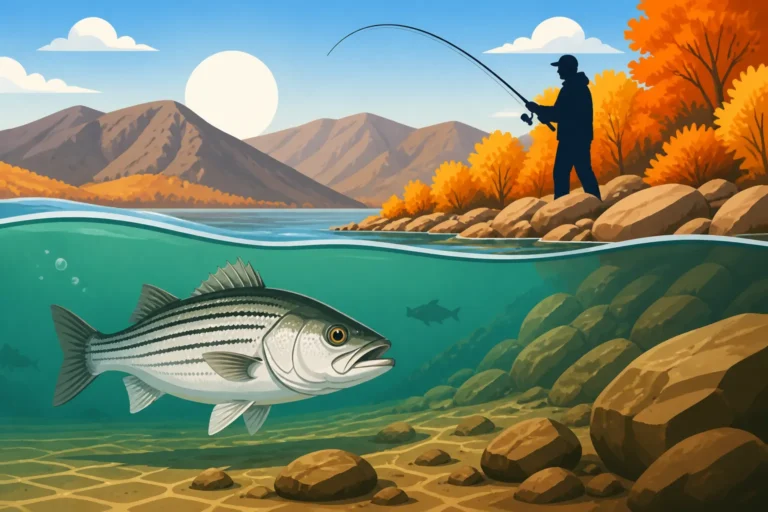
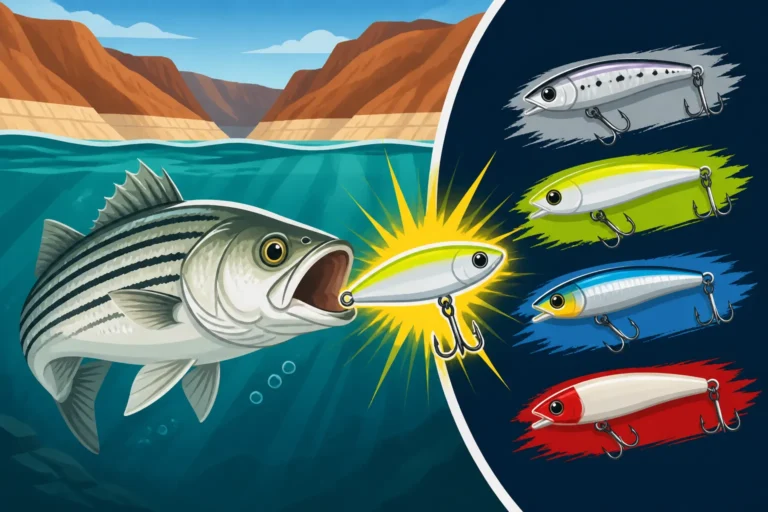
- Lake Mead: During the summer, both largemouth and smallmouth bass in Lake Mead will hold in deeper water. Look for them on main lake points, ledges, humps, and submerged islands, especially those with access to deep channels or canyons. Depths of 20-50 feet are not uncommon. Striped bass will often follow schools of shad into open water or suspend over deep channels. Trolling with deep-diving crankbaits or jigging spoons in the early morning and late evening can be very effective for stripers. For black bass, drop shotting, deep cranking, and dragging heavy jigs are top techniques. The mouths of large coves and natural washes that drop off quickly are prime targets. For an even deeper dive, check out our comprehensive guide on Lake Mead Nevada Fishing Guide.
- Lake Mohave: Similar to Lake Mead, Lake Mohave's bass seek depth and cooler water in summer. The clearer waters of Mohave often mean bass will hold even deeper or tighter to structure. Smallmouth bass are particularly fond of rocky ledges and drop-offs. Early morning topwater action can be great for both smallmouth and largemouth in protected coves before the sun gets high. As the day progresses, focus on fishing steep canyon walls, submerged timber, and deep points with jigs, drop shots, and spoons. Striped bass here also follow shad and can be found deep. Willow Beach is a known hotspot for rainbow trout, but keep an eye out for opportunistic stripers feeding on them too. For more specific tactics, take a look at our Lake Mohave Nevada Fishing Guide.
Smaller Reservoirs and Urban Ponds
Nevada isn't just about the big lakes; there are numerous smaller reservoirs and urban ponds, especially around areas like Las Vegas, that offer bass fishing opportunities. The patterns here can be a bit different due to their size and shallower nature.
- Warmer Water, Less Deep Refuge: Smaller bodies of water generally don't have the same deep-water thermal refuge as the large reservoirs. This means bass might not go as deep, but they will cling even more tightly to any available shade or dense cover. Overhanging trees, docks, bridges, and thick weed beds become critical hotspots.
- Aggressive Early/Late Bites: The early morning and late evening windows are even more pronounced in these smaller, shallower waters. Bass will be more willing to move and feed aggressively during these cooler periods. Topwater lures, spinnerbaits, and shallow crankbaits are highly effective in low light.
- Finesse in the Shade: During the bright midday hours, targeting bass requires precision. Pitching small jigs, Texas-rigged worms, or weighted soft plastics directly into the darkest, densest cover is often the only way to get a bite. Look for specific structures like the corners of docks, submerged brush, or deep holes within weed beds. Urban ponds, in particular, can be tricky, so make sure you're up-to-date on their specific regulations, which you can find in our Nevada Urban Pond Fishing Rules guide.
Remember, regardless of the size of the water body, the underlying principle remains: bass are seeking comfort from the heat and opportunities for low-energy feeding. Adapt your timing and techniques accordingly, and you'll find success even in the hottest Nevada summer.
| Time Slot | General Bass Behavior | Recommended Techniques | Target Depths/Areas |
|---|---|---|---|
| Pre-Dawn to 9 AM | Most active, move shallower, aggressively feeding | Topwater (poppers, buzzbaits), shallow crankbaits, spinnerbaits | Shorelines, weed edges, shallow points, main lake coves |
| 9 AM to 5 PM | Least active, seek deep, cool, shaded cover | Drop shots, heavy jigs, deep crankbaits, Carolina rigs | Deep ledges, humps, submerged structure, dense overhead cover |
| 5 PM to Dusk | Begin moving shallower, opportunistic feeding | Shallow crankbaits, spinnerbaits, swimbaits, slower topwater | Cove mouths, secondary points, weed line edges |
| Dusk to Night | Very active, move very shallow, rely on vibration/noise | Dark-colored topwater (prop baits), large spinnerbaits, chatterbaits | Shallow flats, shorelines, docks, main lake points |
Disclaimer
Fishing conditions and regulations in Nevada can change, so always check the latest Nevada Department of Wildlife (NDOW) regulations before heading out. Be aware of local conditions, especially regarding water levels and any specific advisories for the body of water you plan to fish. Stay safe, especially when boating or fishing in extreme heat.