Is Lamoille Canyon good for trout fishing?
Oh, Lamoille Canyon! If you're pondering whether this stunning pocket of the Ruby Mountains in Nevada is worth your time for trout fishing, you're asking one of the best questions a high-country angler can pose. Many folks, especially those new to Nevada's diverse landscapes, often only think of our desert lakes, but the Ruby Mountains offer a starkly different, incredibly rewarding experience. This guide will walk you through everything you need to know about Lamoille Canyon, confirming its status as a trout angler's dream and helping you plan your unforgettable adventure.
Lamoille Canyon: A Trout Angler's Paradise in the Ruby Mountains
Let me tell you straight: Lamoille Canyon is, without a doubt, a fantastic place for trout fishing. It’s not just 'good'; it’s truly exceptional, offering a distinct and often wilder fishing experience than many other spots in the state. Tucked away in the mighty Ruby Mountains, often called the "Nevada Alps" for good reason, this canyon is a breathtaking landscape of towering granite peaks, lush alpine meadows, and crystal-clear waters. For anglers seeking solitude, stunning scenery, and the thrill of pursuing wild trout in a pristine environment, Lamoille Canyon is an absolute must-visit.
The rugged beauty here is a draw in itself, but for us anglers, it's the cold, oxygen-rich waters that truly capture the imagination. The Lamoille Creek carves its way down the canyon, fed by snowmelt and a series of high-alpine lakes. This consistent flow of cold, clean water provides an ideal habitat for several species of trout, allowing them to thrive and present a challenging yet incredibly rewarding target for those willing to venture into the high country.
The Allure of Lamoille Canyon's Waters
The fishing opportunities within Lamoille Canyon are diverse, catering to different styles and preferences. You have the main artery, Lamoille Creek, which tumbles down the canyon floor, offering classic stream-fishing scenarios. This creek is a picture of an ideal trout stream: clear, cold, and dotted with riffles, runs, and deep pools that hold fish. Wading its banks, you'll feel completely immersed in nature, surrounded by the granite walls that rise majestically on either side.
But the real gems, arguably, are the high mountain lakes nestled in the cirques above the canyon floor. Lakes like Lamoille Lake and the Dollar Lakes are accessible via scenic, but sometimes strenuous, hiking trails. These alpine jewels are breathtakingly clear, reflecting the surrounding peaks like glass. The fish in these lakes are often less pressured, making for some incredible sight-fishing opportunities on calm days. The combination of stream fishing and stillwater lake fishing within a relatively compact area makes Lamoille Canyon exceptionally versatile and a true highlight of fishing in Nevada.
Target Trout Species in Lamoille Canyon
When you wet a line in Lamoille Canyon, you're primarily targeting three main species of trout, each offering its own unique challenge and charm:
- Lahontan Cutthroat Trout: While Pyramid Lake is famous for its trophy Lahontan Cutthroat Trout, smaller, wild populations also exist in high mountain streams and lakes in their native range, including some in the Ruby Mountains. These fish are fighters, known for their distinct red "cutthroat" markings under their jaw. Catching a wild cutthroat in its natural, alpine habitat is a truly special experience, connecting you to the natural heritage of the region. You might be interested in our dedicated guide on Lahontan Cutthroat Trout in Nevada to learn more about these incredible fish.
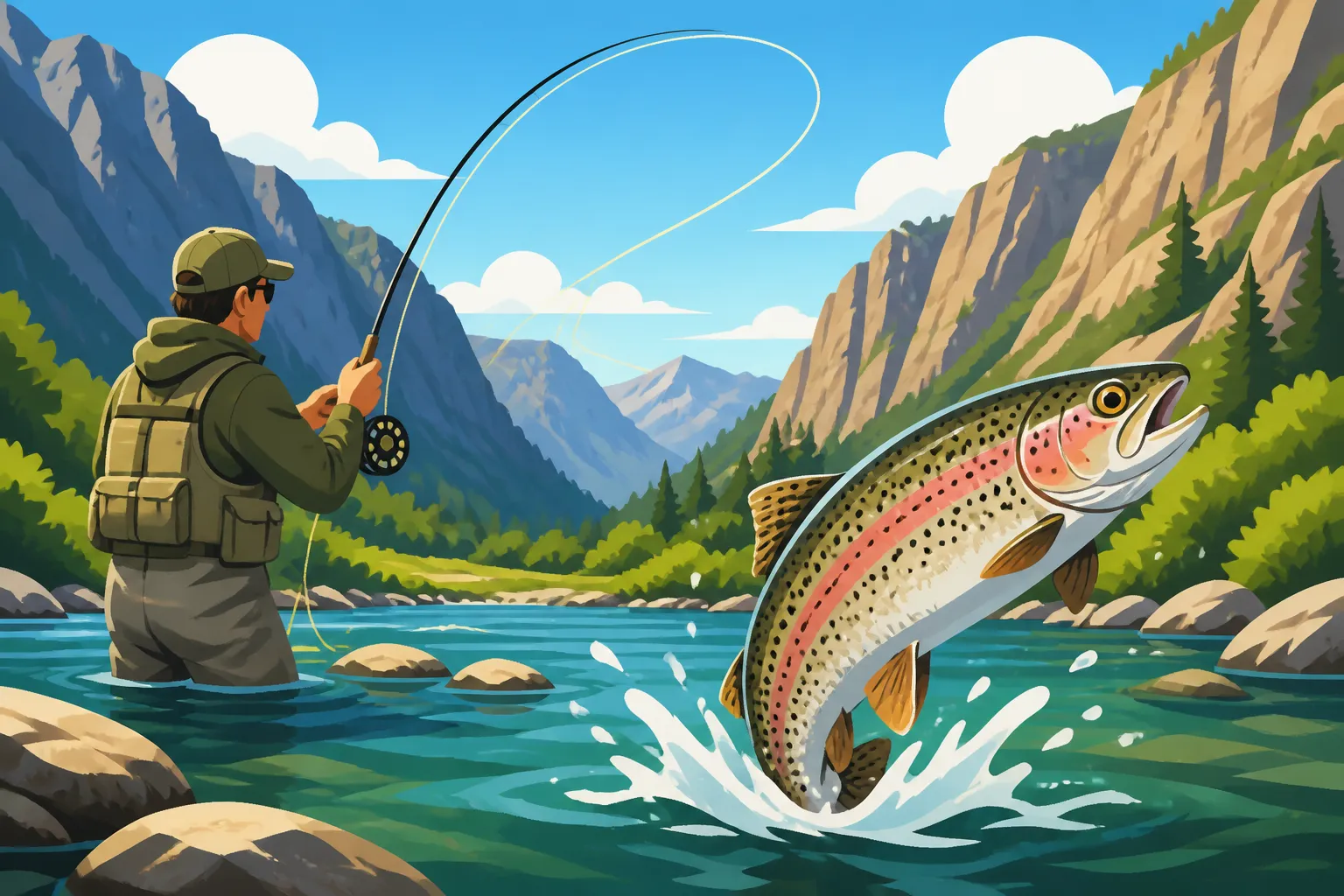
- Rainbow Trout: These vibrant, hard-fighting fish are often found throughout the creek and in some of the lakes. They're known for their acrobatic jumps and strong runs once hooked. While some populations might be supplemented by stocking, many rainbow trout in Lamoille Canyon are wild-spawned, displaying beautiful, intense coloration. For more details on where to find these beauties, check out our guide on Rainbow Trout Fishing in Nevada.
- Brook Trout: The diminutive but colorful brook trout, an East Coast native, has found a comfortable home in many high-elevation Western waters, including Lamoille Canyon. These smaller fish are often found in the colder, smaller tributaries and upper reaches of the creek, and they are incredibly beautiful with their striking vermiculation patterns and vibrant red fins. They might not be trophy-sized, but their sheer beauty and willingness to bite make them a joy to catch.
The size of trout in Lamoille Canyon tends to be on the smaller side compared to larger reservoirs like Lake Tahoe, typically ranging from 8 to 14 inches, with occasional larger specimens. However, what they lack in size, they more than make up for in fight, beauty, and the pristine environment in which they reside.
Essential Tactics for Lamoille Canyon Trout Fishing
Fishing in Lamoille Canyon is largely synonymous with fly fishing. The clear, cold waters and the wild nature of the trout here make it an ideal setting for presenting flies with finesse. However, don't despair if fly fishing isn't your primary method; spin fishing can also be effective with the right approach. The key to success here, regardless of your chosen technique, is often stealth, careful presentation, and an understanding of trout behavior in high-alpine environments.
Fly Fishing Lamoille Creek
For the fly angler, Lamoille Creek is a playground. The tumbling freestone stream demands a certain level of skill, but the rewards are immense.
- Gear: A light fly rod, typically a 7.5 to 9-foot 3 or 4-weight, is perfect for the creek's size and the trout you'll encounter. Pair this with a floating line, a 7.5 to 9-foot leader tapering to 5X or 6X tippet. If you're looking for recommendations, our guide on Best Fly Rod for High Mountain Streams offers some excellent advice.
- Fly Patterns:
- Nymphs: By far the most consistent producers, especially earlier in the season or during non-hatch periods. Patterns like a Copper John, Prince Nymph, Pheasant Tail Nymph, or Hare's Ear Nymph in sizes 14-18 are excellent choices. A high-stick nymphing or Euro nymphing technique can be incredibly effective in the pocket water and runs.
- Dry Flies: When hatches occur, the dry fly fishing can be spectacular. Look for caddis, mayflies (especially Pale Morning Duns or Green Drakes depending on the season), and stoneflies. General attractor patterns like a Parachute Adams, Royal Wulff, or a stimulator in sizes 12-18 are good to have. Don't be afraid to try ant or beetle patterns during late summer.
- Streamers: Small woolly buggers (black, olive) or sculpzilla patterns in sizes 10-12 can tempt aggressive fish in deeper pools or undercut banks, especially during cloudy weather or higher flows.
- Technique: Focus on reading the water. Trout will hold in seams, behind rocks, under undercut banks, and in deeper pools. Make accurate casts, aiming for a natural, drag-free drift. Stealth is crucial; approach spots slowly, keep a low profile, and avoid spooking fish. Wading can be tricky due to slippery rocks and swift currents, so good wading boots with felt soles or studs are highly recommended.
High Mountain Lake Strategies
Fishing the alpine lakes like Lamoille Lake or the Dollar Lakes offers a different, equally rewarding experience. Access usually involves a hike, so pack light!
- Gear: The same 3 or 4-weight fly rod will work, but if you plan on casting longer distances from shore or using heavier streamers, a 5-weight might give you a bit more versatility.
- Fly Patterns:
- Nymphs & Midges: Under an indicator, small chronomid patterns, bloodworms, or standard nymphs can be deadly. Often, fish cruise deeper drop-offs or hang near submerged structure.
- Streamers: Stripping small streamers like olive or black Woolly Buggers, or various leech patterns, can be very effective, especially in the mornings or evenings.
- Dries: On calm days, especially during summer evenings, a hatch of callibaetis or caddis can bring fish to the surface, making for thrilling dry fly action. Terrestrial patterns like hoppers, ants, and beetles are also strong contenders during warmer months.
- Technique: Stillwater fishing often requires patience. Look for cruising fish, especially in clear shallows near drop-offs. Cast ahead of them and let your fly settle. A slow retrieve with slight pauses can often entice a take. Stealth is paramount; any sudden movements or shadows can send fish darting for cover. Float tubes can be incredibly effective on these lakes, allowing you to cover more water and target deeper areas, but remember the hike in and out!
For those who prefer spin fishing, small spinners (like Panther Martin or Mepps) or tiny spoons (like Kastmasters) in silver, gold, or brass colors can be very productive in both the creek and the lakes. Use light line, 2-4 pound test, to ensure a natural presentation. Remember to check local regulations carefully, as some areas may have restrictions on bait or barbed hooks. Nevada's fishing regulations can be quite specific depending on the water body, so always consult the latest guide.
Planning Your Lamoille Canyon Fishing Adventure
A trip to Lamoille Canyon isn't just about showing up with a rod; it requires a bit of planning to ensure a safe and successful outing. This high-elevation wilderness demands respect and preparation.
Navigating Regulations and Access
Before you even pack your bags, make sure your paperwork is in order. Every angler 12 years or older needs a valid Nevada fishing license. You can find all the details on how to acquire one in our comprehensive guide on the Nevada Fishing License Guide or How to Get a Fishing License in Nevada.
Beyond the general license, it's crucial to understand the specific rules for Lamoille Canyon, which is part of the Ruby Mountains Wilderness Area. Generally, the Ruby Mountains adhere to catch-and-release practices for many of the wild trout species, and often require the use of artificial lures or flies with single, barbless hooks. This helps protect the fragile wild trout populations that make these waters so special. Always consult the latest Nevada Fishing Regulations Explained or specifically the Nevada Barbless Hook and Bait Rules provided by the Nevada Department of Wildlife (NDOW) to ensure compliance. Ignorance of the rules is no excuse, and violating them can lead to hefty fines.
Access to Lamoille Canyon is straightforward via Lamoille Canyon Road, a paved scenic byway that typically opens in late spring (around Memorial Day, depending on snowmelt) and closes with the first heavy snows in the fall (usually October/November). This road offers multiple pull-offs and trailheads, providing access to different sections of Lamoille Creek and various hiking trails that lead to the high-alpine lakes.
Gear Up for High-Elevation Success
Fishing in the high country is different from casting on a desert reservoir. The weather can change rapidly, and temperatures can swing wildly from morning to midday to evening. Here’s a gear checklist beyond your rod and reel:
- Layered Clothing: Essential for adapting to changing conditions. Think moisture-wicking base layers, a fleece or insulated mid-layer, and a waterproof/windproof outer shell. Even in summer, evenings can be chilly, and afternoon thunderstorms are common.
- Sturdy Footwear: If you plan to hike to the lakes, quality hiking boots are a must. For stream fishing, felt-soled or studded wading boots will provide better traction on slippery rocks.
- Sun Protection: At higher altitudes, the sun's rays are much more intense. A wide-brimmed hat, sunglasses (polarized are a game-changer for spotting fish!), and high-SPF sunscreen are non-negotiable.
- Water and Food: Always carry more than you think you’ll need. Hydration is critical at elevation.
- Navigation: A map, compass, or GPS device is wise, especially if you venture off main trails. Cell service can be spotty to non-existent.
- Safety Gear: A first-aid kit, headlamp (even for day trips, just in case), and a whistle. Bear spray is also a consideration given that black bears can be present in the Ruby Mountains, though encounters are rare.
- Fishing Vest/Pack: Keep your flies, tippet, nippers, and forceps organized and easily accessible.
- Net: A small, rubber-mesh net is ideal for safely landing and releasing fish, minimizing harm.
If you're considering a guided trip to maximize your chances and learn the local nuances, especially if this is your first time in such a wild environment, resources like FishingBooker can be incredibly helpful. They allow you to search for and book trips with experienced local guides who know Lamoille Canyon's secrets, ensuring you have the right gear and knowledge for success.
Optimal Seasons and Conditions
The "fishing season" in Lamoille Canyon is largely dictated by snowpack and access.
- Late Spring (June): As the snow melts and Lamoille Canyon Road opens, the creek can be high and cold. Fishing might be challenging due to runoff, but as water levels drop and clear, it can offer excellent nymphing opportunities. The lakes will be thawing and fish can be very active as insect life begins to stir. This is often an overlooked time by many.
- Summer (July-August): This is generally the most popular time. The weather is usually stable, and all areas of the canyon are accessible. Hatches are more consistent, and both dry fly and nymph fishing can be superb. The fish are actively feeding. This lines up with the broader Best Time of Year to Fish in Nevada for trout in high country.
- Fall (September-October): My personal favorite. Crowds thin out, and the aspen trees turn brilliant gold. Trout are often feeding aggressively in preparation for winter. The weather can be crisp, and while you might encounter the first snows, the fishing can be fantastic right up until the canyon road closes. The Nevada Trout Season Dates largely align with this accessible period for these specific high-elevation waters.
Always check the local weather forecast before heading up. High-elevation thunderstorms can develop rapidly in the summer, and sudden cold fronts can make for uncomfortable or even dangerous conditions.
Other Considerations for Your Trip
Venturing into Lamoille Canyon is more than just a fishing trip; it's an immersive wilderness experience. Being prepared for more than just the fishing itself will make your adventure safer and more enjoyable.
Lodging and Local Amenities Near Lamoille Canyon
While Lamoille Canyon itself feels remote, you're not entirely cut off from civilization. The nearest major town is Elko, Nevada, located about 20 miles north of the canyon entrance. Elko offers a range of services:
- Accommodations: You'll find various hotels and motels in Elko to suit different budgets.
- Restaurants: Numerous dining options are available, from casual diners to more upscale establishments.
- Groceries and Supplies: Supermarkets and sporting goods stores (like Sportsman's Warehouse) in Elko can provide any last-minute essentials, from food and water to fishing tackle or forgotten layers. It's also a good place to pick up your Nevada Fishing License at Sporting Goods Stores if you haven't bought it online.
- Local Fishing Intel: Don't hesitate to visit a local tackle shop in Elko. They often have the most up-to-date information on water conditions, recent hatches, and hot spots.
For those who prefer camping, there are several developed campgrounds within Lamoille Canyon, such as Thomas Canyon Campground and Terraces Campground. These offer basic amenities and put you right in the heart of the scenic beauty. They are popular, especially in summer, so reservations are often recommended, particularly on weekends. Dispersed camping (primitive camping outside of developed sites) is also possible in designated areas of the Ruby Mountains, but always follow Leave No Trace principles.
Embracing Wilderness Ethics and Safety
Lamoille Canyon is a designated wilderness area, and as such, it's crucial to practice Leave No Trace principles to preserve its pristine beauty for future generations.
- Pack it in, Pack it out: This applies to all trash, including organic waste like fruit peels and fishing line scraps.
- Stay on Trails: Minimize your impact on vegetation and reduce erosion by staying on established trails.
- Respect Wildlife: Observe animals from a distance. Never feed wildlife. Encounters with mule deer, mountain goats, marmots, and various bird species are common. While rare, be aware of the potential for black bears and mountain lions. Store food securely, especially if camping.
- Campfire Safety: If allowed, use existing fire rings and ensure your fire is completely out before leaving. Check for fire restrictions, as these are common during dry periods.
- Water Safety: While the creek water looks clean, it's best to filter or treat any water you intend to drink to prevent waterborne illnesses.
- Altitude Sickness: Elko is around 5,000 feet, but Lamoille Canyon goes much higher, with trailheads around 8,800 feet and lakes well over 9,000-10,000 feet. If you're coming from sea level, take it easy on your first day, stay hydrated, and be aware of symptoms of altitude sickness (headache, nausea, dizziness).
- Weather: Always check the forecast, but be prepared for unexpected changes. Summer afternoons often bring thunderstorms with lightning, so have a plan to seek shelter. Flash floods can also be a concern in canyons during heavy rainfall.
Lamoille Canyon truly offers some of the Best Places to Fish in Nevada for those who love high-country trout. With its wild fish, stunning scenery, and serene atmosphere, it promises an unforgettable fishing adventure. Whether you're a seasoned fly angler or an adventurous spin fisherman, the Ruby Mountains are waiting to share their secrets with you. For a broader understanding of different fish species you might encounter across Nevada's diverse waters, consult our comprehensive Nevada Fish Species Guide.
| Feature | Lamoille Creek | High Mountain Lakes (e.g., Lamoille Lake) |
|---|---|---|
| Primary Access | Along Lamoille Canyon Road | Hiking trails from canyon floor |
| Water Type | Fast-flowing, clear stream | Clear, still alpine lakes |
| Target Species | Rainbow, Lahontan Cutthroat, Brook Trout | Rainbow, Lahontan Cutthroat, Brook Trout |
| Typical Trout Size | 8-14 inches (smaller) | 8-16 inches (potentially larger in lakes) |
| Recommended Method | Fly fishing (nymphing, dry flies) | Fly fishing (nymphs, streamers, dries) |
| Spin Fishing Lures | Small spinners, spoons | Small spinners, spoons |
| Physical Effort | Moderate (wading, walking banks) | Strenuous (hiking, high elevation) |
| Best Seasons | June – October (post-runoff) | July – September (post-thaw) |
| Key Considerations | Stealth, accurate casting | Patience, observation, sun protection |
Disclaimer
The information provided in this guide is for general informational purposes only and is subject to change. Fishing regulations, season dates, and access can vary. Always consult the official Nevada Department of Wildlife (NDOW) regulations and local authorities before planning any fishing trip. Safety in the wilderness is paramount; be prepared for changing weather conditions, wildlife encounters, and potential hazards associated with high-elevation environments.