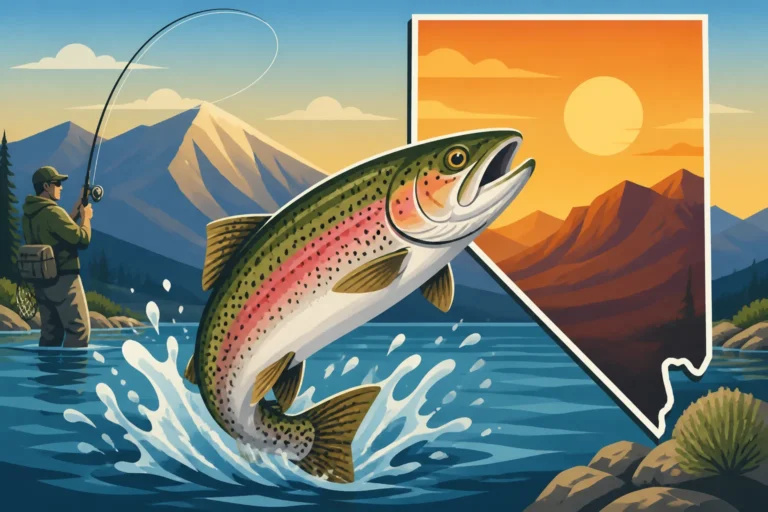
Are there wild rainbow trout in Nevada rivers?
It's a question many of us anglers ponder, especially when casting our lines into Nevada's sparkling waters: are we always just reeling in fish fresh from a hatchery, or can we really stumble upon a wild rainbow trout here? The truth is, while Nevada's stocking programs do an incredible job keeping our favorite spots thriving, there are indeed elusive pockets where wild rainbow trout persist, offering a truly special challenge and reward for those who know where to look. This guide will dive into where you might find them, how to recognize them, and how to protect these precious native populations.
The Elusive Nature of Wild Rainbow Trout in Nevada's Rivers
For many years, the idea of catching a truly wild rainbow trout in Nevada might have seemed like a pipe dream, especially with the state's robust stocking efforts. It's easy to assume every rainbow you hook is a product of a hatchery truck. But that's not always the case. Nevada, despite its arid reputation, boasts some surprisingly vibrant river systems and high-elevation streams that nurture populations of self-sustaining rainbow trout. These fish are true survivors, adapting and thriving in their natural environments, offering a unique and often more challenging angling experience.
Differentiating Wild from Stocked Trout
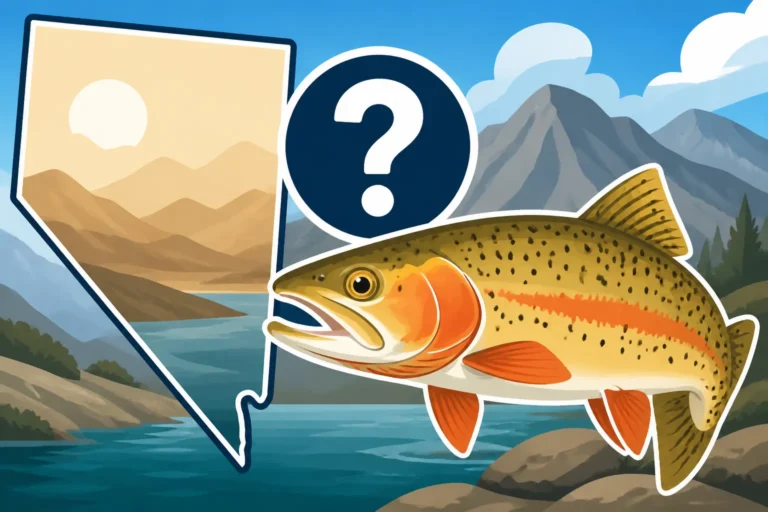
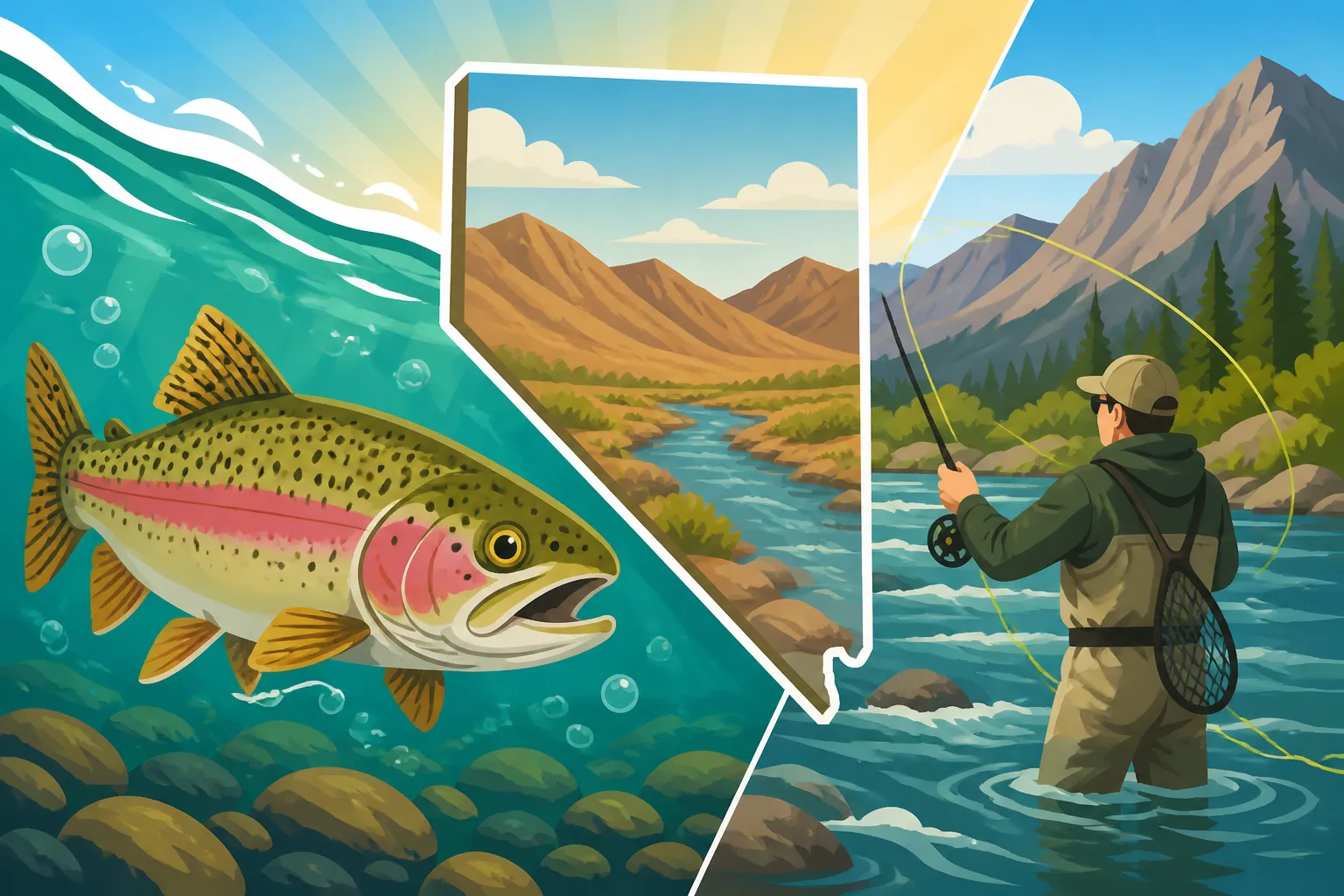
When you're out on the water, how can you tell if that beautiful rainbow on your line is a wild specimen or one that got a ride in a truck? There are definitely tell-tale signs. Wild rainbow trout tend to have more vibrant, intense colors, often reflecting the specific hues of their habitat – brighter reds on their lateral lines, darker backs, and often a more defined spotted pattern. Their fins, especially the caudal (tail) and pectoral fins, are usually perfect and rounded, unlike the often-worn or clipped fins of hatchery-reared fish. They're typically leaner, more muscular, and incredibly strong fighters, a testament to their constant struggle for survival in a natural environment.
Stocked fish, on the other hand, often show signs of their hatchery upbringing: slightly duller coloration, shorter or frayed fins, and sometimes a more uniform body shape due to consistent feeding. Catching a wild trout isn't just about the fight; it's about connecting with a resilient part of nature, a fish that has beaten the odds to thrive without human intervention. The joy comes from recognizing that perfectly intact tail fin, that vibrant flash of color, and knowing you've encountered something truly special.
The Challenges of Sustaining Wild Populations
Sustaining wild rainbow trout populations in a state like Nevada is no small feat. These fish face an uphill battle against numerous environmental factors. Water availability is perhaps the most significant challenge in the high desert, with fluctuating snowpack and rainfall directly impacting stream flows. Habitat degradation, often from human activities like development, pollution, or even overuse of riverbanks, can destroy spawning grounds and crucial feeding areas.
Then there's the competition. Stocked trout, while providing excellent fishing opportunities, can sometimes compete with wild fish for food and territory. There's also the risk of disease transmission or genetic dilution if stocked fish interbreed with wild populations. Conservation efforts focus heavily on maintaining water quality, restoring riparian habitats, managing water usage, and implementing special regulations in sensitive areas to give these wild fish the best chance to flourish. It's a delicate balance, and every angler plays a role in respecting and protecting these fragile ecosystems.
Where to Find Pockets of Wild Rainbow Trout
While you won't find wild rainbow trout in every single river or stream across Nevada – many are sustained purely by stocking programs – there are certainly specific locations where these resilient fish have managed to carve out a niche and thrive. Finding them requires a bit more effort, local knowledge, and often, a willingness to venture off the beaten path, but the reward is absolutely worth it.
Key River Systems and Their Specifics
When we talk about wild rainbow trout in Nevada, one river immediately springs to mind: the Truckee River. Flowing from Lake Tahoe through Reno and Sparks, the Truckee River Fishing Near the Nevada Line is renowned for its healthy population of wild, self-sustaining rainbow and brown trout. These aren't your average stocked fish; these rainbows are savvy, strong, and can grow to impressive sizes, offering a truly world-class fly-fishing experience. The river's varied structure, from deep pools to riffles and runs, provides ample habitat. Anglers targeting this river should focus on understanding river currents and insect hatches, as these wild fish are highly attuned to their environment.
Beyond the Truckee, you might find pockets of wild rainbows in certain stretches of the East Walker River, particularly in its upper reaches before it gets heavily influenced by agricultural diversions. These areas often feature colder, clearer water and more stable flows, crucial for wild trout spawning and survival. Other smaller, often unnamed, tributaries that feed into larger systems, especially those originating from pristine mountain springs, can also hold surprising populations. These spots usually require more exploration and a sense of adventure to discover.
Beyond the Main Rivers: High-Elevation Streams and Tributaries
Don't limit your search to just the major rivers. Nevada's mountain ranges, from the Ruby Mountains to the Spring Mountains, hold countless high-elevation streams and alpine lakes that, due to their remote and often challenging access, harbor populations of wild trout that have rarely, if ever, seen a human. These streams are typically much smaller, with clearer, colder water, and often require hiking or backpacking to reach. The rainbows in these waters might not be trophy-sized, but their vibrant colors and perfect fins speak volumes about their wild origins.
Fishing these remote gems is an experience unto itself. It's not just about catching fish; it's about immersing yourself in Nevada's untouched wilderness. Think small creeks trickling through aspen groves or plunging down granite slopes. These environments demand lightweight gear, stealthy approaches, and a deep appreciation for solitude. Always check local regulations, as these sensitive areas often have very specific rules regarding tackle, bait, and catch limits to protect these vulnerable populations.
Techniques and Ethics for Pursuing Wild Rainbows
Targeting wild rainbow trout is a different ballgame than fishing for recently stocked fish. It demands a more refined approach, a deeper understanding of trout behavior, and an unwavering commitment to conservation. These fish are typically warier, more sensitive to pressure, and rely on natural instincts for survival.
Gear and Approaches for Stealthy Angling
When it comes to wild rainbow trout, especially in clear Nevada rivers like the Truckee, stealth and presentation are paramount. Forget heavy lines and splashy casts. You'll want to opt for lighter tackle: a sensitive spinning rod with light line (think 4-6 lb test fluorocarbon or monofilament) or, more often, a fly rod. Fly fishing is particularly effective because it allows for delicate presentations that mimic natural insect drifts. For a truly immersive experience, many anglers swear by a Fly Fishing in Nevada approach.
Matching the hatch is key, so having a selection of dry flies, nymphs, and streamers that imitate the local insect life is crucial. You can find an excellent array of specialized fly patterns and lightweight gear on platforms like Amazon, which offers everything from technical waders to specific fly boxes designed for river fishing. When using spinning gear, small inline spinners, tiny spoons, or micro jigs can be effective, but always focus on casting upstream and allowing your lure to drift naturally downstream, avoiding any unnatural drag. Walk softly, cast smoothly, and be patient – these fish are easily spooked. For more general advice, consider exploring How to Fish for Trout in Nevada.
Catch and Release: Protecting a Precious Resource
For wild rainbow trout, especially in those precious self-sustaining populations, catch and release is more than just a preference; it's often a moral imperative and sometimes even legally mandated. These fish are vital to the ecosystem, and their survival ensures future generations can experience the thrill of catching them. Always familiarize yourself with Nevada Trout Daily Limit Rules and any specific regulations for the water you're fishing, as some wild trout sections might require barbless hooks and immediate release.
When practicing catch and release, handle the fish as little as possible. Wet your hands before touching them to protect their protective slime layer. Use a net with a rubberized mesh to minimize damage to fins and scales. If the hook is easy to remove, do so quickly with pliers or hemostats while the fish is still in the water. If it's deeply hooked, cut the line as close to the hook as possible; the hook will often rust out over time. Hold the fish gently in the current, facing upstream, until it regains its strength and swims away on its own. This ethical approach ensures these magnificent creatures continue to thrive. For more detailed guidance, read up on Catch and Release Techniques for Trout.
Contributing to Conservation Efforts
Finding and fishing for wild rainbow trout in Nevada is a privilege, and with that privilege comes a responsibility to protect these remarkable fish and their habitats. Every angler has a role to play in ensuring these populations continue to thrive for years to come.
Understanding and Adhering to Regulations
The first and most important step in protecting wild trout is to thoroughly understand and strictly adhere to all Nevada Fishing Regulations Explained. These regulations are not arbitrary; they are carefully crafted by wildlife biologists to manage fish populations, protect sensitive species, and ensure sustainable fishing. This means knowing Nevada Fishing Season Dates and Limits, understanding specific bag and size limits for different waters, and being aware of any gear restrictions, such as mandatory barbless hooks or artificial lures only.
Many of Nevada's rivers with wild trout populations, particularly stretches of the Truckee, have specific rules designed to protect these sensitive fish. Ignorance of the law is never an excuse, and a violation can not only result in fines but also directly harm the very resource you love. Always carry a current copy of the regulations, or have them readily accessible on your phone, and review them before each outing to a new area. You can usually find the most current information through the Nevada Department of Wildlife (NDOW) website or at licensed vendors where you purchase your Nevada Fishing License Guide.
Supporting Local Conservation Groups
Beyond following the rules, anglers can make a significant impact by supporting organizations dedicated to trout conservation and habitat restoration. Groups like Trout Unlimited, for example, have local chapters in Nevada that work tirelessly on projects ranging from restoring riparian zones to advocating for better water management practices. These organizations rely on volunteers, donations, and membership fees to fund their critical work.
By contributing your time, money, or even just your voice, you become an active participant in safeguarding the future of wild rainbow trout in Nevada. This could mean helping with a river cleanup day, participating in stream monitoring, or simply staying informed about local conservation issues. Protecting these unique wild fisheries often requires a long-term commitment, and collective action is incredibly powerful. Every little bit helps ensure that those elusive, vibrant wild rainbows continue to fin through Nevada's pristine waters for generations of anglers to appreciate.
Disclaimer
This article is for general informational purposes only and does not constitute professional advice. Laws, prices and regulations vary by location and change over time. Consult a qualified professional for guidance on your specific situation.