Nevada fishing license minimum age requirement
One of the most common questions I hear from parents and guardians who love to hit the water in Nevada is, "When do my kids actually need a fishing license?" It’s a completely fair question, and honestly, the rules around age requirements can sometimes feel a little murky, especially when you're just trying to enjoy a peaceful day out with the family. No one wants to accidentally break a rule or miss out on a great fishing opportunity because they weren't sure about the age cutoffs. This guide is here to clear up all that confusion and ensure your family's fishing adventures in the Silver State are smooth sailing and fully compliant.
Understanding Nevada's Youth Fishing License Rules
Navigating the world of fishing regulations can feel like trying to untangle a particularly stubborn knot in your fishing line. But when it comes to the minimum age requirement for a fishing license in Nevada, the good news is it's quite straightforward once you know where to look. The Nevada Department of Wildlife (NDOW) has set clear guidelines, and understanding them is crucial for anyone planning to introduce a young angler to the sport.
The Basic Age Requirement for a Fishing License
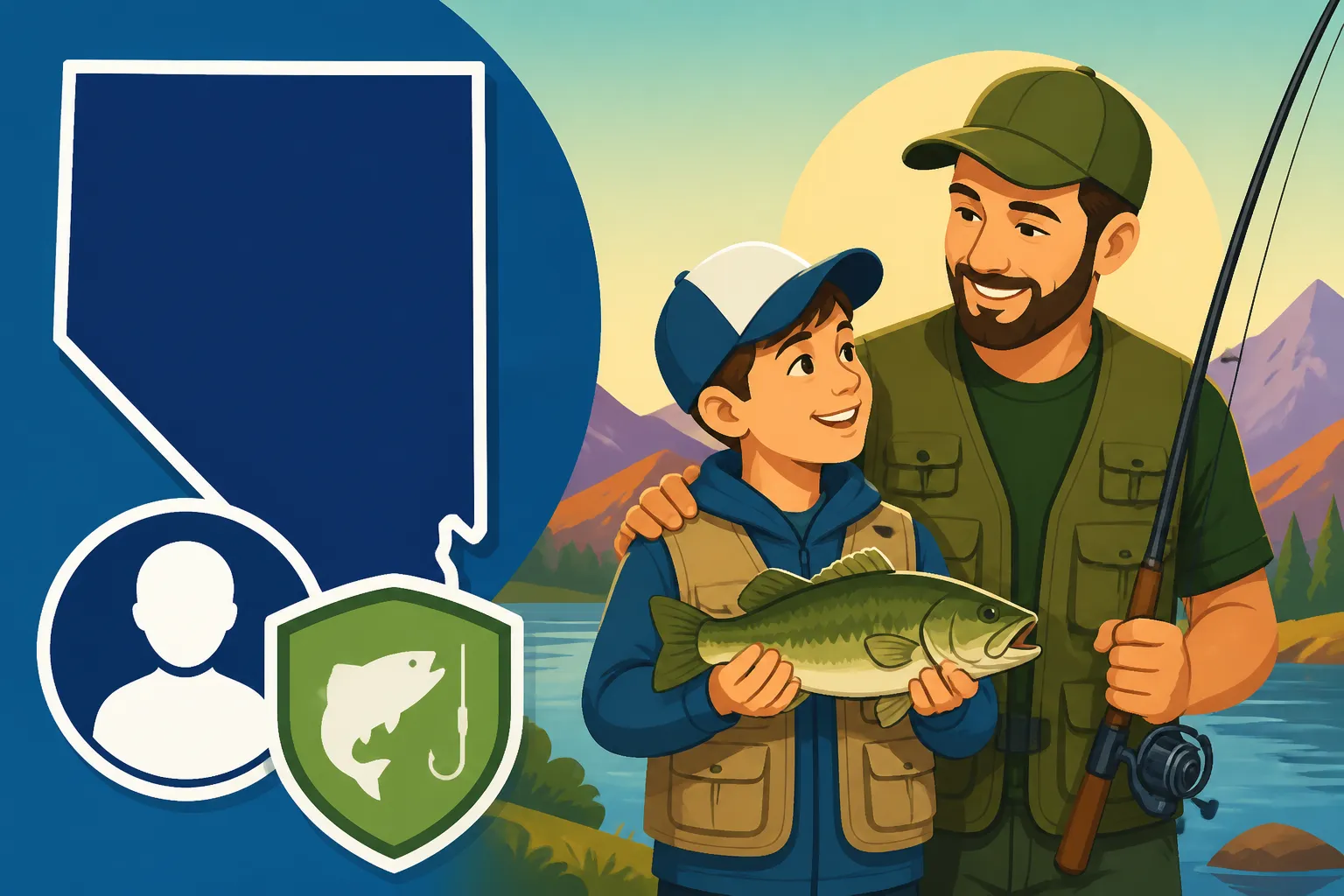
Let's cut right to the chase: in Nevada, any person 12 years of age or older is required to possess a valid fishing license to fish in public waters. This means if your child is celebrating their twelfth birthday, it's time to start thinking about getting them their first official license. Before that magical age, however, they're free to cast their lines without any need for a state license, which is fantastic for sparking that initial interest in the outdoors without adding bureaucratic hurdles. This rule applies whether they are a Nevada resident or visiting from out of state. It’s a simple age marker that makes it easy for families to know when to make that transition.
This age requirement is consistent across most public waters in Nevada, from the vast expanses of Lake Mead to the serene high-mountain lakes. However, it's always a smart move to double-check for specific locations, as places like Pyramid Lake have their own distinct permitting requirements that apply to all anglers, regardless of age, which we’ll touch on later. But for the general state license, 12 is the number to remember. This allowance for younger children to fish freely is a brilliant way to foster a love for fishing, letting them experience the joy of a tug on the line without any pressure.
Exemptions for Younger Anglers
So, if you have a little one under the age of 12, they're in luck! They are explicitly exempt from needing a state fishing license. This exemption is a huge benefit for families, allowing children to participate fully in fishing activities without any cost or paperwork. Imagine the excitement of a 7-year-old reeling in their first rainbow trout from one of Nevada's many stocked ponds, and knowing you didn't have to navigate any licensing process for them. This creates a wonderfully accessible entry point into the sport.
This policy reflects a common understanding among wildlife agencies that encouraging youth participation is vital for the future of conservation. By removing the financial and administrative barrier for kids, NDOW makes it easier for parents to introduce their children to fishing, fostering a connection with nature and an appreciation for wildlife from a young age. This period of exemption is a golden opportunity to let kids explore, learn, and fall in love with fishing at their own pace. You can teach them the basics of casting, reeling, and even ethical catch and release practices, all before they ever need to worry about a license. For more details on who else might be exempt, you might want to read our comprehensive guide on Nevada Fishing License Exemptions and Discounts.
What Happens When Kids Turn 12
The moment a child turns 12 years old, they transition from an exempt angler to one who requires a license. It's not like a sudden switch where they get penalized the day after their birthday; rather, it’s about being prepared for that change. Once they are officially 12, they will need to purchase a youth fishing license to legally fish in Nevada waters. The good news is that these youth licenses are generally more affordable than adult licenses, making the transition as smooth as possible for families.
This age also often aligns with a child's growing independence and ability to understand and follow fishing regulations more closely. It's a rite of passage, in a way, marking their step into more "serious" angling. When you're planning your child's first official fishing trip post-12th birthday, it's a great opportunity to talk to them about the responsibility that comes with a license – the importance of respecting limits, understanding the rules, and contributing to conservation efforts. This helps instill a sense of ownership and pride in their fishing pursuits. You can explore the specifics of youth licenses further in our article on Nevada Youth Fishing License Rules.
Why These Age Restrictions Matter for Families
Understanding why these age restrictions are in place can give you a greater appreciation for the system, and even help you explain it to your budding anglers. It’s not just about rules for the sake of rules; there’s a thoughtful purpose behind them that benefits everyone, especially the future of fishing in Nevada.
Promoting Early Outdoor Engagement
The primary reason for allowing younger children to fish without a license is to encourage early outdoor engagement. Let's be honest, getting kids hooked on outdoor activities is increasingly challenging in our digital world. The less friction there is for parents to take their children fishing, the more likely they are to do it. NDOW recognizes that the thrill of a first fish can create a lifelong passion, and they want to make that initial experience as accessible and enjoyable as possible.
Imagine a busy parent trying to coordinate a fishing trip, only to find out they need to navigate a licensing process for a 5-year-old who might only cast a few times before getting distracted by ducks. By removing that barrier, it lowers the stress for parents and allows for spontaneous trips to local ponds or rivers. This nurturing environment helps foster an appreciation for nature, teaches patience, and develops valuable outdoor skills from a young age. These early experiences are crucial for developing responsible stewards of our natural resources down the line. It's about planting the seeds of conservation early, letting them grow naturally before adding the responsibilities of licensure.
Funding Conservation Through License Sales
Once your child reaches that 12-year-old milestone and purchases their first license, they become a direct contributor to Nevada’s wildlife conservation efforts. This is a powerful lesson in itself. The funds generated from fishing license sales, whether it’s a Nevada resident fishing license cost or a Nevada nonresident fishing license cost, are absolutely vital. They go directly towards managing fish populations, stocking programs, habitat restoration, and enforcement of fishing regulations. For example, your child's license helps fund the stocking of thousands of trout in local urban ponds and larger reservoirs, ensuring there are plenty of fish for everyone to catch.
This system ensures that those who benefit from the state's natural resources are also helping to sustain them. When your child buys their license, they are contributing to the health of the very ecosystems they enjoy. It’s a tangible way to teach them about responsibility and the interconnectedness of enjoying nature and protecting it. Explaining this to a young angler can transform the simple act of buying a license into a meaningful contribution to something bigger. Every dollar spent on a license helps NDOW maintain access, improve facilities, and conduct crucial research to keep Nevada's fisheries thriving for generations to come.
Avoiding Penalties for Misunderstanding the Rules
Let's face it, nobody wants to be caught off guard by a game warden because of a simple misunderstanding. While game wardens are generally understanding, especially with families, it's still your responsibility as the supervising adult to ensure everyone in your party is compliant with the law. Ignorance of the rules, even for youth, can lead to fines and a less-than-pleasant experience on the water. Knowing the Nevada fishing regulations explained thoroughly can prevent any mishaps.
Being aware of the specific age requirement ensures that once your child turns 12, they have their license ready to go. This attention to detail allows you to focus on the fun parts of fishing – teaching casting techniques, baiting hooks, and celebrating catches – rather than worrying about regulatory compliance. It also sets a good example for your children, teaching them the importance of respecting laws and regulations, which are ultimately designed to protect the resources we all cherish. Checking the rules annually, or before each trip if you're unsure, is always a good practice, as regulations can sometimes change. Better safe than sorry when you're out there enjoying Nevada's beautiful waterways.
Practical Steps for Anglers with Young Children
Getting ready for a fishing trip with kids, especially as they approach or reach the age when a license is required, involves a few practical steps. Being prepared makes the whole experience smoother and more enjoyable for everyone involved.
Preparing for the First License Purchase
When your child is approaching their 12th birthday, it's a good idea to start talking about their upcoming "angler milestone." This can be a fun way to build anticipation for their first official license. Gather the necessary information ahead of time. Typically, you'll need proof of identity and residency if you're a Nevada resident. For non-residents, just basic identification will suffice. Remember, while the general rule applies, some specific waters like Pyramid Lake require a separate permit, so always check the local rules for your chosen fishing spot. You’ll want to ensure you know the difference between a state license and a Pyramid Lake Fishing Permit Guide if that’s on your itinerary.
It's also a great opportunity to discuss the concept of responsible angling. Explain that getting a license means they are contributing to the health of the fish and their habitats, and that it comes with the responsibility of following rules like bag limits and size restrictions. This conversation helps them understand that fishing is more than just catching fish; it's about being part of a larger community that values conservation. Getting them involved in the process, even asking them what kind of fish they hope their license will help protect, can make it more engaging.
Where to Purchase a Nevada Youth Fishing License
Once your child is 12 or older, getting their license is a breeze, especially with modern convenience. The most common and often easiest way to get a Nevada fishing license online directly through the Nevada Department of Wildlife (NDOW) website. It's usually a quick process where you can print out a temporary license immediately and receive the physical card in the mail. This option is fantastic for last-minute trips or for those who prefer the comfort of their home.
Alternatively, you can visit one of the many authorized license agents across the state. These agents include many sporting goods stores, bait and tackle shops, and even some general merchandise retailers. Stores like Cabela's or Bass Pro Shops are popular choices, but local smaller shops are also great places to buy a license and get some local fishing tips at the same time. This can be a fun outing in itself, letting your child pick out a new lure or bait while you complete the license purchase. For a full list of options, you can consult our article on Where to Buy a Nevada Fishing License. Whether you go online or in person, ensure you have your child's information readily available.
Essential Gear for Young Anglers
Getting kids started with fishing doesn't require a huge investment in gear, but having the right basic setup can make a world of difference. For young anglers, simplicity and ease of use are key. A basic spincast rod and reel combo is usually the best starting point. These setups are user-friendly, minimizing tangles and frustration, allowing kids to focus on the fun of casting and reeling. You can often find decent beginner combos for under $30, which is perfect for trying out the sport without breaking the bank. Brands like Zebco make excellent spincast combos specifically designed for kids.
Beyond the rod and reel, a small tackle box stocked with a few essential items is all they'll need. Think about a few hooks (size 6 or 8 is versatile), some small bobbers, a handful of split shot weights, and a couple of basic lures or bait options like powerbait or worms. Don't forget a pair of needle-nose pliers for hook removal, a small stringer if they plan to keep fish (check limits first!), and a small cooler with ice for drinks and any keepers. Sunscreen and a hat are also absolute must-haves for fishing in Nevada's often bright conditions. You can find many of these items conveniently on Amazon with quick delivery. For a more detailed guide, check out our Nevada Fishing Gear Essentials.
Here's a quick reference table summarizing the age requirements for a Nevada fishing license:
| Age Group | Nevada State Fishing License Required? | Common License Type (if applicable) | Typical Cost (approx. for Residents, 2024) | Notes |
|---|---|---|---|---|
| Under 12 years old | No | Not applicable | Free | Exempt from state license requirement. Encouraged to fish! |
| 12-17 years old | Yes | Junior Annual Fishing License | $15.00 | Must have a valid youth license. |
| 18-64 years old | Yes | Adult Annual Fishing License | $40.00 | Must have a valid adult license. |
| 65+ years old (NV Resident) | Yes | Senior Annual Fishing License | $15.00 | Discounted for qualifying Nevada residents. |
| Non-residents (all ages 12+) | Yes | Nonresident Annual / 1-Day Fishing License | Varies (e.g., $81 annual, $14 1-day) | Must purchase appropriate non-resident license. |
Note: Costs are approximate and subject to change. Always verify current prices with NDOW.
Common Questions About Youth Fishing in Nevada
Beyond the basic age requirement, parents often have other specific questions about fishing with kids in Nevada. Let’s tackle some of these common inquiries to ensure you’re fully prepared for your family’s next angling adventure.
Do Kids Need a Trout Stamp?
This is a really common and important question, especially because Nevada is known for its excellent trout fishing opportunities. The good news is that if your child is under 12 and therefore doesn't need a basic fishing license, they also do NOT need a trout stamp. The trout stamp (also sometimes called a "Trout Permit") is an endorsement that is added to an existing fishing license for anglers 12 years and older who plan to fish for or possess trout.
So, once your child turns 12 and obtains their regular youth fishing license, if they intend to target trout, they will also need to purchase a Nevada trout stamp. This stamp is an additional fee that further supports trout stocking and management programs in the state. It's an important detail to remember, particularly if you're planning a trip to one of Nevada's many trout-rich waters like Wildhorse Reservoir or the Truckee River. Neglecting the trout stamp when it's required could lead to an unexpected interaction with a game warden. For more specifics, our guide on Nevada Trout Stamp Requirements is an excellent resource.
Are There Special Rules for Urban Ponds?
Nevada's urban ponds, particularly those around Las Vegas like Floyd Lamb Park or Sunset Park, are incredibly popular spots for families to introduce kids to fishing. They are regularly stocked by NDOW with species like rainbow trout and channel catfish, making them fantastic places for beginners to get a bite. The general rule regarding the minimum age requirement (12 years and older needing a license) applies to these urban ponds as well.
However, urban ponds often have additional local rules regarding hours of operation, types of bait allowed, or specific limits that might differ slightly from statewide regulations. For instance, some ponds might have specific days when they are stocked, creating a frenzy of activity. It's always a good idea to check the signs posted at the pond or visit the NDOW website for specific Nevada Urban Pond Fishing Rules. These ponds are a fantastic resource, offering convenient access to fishing, but always be mindful of any specific signage or regulations that might be unique to that particular location. They are designed for high-use and family-friendly fishing, so understanding their nuances ensures a pleasant experience for everyone.
Free Fishing Day Opportunities
One of the absolute best ways to introduce anyone, especially young children, to fishing without any licensing worries is to take advantage of Nevada's annual Free Fishing Day. This special day, typically held in June, allows anyone to fish in Nevada's public waters without needing a state fishing license or trout stamp. It's an incredible opportunity for families who might be hesitant about the cost or paperwork associated with getting a license, or for those who just want a no-pressure day of fun on the water.
NDOW often hosts special events and clinics on Free Fishing Day, providing loaner fishing gear, basic instruction, and even prizes. It's a fantastic, low-stakes way to gauge a child's interest in fishing before committing to purchasing gear or licenses. Even if your child is under 12 and doesn't normally need a license, Free Fishing Day is a communal celebration of the sport and a great way to meet other anglers. Be sure to mark your calendar and check the NDOW website for the exact date of Nevada Free Fishing Day Guide, as it's truly one of the highlights of the fishing calendar for families. It removes all barriers and focuses purely on the joy of the catch.
Disclaimer
Please note that fishing regulations, license fees, and age requirements are subject to change by the Nevada Department of Wildlife (NDOW). While every effort has been made to provide accurate and up-to-date information in this guide, it is crucial for all anglers to consult the official NDOW regulations pamphlet or their website before heading out to fish. This guide is for informational purposes only and should not be considered a substitute for the official rules and regulations.