Government Wash Fishing Access
Anyone who's ever tried to find a prime fishing spot on a massive body of water like Lake Mead knows the struggle: endless shoreline, confusing maps, and the feeling that all the best spots are either secret or require a boat you don't have. It can be incredibly frustrating just trying to figure out where to start. This comprehensive guide is here to unravel the mystery of Government Wash, offering a deep dive into one of Lake Mead's most accessible and productive fishing access points, detailing what to expect, what to target, and how to make the most of your angling adventure there.
Understanding Government Wash: Your Gateway to Lake Mead Fishing
Government Wash is more than just a name on a map; it's a dynamic and incredibly popular section of Lake Mead that offers fantastic opportunities for both bank anglers and those looking to launch a boat or kayak. Its unique characteristics make it a go-to spot for many locals and visitors alike, especially given its relatively close proximity to the bustling cities of Las Vegas and Henderson.
Where Exactly is Government Wash?
You'll find Government Wash nestled on the northern arm of Lake Mead, within the Lake Mead National Recreation Area. If you're coming from Las Vegas, it's a straightforward drive, generally taking around 30 to 45 minutes, depending on traffic, making it an ideal destination for a spontaneous morning or afternoon trip. To get there, you'll typically head east on Lake Mead Parkway and then turn onto Northshore Road. From there, well-marked signs will guide you to the various access points within Government Wash.
What makes this area so appealing is its extensive, accessible shoreline, providing ample space for numerous anglers to spread out without feeling overcrowded, even on busier weekends. It's a significant entry point not just for those casting from shore, but also for kayakers and smaller boat owners who appreciate the ease of launching, especially during periods of fluctuating water levels where larger ramps might be inaccessible. The general area is managed by the National Park Service, so you'll need to pay an entrance fee to the Lake Mead National Recreation Area, or present an annual pass. This fee helps maintain the facilities and preserve the natural beauty of this incredible desert oasis.
The Unique Topography and Features
Government Wash itself is a wide, natural channel that gradually slopes down to the main body of Lake Mead. Over time, as Lake Mead's water levels have receded and risen, the wash has transformed, revealing and re-submerging various structures that are irresistible to fish. The area is characterized by a mix of sandy beaches, rocky points, and submerged rock piles and brush. These diverse underwater landscapes are precisely what create such a rich habitat for various species.
As you walk the shoreline, you'll notice how the depth changes – some areas offer gradual slopes, perfect for wading or casting into shallower flats, while other spots feature more abrupt drop-offs, providing immediate access to deeper water. These submerged contours and structures act as natural ambush points for predatory fish. The ever-changing nature of the lake's water level means that what was a prominent point last year might be submerged this year, and vice versa. This requires anglers to be adaptable and observant, always looking for new cover or depth changes that might be holding fish. This constant evolution is part of the challenge and excitement of fishing Government Wash, rewarding those who pay attention to detail and are willing to explore.
Prime Species to Target at Government Wash
Government Wash is renowned for its diverse fish population, offering excellent opportunities to catch a variety of game fish. While some species are more prevalent than others, knowing what to expect can significantly increase your chances of a successful outing.
Largemouth and Smallmouth Bass Opportunities
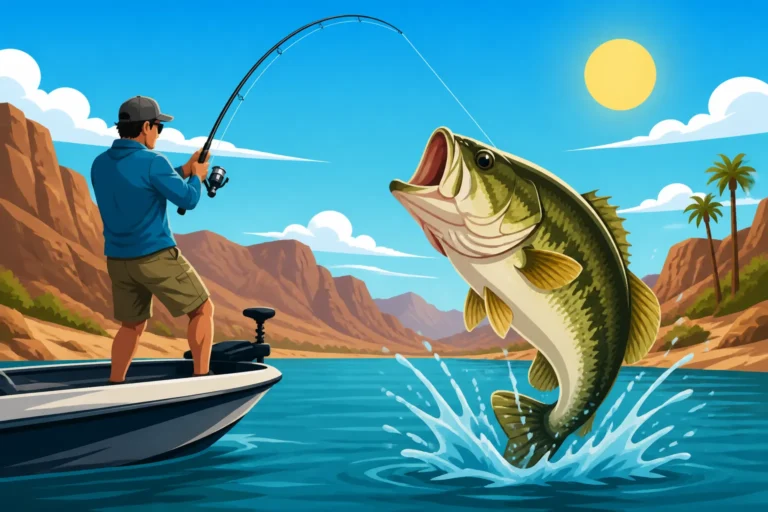
When anglers think of Government Wash, bass often come to mind first. Both largemouth and smallmouth bass thrive in the varied habitats found here. Largemouth bass tend to prefer the more sheltered, brushy coves and areas with submerged vegetation, if any exists, where they can ambush prey. They are often found shallower, especially during the spring spawn, lurking around rocks, old tree stumps, and other cover. To really get into these green fish, you'll want to focus your efforts in the protected arms and pockets off the main wash where the water warms up faster.
Smallmouth bass, on the other hand, typically prefer rocky habitats and deeper, clearer water, making the numerous rock piles, ledges, and transition areas throughout Government Wash ideal for them. These feisty fighters are known for their strong pulls and acrobatic jumps once hooked. You can often find them patrolling rocky points or congregating around submerged boulders. Both species offer thrilling topwater action during low light conditions or when baitfish are schooling near the surface. Understanding the distinct preferences of these two incredible species is key to a successful bass fishing trip at Lake Mead. For more detailed information on specific techniques, you might want to check out our guide on how to fish for Largemouth Bass in Nevada or our comprehensive look at Smallmouth Bass Fishing in Nevada.
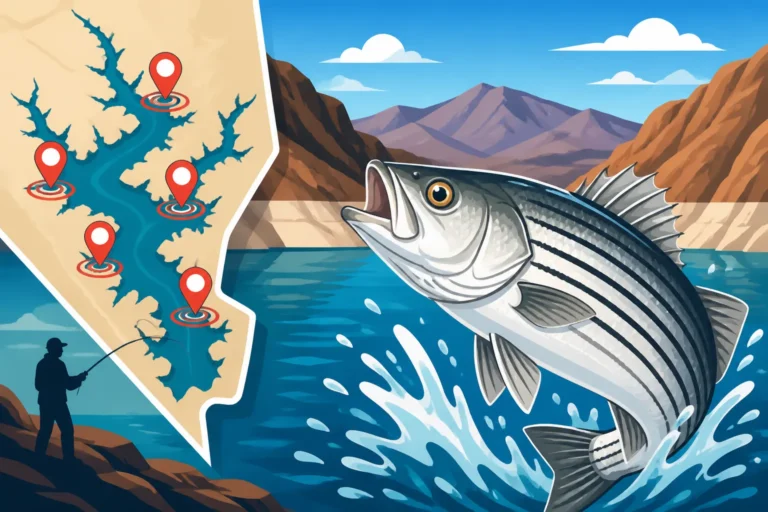
Chasing Lake Mead's Striped Bass
Beyond the bass, Lake Mead is famous for its powerful striped bass, and Government Wash is a fantastic place to hook into them. Stripers are pelagic fish, meaning they typically roam open water in search of schools of baitfish like shad. However, they frequently push into the wash and its surrounding coves, especially during feeding frenzies or when driving baitfish into shallower, confined spaces.
You'll often find striped bass cruising the main channel of Government Wash or schooling up around deeper points where the wash meets the main body of Lake Mead. Early mornings and late evenings are prime times, but they can be caught throughout the day, particularly if you locate an active school. Effective techniques for stripers here include casting large swimbaits, throwing spoons, or jigging vertically in deeper water. Many anglers also find success with cut bait, especially anchovies or shad, fished on the bottom or under a bobber. The sheer power and aggressive nature of a Lake Mead striper make for an unforgettable fight, often putting even seasoned anglers to the test. If you're keen on targeting these hard-fighting fish, our article on Striped Bass Fishing in Nevada offers more in-depth strategies.
Other Notable Catches
While bass and stripers are the main attractions, Government Wash can sometimes surprise you with other species, especially if you're using bait. Channel catfish are quite common in Lake Mead and can be caught throughout the wash, particularly in muddier or deeper pockets, often on a variety of stink baits, cut bait, or even nightcrawlers. These whiskered bottom-dwellers provide a strong pull and are excellent eating.
Occasionally, anglers might also encounter bluegill or sunfish, particularly in the shallower, more protected areas closer to shore. While not typically the target of serious anglers at Government Wash, they can offer some fun light-tackle action, especially for kids or beginners. These panfish are more common during the warmer months and can be caught using small hooks with worms or bits of corn. Though less frequent, crappie might also make an appearance, usually in areas with submerged brush or timber, though their populations in this specific area of Lake Mead are generally not as robust as the bass or striper numbers.
Best Fishing Techniques and Strategies for Government Wash
Fishing Government Wash requires a blend of adaptable techniques, largely because of the area's diverse topography and the array of species you might encounter. Whether you're casting from the bank or exploring by boat, having a solid strategy will make all the difference.
Effective Shore Fishing Approaches
Shore fishing at Government Wash is incredibly popular, and for good reason—it offers vast access without the need for a boat. The key to success from the bank is understanding how to cover water and present your bait or lure effectively. One of the most common and productive methods is casting out various artificial lures that imitate baitfish. Spinnerbaits, swimbaits, crankbaits, and soft plastic worms rigged Texas-style or Carolina-rigged are all highly effective for both largemouth and smallmouth bass. When using soft plastics, remember to work them slowly along the bottom, mimicking a crawfish or a worm, paying close attention to any subtle taps or changes in resistance.
For striped bass, casting heavier spoons or larger swimbaits a considerable distance can be effective, especially when you see schools of baitfish being chased near the surface. Many shore anglers also find success with bait fishing for stripers and catfish. Rigging a chunk of anchovy, shad, or a nightcrawler on a bottom rig with a pyramid or egg sinker allows your bait to sit on the bottom or suspended just above it, waiting for a passing fish. Vary your casting distances and retrieval speeds. Some days, fish are right against the bank; other days, they're holding further out. Stealth is also important; avoid loud noises and heavy footfalls on the bank, as fish in clear, shallow water can be easily spooked. For more general tactics on land-based fishing, check out our guide on Bank Fishing Techniques for Desert Lakes.
Boating and Kayaking Advantages
While shore fishing is excellent, having a boat or kayak at Government Wash opens up a whole new realm of possibilities. The main advantage is access: you can reach secluded coves, offshore humps, and deeper main lake points that are completely inaccessible from the bank. For those looking to launch a powerboat, several boat ramps are available within the Lake Mead National Recreation Area, though you'll need to confirm their operational status based on current lake levels. Kayakers and small boat owners often appreciate the gentler slopes within Government Wash itself, allowing for easier hand-launching during lower water periods.
Once on the water, you can employ more advanced techniques. Trolling with crankbaits or spoons is highly effective for locating schools of striped bass and even deeper-holding bass. Using a fish finder becomes invaluable, helping you pinpoint submerged structures, bait balls, and individual fish. For bass, pitching jigs or Texas-rigged plastics into heavy cover that would be impossible to reach from shore can be incredibly productive. Kayak anglers can silently paddle into shallow coves, giving them an edge in stealth and precision casting. If you don't own a boat but dream of exploring Lake Mead's waters more extensively, consider booking a guided trip. Services like FishingBooker can connect you with experienced local guides who know Government Wash like the back of their hand, providing all the necessary gear and expertise to maximize your time on the water. For more details on what you might need, our guide on Kayak Fishing Gear for Nevada could be helpful.
Essential Gear and Preparations for Your Trip
A successful fishing trip to Government Wash isn't just about knowing where to cast; it's also about being properly equipped and prepared for the unique environment of Lake Mead. The desert sun, fluctuating conditions, and diverse species require thoughtful planning.
Recommended Rods, Reels, and Tackle
When heading to Government Wash, versatility in your rod and reel setup is key. For most anglers, a medium to medium-heavy spinning rod, around 6'6" to 7 feet long, paired with a reliable 2500-4000 series spinning reel, will cover a wide range of applications. This setup is perfect for casting everything from lighter soft plastics to heavier spoons and crankbaits. Spool your reel with 10-15 pound monofilament or fluorocarbon line for good abrasion resistance around rocky areas, or use braided line with a fluorocarbon leader for increased sensitivity and casting distance.
For tackle, focus on a selection of lures that imitate Lake Mead's primary baitfish, mainly shad and sunfish. This includes silver or shad-colored crankbaits, swimbaits (both hard and soft), and spoons for stripers. For bass, bring an assortment of plastic worms (darker colors like green pumpkin or junebug), jigs, and spinnerbaits. Don't forget terminal tackle: a variety of hooks (EWG hooks for Texas rigs, octopus hooks for bait), swivels, and sinkers (bullet weights for bass, pyramid or egg sinkers for bottom fishing) are essential. And, of course, bait: fresh or frozen anchovies are often irresistible to stripers and catfish, and nightcrawlers work well for panfish and smaller catfish. A well-stocked tackle box tailored to these species and techniques will ensure you're ready for anything Government Wash throws your way. For a more exhaustive list of must-haves, our guide on Nevada Fishing Gear Essentials has you covered.
Navigating Permits, Regulations, and Safety
Before you even think about wetting a line at Government Wash, you absolutely need to ensure you have a valid Nevada fishing license. The Nevada Department of Wildlife (NDOW) strictly enforces regulations, and fishing without a license can lead to hefty fines. You can purchase your license online, at many sporting goods stores, or through authorized vendors across the state. Remember that Lake Mead is part of a National Recreation Area, so while a Nevada license is primary, always be aware of any additional local rules or permits that might apply to boating or specific areas within the park.
Safety is paramount in the desert environment. Lake Mead can experience extreme temperatures, especially during summer, so always bring plenty of water – more than you think you'll need – to stay hydrated. Sun protection is critical: wear wide-brimmed hats, UV-protective clothing, and apply sunscreen regularly. The lake itself can also be unpredictable, with winds picking up quickly and creating choppy conditions. If you're boating, ensure you have all required safety equipment, including life jackets for everyone on board, a whistle or horn, and a throwable flotation device. Always check the weather forecast before heading out. Staying informed about the latest rules and safety practices, which can be found in our comprehensive Nevada Fishing Regulations Explained, will ensure your trip is enjoyable and hassle-free. If the thought of navigating all these regulations seems daunting, remember that guides found through services like FishingBooker are well-versed in local rules and can ensure a compliant and safe outing.
Seasonal Considerations and Environmental Factors
Understanding how the seasons and Lake Mead's unique environmental conditions influence fishing at Government Wash is crucial for consistent success. The behavior of fish changes dramatically with water temperature and availability.
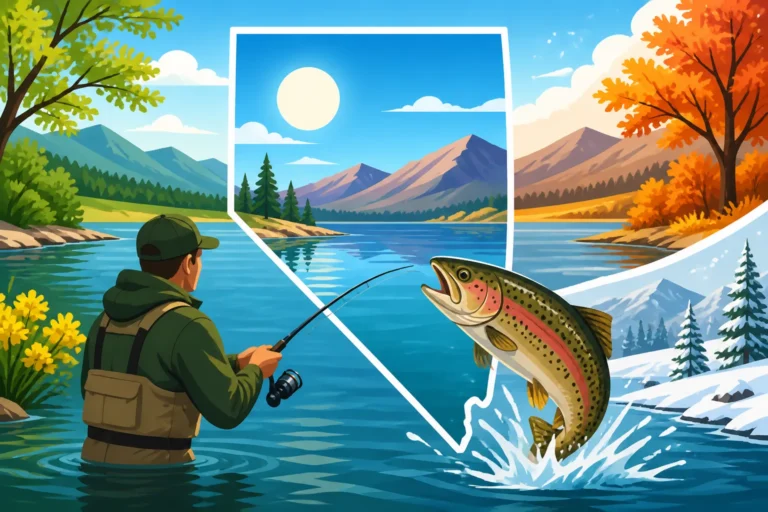
How Seasons Impact Fishing at Government Wash
Each season brings its own set of challenges and rewards to Government Wash.
- Spring (March-May): This is often considered prime time. As water temperatures rise, fish become more active. Largemouth and smallmouth bass move into shallower coves and flats for their pre-spawn and spawning phases, making them more accessible to shore anglers. Striped bass also become more aggressive, chasing baitfish schools. The weather is generally pleasant, making for comfortable fishing conditions.
- Summer (June-August): The desert heat can be intense, pushing fish into deeper, cooler waters during the day. Early morning and late evening (even night fishing) become the most productive times. Target bass and stripers around deep points, submerged structures, or drop-offs using deep-diving crankbaits, jigs, or vertical presentations. Hydration and sun protection are absolutely essential during these months.
- Fall (September-November): Another excellent season for fishing. As water temperatures cool, baitfish become more active, and predatory fish like bass and stripers go on a feeding frenzy, stocking up for winter. Topwater action can be phenomenal in the mornings and evenings, and reaction baits like crankbaits and spinnerbaits can be incredibly effective throughout the day.
- Winter (December-February): Fishing slows down significantly, and fish become more lethargic. They often hold in deeper water, so slower presentations like jigs, spoons, or drop-shot rigs are key. While the bite can be tougher, the rewards can be great, with opportunities for larger, more sluggish fish. The cooler, often calm weather can make for a peaceful day on the water, even if the action isn't as constant. For a deeper dive into annual patterns, check out our guide on the Best Time of Year to Fish in Nevada.
Understanding Lake Mead's Fluctuating Water Levels
One of the most significant environmental factors influencing fishing at Government Wash, and indeed all of Lake Mead, is the constantly fluctuating water level. Lake Mead is a reservoir, and its levels are highly dependent on snowmelt from the Rocky Mountains and water allocations. These fluctuations drastically change the shoreline, access points, and underwater structure.
During periods of significantly low water, boat ramps that were once usable might be closed, making access more challenging. However, low water can also expose new shoreline structure, creating temporary points, coves, and channels that concentrate fish. Anglers need to be adaptable, constantly observing the changing landscape. What was a deep channel last year might now be a shallow flat, and vice-versa. Conversely, when water levels are higher, flooded vegetation and newly submerged features create additional cover and feeding grounds for fish, especially bass. It means that an area that was once barren might suddenly become a hotspot. Always check the current lake levels before your trip, and be prepared to adjust your fishing strategy and even your access points based on what the lake is doing. This dynamic environment adds a layer of challenge and excitement, ensuring that no two trips to Government Wash are ever exactly the same. For a detailed discussion on how to navigate these changes, our article on How water level affects fishing at Lake Mead is an invaluable resource.
Lake Mead Government Wash Fishing Overview
Here's a quick look at how different fishing methods stack up at Government Wash:
| Fishing Method | Primary Target Species | Accessibility | Recommended Gear | Key Strategy |
|---|---|---|---|---|
| Shore Fishing | Bass, Striped Bass, Catfish | Excellent; vast, open shoreline. | Medium-heavy spinning rod, various artificial lures (swim baits, crankbaits, soft plastics), bottom rigs with bait (anchovies, nightcrawlers). | Cover a lot of water; experiment with casting distances and retrieves; focus on points, coves, and drop-offs; stealth is important in clear water. |
| Kayak Fishing | Bass, Striped Bass | Very Good; can hand-launch. | Medium spinning rod, small tackle box, PFD, paddle, fish finder (optional). | Access secluded coves and shallow areas; silent approach for wary fish; use jigs, small crankbaits, and soft plastics; explore closer to submerged brush. |
| Boat Fishing | Striped Bass, Bass | Good; requires a launch ramp (check current lake levels). | Medium-heavy rods for trolling/jigging, powerful reels, fish finder, GPS, downriggers (for deep stripers). | Cover large areas efficiently; target deep structure, humps, and bait balls with electronics; troll or cast to active schools; chumming can be effective for stripers. |
Disclaimer
The information provided in this guide is for general informational purposes only and is based on typical conditions and practices. Fishing conditions, regulations, and access points can change rapidly due to environmental factors, legislative updates, and specific events. Always consult the latest official regulations from the Nevada Department of Wildlife (NDOW) and the National Park Service (NPS) for the Lake Mead National Recreation Area before your trip. Safety is your responsibility; always be aware of weather conditions, water levels, and personal limitations.