Government Wash water depth for bass fishing
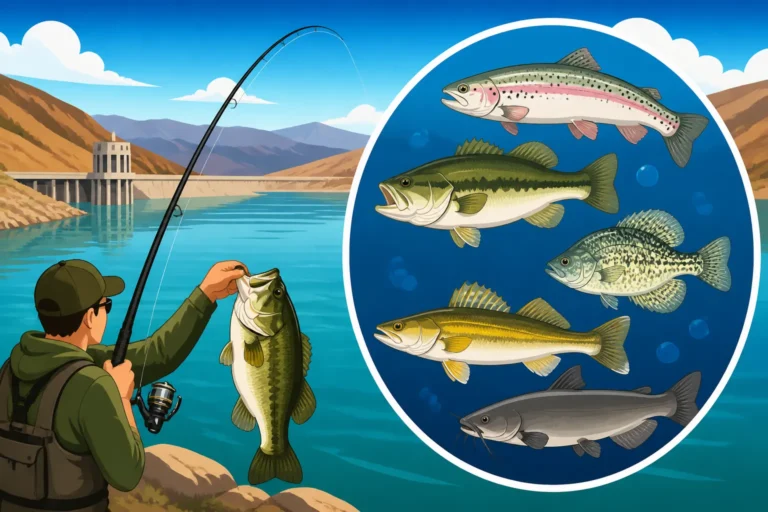
Trying to dial in bass at Government Wash can feel like chasing ghosts, especially with Lake Mead's ever-changing water levels. One day they're shallow, the next they've vanished into the depths, leaving you scratching your head and wondering what in the world happened to all the fish. This guide is here to cut through that confusion, helping you understand the crucial role water depth plays in finding and catching bass in this unique and challenging Nevada hotspot.
Understanding Government Wash's Unique Topography and Water Levels
Government Wash, located on the Nevada side of Lake Mead, is a fantastic place to fish for bass, but it’s definitely not a static environment. If you’ve ever fished here, you know that what was a prime spot last month might be dry land or incredibly deep the next. This constant flux is what makes it both challenging and incredibly rewarding for anglers who learn to adapt.
The Dynamic Nature of Lake Mead and Its Impact
Lake Mead, as many of us long-time anglers know, is a reservoir with famously fluctuating water levels. This isn't just a minor inconvenience; it completely reshapes the underwater landscape of places like Government Wash year after year, sometimes even month after month. What might have been a perfect 10-foot deep weed bed a few seasons ago could now be a steep, barren bank, or conversely, a newly submerged flat if water levels rise. This dramatically alters where bass feel comfortable, where they spawn, and where they feed. It’s the kind of situation that can make you feel like you're fishing a brand new lake every time you visit, which, for many, is a source of real frustration.
This dynamic environment means that simply relying on old maps or past experiences isn't always enough. You have to be willing to scout, use your electronics, and trust your instincts. The bass are still there, of course, but their prime real estate shifts, often forcing them deeper or shallower in response to the changes. Understanding these macro-level changes is the first step to unlocking Government Wash's secrets.
Exploring Government Wash's Structure: Coves, Channels, and Drop-offs
Beneath the surface, Government Wash is essentially a drowned desert canyon, characterized by its long, winding coves, submerged creek channels, and often sudden, dramatic drop-offs. These features are the keys to understanding where bass will hold at different depths. The main wash itself functions like a riverbed, meandering through the terrain before it meets the larger body of Lake Mead. This former creek bed creates a natural deep channel that bass use as a highway and a refuge, especially when water levels are low or temperatures are extreme.
The smaller coves branching off the main wash offer a variety of structures, from gradual slopes that are perfect for spawning in spring, to rocky points that jut out and create ambush opportunities, to areas with brush and scattered submerged trees. Bass will use these features for cover, hunting, and thermal regulation. Recognizing these submerged structures on your fish finder or by observing the shoreline contour is paramount. A subtle bend in the shoreline above water often signals a similar, deeper bend or point underwater, and these are exactly the kinds of spots where bass like to hold at specific depths. If you're looking for prime targets, knowing the topography of these areas can point you towards some excellent Lake Mead Largemouth Bass Coves where fish love to hide.
Seasonal Bass Behavior and Preferred Depths at Government Wash
Bass aren't just swimming around aimlessly; their movements are highly dictated by the seasons, which in turn influences the depths they prefer. Government Wash is no exception, and understanding these seasonal shifts is crucial for any successful fishing trip.
Springtime: The Pre-Spawn and Spawn Shallow Water Hunt
Ah, springtime at Government Wash! This is often when anglers get really excited because the bass start to shake off their winter lethargy and move towards shallower water for the spawn. As the water temperatures begin to climb into the 50s and 60s Fahrenheit, you'll find largemouth bass moving from deeper staging areas into the more protected, sun-warmed coves and flats. Initially, during the pre-spawn, they might be in 5 to 15 feet of water, actively feeding up before they commit to bedding. They're looking for food and shelter, often holding near rocks, submerged brush, or any structure that offers a bit of cover.
Once the water hits that sweet spot for spawning (typically mid-60s), bass will move even shallower, often into just 2 to 8 feet of water. They'll create beds on hard bottoms like gravel or sand, particularly in the protected backs of the coves where the water is calm and gets plenty of sun exposure. This is when sight fishing becomes a real possibility for those with keen eyes, especially in clearer parts of the wash. Soft plastics like Texas-rigged worms or Senkos pitched into these shallow zones are often irresistible. It's a fantastic time to explore the shallower contours of Government Wash, always keeping an eye out for those tell-tale dark spots on the bottom that signify a bass bed. Understanding Nevada Bass Season and Spawn Timing for Lake Mead can give you a significant advantage.
Summer: Deep Water Retreat and Early Morning Feeds
When the Nevada sun really starts to beat down and water temperatures soar into the 80s, bass at Government Wash generally follow a predictable pattern: they go deep. The oppressive heat sends them seeking cooler, more stable temperatures. You'll find them congregating in depths ranging from 15 to 40 feet, sometimes even deeper, especially during the brightest parts of the day. They're often relating to the main creek channel edges, steep drop-offs, and submerged points that offer access to deeper water while still providing structure.
However, don't write off the shallows entirely during summer. During low light periods, like dawn and dusk, or on overcast days, bass will often push up into shallower coves and flats to feed. This is usually a short, aggressive feeding window before they retreat to the cooler depths. Your best bet for consistently catching them in summer often involves deep cranking along channel bends, dragging Carolina rigs on ledges, or using a drop shot rig directly over submerged structure. Techniques that focus on Deep Water Techniques for Lake Mead Bass become absolutely essential during these hot months.
Fall: Transition and Feeding Frenzy at Mid-Depths
As autumn descends upon Lake Mead, the water temperatures begin to drop, and the bass at Government Wash enter a fantastic feeding frenzy. This is a favorite time for many anglers, as bass become incredibly active and often move to more accessible mid-depths. You'll typically find them in the 10 to 30-foot range, though they can be shallower or deeper depending on the day's conditions and the specific water temperature.
During the fall transition, baitfish like shad will school up, and the bass follow them relentlessly. Look for bass to be patrolling creek channels, main lake points, and the mouths of coves where baitfish are abundant. This is a time for more aggressive presentations. Jerkbaits, spinnerbaits, and spoons can be incredibly effective when retrieved through these mid-depth zones. The bass are trying to pack on calories for the upcoming winter, so they're often less finicky and more willing to chase down a meal.
Winter: Lethargic Bass in Deeper Pockets
Winter fishing at Government Wash can be a bit more challenging, but it can also yield some surprisingly large bass if you know where to look. As water temperatures fall into the 40s and low 50s, bass become far more lethargic. Their metabolism slows down, and they're less inclined to chase fast-moving baits. During this season, bass will often concentrate in the deepest, most stable water available, typically ranging from 30 to 60+ feet, often hunkering down in the main channel or deep holes within the wash.
Slow, methodical presentations are the name of the game in winter. Jigs, spoons, and blade baits worked slowly along the bottom or subtly yo-yoed through suspended schools of fish can be very effective. It’s a game of patience and precision, focusing on subtle bites. Bass will still eat, but they're not expending much energy to do so. Therefore, presenting your bait right in front of them is key. Understanding the subtle depth changes in these deep pockets is crucial for success during these colder months.
Practical Tips for Locating Bass at Specific Depths in Government Wash
Finding bass in a large, dynamic body of water like Government Wash can feel overwhelming. However, by leveraging modern technology and understanding environmental cues, you can significantly narrow down your search and pinpoint those crucial depths.
Using Sonar and Mapping for Depth Detection
In today's fishing world, good electronics are almost non-negotiable, especially when you're trying to decode the depths of a fluctuating reservoir like Lake Mead. A quality fish finder with side imaging, down imaging, and detailed mapping capabilities will be your best friend at Government Wash. These tools allow you to "see" the underwater topography, identifying submerged creek channels, rock piles, brush, and crucial depth breaks that bass relate to. You can easily spot a flat that suddenly drops into 20 feet of water, a classic ambush point.
Take the time to truly interpret your contour lines on detailed lake maps. Look for areas where contour lines are tightly packed together, indicating a steep drop-off, or where they fan out, suggesting a flatter shelf. These transitional zones are prime real estate for bass, regardless of the overall water depth. Before you even make a cast, use your depth finder to scout. Slowly cruise over promising areas, marking any significant structure or baitfish schools you see. This proactive approach will save you countless fruitless casts and dramatically improve your chances of success. Learning How to read a reservoir for bass structure is a vital skill.
Interpreting Environmental Cues and Water Conditions
Beyond what your electronics tell you, pay close attention to the environment around you. Water clarity, temperature, and wind are powerful indicators of where bass might be holding at certain depths. For instance, in very clear water, bass tend to shy away from the surface and often hold deeper to feel more secure and less exposed. Conversely, in stained or murky water, they might feel more comfortable venturing into shallower depths, relying on the reduced visibility to ambush prey.
Water temperature, as we discussed with seasonal patterns, is also critical. Bass are cold-blooded, and their activity levels are directly tied to temperature. A sudden cold front can send them plunging into deeper, more stable water, while warming trends might draw them shallower. Wind is another often-overlooked cue. A consistent wind blowing into a cove or against a point can push baitfish into that area, creating a feeding opportunity for bass that move up to take advantage of it. Even though it might make boat control challenging, these windy points can often concentrate bass in shallower, more active feeding zones. Consider how to handle your boat when you're learning How to fish from a kayak on a windy reservoir.
Experimenting with Depths and Presentations
Even with all the best tools and knowledge, fishing is still about experimentation. Don't be afraid to try different depths and presentations until you find what the bass are reacting to on any given day. Start with a plan based on the season and conditions, but be ready to deviate. For example, if you expect bass to be at 15-20 feet, but you're not getting bites, try a little shallower or a little deeper.
Vary your lure choices, too. Different lures are designed to run at specific depths. A shallow-diving crankbait is perfect for 5-10 feet, while a deep diver can reach 20 feet or more. Soft plastics can be fished at virtually any depth by adjusting your weight. Think about how long it takes your bait to reach the desired depth, and how fast you're retrieving it. The bass might be there, but you might just be presenting the bait above or below their strike zone. A methodical approach, starting shallow and working deeper, or vice versa, will help you dissect the water column effectively.
Gear and Techniques Tailored for Government Wash Bass Depths
Having the right equipment and knowing how to use it is just as important as knowing where the fish are. Government Wash's diverse depths and bass behaviors call for a versatile tackle box and appropriate rod setups.
Rod and Reel Setups for Diverse Depth Fishing
Just like you wouldn't use a wrench for every household repair, you shouldn't rely on just one rod and reel setup for all bass fishing scenarios at Government Wash. Different depths and lure types demand different gear. For pitching soft plastics into shallow cover or working a jerkbait in mid-depths, a medium to medium-heavy spinning rod with a fast action is often ideal, giving you sensitivity and casting accuracy. This pairs well with lighter lines for subtle presentations.
When you're targeting deeper bass with jigs, Carolina rigs, or deep-diving crankbaits, a stout baitcasting setup with a medium-heavy to heavy power rod and a moderate or fast action becomes more appropriate. The added backbone helps with setting the hook on deeper fish and horsing them out of heavy cover. You'll also want reels with different gear ratios: faster retrieves for covering water with crankbaits or spinnerbaits, and slower ratios for grinding deep jigs or slow-rolling swimbaits. Considering the variety of techniques, consulting guides like Best Fishing Rods for Nevada Lakes can help you build a versatile arsenal.
Essential Lures and Baits for Government Wash Depths
Your lure selection should directly correlate with the depths you're targeting. For shallow water (0-10 feet), think about topwater lures (early morning/late evening), weightless worms, shallow crankbaits, or spinnerbaits. As you move to mid-depths (10-25 feet), jerkbaits, medium-diving crankbaits, football jigs, and Texas rigs are highly effective. For the deeper zones (25+ feet), you'll want to employ deep-diving crankbaits, Carolina rigs, heavy jigs, drop shot rigs, and spoons. The key is to have a variety of options that can effectively reach and work through different parts of the water column. You can find excellent choices by reviewing the Best Lures for Nevada Bass.
Here's a quick reference table for lure types and their general effective depths at Government Wash:
| Lure Type | Effective Depth Range (Approximate) | Best Use Case |
|---|---|---|
| Topwater Lures (Poppers, Walkers) | 0-3 feet | Shallow flats, early morning/late evening, calm water |
| Weightless Soft Plastics (Senko, Fluke) | 0-10 feet | Sight fishing, shallow cover, slow fall presentation |
| Shallow Diving Crankbaits | 3-8 feet | Cover water, retrieve over submerged grass or rocks |
| Spinnerbaits / Chatterbaits | 2-15 feet | Cover, wind-blown points, murky water |
| Jerkbaits | 5-15 feet | Suspending fish, rocky points, clear water |
| Medium Diving Crankbaits | 8-15 feet | Ledges, main channel bends, covering mid-depths |
| Texas Rig / Carolina Rig | 5-40+ feet | Bottom fishing, heavy cover, deep structure |
| Football Jigs | 10-40+ feet | Deep rock piles, ledges, slow bottom presentations |
| Deep Diving Crankbaits | 15-30+ feet | Main channel, deep ledges, covering deep water |
| Drop Shot Rig | 10-60+ feet | Vertical presentation over deep structure, finicky fish |
| Spoons / Blade Baits | 20-60+ feet | Vertical jigging, schooling fish, winter |
Incorporating a Guide or Local Knowledge
Let's be real, sometimes you hit the water, and despite all your research, the fish just aren't cooperating. This is especially true at a dynamic spot like Government Wash. If you're consistently striking out or just want to fast-track your learning curve, don't hesitate to tap into local expertise. Hiring a professional fishing guide who specializes in Lake Mead bass fishing can be an absolute game-changer. They spend countless hours on the water and know the most recent patterns, the current water levels, and exactly what depths the bass are holding in. Platforms like FishingBooker are excellent for finding reputable local guides who can put you on fish and teach you the nuances of this specific fishery.
Beyond guides, don't underestimate the power of your local tackle shop. The folks behind the counter often have invaluable, up-to-the-minute information on what's biting, where, and at what depth. They can tell you if the bass are still shallow for the spawn or if they've retreated to the deep channels. Plus, they can recommend specific lures or baits that are currently working well. Remember, fishing is often about adapting to current conditions, and local knowledge is the quickest way to do that.
Disclaimer
Fishing conditions and regulations in Nevada can change. Always consult the latest Nevada Department of Wildlife (NDOW) regulations before heading out on your fishing trip. Ensure you have the proper licenses and understand all local rules.