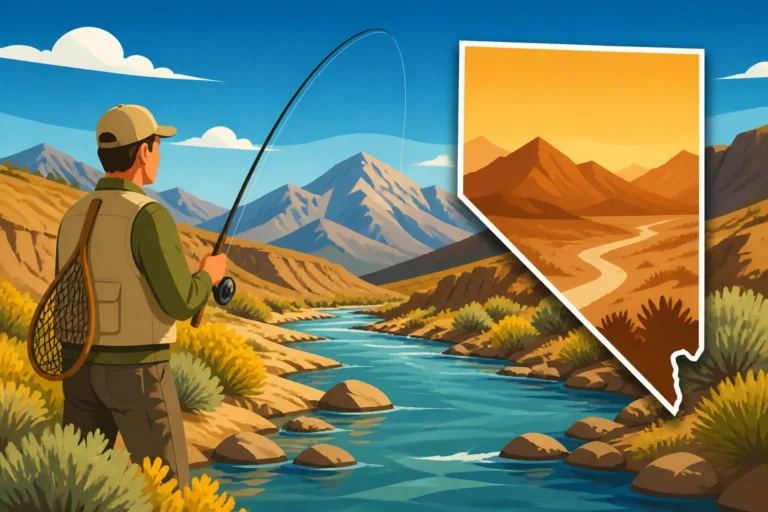
Best fishing lake near Fallon Nevada
Trying to find a fantastic fishing spot near Fallon, Nevada, can feel a bit daunting, especially when you're hoping for clear waters and plenty of action close to home. Many anglers, myself included, have spent countless hours researching or driving around, only to be disappointed. This guide is here to cut through the guesswork, pointing you directly to the prime fishing destination just a stone's throw from Fallon and detailing everything you need to know for a successful outing.
The Premier Fishing Lake Near Fallon, Nevada
When you ask locals or seasoned anglers about the best fishing lake near Fallon, Nevada, one name consistently comes up: Lahontan Reservoir. This expansive body of water, formed by the Lahontan Dam on the Carson River, is not just the closest major fishing destination; it's also a thriving ecosystem that offers a diverse and exciting fishing experience for anglers of all skill levels. It's a true gem of the high desert, providing a much-needed aquatic oasis.
Why Lahontan Reservoir Stands Out
Lahontan Reservoir really is the unsung hero of fishing in the Fallon area. Its sheer size – boasting over 60 miles of shoreline when full – means there’s always a new cove, point, or stretch of water to explore, reducing the feeling of overcrowding that you might find at smaller, more popular lakes. It’s incredibly accessible, just a short drive east of Fallon, making it ideal for a quick morning trip or a full weekend getaway. The reservoir is part of the Lahontan State Recreation Area, offering a mix of developed and primitive camping options for those who want to extend their stay right by the water.
What truly makes Lahontan shine, however, is the consistent action it provides. Unlike some lakes that might be feast or famine depending on the season, Lahontan often delivers, particularly for certain species. It’s a multi-species fishery, meaning you aren’t putting all your eggs in one basket. Whether you're casting from shore, wading in the shallows, or navigating a boat through its vast expanse, the opportunity for a hook-up is generally high. Plus, the scenic backdrop of the Nevada desert, often dotted with wild horses, adds an extra layer of enjoyment to your fishing adventure.
What to Expect When Fishing Lahontan Reservoir
Fishing Lahontan Reservoir offers a truly unique experience that blends traditional angling with the rugged beauty of the Nevada high desert. The reservoir's water levels can fluctuate significantly depending on snowmelt and irrigation demands, which means the landscape and fish patterns can change throughout the year. Always check current conditions before you go, as some boat ramps might be inaccessible during low water periods. Generally, the fishing can be fantastic from spring through fall, though dedicated anglers find success even in the cooler months.
For those who love to fish from a boat, Lahontan provides ample room for trolling, drifting, or anchoring in prime spots. There are multiple boat ramps, including the popular North Shore and Silver Springs access points, making it convenient for launching various watercraft. If shore fishing is more your style, you’ll find plenty of accessible areas, from sandy beaches to rocky outcrops, especially around the main recreation areas. Many anglers find success targeting submerged structures, old river channels, and the mouths of feeder creeks. Remember that the sun can be intense here, so coming prepared with plenty of water and sun protection is crucial. Before heading out, it can be really helpful to check local reports or even consider booking a trip through a platform like FishingBooker to get the most up-to-date insights from seasoned local guides.
Key Fish Species to Target at Lahontan Reservoir
Lahontan Reservoir is renowned for its diverse fishery, boasting several species that provide consistent action and exciting challenges. It's truly a multi-purpose lake, offering something for everyone, whether you're after a quick meal of panfish or a hard-fighting trophy. Understanding what fish are prevalent and their habits can significantly increase your chances of a memorable catch.
Crappie and White Bass: Panfish Paradise
If you're looking for consistent bites and delicious table fare, Lahontan Reservoir's crappie and white bass populations are your go-to. These schooling fish are incredibly abundant and offer fantastic action, especially in the spring and early summer when they move into shallower waters for spawning.
- Crappie: Both black and white crappie thrive in Lahontan's waters. They're typically found around submerged brush, timber, rock piles, and any other structure that offers them cover. In spring, look for them in shallow coves and along protected shorelines. Small jigs (1/32 to 1/8 ounce) tipped with a small plastic grub, tube, or live minnows under a bobber are exceptionally effective. You can often catch a limit of these tasty fish in a relatively short amount of time once you locate a school. They're not just fun to catch; they're incredibly delicious!
- White Bass: These aggressive schooling fish are a blast to catch and are often found chasing baitfish in open water. Look for signs of "boils" or disturbed water where white bass are actively feeding on shad or other small forage. Trolling with small crankbaits, spoons, or casting chrome Kastmasters or Roostertail spinners into schooling fish are highly productive methods. White bass are notorious fighters for their size, providing exhilarating action on light tackle. They also make excellent table fare, though some prefer to bleed them immediately after catching to improve flavor. Finding these schools can be a bit like a treasure hunt, but when you do, the action can be non-stop. If you’re serious about finding these schools, a local guide found on sites like FishingBooker can offer invaluable real-time advice on their current locations.
Wiper and Channel Catfish: The Larger Catches
For anglers seeking a more substantial fight, Lahontan Reservoir doesn't disappoint, offering excellent opportunities for wiper (a hybrid cross between white bass and striped bass) and channel catfish. These species grow to impressive sizes and provide a robust challenge.
- Wiper Hybrid Bass: Wipers are known for their incredible strength and aggressive strikes. They inherit the fighting prowess of both their white bass and striped bass parents, making them a top-tier game fish. They feed heavily on the abundant baitfish in Lahontan, often shadowing schools of shad. Like white bass, wipers can be found chasing bait on the surface, but they also frequent deeper channels, points, and submerged humps. Trolling with larger crankbaits, casting swimbaits, or even using cut bait can entice these hard fighters. Wipers are typically more prevalent in the main lake body and require a bit more effort to locate, but the reward of landing one of these powerful fish is well worth it. You can learn more about their unique characteristics in our guide to Wiper Hybrid Bass Identification.
- Channel Catfish: Lahontan Reservoir is home to a robust population of channel catfish, with many anglers landing fish in the 5-15 pound range, and occasionally much larger. Catfish are typically bottom feeders, making them a great target for bank anglers using conventional bait setups. They are most active during the warmer months, particularly at dawn, dusk, and throughout the night. Popular baits include cut bait (especially shad), chicken livers, nightcrawlers, and various stink baits. Fishing near drop-offs, submerged timber, or the mouths of inflowing rivers where food washes in can be highly productive. Many people find catfishing to be a relaxing yet rewarding experience, often leading to a delicious fresh fish fry. For more in-depth tips, check out our guide on Channel Catfish Fishing in Nevada.
Essential Gear and Techniques for Lahontan Reservoir
Having the right gear and knowing a few key techniques can make all the difference in your Lahontan Reservoir fishing adventure. While you don't need the most expensive equipment, having a setup that matches the conditions and target species will significantly improve your success rate and overall enjoyment.
Recommended Rods, Reels, and Line
Choosing the right rod, reel, and line combination is paramount for tackling the diverse species at Lahontan. You'll want versatility, but also enough specialized gear to handle specific situations.
For crappie and white bass, a light to medium-light spinning rod, around 6 to 7 feet in length, paired with a 1000 or 2000 series spinning reel, is ideal. This setup allows for delicate presentations of small jigs and baits, while still having enough backbone to handle a feisty white bass. For line, 4-6 pound test monofilament or fluorocarbon is excellent for its sensitivity and low visibility, which is often key for these panfish. A quality 6-pound test monofilament offers a good balance of strength and castability for lighter lures.
When targeting the powerful wipers or larger channel catfish, you’ll want to step up your game. A medium to medium-heavy spinning or baitcasting rod, 7 to 8 feet in length, paired with a 3000-4000 series spinning reel or a robust baitcaster, will give you the leverage needed for these stronger fish. For line, 10-15 pound test monofilament or braided line is recommended. Braided line, with its superior strength-to-diameter ratio and lack of stretch, is particularly effective for detecting subtle bites and setting hooks on larger fish from a distance. If you're using braid, consider adding a fluorocarbon leader for abrasion resistance and stealth. Need more detailed advice on selecting your gear? Our Best Fishing Rods for Nevada Lakes guide offers a comprehensive overview.
Baits and Lures That Get Bites
Understanding what baits and lures are most effective for each species is crucial for consistent success at Lahontan. Fish behavior can change with the seasons and water conditions, so it's always good to have a variety on hand.
For crappie, live minnows are hard to beat, fished under a bobber or on a small jig head. Small soft plastic grubs, tubes, and curly-tail jigs in chartreuse, white, or black are also incredibly effective. For white bass, small shiny spoons (like Kastmasters), inline spinners (such as Mepps or Roostertail), and small crankbaits that imitate shad are top producers. Look for them feeding on schools of baitfish and cast directly into the action.
When pursuing wipers, larger swimbaits, lipless crankbaits, and spoons that mimic Lahontan's baitfish (often shad) are excellent choices. Trolling these baits at various depths can help you locate active fish. For channel catfish, the options are plentiful and often smellier! Chicken livers, cut bait (especially pieces of shad or carp), nightcrawlers, and prepared stink baits are perennial favorites. Rig these baits on a bottom rig with an egg sinker or a Carolina rig to keep them near the lakebed where catfish patrol. Many experienced anglers keep a variety of options ready, sometimes relying on live bait and other times trying artificials, depending on the day. For more specific recommendations, our guide on Best Tackle for Nevada Bass Fishing might offer some crossover tips for wipers.
Boating and Shore Fishing Considerations
Lahontan Reservoir offers diverse opportunities for both boaters and shore anglers, each with its own set of considerations to ensure a safe and productive trip.
For boaters, Lahontan is a fantastic lake to explore. With its vast open water, there’s plenty of room for cruising, trolling, and searching for fish. However, the reservoir can get very windy, especially in the afternoons, leading to choppy conditions. Always check the weather forecast before heading out and ensure your boat is equipped with all necessary safety gear, including life jackets for every passenger. Multiple launch ramps are available, but their accessibility can vary with water levels. It's wise to check the Lahontan State Recreation Area website or call ahead for current conditions, especially if you're pulling a larger vessel. Remember that Nevada boat registration is required for most motorized boats; our Nevada Boat Registration and Titling Guide provides all the details you’ll need.
Shore anglers will find numerous spots around the recreation area to cast a line. Sandy beaches, rocky points, and designated fishing areas provide easy access. Popular spots include areas near the dam, the Silver Springs Beach, and the North Shore. When shore fishing, consider bringing a comfortable chair, plenty of water, and strong sun protection. The desert sun can be relentless, even in cooler months. A sturdy rod holder can also be invaluable, especially when bait fishing for catfish or other bottom dwellers. Be mindful of uneven terrain and submerged obstacles, and always pack out everything you pack in to help keep Lahontan beautiful.
Navigating Regulations and Permits
Before you even think about casting a line in Lahontan Reservoir or any other Nevada waterway, it's absolutely crucial to understand the state's fishing regulations. These rules are in place to protect fish populations, ensure fair chase, and guarantee that future generations can enjoy the same incredible fishing opportunities we have today. Ignorance of the law is not an excuse, and penalties for violations can be steep, ranging from fines to license revocation.
Nevada Fishing License Requirements
The most fundamental requirement for fishing in Lahontan Reservoir, just like almost anywhere else in Nevada, is a valid Nevada fishing license. This isn't just a piece of paper; it's your official permission slip to participate in the state's vibrant angling scene and contributes directly to conservation efforts.
Anyone aged 12 and older needs a license. This applies whether you're a resident or a non-resident. You can choose from various license types, including annual licenses, 1-day, 5-day, or 10-day permits, depending on how long you plan to fish. For those visiting for a short trip to Lahontan, a 1-day or 5-day non-resident permit might be the most economical choice. If you live in Nevada and plan to fish regularly, an annual resident license is usually the best value. Getting your license is pretty straightforward – you can purchase one online through the Nevada Department of Wildlife (NDOW) website, or visit a licensed vendor like a sporting goods store or even some Walmarts in the area. Make sure to have it on you, either physically or digitally on your phone, whenever you're out fishing. Our comprehensive Nevada Fishing License Guide walks you through all the ins and outs of getting yours.
Understanding Bag and Size Limits
Beyond just having a license, it's equally important to be aware of and adhere to the specific bag and size limits for each fish species. These limits can vary not only by species but sometimes by specific bodies of water. For Lahontan Reservoir, the general statewide regulations typically apply, but it's always a good practice to consult the most current NDOW Fishing Regulations booklet, which is available online or at license vendors.
The bag limit refers to the maximum number of fish of a particular species you can keep in a single day. The possession limit is usually twice the daily bag limit, referring to the total number of fish you can have in your possession, including those at your home. Size limits, on the other hand, dictate the minimum or maximum length a fish must be to be legally kept. For example, some species might have a slot limit, meaning you can only keep fish within a certain size range, protecting both smaller, immature fish and larger, breeding adults. These regulations are critical for maintaining healthy fish populations and ensuring sustainable fishing for generations to come.
Here's a general idea of common statewide limits for species found in Lahontan Reservoir, but always double-check the current NDOW regulations before you go, as they can change:
| Fish Species | Daily Bag Limit (Statewide General) | Possession Limit (Statewide General) | Size Limit (Statewide General) |
|---|---|---|---|
| Trout (Rainbow, Brown) | 3 | 6 | None (often 10-inch min. in some specific waters, check regulations) |
| Largemouth/Smallmouth Bass | 5 (combined) | 10 (combined) | None (often 12-inch min. in some specific waters, check regulations) |
| White Bass | 25 | 50 | None |
| Wiper Hybrid Bass | 5 | 10 | None |
| Crappie (Black & White) | 25 (combined) | 50 (combined) | None |
| Channel Catfish | 10 | 20 | None |
This table is a general guide. Specific waters or regions might have different rules. For instance, some of the Nevada Urban Pond Fishing Rules can be very specific about size and quantity. Always carry a measuring tape and be prepared to release fish that don't meet the legal requirements. Respecting these limits is a sign of a responsible angler and helps preserve the fantastic fishing Lahontan Reservoir offers.
Disclaimer
The information provided in this guide is for general informational purposes only and is subject to change. Fishing regulations, water conditions, and fish populations can fluctuate. Always consult the most current Nevada Department of Wildlife (NDOW) regulations and local advisories before planning your fishing trip. The author and publisher are not responsible for any inaccuracies or for any outcomes resulting from the use of this information.