Where to fish the East Walker River in Nevada
There's nothing quite like the clear, cold rush of a Nevada river, but sometimes finding truly specific, in-depth information on these lesser-known gems can feel like searching for a needle in a haystack. You've heard whispers about the East Walker River, its wild trout, and challenging but rewarding fishing, yet piecing together the "how-to" can be a real headache. This guide is here to cut through the confusion, offering a detailed roadmap to successfully fish this incredible Nevada waterway.
Discovering the East Walker River Fishery in Nevada
The East Walker River is a true marvel, a testament to Nevada's diverse aquatic landscapes, often overshadowed by the state's larger lakes. For those in the know, however, it represents a premier destination for challenging and immensely satisfying trout fishing. It’s not just another river; it’s an ecosystem known for its vibrant wild trout populations, offering a stark contrast to many of the heavily stocked urban ponds and reservoirs elsewhere in the state.
A Jewel of the Eastern Sierra Runoff
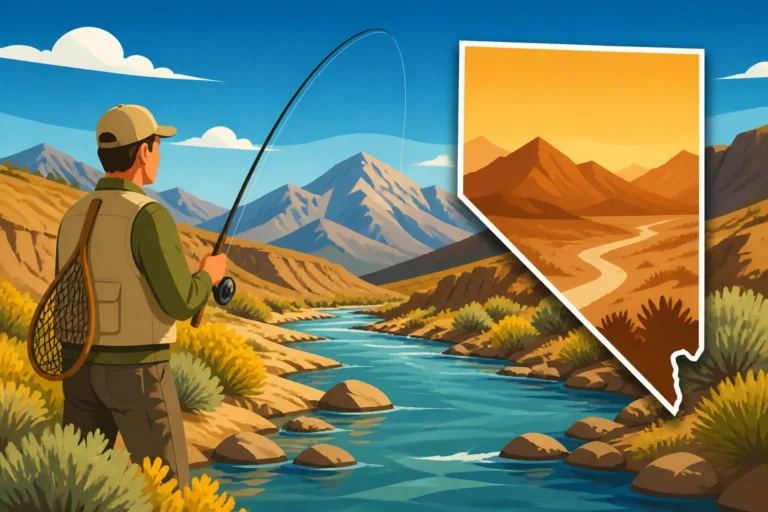
Originating high in the Eastern Sierra Nevada mountains in California, the East Walker River makes its way across the border into Nevada, eventually feeding into Topaz Lake and then continuing its journey downstream. This interstate flow means its character is deeply influenced by the Sierra snowmelt, providing consistent cold, clear water that is ideal for trout. The upper stretches, before it broadens and slows, are classic freestone river environments, full of riffles, runs, and deep pools that provide perfect habitat for wary fish. Anglers often appreciate the raw, untamed feel of the river, a refreshing escape from more manicured fishing spots. The journey of the river itself is part of its allure, carving through high desert landscapes and offering stunning scenic backdrops to your angling adventure.
The Prized Wild Trout Population
What truly sets the East Walker River apart in Nevada is its exceptional population of wild brown and rainbow trout. These aren't your average hatchery-raised fish; they are robust, wary, and hard-fighting specimens that have adapted to their natural environment. Their vibrant colors and strong pulls are a reward for the dedicated angler. While rainbows are plentiful, many experienced anglers specifically target the East Walker for its healthy numbers of beautiful, stream-bred brown trout, which can grow to impressive sizes given the river's rich food sources. Catching a wild brown on the East Walker is often considered a badge of honor among Nevada river anglers. You might also encounter a few cutthroat or hybrid trout, adding to the excitement. The sheer vitality of these fish means that presentation and stealth are often more important here than at other fisheries, making every hook-up a memorable achievement. For those interested in understanding these species better, our comprehensive guide on How to Fish for Trout in Nevada dives deeper into targeting these beautiful fish.
Navigating Public Access Points and Local Hotspots
One of the biggest hurdles when planning a trip to the East Walker River in Nevada is figuring out where you can actually get to the water. A significant portion of the river flows through private property, making well-known public access points invaluable. Knowing these spots is key to a successful and frustration-free fishing trip. Many anglers, myself included, often turn to resources like FishingBooker to scout out potential fishing guides who are intimately familiar with these access points and local nuances, saving precious fishing time.
Key Entry Points for Anglers
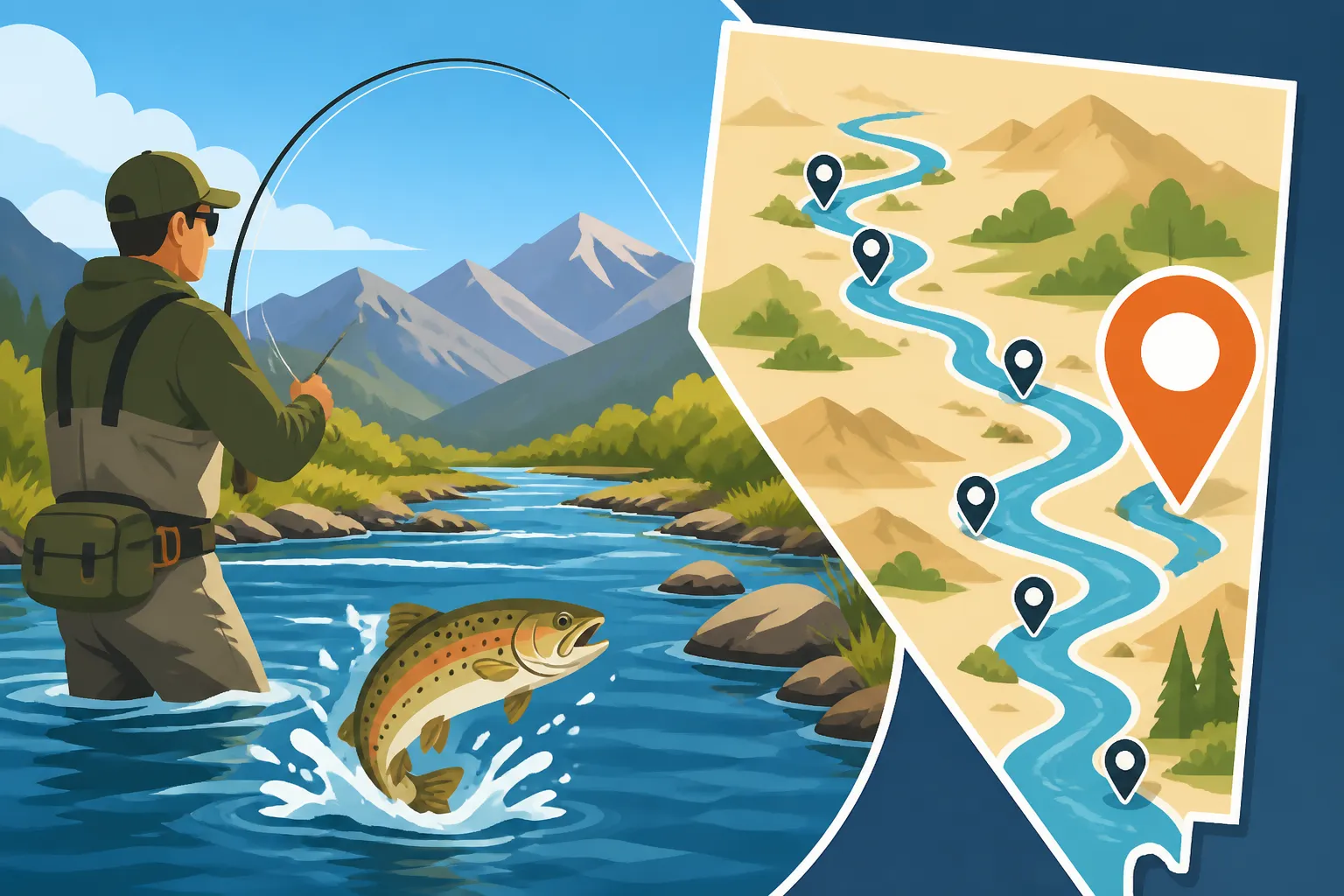
In Nevada, the most popular and accessible stretch of the East Walker River is typically found below Topaz Lake, particularly in the areas managed by the Nevada Department of Wildlife (NDOW) and adjacent public lands. One of the most famous areas is often referred to as "The Elbow" or "Wally's Hot Springs," situated off Highway 395. This area offers a good mix of faster runs and deeper pools, making it highly productive. Another reliable spot is along Sweetwater Road, which parallels sections of the river. Here, you'll find various turnouts and small parking areas that lead to the river. These spots often require a bit of a walk, sometimes through uneven terrain, so come prepared with appropriate footwear. Further downstream, nearer to the town of Yerington, the river changes character, becoming wider and slower, and access can become more challenging due to agricultural lands. Always look for signage indicating public access or consult detailed maps provided by NDOW or local fly shops. These dedicated access points are maintained to ensure anglers can enjoy the river responsibly.
Respecting Private and Tribal Lands
It’s absolutely critical to be aware of land ownership along the East Walker River. Straying onto private property without permission is not only illegal but can also lead to the closure of future public access points. Always pay attention to "No Trespassing" signs, fences, and property markers. When in doubt, err on the side of caution. Furthermore, portions of the East Walker River flow through the Walker River Indian Reservation. Fishing within the reservation boundaries requires a separate tribal fishing permit, which is distinct from a state of Nevada fishing license. You cannot use your Nevada state license to fish on tribal lands. These permits are typically purchased directly from the tribe. Before venturing into these areas, it's wise to contact the Walker River Paiute Tribe for up-to-date information on permit requirements and access rules. Respecting these boundaries and regulations is not just about avoiding legal trouble; it’s about fostering good relationships with landowners and indigenous communities, ensuring these beautiful fishing grounds remain open for future generations.
Mastering Techniques and Tackle for East Walker Success
Fishing the East Walker River effectively requires a thoughtful approach, as its wild trout can be notoriously finicky. Whether you're a seasoned fly angler or prefer the versatility of spin fishing, having the right techniques and tackle in your arsenal will significantly boost your chances of success. The river's dynamic nature means that conditions can change, so adaptability is your best friend.
Essential Fly Fishing Strategies
The East Walker River is, without a doubt, a fly fisher's paradise. Its clear waters and abundance of insect life lend themselves perfectly to various fly fishing techniques. For much of the year, nymphing is king. Techniques like Czech nymphing or a simple indicator rig with two or three small nymphs can be incredibly effective, especially when targeting fish holding in deeper runs and pockets. Popular nymph patterns include Copper Johns, Pheasant Tails, Prince Nymphs, and various stonefly imitations. When hatches occur, dry fly fishing can be phenomenal. Look for caddis, mayflies (like Blue-Winged Olives or Pale Morning Duns), and terrestrials (grasshoppers, ants, beetles) during the warmer months. Matching the hatch precisely can be challenging but immensely rewarding. Streamer fishing can also be highly productive, particularly for larger brown trout. Stripping streamers like Woolly Buggers, Sculpzillas, or articulated patterns through deeper pools and undercut banks can entice aggressive strikes. Remember, precise casting and subtle presentations are often key, as the water can be quite clear. For an even deeper dive into this technique, check out our article on Fly Fishing in Nevada.
Effective Spin Fishing Approaches
While fly fishing often takes center stage, spin anglers can absolutely find success on the East Walker River. The key is to mimic the natural food sources and present your lures subtly. Small spinners, such as Mepps or Panther Martins in sizes #0 to #2, are perennial favorites. Colors like gold, silver, or black with red dots can be highly effective, especially when cast upstream and retrieved at a speed that just keeps the blade turning. Small spoons, like Kastmasters or Little Cleos, can also work well, especially in deeper pools where their erratic flutter can tempt larger fish. Soft plastics, such as small grub tails or trout worms rigged on light jig heads, are another excellent option, offering a subtle presentation that can fool cautious trout. When using live bait, remember that the East Walker often has special regulations concerning bait, with many sections being "artificial lure and fly only" or "barbless hook" enforced. Always check current regulations before heading out. Regardless of your chosen lure, light line (4-6 lb test fluorocarbon or monofilament) is crucial due to the clear water, and a sensitive rod will help detect subtle bites.
Seasonal Considerations for Peak Action
Understanding the rhythm of the East Walker River through the seasons is paramount for consistent success.
- Spring (March-May): As snowmelt begins, the river can run high and cold. However, as flows stabilize, spring brings excellent nymphing opportunities and the first significant hatches of aquatic insects. This is a prime time for active trout.
- Summer (June-August): Water levels typically drop, and temperatures rise, especially in the afternoons. Early mornings and late evenings are often the most productive. Terrestrial patterns become important, and fish may move into deeper, cooler pockets. Strong sun protection is vital.
- Fall (September-November): Many consider fall to be the absolute best time to fish the East Walker. Water temperatures are ideal, insect activity remains strong, and brown trout become highly aggressive as they prepare for spawning. Streamer fishing can be particularly effective during this period.
- Winter (December-February): Access can be challenging due to snow and ice, but for the brave angler, winter offers opportunities for large, lethargic trout in slower, deeper pools. Nymphing with heavier patterns is usually the most productive method.
For a comprehensive breakdown of when different species are most active, consult our detailed guide on Nevada Fishing Seasons by Month.
| Tackle Type | Recommended Use | Key Lure/Fly Examples | Special Considerations |
|---|---|---|---|
| Fly Fishing | Nymphing (year-round) | Copper John, Pheasant Tail, Prince Nymph, Stonefly imitations | Dead drift, precise depth control |
| Dry Fly (hatches) | Caddis, BWO, PMD, Hoppers, Ants | Match the hatch, delicate presentation | |
| Streamers (fall, large fish) | Woolly Bugger, Sculpzilla, articulated patterns | Strip retrieve, target deep cover | |
| Spin Fishing | All-around | Mepps, Panther Martin (sizes #0-2) | Cast upstream, steady retrieve |
| Deeper Pools | Kastmaster, Little Cleo (1/8-1/4 oz) | Erratic retrieve, let it flutter | |
| Subtle Presentation | Small grub tails, trout worms (light jig head) | Slow retrieve, bounce off bottom |
Understanding Regulations and Conservation Efforts
Fishing the East Walker River, like any cherished natural resource, comes with a responsibility to understand and adhere to local regulations. These rules are put in place not to make your life harder, but to protect the fishery and ensure its health for future generations. Ignoring them can lead to hefty fines and impact the delicate ecosystem.
Nevada Fishing License and Endorsement Details
First and foremost, you absolutely need a valid Nevada fishing license to fish the East Walker River in its state-managed sections. This isn't an option; it's a legal requirement for anyone aged 12 and older. You can purchase your license online through the Nevada Department of Wildlife (NDOW) website, at authorized license agents like many sporting goods stores, or at some marinas. The type of license you need (resident vs. nonresident, annual vs. short-term) will depend on your residency status and the duration of your trip. For those visiting Nevada, a Nevada 1-Day Fishing Permit Details or even an annual nonresident license might be suitable depending on your plans. Often, anglers will also need to purchase an additional trout stamp or other specific endorsements, which helps fund trout stocking and habitat improvement projects. It's always a good idea to check the most current Nevada Fishing License Cost Breakdown before you go. Remember, ignorance of the law is not an excuse.
Specific Rules and Catch Limits for the East Walker
The East Walker River is often managed with special regulations that differ from statewide general fishing rules. These are designed to protect its unique wild trout populations and enhance the angling experience. Common special regulations for sections of the East Walker in Nevada include:
- Artificial Lures and Flies Only: Many stretches prohibit the use of live bait, focusing on catch-and-release and minimizing impact.
- Barbless Hooks Required: This regulation greatly improves the survival rate of released fish. If your hooks have barbs, you can easily pinch them down with a pair of pliers. This is a common requirement in quality trout fisheries, as detailed in Nevada Barbless Hook and Bait Rules.
- Catch and Release Only: Some sections are strictly catch-and-release, meaning all fish must be immediately returned to the water unharmed.
- Reduced Bag Limits or Slot Limits: Even in sections where harvest is allowed, limits might be more restrictive than the general Nevada statewide trout daily limit, or there might be specific size windows (slot limits) for fish that can be kept. For instance, you might be able to keep fish under a certain size or over a certain size, but not in between.
These specific rules are usually posted at access points and are detailed in the current Nevada Fishing Regulations booklet, which you can typically pick up wherever licenses are sold or view online through the NDOW website. Always consult the latest edition of the regulations before each trip, as rules can change annually. Fishing in the East Walker River is a privilege, and adhering to these rules is crucial for its long-term health and the continued enjoyment of all anglers.
Disclaimer
The information provided in this guide is for general informational purposes only and is subject to change. Fishing regulations, license requirements, and access rules can vary and are updated periodically by the Nevada Department of Wildlife (NDOW) and other governing bodies. Always consult the most current official Nevada fishing regulations booklet or the NDOW website before planning your trip to ensure compliance. It is the angler's responsibility to understand and follow all applicable laws and regulations.