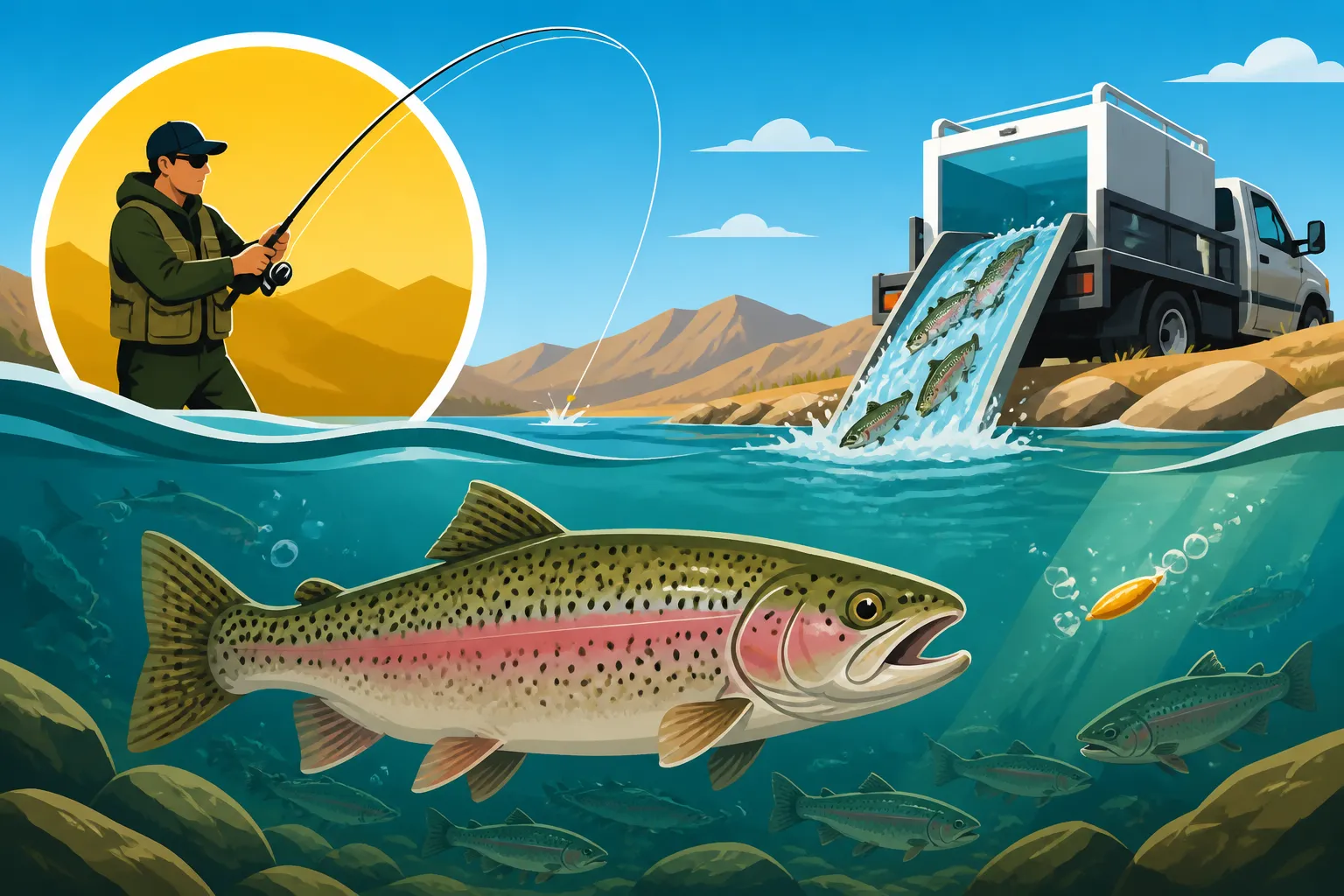
How to fish for trout right after stocking
It's a common scenario, isn't it? You hear the good news that your favorite local pond or reservoir just received a fresh delivery of trout from the Nevada Department of Wildlife (NDOW), and you head out with high hopes, only to find the fish aren't biting like you expected. Many anglers assume newly stocked trout are practically jumping onto the hook, but anyone who's been out there knows it's not always that simple. This guide will walk you through the nuances of fishing for trout right after they've been stocked, helping you understand their immediate behavior and providing proven techniques to increase your chances of a successful outing.
Understanding Trout Stocking in Nevada
When NDOW trucks pull up to the water's edge and release thousands of eager trout, it's a game-changer for anglers across the Silver State. However, understanding what happens in those first few hours and days is crucial to turning those stocking reports into actual fish in your cooler or on your line.
The "Dumb" Trout Myth and Reality
There's a widespread belief that freshly stocked trout are "dumb" and easy to catch because they've primarily been fed pellets in a hatchery environment. While it's true they often haven't encountered natural predators or traditional angling presentations, this doesn't mean they're entirely clueless. The reality is a bit more complex.
These hatchery-raised trout are suddenly thrust into a vast, new environment with different water temperatures, oxygen levels, and food sources. They can be disoriented, stressed, and even cautious initially. Some will readily take familiar-looking baits, while others will be too overwhelmed to feed immediately. Thinking they're always easy can lead to frustration when your usual tactics aren't working. The key is to be adaptable and understand their immediate post-stocking reactions.
Immediate Post-Stocking Behavior
Imagine being dropped into a brand-new city after living your whole life in a small, predictable home. That's essentially what happens to these trout. When first released, they often school together as a defense mechanism, trying to orient themselves. You might see them cruising near the surface or along the banks close to where they were introduced.
Their feeding behavior in these initial hours can be opportunistic. They might investigate anything that looks like their accustomed pellets or something easy to catch. However, as the initial shock wears off, they'll start to explore, disperse, and become a bit warier. Some will head for deeper water, others might find structure along the shoreline. For this reason, targeting them right as they are getting accustomed to their new home, often means thinking about presentation and offering something enticing that stands out in the new environment. Places like the Las Vegas urban ponds, including the popular Floyd Lamb Park Fishing Ponds or Sunset Park Fishing Pond, see frequent stockings, making them ideal places to observe and adapt to these behaviors.
Essential Gear and Bait for Freshly Stocked Trout
You don't need a boatload of fancy equipment to catch stocked trout, but having the right tools can make a significant difference. Focusing on light tackle and appealing baits is usually the winning combination.
The Right Rod, Reel, and Line Setup
For stocked trout, a light to ultra-light spinning rod and reel combo is ideal. This setup allows for casting lighter baits and lures, and the sensitive rod tip will help you detect the often subtle bites of these fish.
- Rod: Look for a spinning rod between 5.5 and 7 feet long with a fast action and light or ultra-light power. This provides enough backbone to fight a decent trout but is still sensitive enough to feel those delicate taps.
- Reel: A small spinning reel (size 1000 or 2000) that balances well with your rod is perfect. It should have a smooth drag system, which is vital for preventing line breaks when a feisty trout makes a run.
- Line: Spool your reel with 4 to 6-pound test monofilament or fluorocarbon line. Monofilament is more forgiving due to its stretch and easier to tie knots with, while fluorocarbon is nearly invisible underwater and more abrasion resistant. Some anglers prefer a light braided line with a fluorocarbon leader for maximum sensitivity, but for beginners, mono or fluoro straight to the reel is perfectly adequate. Having the right line can make all the difference, and you can find excellent options on Amazon.
Tried-and-True Baits and Lures
This is where you can really shine. Stocked trout often respond well to a variety of presentations, but some are perennial favorites for a reason. Check out our guide on the Best Bait for Nevada Trout for more specific recommendations.
- PowerBait: This is the undisputed champion for stocked trout. Its scent, vibrant colors, and buoyant nature make it irresistible.
- Colors: Chartreuse, rainbow, pink, and white are consistently effective. Don't be afraid to experiment!
- Types: PowerBait comes in dough, nuggets, and even molded forms. The dough allows you to shape it around your hook, ensuring it floats just off the bottom.
- Presentation: Pinch off a small piece, about the size of a dime or a small marble, and mold it into a teardrop or ball shape around a treble or single hook. The goal is for the bait to float, lifting your hook off the bottom and into the trout's strike zone.
- Corn: Yes, plain old canned corn! Its bright yellow color and slightly sweet scent can be surprisingly effective, especially in clear water. Use a few kernels on a small hook.
- Salmon Eggs: Real or artificial salmon eggs are a classic. The natural look and scent can be very appealing. Rig one or two on a small hook.
- Worms: A small piece of nightcrawler or a whole red worm can be deadly. Trout are natural predators, and a wiggling worm is an easy meal. Thread it onto a small hook, leaving the ends free to wiggle.
- Small Lures: When trout are more active, small inline spinners like a Mepps Aglia or a Rooster Tail in sizes #0 to #2 are excellent. Spoons like a Kastmaster or Little Cleo in 1/8 to 1/4 ounce can also be very effective, especially in silver, gold, or flashy colors. Mini-jigs (1/32 to 1/16 ounce) in white, black, or grub patterns are another great option, especially if you're targeting fish holding in deeper pockets or around structure. You can often find great multi-packs of these effective lures at competitive prices on Amazon.
Essential Terminal Tackle
Beyond your main line, a few small items will complete your rig and ensure you're ready for action. Our guide to the Best Tackle for Nevada Trout Fishing offers further insights.
- Hooks: Small, sharp hooks are crucial. Size 8, 10, or 12 baitholder hooks (with barbs on the shank to hold bait) or treble hooks (for PowerBait dough) are common choices.
- Sinkers: A few split shot sinkers or small egg sinkers are all you need to get your bait down. Avoid anything too heavy, as it can spook the fish.
- Bobbers: Both fixed bobbers and slip bobbers have their place. A fixed bobber is great for shallow water, allowing you to suspend your bait at a consistent depth. A slip bobber is better for deeper water, as it slides freely up and down the line, stopping at a pre-set depth.
- Swivels: Small barrel swivels or snap swivels (size 10-14) can prevent line twist, especially when using inline spinners, and allow for quick lure changes.
Techniques for Maximizing Your Catch Right After Stocking
Now that you're geared up, let's talk about how to present your offerings to those fresh trout. Patience and adaptability are your best friends here.
Bottom Fishing with Scented Baits
This is arguably the most consistent method for freshly stocked trout, especially in lakes and ponds where they often settle to the bottom or cruise just above it. The idea is to present a buoyant bait that floats tantalizingly off the bottom, directly in their line of sight.
The classic setup is a "Carolina Rig" style for trout:
- Line an Egg Sinker: Slide a small egg sinker (1/8 to 1/4 ounce) onto your main line.
- Add a Swivel: Tie a small barrel swivel to the end of your main line. This stops the sinker and prevents line twist.
- Attach a Leader: Tie a 12-to-18-inch leader of 4-pound fluorocarbon or monofilament to the other end of the swivel.
- Tie on a Hook: At the end of the leader, tie on your small hook (size 8 or 10).
- Bait Up: Mold a small ball of PowerBait around your hook, ensuring the hook point is fully covered or barely exposed. You want it to float.
Cast your rig out and let it settle. The sinker will hold your line on the bottom, but the PowerBait will float up, resembling a suspended treat. This presentation is highly effective because trout, especially newly stocked ones, often hug the bottom as they adjust to their new surroundings. The scent trail from PowerBait is a powerful attractant, drawing in curious fish. Be patient; sometimes it takes a while for them to find it.
Fishing Under a Bobber
Fishing with a bobber is not just for kids; it's a highly effective and visual way to catch stocked trout, particularly when they are actively cruising or suspended at certain depths. It’s also a fantastic way to learn How to fish for trout with a bobber effectively.
- Fixed Bobber Setup: For shallower water (under 5-6 feet), a small fixed bobber is easy to use. Attach it to your line, then tie on a small split shot weight about 6-12 inches above your hook.
- Slip Bobber Setup: For deeper water or when you need to cast further, a slip bobber is superior. Thread your line through the bobber, then tie on a bobber stop at your desired depth. Add a small split shot or two above your hook to help the bait sink.
Baiting and Depth:
Under a bobber, you can use PowerBait, corn, salmon eggs, or a small piece of worm. Experiment with your depth. Start by setting your bait to hang a foot or two off the bottom. If you see fish activity higher in the water column, adjust your bobber to suspend your bait accordingly. Often, a slight breeze will create a gentle drift, moving your bait slowly and naturally through the water, which can entice bites from cruising fish. Observing other anglers' success (respectfully, of course) can also give you clues about the best depth on a particular day.
Active Lure Presentation
While bait fishing is often king for freshly stocked trout, don't underestimate the power of a well-presented lure, especially as the fish become more accustomed to their environment. Lures can trigger an aggressive strike response that bait sometimes can't.
- Inline Spinners: Cast a small inline spinner (like a Mepps or Rooster Tail) out and retrieve it at a steady, moderate pace. The blade's flash and vibration are highly attractive. Vary your retrieve speed until you find what the fish are looking for. Sometimes a slow, steady retrieve is best; other times, a quick retrieve with a few pauses can trigger strikes. You can often pick up versatile spinner kits on Amazon.
- Small Spoons: Cast out a small spoon (Kastmaster, Little Cleo) and let it flutter down a bit before starting your retrieve. Spoons imitate small baitfish and their erratic wobble can be very effective. Try a "lift and drop" retrieve, letting the spoon flutter on the fall, or a steady retrieve with occasional jerks.
- Jigs: Mini-jigs can be fished several ways. You can cast them out and retrieve them with a slow, twitching motion, mimicking an injured insect or small minnow. Alternatively, if you suspect fish are holding deeper, you can vertical jig them from a boat or pier, gently lifting and dropping the rod tip to make the jig dance.
The key with lures is to be active and experiment. Change colors, sizes, and retrieve styles until you find what works. These fish often haven't seen lures before, so the novelty can be a big draw.
Reading the Water and Adjusting Your Approach
Fishing isn't just about casting; it's about observing and adapting. Especially when targeting freshly stocked trout, paying attention to your surroundings can dramatically improve your success.
- Look for Activity: Watch the water's surface for any signs of fish. You might see boils, splashes, or even fish jumping, indicating where they are feeding or congregating. Also, keep an eye out for other anglers catching fish – see if you can discreetly observe their methods, bait choices, or casting distances.
- Observe Depth: If you're not getting bites on the bottom, try fishing shallower with a bobber. If surface activity slows, they might have moved deeper. Don't be afraid to change your setup if one isn't producing.
- Change Baits/Lures: If one color or type of bait isn't working, switch it up. What was effective an hour ago might not be now. Sometimes, a subtle change from PowerBait to a small worm can make all the difference. Keep an array of options readily available in your tackle box.
- Stealth: Remember that these fish are still adjusting. Heavy footsteps on the bank or loud noises can spook them, especially in shallower waters. Approach quietly and try to stay out of their direct line of sight.
Post-Stocking Success: Tips and Etiquette
Making the most of a stocking day involves more than just your tackle; it's about timing, location, and respecting the resource and your fellow anglers.
Timing and Location
Getting to the water at the right time can give you a significant advantage. Trout are often most active during the cooler parts of the day – early morning and late afternoon/evening – especially when they are newly introduced.
- Arrive Early: If you know a stocking has occurred, getting there right at dawn the next day, or even shortly after the stocking truck leaves (if permitted), can be highly beneficial. These fish are still somewhat disoriented and haven't yet been heavily pressured by anglers.
- Stocking Locations: Pay attention to where the stocking truck usually pulls up or where NDOW tends to release fish. These areas often remain hotspots for a day or two as the fish acclimate. In smaller urban ponds, the fish often disperse quickly, but initially, they might stick close to the drop-off points. Consider checking the Nevada Trout Stocking Schedule to plan your trips.
- Target the "New" Water: Freshly stocked trout are often found in areas they were released into, or they might move to the nearest cover or deeper water. If you're at a pond like Lorenzi Park Fishing Pond, focus on areas near the access points or any submerged structure.
- Consider the Crowds: Stocking days can bring out a lot of anglers. Patience and good etiquette are crucial. Give others space and try not to cast over their lines.
Handling Your Catch and Regulations
Before you even make your first cast, it's paramount to be familiar with the local fishing regulations. The Nevada Department of Wildlife sets specific rules to ensure sustainable fishing, and these apply to stocked trout as well.
- Nevada Fishing License Guide: Always ensure you have a valid fishing license. This is a non-negotiable requirement for anglers aged 12 and older. You can learn How to Get a Fishing License in Nevada easily online or at various vendors. Also, check out our guide on Nevada Youth Fishing License Rules to know the specifics for younger anglers.
- Bag and Size Limits: Stocked trout generally fall under statewide or specific water body regulations for trout. This means there's a daily limit on how many fish you can keep (your "bag limit") and sometimes a minimum or maximum size (your "size limit"). For example, many urban ponds might have a specific daily limit of 3-5 trout. You should always consult the official Nevada Fishing Regulations Explained booklet or NDOW website before you go, as regulations can change.
- Catch and Release: If you're not planning to keep your fish, practice proper catch and release techniques. Minimize handling, use barbless hooks (or pinch down barbs), and release the fish quickly and gently, especially in warmer water conditions. While many stocked trout are intended for harvest, responsible angling helps maintain healthy fisheries.
A day spent fishing for freshly stocked trout in Nevada can be incredibly rewarding. By understanding their behavior, using the right gear and techniques, and respecting the rules and your fellow anglers, you're set for a fantastic experience on the water.
| Bait/Lure Type | Best for Stocked Trout | Preferred Rigging | Key Advantages |
|---|---|---|---|
| PowerBait | Highly Recommended | Carolina Rig, Bobber Rig | Buoyant, Scented, Visual Appeal |
| Corn | Recommended | Bobber Rig, Split Shot Rig | Natural look, subtle scent, cheap |
| Salmon Eggs | Recommended | Bobber Rig, Split Shot Rig | Natural, strong scent, small size |
| Nightcrawlers | Highly Recommended | Split Shot Rig, Bobber Rig | Natural movement, strong scent |
| Inline Spinners | Recommended (active fish) | Cast & Retrieve | Flash, vibration, triggers aggressive strikes |
| Small Spoons | Recommended (active fish) | Cast & Retrieve, Lift & Drop | Wobble, flash, imitates baitfish |
| Mini-Jigs | Good (deeper/active fish) | Slow Retrieve, Vertical Jig | Subtle, imitates small prey |
Disclaimer
The information provided in this guide is for general informational purposes only. Fishing regulations, stocking schedules, and local conditions in Nevada can change frequently. Always consult the official Nevada Department of Wildlife (NDOW) website or their current fishing proclamation before heading out to ensure you have the most up-to-date information on licenses, limits, and specific water body rules. Staying informed is crucial for a legal and enjoyable fishing experience.