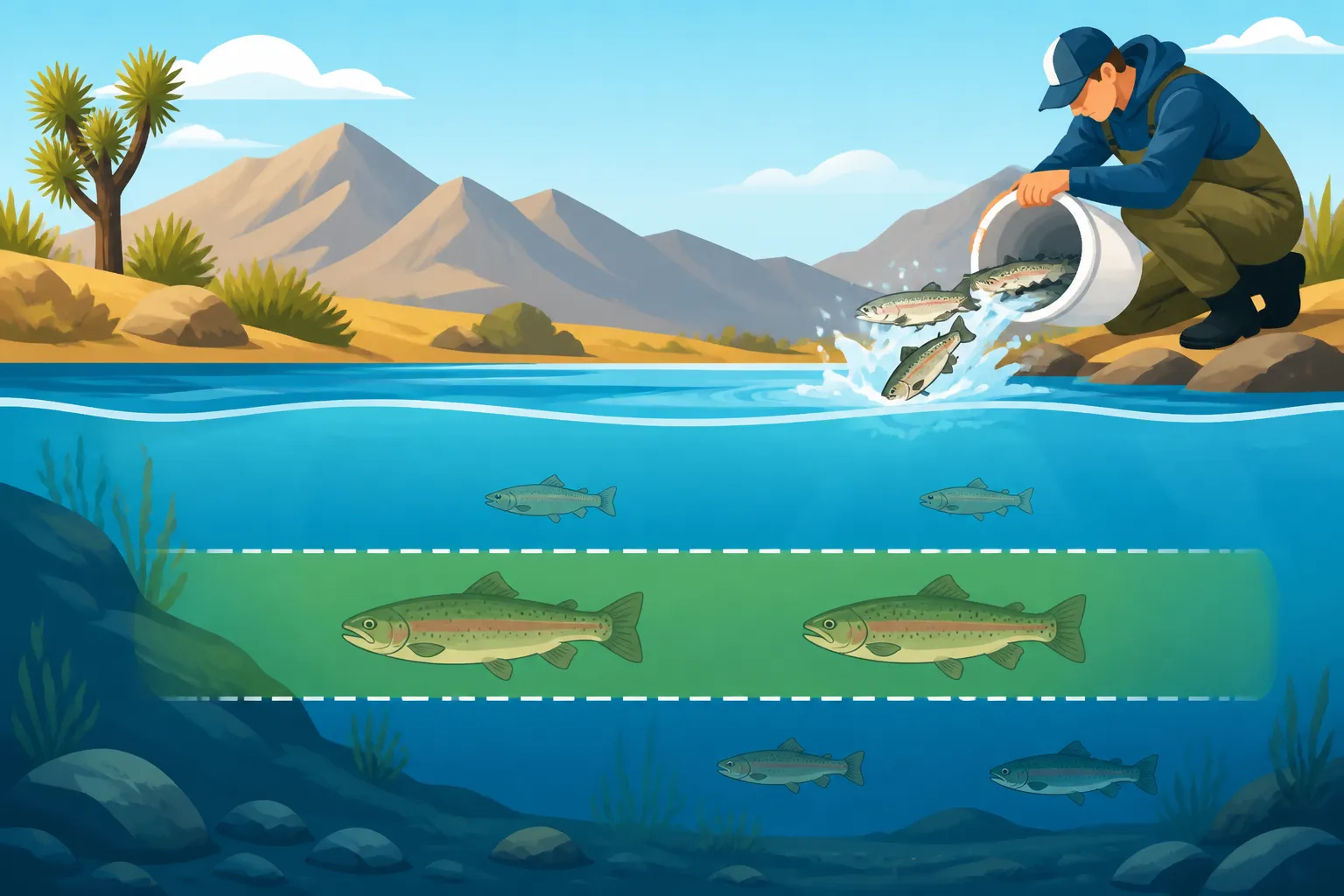
Best pond depth to target right after stocking
It’s incredibly frustrating, isn't it? You hear the Nevada Department of Wildlife (NDOW) has just stocked your favorite local pond with eager trout, and you rush out there, only to find yourself wondering: where in the world did they all go? You know they're there, but actually getting a bite can feel like a guessing game. This guide is all about demystifying that immediate post-stocking period, helping you understand where freshly introduced fish tend to congregate and how to adapt your strategy to find them quickly.
Understanding Post-Stocking Fish Behavior
When a fresh batch of fish, especially trout, is introduced into a new environment like a community pond, they don't just immediately disperse and start acting like seasoned residents. They've just been through quite an ordeal—transported from a hatchery, handled, and then released into unfamiliar water. Their initial reactions are driven by survival instincts, and understanding these can be your biggest advantage.
The Initial Shock and Disorientation
Imagine being picked up from your home and dropped into a strange new place; you'd be a little disoriented, right? Fish experience something similar. Hatchery-raised trout are used to a consistent, controlled environment. When they hit a natural pond, the sudden change in water chemistry, temperature, light, and the sheer openness can be a big shock. They might be temporarily stunned, or at the very least, a bit overwhelmed by their new surroundings. This initial disorientation means they aren't immediately thinking about feeding or exploring vast areas.
Instead, their first instinct is often to find safety and recover from the stress. They might swim erratically for a bit, or simply hold still in place until they get their bearings. This period can last anywhere from a few minutes to an hour or two, depending on the individual fish and the conditions of the release. It's why sometimes, right after a stocking, you might see them swimming near the surface or along the banks before they settle into a pattern.
Seeking Comfort and Cover
Once the initial shock wears off, the overriding instinct for these newly released fish is to find comfort and safety. Comfort usually means stable water temperatures and adequate oxygen, while safety means shelter from potential predators, both avian (birds) and larger fish already present in the pond. They're looking for places that feel secure, where they can blend in and not feel exposed.
This often leads them to areas with submerged structures like weeds, logs, rocks, or even man-made features like docks or culverts. These spots offer visual breaks, making them feel less vulnerable. They might also seek out subtle depressions in the bottom or areas where the water is slightly cooler or holds more oxygen, which is often near springs or inlets. These "safe zones" are goldmines for anglers immediately after a stocking.
Instinctive Schooling and Movement
Another crucial aspect of post-stocking behavior is the tendency for these fish to school up. They've been raised in crowded hatchery raceways, constantly surrounded by thousands of their brethren. When released, they don't suddenly become solitary creatures. Instead, they often stick together in tight groups, relying on the safety in numbers that they've always known. This schooling behavior can make them easier to target once you find one, as chances are, many others are nearby.
Their movement patterns, especially in the first few hours or even a day, are usually less about actively hunting and more about reacting to their environment. They might move along the shoreline, following contours or looking for pockets of calm water. As they become more accustomed to their new home, they will start to spread out, but those first few hours are critical for catching them while they're still in these dense, somewhat predictable schools near their release point or initial comfort zones. Understanding this schooling can help you maximize your catch once you locate them.
Key Depths to Target Immediately After Stocking
Given their initial disorientation and desire for safety, recently stocked fish tend to favor very specific depths and areas within a pond. It's not usually about finding the deepest hole right away; it's about comfort, cover, and proximity to where they were introduced.
The Shallow Water Attraction
Believe it or not, a lot of newly stocked trout will hang out in surprisingly shallow water right after being released. Why? Often, they are released from a truck directly into the water near the shoreline. Their first instinct isn't to dive deep but to explore the immediate surroundings and seek out the closest available cover. This means the 2 to 5-foot depth range, especially near the banks where they were introduced, can be incredibly productive. They’ll mill about, getting used to the light levels, the new sounds, and the scent of the water.
They might stay in these shallows for a few hours, or even a day, before venturing into deeper water. This makes them highly accessible to bank anglers, even kids who are just learning. When you see new fish boiling at the surface or darting along the edge, that's your cue to focus your efforts close to shore. Don't be afraid to cast within just a few feet of the bank—you might be surprised how close they are.
The Importance of Structure
Within these shallow zones, the presence of structure becomes paramount. Just like humans prefer a comfy chair over standing in an open field, fish feel safer and more secure when they have something to hide behind or around. Look for any kind of natural or artificial structure near the shoreline in that 2-5 foot depth range. This could include submerged brush, fallen trees, large rocks, weed beds, or even the shadows cast by docks or bridges. These spots provide immediate refuge from predators like osprey, herons, or larger resident fish, and also offer a sense of security while they acclimatize.
Fish will often "stack up" against these structures, providing excellent ambush points for anglers. If you're fishing a pond like those in Las Vegas, such as Floyd Lamb Park, these structures might be readily visible. Pay close attention to any irregularities along the bottom or shoreline; these are the places where newly stocked fish will instinctively gather. Often, the fish are less concerned with feeding aggressively right after stocking and more concerned with surviving, so having a safe spot is key.
Deeper Edges and Drop-offs
While shallow, structured areas are often the initial hotspots, stocked fish won't stay there indefinitely, especially as they get used to their surroundings or if fishing pressure becomes too intense. After a few hours, or by the next day, some will start to migrate towards slightly deeper water, often along the first significant drop-off or edge they encounter. This might be a transition from a shallow flat to a 6-10 foot depth, or a channel that cuts through a shallower area. These "edges" serve as highways for fish, allowing them to move between shallow feeding grounds and deeper, safer holding areas.
These slightly deeper edges also offer more stable temperatures and often better oxygen levels during the warmer parts of the day. If the initial shallow bite slows down, or if the sun gets high and bright, probing these immediate drop-offs can be very effective. This requires a bit more finesse, perhaps a weighted setup that allows your bait to sink efficiently along the contour. Thinking about the natural progression from "shock and cover" to "exploring and feeding" helps guide your depth selection.
Factors Influencing Depth Selection
The "best" depth isn't static; it's a dynamic calculation based on a few key environmental factors. While the initial post-stocking behavior pushes fish shallow, external conditions will quickly dictate how long they stay there or where they move next.
Water Temperature and Oxygen Levels
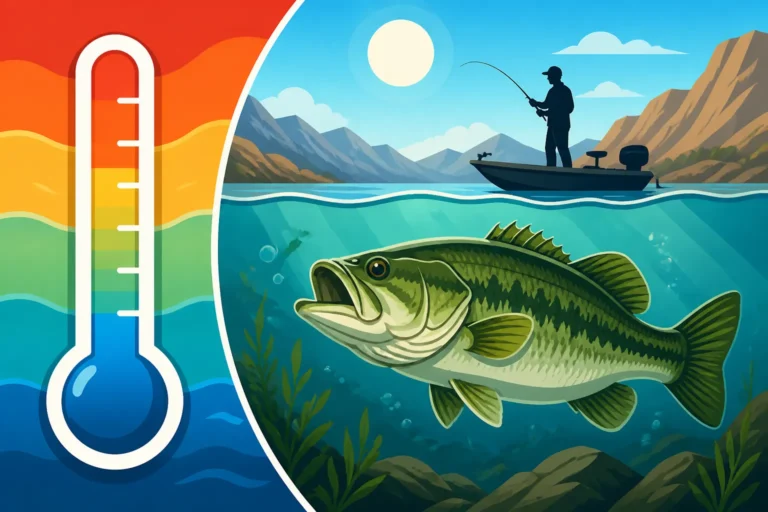
Temperature and oxygen are paramount for fish comfort. Hatchery trout are often raised in cooler, well-oxygenated water. When they are stocked, if the pond water is significantly warmer or has lower oxygen levels, they will seek out areas that most closely mimic their preferred conditions. In Nevada's often warm climate, this usually means slightly deeper water where temperatures are more stable and oxygen is less depleted by surface heat. However, right after stocking, their stress levels might make them less sensitive to minor temperature variations.
Conversely, in colder months, newly stocked fish might stay shallower longer, especially if the shallow water warms up slightly under direct sunlight. Fish are cold-blooded, so their metabolism is directly tied to water temperature. Understanding the Best water temperature for trout fishing can give you a significant edge. Using a portable fish finder with a temperature gauge, or even a simple thermometer, can help you locate those thermal comfort zones, which trout often prefer.
Time of Day and Weather Conditions
The time of day and prevailing weather also play a huge role in where fish position themselves. In the early morning or late evening, or on overcast days, fish might feel more comfortable lingering in shallower water, even those without heavy cover. The reduced light penetration makes them feel less exposed to aerial predators, and the cooler ambient temperatures can keep shallow water more appealing. These are often the prime times to capitalize on the initial shallow bite.
As the sun climbs higher and the day gets brighter and warmer, especially in the Nevada desert, fish will typically retreat to deeper, shadier, or more structured areas. Intense sunlight can make them feel vulnerable and raise water temperatures to uncomfortable levels in the shallows. On very windy days, fish might move to the calmer, lee side of the pond or hug the bottom to avoid being tossed around. Conversely, a gentle ripple on the surface can break up light and make fish feel safer in shallower water. Keeping an eye on the Nevada fishing hours before sunrise and after sunset can help you plan your trips.
Predator Pressure and Cover Availability
The presence of predators is a huge stressor for newly stocked fish. Ponds often host a variety of predators, including larger, established fish like bass or catfish, as well as birds like ospreys, cormorants, and herons. If a newly stocked pond has significant predator pressure, the trout will quickly learn to seek out the densest available cover or deeper water to evade being eaten.
This means those areas with submerged trees, thick weed beds, or sudden drop-offs become even more critical. If an area lacks substantial cover, the fish are more likely to disperse quickly into deeper water. Therefore, assessing the available cover and the potential for predation—even just observing birds circling overhead—can provide clues about where the fish are hiding. When targeting these fish, especially if there's high predator activity, using a stealthy approach and presenting your bait close to cover is key.
Practical Techniques for Targeting Stocked Fish
Once you have a good handle on where newly stocked fish might be hiding, it's time to put that knowledge into action. The right rigging, bait, and presentation can make all the difference in turning a fishless day into a successful one, especially when you're dealing with fish that might still be a little skittish.
Rigging for Shallow Success
When fish are holding in shallow water, a simple, sensitive setup is often best. A light-action spinning rod paired with 4-6 pound test monofilament or fluorocarbon line is ideal. For rigging, a slip bobber or a fixed bobber setup is incredibly effective. The bobber allows you to suspend your bait at a precise depth, typically 2-5 feet, right where those fish are cruising. A small split shot or two, just enough to get your bait down, is usually all you need. The goal is to keep your presentation as natural and unobtrusive as possible.
Alternatively, a simple bottom rig with a small egg sinker (1/8 to 1/4 ounce) and a short leader (12-18 inches) can also work well, especially if the fish are hugging the bottom in slightly deeper areas or near structure. The key is to use smaller hooks, typically sizes 10-14, as hatchery trout often have smaller mouths and are used to smaller food pellets. For a solid all-around choice, checking out some Best Fishing Rods for Nevada Lakes on Amazon could be a good starting point for your arsenal.
Lure and Bait Choices
Newly stocked trout are often quite willing to bite, but they might be conditioned to certain foods. PowerBait, in various colors and forms (dough, nuggets, atomic teasers), is almost always a top contender. Rainbow, chartreuse, or even white are popular colors. Salmon eggs, corn, and small worms (like mealworms or red worms) are also highly effective natural baits that mimic what they might encounter or what they're accustomed to. For something easily accessible, a pack of PowerBait from Amazon can be a lifesaver.
If you prefer lures, small inline spinners (like a Panther Martin or a Mepps Aglia), spoons (like a Kastmaster or Little Cleo), or tiny jigs (1/32 to 1/16 ounce) with a small grub or worm trailer can entice bites. These lures should be fished slowly, allowing them to flutter and enticingly present themselves to fish that may not be actively chasing. The key is to match the hatch, so to speak, but also leverage their curiosity and opportunistic feeding. Our guide on Best Bait for Nevada Trout goes into more detail.
Stealth and Presentation
Remember that newly stocked fish are often stressed and easily spooked. Stealth is paramount, especially when targeting them in shallow water. Avoid stomping loudly on the bank, wearing bright clothing, or making sudden movements that could cast shadows over the water. Approach the water quietly and observe for a few minutes before making your first cast.
Your presentation should be gentle and precise. Cast beyond your target area and slowly retrieve your bait into the zone, rather than plopping it directly on top of the fish. If using a bobber, allow the ripples from your cast to dissipate before the bobber settles. If using a bottom rig, a gentle cast that results in a soft entry into the water is best. Multiple casts to the same exact spot can also be very effective, as the repeated presentation can eventually pique their interest. Consider your technique as part of a broader strategy, which you can learn more about in How to Fish for Trout in Nevada.
Optimal Depth Table for Stocked Ponds
To give you a quick reference, here’s a table summarizing the optimal depths and strategies for fishing recently stocked ponds in Nevada.
| Time Since Stocking | Primary Depth Range | Conditions | Recommended Approach | Key Gear |
|---|---|---|---|---|
| 0-6 Hours | 2-5 feet (shallow) | Disoriented, seeking immediate cover near release point, often schooling. | Light tackle, bobber rig or small split shot. Focus on shorelines, visible structure. | PowerBait, salmon eggs, small worms, light line, small hooks. |
| 6-24 Hours | 3-8 feet (shallow to mid) | Acclimating, might be moving to first drop-offs, still favoring cover. | Bobber rig, bottom rig with light sinker. Explore near structure and initial depth breaks. | PowerBait, worms, small spinners, small jigs, slightly heavier line for deeper water. |
| 1-3 Days | 5-10+ feet (mid-depth) | More dispersed, active feeding, but still seeking comfort; influenced by sun/temp. | Bottom rigs, trolling (if allowed/possible), casting spoons/spinners. Focus on drop-offs, channels. | Variety of baits/lures, fish finder if available, heavier sinkers for deeper presentations. |
| Bright Sunny Days | Deeper edges, shade, structure. | Fish retreat from intense light and heat. | Focus on shaded areas, deeper sections of pond. Slow retrieves. | Darker lures, natural baits, patience. |
| Overcast/Cloudy | More willing to stay shallow. | Reduced light, cooler temperatures. | Target shallow areas, active retrieves with lures. | Brighter lures, active presentations. |
Disclaimer
Fishing conditions and regulations in Nevada can change. Always consult the latest Nevada Department of Wildlife (NDOW) regulations before heading out. This guide provides general information and recommendations, but local rules, specific pond conditions, and fish behavior can vary. Ensure you have the proper Nevada Fishing License Guide before casting a line.