Best technique for catching stocked trout in a small pond
It's incredibly exciting to head out to a local pond, especially with kids, hoping to reel in some feisty trout. But let's be honest, sometimes it feels like those recently stocked fish vanish into thin air the moment your line hits the water, leaving you wondering if you're doing something wrong. You've got the gear, you've got the bait, but the bites just aren't coming, and that can be a real buzzkill. This guide is here to walk you through the most effective techniques for catching stocked trout in smaller Nevada ponds, turning those frustrating outings into successful, smile-filled adventures.
Understanding Your Quarry: The Stocked Trout Mindset
Before we even talk about hooks and bait, let's take a moment to understand what makes a stocked trout tick. These aren't your wild, wary trout that have been evading predators and expertly foraging for years in pristine streams. Stocked trout, for the most part, are hatchery-raised, accustomed to a very different kind of life. This difference is your biggest advantage.
Hatchery Habits vs. Wild Instincts
Think about it: most stocked trout have spent their entire lives in a confined environment, being fed a steady diet of fish pellets. They're used to food appearing regularly, often in high concentrations, and they typically don't have to work hard for it. Their world has been one of predictable feeding times and minimal threats. When they're released into a new pond, they're suddenly in an open, vast (to them) environment with natural food sources they might not recognize and predators they've never encountered. This transition can make them a bit disoriented and, initially, very opportunistic.
Their feeding habits are still largely driven by what they know – those pellets. While they will eventually adapt to eating natural forage like insects, worms, and small baitfish, their initial instinct is often to go for something easy and familiar. This is why certain baits that mimic their hatchery diet are so incredibly effective right after stocking. They're not "smarter" fish; they're simply responding to ingrained habits. This understanding is the foundation of successful stocked trout fishing.
How Stocking Affects Behavior
Immediately after stocking, trout can be a bit stressed and scattered. They might hold in tight schools, or they might spread out quickly, exploring their new surroundings. Many will cruise the banks, looking for easy food. They're often in a feeding frenzy mode initially, especially if they haven't been fed right before release. However, as the days pass and fishing pressure increases, they can become a bit more wary. This means that the techniques that work on day one might need slight adjustments by day five or six.
It's also worth noting that the time of year and water temperature play a huge role. In Nevada's urban ponds, stocking usually occurs when water temperatures are cooler, typically in the fall, winter, and spring. This is when trout are most active and comfortable. As temperatures rise in summer, trout become lethargic and seek deeper, cooler water, which can make them much harder to catch. Keeping an eye on the local Nevada Trout Stocking Schedule can give you a major leg up, as fresh fish are often the easiest to tempt.
Essential Gear for Small Pond Trout Fishing
You don't need a boatload of fancy, expensive equipment to catch stocked trout in a small pond. In fact, keeping it simple is often the best approach, especially if you're just starting out or taking kids along. The key is having reliable, easy-to-use gear that lets you present your bait effectively.
Rods, Reels, and Line: Simplicity is Key
For small pond fishing, a lightweight spinning rod and reel combo is perfect. A rod between 5 to 7 feet long with a light to medium-light action will give you enough sensitivity to feel those subtle trout bites and enough backbone to handle a decent-sized fish. Paired with a small spinning reel (size 1000-2500), you'll have a balanced setup that's easy to cast and retrieve. Don't worry about breaking the bank; many affordable Best Rod and Reel Combo for Beginners options available on platforms like Amazon will serve you well.
As for line, 4 to 6-pound monofilament or fluorocarbon is usually ideal. Monofilament is a great all-around choice: it's affordable, easy to tie knots with, and has a bit of stretch, which can be forgiving when a trout strikes hard. Fluorocarbon is less visible underwater and has less stretch, offering more sensitivity, but it's typically more expensive. Either will work wonderfully for pond trout. Avoid anything too heavy, as trout can be line-shy, especially in clear water.
Terminal Tackle: The Small Details That Matter
Your terminal tackle – the bits and pieces at the end of your line – makes all the difference. Again, think simple and effective.
- Hooks: Size 8 or 10 single bait holder hooks are perfect for most trout baits. They're small enough for a trout's mouth but strong enough to hold a struggling fish. When it comes to the Best Hook Size for Stocked Trout, smaller is often better.
- Sinkers: Small split shot sinkers are your best friend. You'll want an assortment of sizes, from BB to 7-shot. These allow you to adjust how quickly your bait sinks and how it behaves in the water.
- Bobbers: A small, sensitive bobber (sometimes called a float) is invaluable, especially for suspending your bait at a certain depth. Spring-clip bobbers are easy to attach and adjust.
- Swivels: Small barrel swivels (size 10-14) can help prevent line twist, especially if you're using spinning lures. A small snap swivel can also make changing lures quicker and easier.
Having a small tackle box with a good selection of these items, readily available at sporting goods stores or online, will cover nearly all your small pond trout fishing needs.
Top Baits and Lures for Stocked Trout
This is where the rubber meets the road! Knowing what to offer these hatchery-raised fish is paramount. While they'll sometimes hit natural offerings, their conditioned appetites lean towards specific types of food.
The Power of Scent and Color: Dough Baits and Pellets
Hands down, one of the most effective baits for stocked trout is artificially scented dough bait. Brands like PowerBait (from Berkeley) are incredibly popular for a reason: they work! These baits are designed to mimic the pellets trout are fed in hatcheries, and they often come in vibrant colors (chartreuse, orange, rainbow) and strong scents that attract fish from a distance. The key characteristic of many PowerBait formulas is that they're buoyant, meaning they float off the bottom, presenting your bait above weeds and debris, right at a trout's eye level.
To use these, simply pinch off a small piece, roll it into a ball, and thread it onto your hook, making sure to cover the hook point. Then, attach a small split shot or two about 12-18 inches above your hook to get it down to the desired depth. This technique, often called a "Carolina rig" variation for trout, keeps your bait floating tantalizingly just off the bottom. It's truly one of the Best Bait for Nevada Trout, especially for newly stocked fish.
Natural Offerings: Worms and Corn
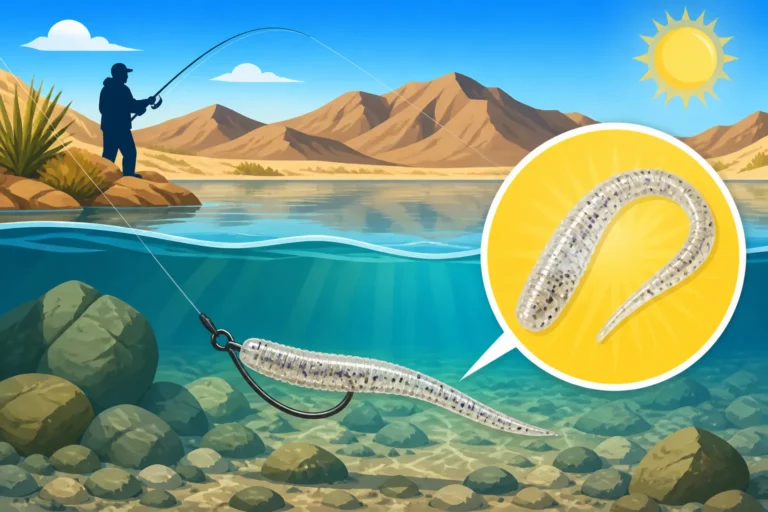
Don't underestimate the power of classic natural baits either. A good old earthworm, whether a garden worm or a nightcrawler, is irresistible to many fish, including trout. Worms provide natural scent and movement, and while stocked trout might not be accustomed to them, their primal instincts often kick in. Thread a small piece of worm onto your hook, letting the ends dangle for maximum wiggling action.
Another surprisingly effective bait is canned corn. Yes, the stuff you eat! Its bright yellow color and slight sweetness seem to appeal to stocked trout, perhaps because it vaguely resembles their pellets. Use just a few kernels on a small hook. Some anglers even combine corn with a small piece of worm for a "cocktail" bait. These natural options are often very effective a few days after stocking, once the initial pellet-craze has subsided a bit.
Small Lures and Flies: Active Fishing
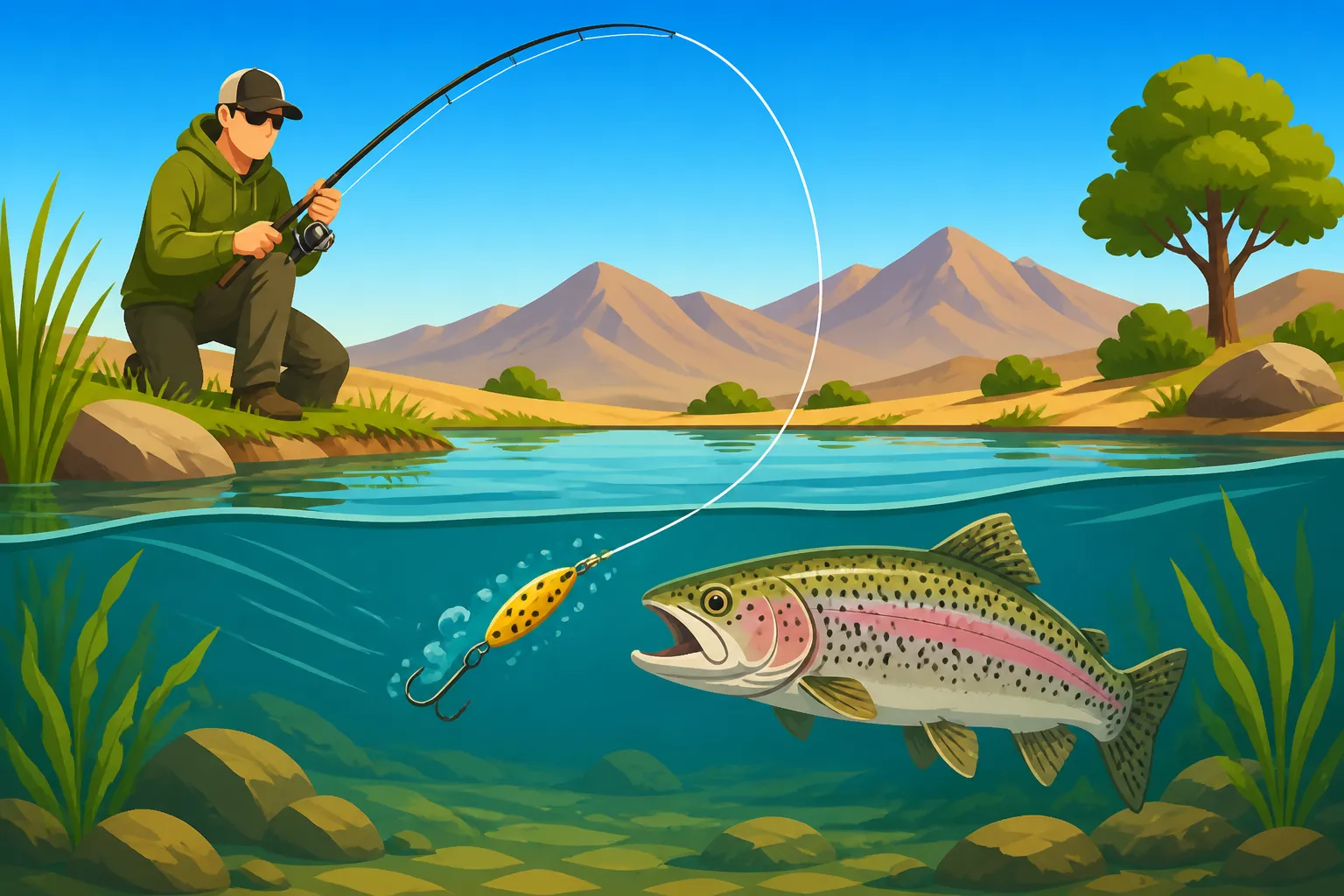
If you prefer a more active style of fishing, small spinning lures and flies can be incredibly productive. For lures, try small inline spinners (like Mepps or Rooster Tail) or tiny spoons (such as Kastmasters or Little Cleos) in sizes from 1/16 to 1/8 ounce. These lures imitate small baitfish or insects and their flash and vibration can trigger aggressive strikes. Always check local regulations regarding treble hooks; some Nevada ponds might require single, barbless hooks.
Fly fishing can also be excellent for stocked trout, even in small ponds. Small wet flies, nymphs, or even tiny streamers that mimic insects or minnows can be deadly. If you're a fly angler, consider patterns like Woolly Buggers, Pheasant Tail Nymphs, or San Juan Worms. The trick is often to retrieve them slowly, mimicking natural movement. The key is to match the hatch, or at least offer something the trout perceive as an easy meal.
Mastering Presentation: How to Get the Bite
Having the right bait or lure is only half the battle; how you present it to the trout is equally crucial. Even the hungriest stocked trout can ignore a poorly presented offering.
Still Fishing with Bait: The Patient Approach
For most bait anglers, still fishing is the go-to technique in a small pond. This involves casting your bait out and letting it sit. The key here is proper rigging and patience.
- Bottom Fishing with Buoyant Baits: As mentioned, if you're using PowerBait or similar buoyant dough baits, use a small split shot or egg sinker about 1-2 feet above your hook. Cast it out and let it settle on the bottom. The bait will float up, leaving your hook suspended right in the trout's strike zone. This is a fantastic method because it keeps your bait visible above any underwater vegetation or debris.
- Under a Bobber: This is a classic method, especially great for kids. Attach a bobber to your line, then add a split shot and your baited hook a foot or two below it. The bobber suspends your bait at a consistent depth. Experiment with depth until you start getting bites. Often, stocked trout cruise just a few feet below the surface. A sensitive bobber will dip or dance dramatically when a trout takes the bait, making it easy to know when to set the hook. This method is fantastic for targetting areas where you've seen fish rise or where the water isn't too deep.
No matter which still fishing method you choose, use a lightweight rod holder or simply lay your rod down carefully, keeping an eye on your line or bobber. Wait for a solid bite before setting the hook. Trout can sometimes "mouth" the bait before fully committing.
Active Lure Fishing: The Hunter's Strategy
If you're using lures, you'll be actively casting and retrieving. This technique covers more water and can trigger aggressive strikes from fish that might ignore stationary bait.
- Casting and Retrieving Spinners/Spoons: Cast your small spinner or spoon out, let it sink for a few seconds (adjusting for depth), and then begin a slow to medium retrieve. The key is to find a retrieve speed that makes the lure wobble, flash, and pulsate enticingly. Experiment with pauses and twitches; sometimes a sudden stop can trigger a follow-up strike. Vary your retrieve throughout the water column – sometimes trout are deeper, sometimes they're near the surface.
- Fly Fishing Techniques: For fly anglers, a slow retrieve of a weighted nymph or streamer along the bottom, or stripping a larger streamer like a Woolly Bugger, can be highly effective. If you see trout rising, try a dry fly presentation, but be aware that stocked trout often feed subsurface. Presentation is critical in fly fishing; making your fly look like a natural, easy meal is the goal.
Remember, trout in small ponds often school up, so if you catch one, chances are there are more in the same area. Keep working that spot!
Timing and Location: When and Where to Find Success
Even in a small pond, trout aren't everywhere all the time. Understanding their typical movements and feeding windows can dramatically increase your chances of success.
Best Time of Day and Season
For stocked trout in Nevada's small urban ponds, the cooler months are prime time. Fall, winter, and spring, when water temperatures are comfortably chilly for trout, are when you'll find them most active. As summer approaches and water temperatures rise, trout become stressed and less active, often seeking refuge in deeper, cooler water or near any available springs or inlets. During these warmer periods, fishing during the very early morning or late evening hours can be more productive.
Throughout the cooler seasons, trout are often most active during the morning hours, shortly after sunrise, and again in the late afternoon into early evening. These are typically cooler periods, and trout will often move into shallower water to feed. However, if the pond has just been stocked, the fish might be active all day as they adjust and look for food. Staying informed about your local "Nevada Trout Stocking Schedule" is your best bet for knowing when the freshest, most eager fish are in the water.
Where to Focus Your Efforts in a Small Pond
Even a seemingly uniform pond will have prime fishing spots. Learn to "read the water" to identify where trout might be holding.
- Near the Stocking Point: This might sound obvious, but often, especially right after stocking, trout will linger near where they were released. They might not have ventured far yet. While it's not always ethical or sporting to cast directly into a freshly stocked school, gradually working the areas around the stocking point can be very productive.
- Structure and Cover: Trout, even stocked ones, appreciate cover. Look for submerged logs, rock piles, weed beds, docks, or even shaded areas under trees. These spots offer refuge from predators and brighter sunlight, and they often attract baitfish and insects, providing a natural food source as the trout acclimate. In the Las Vegas area, ponds like those at Floyd Lamb Park and Sunset Park often have some form of structure or bankside vegetation that creates good cover.
- Inlets and Outlets: If the pond has a small stream or pipe feeding into it (an inlet) or draining out of it (an outlet), these can be hotspots. Inlets often bring in cooler, oxygenated water and sometimes natural food. Outlets can be ambush points for trout looking for food washing out of the pond.
- Points and Drop-offs: Any points of land jutting into the water, or areas where the bottom depth changes suddenly (a "drop-off"), are natural congregation points for fish. Trout will often cruise along these depth changes, moving between shallower feeding grounds and deeper holding areas.
By combining the right gear, effective bait, and smart presentation with an understanding of trout behavior and prime locations, you'll be well on your way to a successful day of catching stocked trout in Nevada's small ponds. Don't be afraid to experiment, and most importantly, enjoy the process!
Essential Tips for Success and Ethical Angling
Catching stocked trout can be a blast, but a few additional tips can help you be even more successful and ensure you're a responsible angler.
Experimentation and Observation
One of the biggest mistakes anglers make is sticking to one technique when it's not working. If the fish aren't biting on PowerBait near the bottom, try a worm under a bobber. If lures aren't getting strikes, switch to bait. Change colors, retrieve speeds, and depths. Trout can be finicky, and what worked yesterday might not work today. Pay close attention to what other anglers are doing if they're having success. Are they using a different bait? Fishing a different depth? Don't be afraid to ask friendly questions!
Also, observe the water itself. Are there any rises on the surface indicating fish feeding on insects? Are there any small baitfish darting around? These observations can give you clues about what the trout are currently eating or where they might be holding. The Best Time of Day to Fish in Summer Heat might require you to target deeper, cooler water, for instance.
Handling and Releasing Fish Safely
While many stocked trout are destined for the dinner table, some anglers practice catch and release, especially if they're just fishing for sport or are above their daily limit. If you plan to release fish, proper handling is crucial for their survival.
- Minimize Handling: Try to handle the fish as little as possible. If you can, remove the hook while the fish is still in the water.
- Wet Hands: Always wet your hands before touching a trout. Dry hands can remove the fish's protective slime coat, making it susceptible to disease.
- Support the Fish: If you need to lift the fish for a photo or hook removal, support its body horizontally, especially near its belly and tail. Avoid holding it vertically by the jaw or gill plates, which can cause internal damage.
- Quick Hook Removal: Use needle-nose pliers or a de-hooking tool to quickly and carefully remove the hook. If the fish is deeply hooked, it's often better to cut the line as close to the hook as possible than to cause further injury trying to extract it.
- Revive Before Release: Gently hold the fish in the water, facing into a mild current if available, until it swims away under its own power. Don't just toss it back; make sure it's strong enough to survive.
Practicing ethical angling ensures a healthy fishery for everyone to enjoy.
Regulations and Permits
Even for simple pond fishing, always be aware of the local rules and regulations. This includes knowing the statewide bag limits for trout, any special regulations for the specific pond you're visiting (e.g., barbless hooks only, artificial lures only), and, of course, ensuring you have a valid Nevada Fishing License Guide. Kids need a license too, once they reach a certain age, so be sure to check the Nevada Youth Fishing License Rules. Ignoring these rules can lead to fines and penalties, which nobody wants! You can usually find a comprehensive guide to all the rules on the Nevada Department of Wildlife (NDOW) website or at licensed vendors.
By following these tips, you'll not only increase your chances of catching more stocked trout but also contribute to a positive and sustainable fishing experience for all. Tight lines and happy fishing!
Disclaimer
This article is for general informational purposes only and does not constitute professional advice. Laws, prices and regulations vary by location and change over time. Consult a qualified professional for guidance on your specific situation.