Nevada 2026 fishing regulation changes
It's incredibly frustrating when you're trying to plan your fishing trips in advance, only to find yourself wondering if the rules you know today will still apply tomorrow. Nobody wants to be caught off guard by a new regulation, especially when it comes to something as important as fishing licenses or daily limits. This guide aims to demystify the process of how fishing regulations change in Nevada and tell you exactly what to expect (or not expect) for 2026, so you can stay informed and focused on landing that next big catch.
Understanding Nevada's Fishing Regulation Cycle
When you're trying to figure out what fishing regulations might look like two years down the road, it's easy to feel like you're staring into a crystal ball. But the truth is, fishing regulations aren't set on a whim. They follow a very specific, deliberate cycle orchestrated by the Nevada Department of Wildlife (NDOW). This process is designed to be thorough, taking into account scientific data, public input, and the long-term health of Nevada's aquatic ecosystems.
It’s not like they just wake up one morning and decide to change the daily limit on trout. There's a whole lot of discussion, research, and community involvement that goes into every single tweak. This structured approach, while sometimes feeling a bit slow from an angler's perspective, is actually crucial for ensuring that changes are well-considered and truly beneficial for both the fish and the fishing community.
The Role of the Nevada Department of Wildlife
The Nevada Department of Wildlife (NDOW) is the primary agency responsible for managing the state's fish and wildlife resources, and that includes setting all fishing regulations. Their mission isn't just about providing recreational opportunities, but also about conservation and sustainable management. They employ biologists, wardens, and other specialists who monitor fish populations, habitat health, and angler impact across the state. This scientific foundation is the backbone of any proposed regulation change. For instance, if they notice a decline in a particular fish species in certain waters, they might propose a reduced bag limit or a change in season dates to help that population recover. Conversely, if a fishery is thriving and can support more pressure, they might consider loosening some restrictions.
They regularly publish detailed information on their website and in their annual fishing guides, which are essential reading for any angler. If you're ever in doubt about the current rules, that's your go-to source. They are also the ones who handle the process of getting a fishing license in Nevada, so they are truly at the heart of everything related to angling in the state.
How Regulations Are Proposed and Approved
The process for changing fishing regulations is quite formal and involves several steps, emphasizing transparency and public participation. It usually starts with NDOW staff identifying a need for a change based on biological surveys, angler reports, or emerging conservation concerns. Once a proposal is drafted, it goes through an internal review before being presented to the Nevada Board of Wildlife Commissioners.
The Commissioners, who are appointed volunteers representing different regions and interests, then review the proposals. This is where the public gets its chance to weigh in. There are public workshops and meetings held where anglers and other stakeholders can express their opinions, provide feedback, and even suggest alternative solutions. This public comment period is vital, as it allows NDOW to gauge community sentiment and refine proposals based on real-world experiences. After considering all input, the Commissioners vote on the proposed changes. If approved, the new regulations are then formalized and included in the next fishing season's guide. This entire cycle typically takes place over several months, often concluding in the late fall or early winter for regulations that will take effect the following calendar year or season.
For instance, the regulations you'll follow in 2024 were likely finalized in late 2023. Knowing this timeline is key to understanding why specific 2026 changes aren't public knowledge yet. NDOW is typically working on the next year's regulations, not two years out.
What to Expect for Nevada 2026 Fishing Regulations
If you're looking for a definitive list of "Nevada 2026 fishing regulation changes" right now, you're likely going to come up empty-handed. As of early 2024, the Nevada Department of Wildlife (NDOW) has not announced any specific regulation changes for the 2026 fishing season. This isn't unusual; regulatory bodies typically operate on a closer timeline, focusing on the immediate upcoming season.
Think about it this way: NDOW is constantly monitoring fish populations, environmental conditions, and angler feedback. Planning regulations too far in advance would be like trying to predict the weather three years from now – there are simply too many variables that could change. They need to be adaptable and responsive to current conditions. So, while it's frustrating not to have a clear picture so far out, it's also a sign of a robust and responsible management system.
No Official Changes Announced Yet
It's important to set realistic expectations here. Currently, any talk of specific 2026 changes would be pure speculation. NDOW usually releases its official fishing proclamation and regulation booklet in the late fall or early winter prior to the calendar year the regulations will cover. This means we would likely not see official 2026 regulations until late 2025.
This timeline allows the department to collect the most up-to-date scientific data from their field surveys throughout the current fishing season. They can assess spawning success, fish health, water levels, and angler catch rates right up until the point where they need to make decisions for the next year. It also gives them time to incorporate any significant public input received throughout the year. So, if you're planning a trip far in advance, your best bet for now is to familiarize yourself with the current Nevada Fishing Regulations Explained, as these are the rules that will likely remain in effect until formal changes are announced.
Common Types of Regulation Changes
While specific 2026 changes aren't known, we can look at historical trends to understand the types of changes that are most commonly implemented. These often fall into categories aimed at protecting fish populations, improving fishing quality, or adapting to environmental shifts.
Here's a breakdown of what often gets reviewed and adjusted:
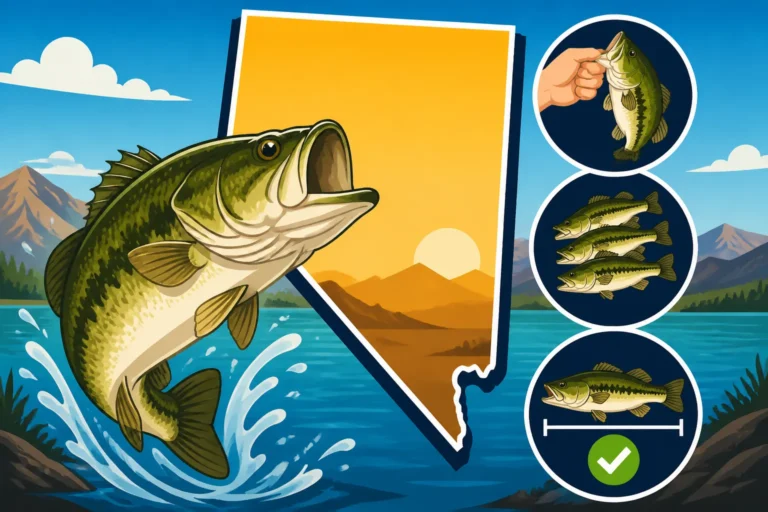
- Bag Limits: This is perhaps the most frequent change. Daily limits or possession limits for certain species (like trout or bass) might be adjusted up or down based on population health. For example, if a lake has a booming rainbow trout population due to successful stocking, the daily limit might be temporarily increased. Conversely, a declining population could lead to a stricter limit.
- Size Restrictions: Minimum or maximum size limits are put in place to protect juvenile fish or ensure enough trophy-sized fish remain for breeding. Sometimes, slot limits are introduced, meaning only fish within a certain size range can be kept, protecting both the smallest and largest (often prime breeders). You see this often with Lahontan Cutthroat Trout in waters like Pyramid Lake.
- Season Dates: While many Nevada waters are open year-round, specific seasons for certain species or locations can be altered. This might be to protect fish during spawning periods or to allow for recovery after environmental stress.
- Gear Restrictions: Changes might occur regarding what kind of bait or lures are allowed, or whether barbless hooks are required in certain areas. These are often implemented for conservation, particularly in catch-and-release fisheries, to minimize harm to fish.
- Special Regulations for Specific Waters: Certain lakes, rivers, or reservoirs might have unique rules due to their specific ecological conditions or the presence of sensitive species. These localized regulations are often the most dynamic, as they respond directly to conditions in that particular body of water. For example, changes at Lake Tahoe Nevada Fishing License Rules often revolve around protecting the unique Mackinaw trout fishery.
Keeping an eye on these categories when the new regulations eventually drop will help you quickly spot the most relevant changes for your favorite fishing spots and target species.
Where and When to Find 2026 Regulation Updates
Knowing when and where to look for official updates is crucial for any angler who wants to stay on the right side of the law. You don't want to rely on hearsay or outdated information, as the penalties for fishing violations can be significant. NDOW makes a concerted effort to distribute this information widely, but it's up to us, the anglers, to seek it out.
Even if you're just planning to fish one of the Nevada urban pond fishing rules, it's worth checking the regulations every year. The small details can sometimes make a big difference.
Official NDOW Channels
The absolute best and most reliable place to find the official 2026 Nevada fishing regulations will be directly from the Nevada Department of Wildlife (NDOW). They are the source of truth for all things related to hunting and fishing in the state.
Here’s where you should check:
- NDOW Website: This is your primary resource. Typically, in the late fall (around November or December) leading into the new year, NDOW will publish the updated fishing proclamation or regulation booklet for the upcoming season. For 2026, expect to see updates in late 2025. You can usually find a dedicated section for "Fishing Regulations" or "Proclamations."
- Printed Regulation Booklets: NDOW distributes physical copies of their fishing regulation booklets to license vendors across the state, including sporting goods stores like Cabela's and Bass Pro Shops, as well as many smaller tackle shops and even some convenience stores. These are usually free and contain all the crucial information in a handy, portable format. Grab one when they come out, even if you prefer digital, because having a physical copy can be very useful when you're out on the water without cell service.
- Email Newsletters and Social Media: NDOW often sends out email notifications to subscribers and posts updates on their social media channels (Facebook, X/Twitter, etc.) when new regulations are released or significant changes are being considered. Signing up for their newsletter is a proactive way to ensure you don't miss important announcements.
- Public Meetings: As mentioned earlier, NDOW holds public meetings and workshops during the regulation proposal and approval process. While you might not attend all of them, these are where potential changes are first discussed openly. Keeping an eye on NDOW's public meeting schedule can give you an early heads-up on what might be coming.
Relying on these official sources is the only way to guarantee you have accurate and current information.
Projected Timeline for 2026 Regulation Release
While NDOW hasn't set an exact date for the release of the 2026 regulations, we can predict the general window based on their historical patterns.
Here's a typical timeline:
| Stage of Regulation Process | Estimated Timeframe for 2026 Regulations | What Happens |
|---|---|---|
| Initial Discussions/Proposals | Early to Mid-2025 | NDOW biologists and staff begin identifying potential areas for regulation changes based on data from the previous year's fishing season and ongoing research. |
| Internal Review & Drafts | Mid-2025 | Proposals are refined, legal language is drafted, and initial impact assessments are made. |
| Public Comment Period & Board Meetings | Late Summer – Early Fall 2025 | Draft regulations are presented to the Nevada Board of Wildlife Commissioners. Public hearings and workshops are held to gather angler feedback. This is a critical time for your voice to be heard! |
| Final Approval by Commissioners | Fall 2025 | The Board of Wildlife Commissioners votes on the proposed changes, typically at a meeting in October or November. |
| Official Publication | Late Fall / Early Winter 2025 | The finalized 2026 Fishing Proclamation and Regulation Booklet are printed and published online. This is when the official "Nevada Fishing Regulations Explained" will be fully updated. |
| Effective Date | January 1, 2026 | The new regulations officially take effect for the calendar year. |
This table illustrates that any concrete information regarding 2026 changes is still quite a way off. Until then, continue to follow the current regulations and use this time to brush up on your skills or explore new areas. For example, understanding Nevada Statewide Bag Limits Explained based on current rules will prepare you for any future adjustments.
Preparing for Future Regulation Shifts
While we can't predict the exact changes for 2026, being a prepared angler means understanding that regulations are dynamic. They will change over time, and a proactive approach ensures you're never caught off guard. This isn't just about avoiding fines; it's about being a responsible steward of Nevada's natural resources and ensuring great fishing for generations to come.
Being ready for changes means staying informed, adapting your gear, and sometimes even adjusting your mindset about how you fish certain waters. It’s all part of the angling adventure.
Staying Informed and Engaged
The best way to prepare is to stay consistently informed. Don't wait until December 31st to check the regulations for the new year. Make it a habit to check the NDOW website periodically, especially in the latter half of the year. Consider subscribing to any newsletters or email lists that NDOW offers; this is usually the quickest way to get official announcements directly to your inbox.
Beyond just reading the final regulations, consider becoming more engaged in the process. Attend public meetings if you can, or at least read the summaries of these meetings online. Your voice, and the collective voice of the angling community, plays a significant role in shaping these policies. NDOW genuinely values angler input because you are the ones out on the water, observing conditions firsthand. If you see something concerning, or have an idea for an improvement, communicate it to NDOW. Even a quick email to their fisheries division can make a difference.
Adapting Your Fishing Strategy and Gear
When regulations do change, they can sometimes require adjustments to your fishing strategy and even your gear. For instance, if a new size restriction is put in place for a certain species, you might need to reconsider the size of hooks you're using or adjust your targeting methods to avoid catching undersized fish. If a new bait restriction comes into play for a specific water, you'll need to stock up on compliant alternatives. You can find a vast array of fishing gear, from various lure types to specialized rods for different species, on platforms like Amazon, which can be incredibly helpful for quickly adapting your tackle box.
Even subtle changes, like a shift in allowed fishing hours, can mean adjusting your alarm clock for early morning trips or planning for shorter evening excursions. It's not uncommon for changes to affect where to buy a Nevada fishing license, so always confirm where authorized vendors are or if there are new online purchase options. Keeping your equipment versatile and knowing how to fish a variety of baits and lures will give you an edge when regulations shift.
For example, if barbless hooks become mandatory in more areas, you'll want to ensure your tackle box is stocked with them, or at least have a pair of pliers handy to crimp down the barbs on your existing hooks. Some anglers even take a moment at home to crimp all their hooks, so they’re always ready. If you need a new supply of barbless hooks or even a pair of specialized pliers, Amazon is a convenient place to look for these fishing essentials.
| Common Regulation Change | Potential Angler Adaptation | Relevant Gear Consideration |
|---|---|---|
| Reduced Bag Limit | Focus on catch & release, target larger fish, or switch to other species. | Larger landing nets with rubber mesh to protect fish, specialized release tools. |
| Increased Size Limit | Use larger baits/lures to target bigger fish, practice accurate measurement. | Measuring tape, specialized weigh slings, longer hook-out tools. |
| Barbless Hook Requirement | Replace barbed hooks or crimp barbs on existing ones. | Barbless hooks, small pliers for crimping barbs. |
| Bait Restriction (e.g., Artificial Lures Only) | Stock up on a variety of artificial lures (plastics, crankbaits, jigs). | Diverse lure selection, appropriate tackle box storage for lures. |
| Season Closure (Temporary) | Explore alternative fishing spots or target different species. | Research new fishing locations, versatile rod & reel setups for various species. |
Always remember, regulations are there for a reason – to preserve the fantastic fishing opportunities Nevada offers. By staying current, adapting, and being proactive, you'll ensure your future fishing trips are both successful and compliant. You can always check the Nevada Fishing License Cost Breakdown to ensure you're budgeting correctly for your annual permits too.
Disclaimer
Please remember that fishing regulations can change without prior notice due to unforeseen circumstances or emergency conservation measures. While every effort is made to provide accurate and up-to-date information, it is the angler's responsibility to consult the latest official Nevada Department of Wildlife (NDOW) Fishing Proclamation and Regulations before fishing. This guide is for informational purposes only and should not be considered a substitute for the official NDOW regulations.