Best Rod and Reel Combo for Beginners
Stepping into the world of fishing can feel a lot like trying to learn a new language overnight. You hear terms like "spinning reel," "baitcaster," "rod action," and "line weight," and it’s enough to make anyone’s head spin before they even get to the water. This overwhelming feeling often keeps aspiring anglers from ever casting a line. But don't you worry, because this guide is here to cut through the confusion and help you choose the best rod and reel combo to start your incredible journey into Nevada fishing, making your first casts fun and frustration-free.
Why Choosing the Right Beginner Combo Matters
You might think, "A rod and reel is a rod and reel, right?" Oh, if only it were that simple! For a beginner, the difference between a combo that leads to easy casts and successful catches versus one that results in tangled lines and endless frustration can be the make-or-break point for their entire fishing experience. Starting with the right tools isn’t just about making fishing easier; it’s about making it enjoyable, instilling confidence, and fostering a lifelong love for the sport.
Avoiding Frustration: The First Step to Enjoyment
Imagine showing up to a beautiful Nevada lake, eager to try your hand at fishing. You bought a combo that looked good enough, but every time you try to cast, the line snags, or it doesn't go where you want it. Your reel jams, or the handle feels awkward in your hand. Before you know it, you’re spending more time untangling line than fishing, and that enthusiasm you had slowly drains away. This is a super common scenario, and it’s why a beginner-friendly combo is so important.
The right combo is designed with simplicity and ease of use in mind. It minimizes the steep learning curve, allowing you to focus on the basics: casting, reeling, and feeling for those exciting bites. It builds confidence with each smooth cast and every fish you bring in, no matter how small. This initial positive experience is crucial for encouraging you to keep coming back to the water and honing your skills.
Understanding Your Learning Curve: Spincast Versus Spinning
When you first walk into a tackle shop or browse online, you'll primarily see two main types of combos suitable for beginners: spincast and spinning. Each has its own distinct characteristics and learning curve, and understanding these differences is key to making the best choice for yourself. You don't want to jump into something too complex too soon and end up feeling defeated.
A spincast reel is often recommended for absolute beginners, especially kids or those with limited dexterity. It's incredibly simple to operate, typically featuring a push-button release for casting and a closed face that helps prevent tangles. It's truly a "point and shoot" kind of reel. On the other hand, a spinning reel, while still relatively easy to use, requires a bit more coordination for casting, involving opening a bail and finger-holding the line. However, spinning reels offer more versatility and better casting distance, making them a popular choice for beginners who want a slightly more capable setup from the start. We'll dive deeper into these types shortly!
The Nevada Context: Diverse Waters, Diverse Needs
Nevada's fishing scene is incredibly diverse, stretching from the urban ponds of Las Vegas to the vast expanses of Lake Mead, the high desert beauty of Pyramid Lake, and the serene mountain streams. Each type of water presents different challenges and opportunities, and while a general-purpose beginner combo will serve you well in many places, keeping Nevada's unique environments in mind can help you refine your choice.
For instance, a lighter, more sensitive setup might be perfect for catching stocked trout in a local park pond, where casts are shorter and fish are often smaller. But if your goal is to tackle the larger bass or striped bass found in Lake Mead, you might appreciate a slightly more robust combo that can handle bigger fish and longer casts. Don't worry, you don't need a specialized rig for every single water body right away, but understanding the general types of fishing you might do in Nevada can guide you toward a versatile starting point.
Deciphering Rod and Reel Types for Novices
It’s easy to get lost in the jargon of fishing gear, but when it comes to starting out, there are really only a couple of main rod and reel types you need to consider. Don't let the sheer volume of options intimidate you. We’re going to focus on the ones that offer the smoothest entry into the sport, allowing you to learn the ropes without feeling like you need an engineering degree.
The Simplicity of Spincast Combos
The spincast combo is the undisputed champion for ultimate ease of use, making it an excellent choice for kids or anyone who wants the absolute simplest introduction to fishing. The reel features a closed cover over the spool, which protects the line and dramatically reduces tangles, a common headache for new anglers. To cast, you simply press and hold a button, make your casting motion, and release the button at the peak of the forward stroke. That's it!
Retrieving your line is just as straightforward: turn the handle. There's no bail to open or close manually, and the anti-reverse is often automatically engaged. This push-button simplicity means less focus on the mechanics of the reel and more on the fun of casting and feeling a bite. While they might not offer the same casting distance or line capacity as spinning reels, for close-range fishing in urban ponds or smaller lakes, a spincast combo is wonderfully effective. Many anglers started with one, often a classic Zebco, and they're still great for teaching the fundamentals.
Stepping Up to Spinning Combos
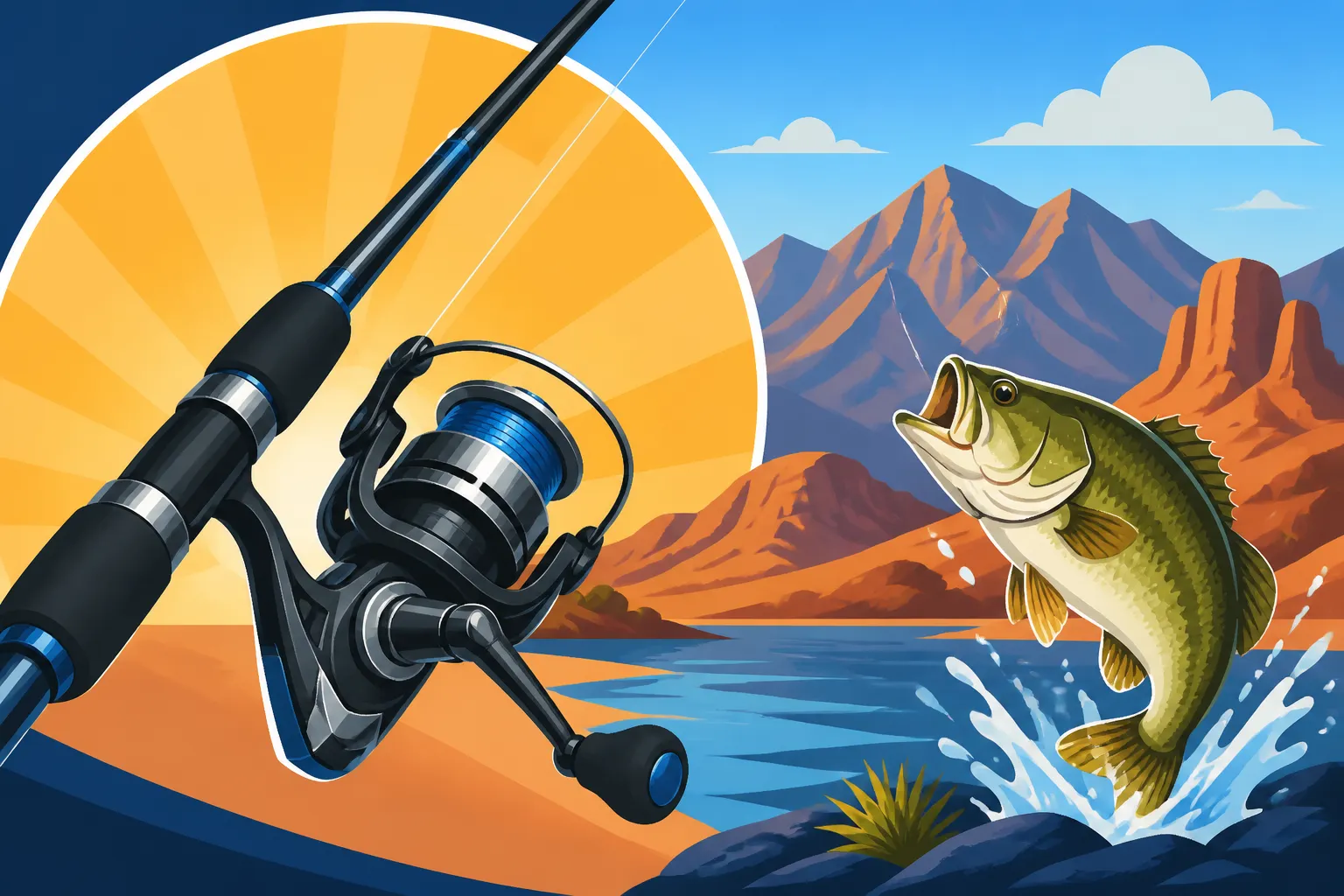
Spinning combos are perhaps the most popular choice for general-purpose fishing and are widely considered the next step up from a spincast, or even a great starting point for many adults. The reel has an open-faced spool where you can see the line, and casting involves manually flipping open a metal bail, holding the line with your finger, and then releasing it during the cast. While it sounds like a few extra steps, it quickly becomes second nature.
The advantages of a spinning combo are numerous. They generally offer longer, smoother casts, handle a wider range of line weights, and are much more versatile for different fishing techniques and target species. They’re excellent for everything from light trout fishing in the Truckee River to chasing bass in Lake Mohave. You’ll find that a good quality spinning combo provides a more satisfying and capable fishing experience once you get the hang of that simple casting motion. Many brands, including those you might find at Bass Pro Shops or even on Amazon, offer excellent spinning combos specifically designed for beginners, often pre-spooled with line. Best Spinning Reels for Trout Fishing provides more detail if you want to understand the reels themselves.
When Other Combos Aren't for Beginners
While spincast and spinning combos dominate the beginner recommendations, you'll also encounter other types like baitcasting combos and fly fishing setups. It’s important to understand why these are generally not recommended for someone just starting out. Baitcasting reels, with their revolving spools, are known for their incredible accuracy and power, but they come with a notoriously steep learning curve. New users frequently experience "backlashes" or "bird's nests," where the line snarls into a frustrating tangle. It takes a lot of practice to master the thumb control needed to prevent this, and it can quickly turn a fun outing into a frustrating one for a novice.
Fly fishing, while a beautiful and highly rewarding discipline, is an entirely different beast. It involves a very specialized casting technique that uses the weight of the line itself (not a sinker or lure) to propel the fly. This requires a dedicated learning process, often involving lessons, and specialized gear that is quite distinct from conventional spin or baitcasting equipment. While Nevada offers incredible fly fishing opportunities, especially in its scenic mountain streams, it’s best to get your feet wet with a simpler spinning or spincast combo before diving into the world of fly fishing.
Key Features to Look For in a Beginner Setup
Once you've decided between a spincast or spinning combo (or have a good idea of which direction you're leaning), it's time to consider the specific features that will make your initial fishing experiences positive. You don't need the most expensive or advanced gear, but a few key characteristics will ensure your combo is easy to use, durable, and capable of catching fish in Nevada's diverse waters.
Rod Length and Action: What's Ideal for Learning
For a beginner, a rod that's too long can be unwieldy, making casting difficult, especially in tight spots or from shore. Conversely, a rod that's too short might not give you enough leverage or casting distance. Generally, a good starting point for a fishing rod length for general-purpose fishing in Nevada is anywhere from 6 to 7 feet. This length offers a good balance of castability, control, and versatility for both shore fishing and fishing from a small boat or kayak.
"Rod action" refers to where the rod bends when pressure is applied. For beginners, a medium or medium-light action rod is usually the best bet. These rods bend throughout the upper half or two-thirds of the blank, providing a good blend of sensitivity for feeling bites and enough backbone to handle a range of fish sizes. They are more forgiving when casting and less likely to snap under pressure from an excited beginner. Avoid "fast" or "extra-fast" actions that bend mostly at the tip, as these require more precise timing and can be less forgiving for new anglers.
Reel Size and Line Capacity: Matching the Catch
The size of your spinning reel (spincast reels are usually more universal in size) directly relates to the type of fishing you'll be doing and the size of the line it can hold. For most beginner scenarios in Nevada, targeting common species like trout, panfish, and smaller bass, a 2000 to 3000 series spinning reel (sometimes labeled as 20, 25, or 30) is an excellent choice. These reels are lightweight, easy to handle, and have enough line capacity for typical freshwater fishing.
If you’re exclusively fishing for smaller panfish in urban ponds, a 1000 or 1500 series might even work, but the 2000-3000 range offers more versatility. This size reel is perfectly matched for 6 to 10-pound test monofilament fishing line, which is a great all-around choice for beginners due to its ease of use and forgiveness. Avoid overly large reels (4000 series and up) unless you specifically plan to target much larger fish from the start, as they can be heavier and more cumbersome for a beginner.
Material and Durability: A Combo That Lasts
When you're starting out, you want a combo that can take a few bumps and drops – because let's face it, they happen! Look for rods made from fiberglass or a composite (fiberglass and graphite mix) material. Fiberglass rods are renowned for their durability and flexibility, making them incredibly forgiving for beginner mistakes. While they might be a little heavier than pure graphite rods, their robustness is a huge plus for new anglers. Graphite rods are lighter and more sensitive but can be more brittle if mishandled.
For the reel, look for sturdy construction. Many beginner combos feature reels with graphite bodies and rotors, which keep them light while still offering decent durability. Pay attention to the handle, ensuring it's comfortable to grip. Reputable brands often use decent quality components even in their entry-level combos. Investing in a combo from a well-known fishing brand, even an affordable one, usually guarantees a certain level of quality and craftsmanship, ensuring your gear will hold up to the excitement of catching your first fish. You might find excellent beginner combos from brands like Ugly Stik, Shakespeare, or Daiwa at retailers like Bass Pro Shops or online through Amazon.
Tailoring Your Combo to Nevada's Fishing Opportunities
Nevada's diverse landscapes offer a wide array of fishing experiences, from tranquil urban ponds to vast desert reservoirs and pristine mountain lakes. While a general-purpose beginner combo is a fantastic starting point, understanding how different Nevada waters might subtly influence your gear choice can help you feel even more prepared and successful. You don’t need to overthink it, but a little foresight goes a long way.
Urban Ponds and Stocked Lakes: Simple and Versatile
For many new anglers, especially families, the journey begins at a local urban pond or a regularly stocked state park lake. Think places like Floyd Lamb Park in Las Vegas or the numerous waters managed by the Nevada Department of Wildlife (NDOW). These locations are fantastic for beginners because they are easily accessible, often have amenities, and are frequently stocked with catchable trout or contain populations of panfish like bluegill and catfish. Las Vegas Nevada Urban Pond Fishing Guide can give you some excellent ideas.
For these environments, a 6 to 6.5-foot spinning combo with a medium-light action rod and a 2000-2500 series reel spooled with 6-8 pound monofilament line is absolutely perfect. This setup is light enough for sensitive bites from trout and panfish, easy to cast in often confined bankside spots, and robust enough to handle the occasional larger catfish. It's a versatile choice that won't feel like overkill and will provide plenty of enjoyment in these family-friendly settings. You'll primarily be using simple bait rigs, like PowerBait or worms under a bobber. Best Bait for Stocked Trout delves into these options.
Larger Reservoirs Lake Mead, Lahontan: A Step Up in Power
As you gain confidence, you might find yourself drawn to Nevada’s larger desert reservoirs, such as the iconic Lake Mead or the expansive Lahontan Reservoir. These vast bodies of water hold larger game fish like striped bass, largemouth bass, and sometimes even catfish. The fishing here can involve longer casts, deeper water, and the potential to hook into something with serious fighting power.
For these larger waters, a slightly more powerful combo might be beneficial. Consider a 6.5 to 7-foot spinning combo with a medium action rod and a 2500-3000 series reel. Spool this with 8-10 pound monofilament or even a braided line with a fluorocarbon leader (a bit more advanced, but good to know for later). The medium action will give you more power to set the hook on bigger fish and control them during the fight, while the slightly larger reel offers increased line capacity for those longer casts or deeper runs. This setup gives you a bit more backbone without sacrificing too much sensitivity, making it a great transitional combo for tackling the bigger challenges that these reservoirs present. If you plan to fish for bass, you'll want to check out How to Fish for Bass in Nevada.
High Mountain Lakes and Streams: Finesse Over Power
Nevada also boasts stunning high mountain lakes and pristine streams, particularly in areas like the Ruby Mountains or around Lake Tahoe. These waters often hold beautiful wild trout, including rainbow, brown, and cutthroat species. Fishing in these areas typically requires a more delicate approach, with smaller lures or baits and precise casting into tighter pockets of water. How to Fish for Trout in Nevada provides a great starting point for these environments.
For a beginner who envisions exploring these scenic spots, a 6 to 6.5-foot spinning combo with a light or ultra-light action rod and a 1000-2000 series reel is an excellent choice. This lighter setup provides incredible sensitivity, allowing you to feel even the slightest nibble from a wary trout. It's designed for casting lightweight lures or small bait presentations, often required in clearer, shallower mountain waters. While it might seem less powerful, the finesse it offers is key to success in these delicate environments. It might not be your absolute first combo, but it’s a fantastic addition once you’ve mastered the basics with your general-purpose setup.
Setting Up Your New Combo: Beyond the Purchase
Congratulations, you've chosen your first rod and reel combo! But the adventure doesn't stop at the checkout. Getting your new gear ready for action involves a few simple steps, and understanding them will empower you to become a more self-sufficient angler. Don't worry, these are straightforward processes that you'll master in no time.
Spooling Your Line: A Crucial First Step
Your new rod and reel combo might come pre-spooled with line, which is fantastic for immediate gratification. However, if it doesn't, or if you want to switch to a different type of line, you'll need to spool it yourself. This isn't as daunting as it sounds! For spinning reels, place the spool of new fishing line on the floor, label-side up, so the line comes off counter-clockwise. Thread the line through the guides of your rod, tie it onto the reel spool with an arbor knot (a quick search online will show you how), close the bail, and start cranking the reel handle.
Keep a bit of tension on the line as it goes onto the reel. Fill the spool until it's about 1/8 to 1/4 inch from the edge of the spool lip. Overfilling can lead to frustrating tangles, while underfilling reduces casting distance. For spincast reels, it's very similar, but you'll usually remove the cover to tie the line on, then replace the cover before reeling. Properly spooled line is essential for smooth casting and preventing backlashes.
Attaching Basic Terminal Tackle: Sinkers, Hooks, and Bobbers
Now that your line is on, it's time to add the "business end" of your setup – your terminal tackle. For a beginner targeting most common Nevada species like trout or panfish, a simple bobber, a small weight (sinker), and a hook are all you need. Start by tying your hook onto the end of your line using a simple improved clinch knot – it's strong and easy to learn. Then, about 6-12 inches above your hook, crimp on a small split-shot sinker. This weight helps cast your bait and keeps it submerged.
Finally, attach a bobber anywhere from 1 to 4 feet above your sinker, depending on how deep you want your bait to present. The bobber acts as a visual strike indicator and keeps your bait suspended at a certain depth. This classic "bobber rig" is incredibly effective and easy for beginners to understand. Remember to bring a Best Tackle Box Setup for a Day on the Water to keep all your hooks, sinkers, and bobbers organized.
Practicing Your Cast: Getting Comfortable
With your combo spooled and rigged, the final step before hitting the water is practice! Head to an open grassy area like a park or even your backyard. Tie on a practice plug (a small, weightless, brightly colored piece of plastic available at most sporting goods stores, or just a small, heavy washer) instead of a hook to avoid hazards. This allows you to practice casting without the risk of snagging or injury. Casting Techniques for Beginners can guide you through the motions.
For a spinning reel, open the bail, grab the line with your index finger, and bring the rod back over your shoulder. Then, with a smooth forward motion, release the line with your finger as the rod comes forward. For a spincast reel, simply press and hold the button, bring the rod back, and release the button with that same forward motion. Practice repeatedly, focusing on a smooth, controlled motion rather than brute force. Aim for a target, and you'll quickly develop the muscle memory needed for accurate and effortless casts on the water.
Where to Find Your First Combo and What to Expect
The journey to your first fishing combo is an exciting one! Knowing where to look and what to anticipate will help you make a confident purchase, ensuring you get the right gear to kickstart your angling adventures in Nevada. There are a few key avenues to explore, each with its own advantages.
Navigating Local Sporting Goods Stores
Visiting a local sporting goods store is an excellent option for beginners, as it offers the invaluable opportunity to physically handle different combos and ask questions. Stores like Bass Pro Shops or local tackle shops often have dedicated fishing sections with knowledgeable staff who can guide you. You can pick up a few different rods, feel their weight and balance, and get a sense of how the reels operate.
The staff can often provide localized advice, suggesting combos that are popular for the specific types of fishing done in Nevada's regional waters – whether that's trout in northern Nevada or bass in the south. Don't be shy about asking for recommendations based on your budget and where you plan to fish. They can also help you get your line spooled correctly right there in the store, which is a huge plus for a beginner.
Online Shopping for Convenience and Selection
Online retailers, including giants like Amazon, offer an incredible selection of rod and reel combos, often at competitive prices. The convenience of browsing from home and having your gear delivered to your door is undeniable. Many reputable fishing brands have their full range of beginner combos available online, complete with detailed descriptions and customer reviews. This allows you to compare different models and read about other beginners' experiences with specific setups.
When shopping online, pay close attention to the product descriptions, especially the rod length, action, and reel size. While you can't physically touch the gear, the reviews often give good insight into the quality and ease of use. Just remember to double-check that the combo comes pre-spooled with line, or factor in the cost and effort of buying and spooling your own line if it doesn't. Many online combos are a great value, especially when looking for a reliable entry-level setup.
Budgeting for Your First Fishing Adventure
One of the best things about getting into fishing is that it doesn't have to break the bank, especially when you're just starting out. Beginner rod and reel combos are specifically designed to be affordable, ensuring that cost isn't a barrier to entry. You can typically find a perfectly serviceable and enjoyable beginner combo for a very reasonable price.
Think about it as an investment in a new hobby. Beyond the combo itself, remember to budget for a few other essentials: a Nevada fishing license (which is a must-have!), a small tackle box or bag, some basic terminal tackle (hooks, sinkers, bobbers), and a selection of bait or lures. Don't feel pressured to buy the most expensive gear; a modest investment in a quality beginner combo will provide countless hours of fun and allow you to learn the ropes without financial stress. You can always upgrade later as your passion grows and your skills develop. For details on licensing, check out the Nevada Fishing License Guide and Nevada Fishing License Age Requirements.
| Feature | Spincast Combo (Beginner) | Spinning Combo (Beginner) |
|---|---|---|
| Ease of Use | Easiest; push-button casting, fewer tangles | Easy; requires learning bail flip and finger release |
| Casting Distance | Shorter, generally for close-range fishing | Longer, more versatile for various distances |
| Tangle Resistance | Excellent; closed face protects line | Good; can get tangles if line is overfilled or cast improperly |
| Versatility | Best for small fish (panfish, small trout) in calm waters | Good for various freshwater species (trout, bass, panfish) |
| Rod Length | Typically 5.5 – 6 feet | Typically 6 – 7 feet |
| Rod Action | Medium-Light to Medium | Medium-Light to Medium |
| Reel Size | Standard, often one size fits all | 2000-3000 series (or similar) |
| Line Weight | 4-8 lb monofilament | 6-10 lb monofilament (or braided with leader) |
| Price Point | Very affordable, often the lowest entry cost | Affordable, slightly more than spincast for similar quality combos |
| Ideal For | Absolute beginners, kids, simple pond/dock fishing | Most adult beginners, versatile for diverse Nevada waters |
Disclaimer
This article is for general informational purposes only and does not constitute professional advice. Laws, prices and regulations vary by location and change over time. Consult a qualified professional for guidance on your specific situation.