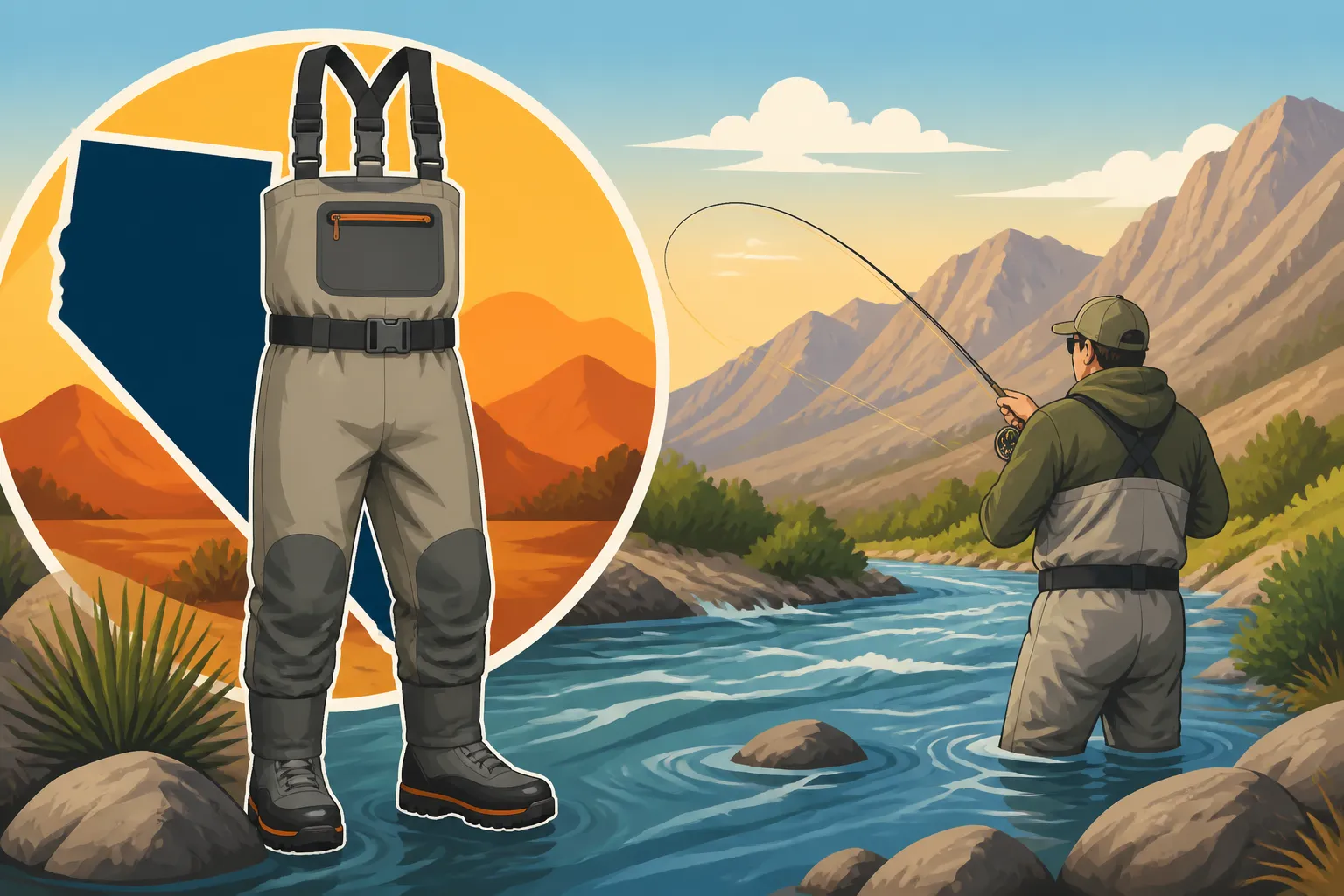
Best Waders for River Fishing in Nevada
There’s nothing quite like the feeling of stepping into a cool Nevada river, the current gently pushing against your legs, as you cast a line into crystal-clear waters. But let's be honest, that idyllic scene quickly loses its charm if you’re soaking wet, freezing cold, or constantly worried about tearing your gear on a rogue branch. Finding the right waders for river fishing in Nevada isn't just about staying dry; it's about comfort, safety, and enhancing your entire fishing experience. This guide is here to walk you through everything you need to know to pick out the perfect pair, ensuring your next river adventure is memorable for all the right reasons.
Understanding Nevada's Diverse River Fishing Environments
Nevada might be known for its vast deserts, but trust me, we've got some incredible rivers that offer world-class fishing. The catch? These rivers are as varied as the landscape itself, and what works for one might leave you shivering or sweating in another.
High Mountain Streams and Tailwaters
When you head up to places like the East Walker River or the higher stretches of the Truckee River, especially as they tumble down from the Sierra Nevada mountains, you're looking at genuinely cold water. These aren't just chilly; they can be downright frigid, even in the height of summer. The terrain is often rugged, with slippery rocks, swift currents, and dense riparian vegetation that can snag and tear at your gear. Below dams, like the flows coming out of Boca or Stampede reservoirs on the Truckee system, the water temperatures remain consistently low, regardless of the air temperature. This constant cold is fantastic for trout, but it demands specific wader considerations.
Fishing in these areas often involves a lot of wading and scrambling over uneven ground. You might be making long casts or trying to get to that perfect eddy behind a boulder. Your waders need to be tough enough to handle abrasive rocks and thorny bushes without puncturing. Furthermore, the constant immersion in cold water means insulation is a serious factor, especially if you plan on spending hours chasing elusive fish. It's a challenging but incredibly rewarding environment, and your gear absolutely needs to rise to the occasion.
Lower Elevation Rivers
Then we have rivers like the Humboldt, and even parts of the Truckee as it snakes through cities like Reno, which tend to be at lower elevations. While still vital waterways, their character can change dramatically. The water might be warmer, especially during the late spring and summer months, and the riverbeds can vary from gravel to siltier, muddier bottoms. Bank access might be easier in some spots, but other areas could have denser brush or even urban debris.
In these conditions, overheating can become a real concern if your waders aren't breathable. You're still going to encounter rocks and potential snags, but perhaps not with the same relentless intensity as a high mountain canyon. The focus shifts slightly from pure thermal protection to a balance of breathability and adequate durability. You might be covering more ground walking along the riverbanks, so comfort and lightweight design become more prominent factors. Anglers often appreciate the versatility of their gear in these varied settings.
Key Wader Features for Nevada Anglers
Choosing the right waders isn't just about picking a color; it’s about understanding the core features that will make or break your day on the water. For Nevada's unique river systems, certain characteristics are absolutely paramount.
Material Selection: Neoprene vs. Breathable Fabrics
This is perhaps the biggest decision you'll face when buying waders, and it boils down to balancing warmth, breathability, and versatility. Each material has its distinct advantages and disadvantages, especially when considering the fluctuating temperatures and water conditions across Nevada.
Neoprene waders are fantastic for cold weather and frigid waters. Think of them as a wetsuit for your legs; they provide excellent insulation by trapping a layer of water against your skin, which is then warmed by your body heat. This makes them ideal for early spring trout fishing on the Truckee when the snowmelt is roaring, or for those chilly fall days when the air temperature drops but the fish are still active. They’re also generally more puncture-resistant than many breathable fabrics, which can be a huge plus when navigating sharp rocks or dense riverside vegetation. However, neoprene doesn't breathe. At all. If you're hiking a mile to your favorite spot, or fishing on a warm afternoon, you'll quickly find yourself sweating profusely inside, leading to discomfort and potentially a chill once you stop moving. They can feel bulky and restrictive, too, making longer hikes or complex casting motions a bit more cumbersome.
Breathable waders, on the other hand, are engineered with advanced fabrics like Gore-Tex or various proprietary blends that allow moisture vapor (sweat) to escape while preventing water from entering. This technology is a game-changer for active anglers, those who hike to their spots, or anyone fishing during warmer months when the air temperature is high, even if the water is still cool. They keep you much drier from the inside out, leading to greater comfort over long periods. While often not as inherently insulating as neoprene, they offer incredible versatility because you can layer up or down underneath them to match the conditions. You can wear thin base layers on a warm day or add fleece pants for serious cold. However, breathable waders can sometimes be less durable against punctures than thick neoprene, though advancements in fabric technology have significantly improved this. Brands like Simms and Patagonia have made huge strides in creating highly durable and breathable options that stand up to rigorous use.
| Feature | Neoprene Waders | Breathable Waders |
|---|---|---|
| Primary Benefit | Excellent insulation for cold water | Superior comfort, allows sweat to escape |
| Ideal Season | Late Fall, Winter, Early Spring | Spring, Summer, Fall (with proper layering) |
| Insulation | High (traps body heat) | Low (relies on layering underneath) |
| Breathability | None (can cause sweating and clamminess) | High (allows moisture vapor to escape) |
| Durability | Generally robust, good puncture resistance | Good, but can be more susceptible to pinholes |
| Flexibility | Can be bulky and restrictive | Lightweight and flexible, excellent for mobility |
| Weight | Heavier, especially when wet | Lighter, easier for hiking |
| Cost | Typically less expensive than high-end breathable | Wider range, high-end models can be significant |
| Best For | Stationary fishing in very cold conditions | Active fishing, hiking, varying weather conditions |
Bootfoot vs. Stockingfoot Waders
Once you've decided on the material, the next big choice is whether to go with bootfoot or stockingfoot waders. This impacts your foot comfort, traction, and versatility in Nevada's varied river environments.
Bootfoot waders have the boots permanently attached to the wader legs. This means no separate wading boots are needed, which can be super convenient. You just slip them on, and you're good to go. They're often favored by anglers who spend less time hiking and more time fishing from a fixed spot, or those who value the ease of not having to deal with mud and debris getting into separate boots. For winter fishing, many bootfoot waders come with insulated boots, offering additional warmth for your feet, which can be a lifesaver in freezing Nevada rivers. The downside is that the fit of the boot is generic; you can't customize it as much as separate wading boots. This can lead to less precise traction on slippery riverbeds or discomfort during longer walks. Plus, they can be bulkier to pack and store.
Stockingfoot waders, on the other hand, feature neoprene "socks" that you then wear with separate wading boots. This system offers far greater versatility and customization. You can choose wading boots specifically designed for maximum grip on slick rocks, like those with felt soles or sticky rubber soles with studs. You can also pick boots that offer better ankle support for navigating rugged terrain, which is common along many of Nevada's high mountain streams. The ability to select your own boots means you can get a truly dialed-in fit for comfort and performance, enhancing your stability and confidence in the water. While it's an extra piece of gear to buy and put on, the improved mobility and safety are often well worth it for serious river anglers. For many, the ability to fine-tune their footwear setup to the specific river conditions and personal preference makes stockingfoot waders the superior choice for most active river fishing in Nevada. Don't forget, when going the stockingfoot route, you'll definitely want to check out some specialized wading boots – maybe even some with studs for extra grip on those slippery Truckee River rocks!
Durability and Reinforcement
Nevada’s rivers, from the fast-flowing Truckee to the rocky banks of the East Walker, are not gentle on fishing gear. Sharp granite, thorny willows, and abrasive gravel bottoms are constant threats to the integrity of your waders. That's why durability and strategic reinforcement are non-negotiable features.
Look for waders that boast multiple layers of fabric in high-wear areas. The knees and seat are prime candidates for reinforcement, as these are the spots most likely to encounter direct contact with rocks, logs, or when you kneel down to release a fish. Some manufacturers use a denser weave, extra fabric layers, or even specialized abrasion-resistant patches in these critical zones. Paying a little more upfront for these features can save you a lot of headache (and money on repairs) down the line. A tiny pinhole leak in the middle of a cold river can quickly turn a fantastic fishing day into a miserable, hypothermic experience.
Consider the seams as well. Taped seams are standard, but the quality of that taping and the construction of the seam itself vary. Good waders will have strong, well-sealed seams that are less prone to delamination or leaking over time. Also, don’t overlook the gravel guards on stockingfoot waders. These are designed to keep sand, pebbles, and debris out of your wading boots, protecting both your feet and the neoprene booties of your waders from excessive wear and tear. Strong, securely attached gravel guards are a small detail that makes a big difference in the longevity and comfort of your setup. It's often the small, overlooked details that ensure your gear holds up against the rigors of serious angling.
Types of Waders Best Suited for Nevada
With such a variety of fishing conditions across the Silver State, it’s not surprising that different types of waders will excel in different scenarios. Matching your waders to your typical fishing environment and personal comfort preferences is key.
Breathable Waders for Warmer Months and Active Fishing
For the majority of the Nevada fishing season, especially from late spring through early fall, breathable waders are going to be your best friend. Even if the river water itself is still cool, the air temperatures can soar, particularly in the lower elevations or when the sun beats down in a canyon. If you're hiking to remote stretches of the Carson River or walking along the Truckee, you’ll appreciate the ability of these waders to manage perspiration.
Breathable waders are typically constructed from multi-layered fabrics that actively wick moisture vapor away from your body while preventing outside water from getting in. This means you stay drier and more comfortable internally, avoiding that clammy, sticky feeling that can quickly lead to a chill once you stop moving. Many serious fly anglers who spend hours actively wading and casting find breathable options indispensable. They allow for a much wider range of motion and feel less restrictive than neoprene, which is great for repetitive casting or navigating tricky currents. While they might not offer the same inherent insulation as neoprene, their genius lies in layering. You can simply add or remove fleece pants or thermal long johns underneath to adapt to changing temperatures. For general-purpose river fishing in Nevada, especially for those seeking out trout in various streams, this type of wader offers excellent versatility and comfort. Brands available at stores like Bass Pro Shops or online at Amazon often have a wide selection of these.
Neoprene Waders for Cold Water and Winter Fishing
When the mercury truly plummets, and you’re still itching to hit the water, neoprene waders are the undisputed champions for warmth. Nevada winters can be brutal, and even in milder periods, the water in rivers like the Truckee or the East Walker can be icy cold. For brave anglers targeting hardy trout during these colder months, neoprene provides essential thermal protection.
These waders are made from the same material as wetsuits, typically ranging from 3mm to 5mm thick. The neoprene traps a thin layer of water against your skin, which your body warms up, creating an insulating barrier. This means you can stand in truly frigid water for extended periods without experiencing the deep bone-chilling cold that would quickly set in with breathable waders. They are often chosen for ice fishing scenarios, or when targeting trout during winter seasons when some rivers remain open. Many neoprene waders also come as bootfoot models with integrated insulated boots, adding another layer of warmth for your feet. The tradeoff, as mentioned, is the complete lack of breathability. If you're exerting yourself, hiking to your spot, or fishing during a surprisingly warm winter day, you're going to sweat. But for those dedicated cold-weather sessions where warmth is the absolute priority, neoprene waders are invaluable. If you're thinking about Ice Fishing in Nevada, these are definitely the waders you'll want to consider.
Hybrid Options and Layering Strategies
Sometimes, one extreme doesn't quite cut it, or you fish in such a wide range of conditions that a single pair of waders feels limiting. This is where hybrid options and smart layering come into play. Hybrid waders might feature thicker, more durable material on the lower legs and seat for cold water protection and abrasion resistance, combined with lighter, more breathable fabric on the upper body for comfort and ventilation. These can offer a "best of both worlds" scenario for anglers who encounter varied conditions within a single trip or across seasons.
However, for most anglers, mastering the art of layering underneath breathable waders offers the ultimate versatility. Instead of buying multiple pairs of waders for different seasons, you can simply adjust your inner clothing.
- Warm Days: Lightweight synthetic or merino wool base layers that wick sweat effectively.
- Cooler Days: A mid-weight fleece pant or thermal underwear over your base layer.
- Cold Days: Heavyweight fleece or insulated wader pants.
This strategy allows your breathable waders to adapt to almost any condition you’ll encounter on Nevada's rivers, from the high mountain streams to the lower Truckee River. By selecting the right base layers, you can manage your body temperature, stay comfortable, and extend your fishing season. This flexibility makes breathable waders, paired with a solid layering system, an extremely practical choice for anglers who fish Nevada Trout Season Dates throughout the year.
Fit, Comfort, and Mobility on Nevada's Rivers
It might sound obvious, but waders that don't fit right can quickly ruin your fishing day. Beyond just staying dry, having waders that allow you to move freely, cast comfortably, and navigate diverse terrain is crucial for an enjoyable and successful outing on Nevada's rivers.
Sizing and How to Measure
Wader sizing isn't quite as straightforward as buying a pair of jeans. It involves a combination of your chest circumference, inseam, and foot size (for stockingfoot waders). Most manufacturers provide detailed sizing charts, and it’s absolutely critical to consult these before making a purchase. Don't just assume your regular pant size will translate. Take accurate measurements of your chest at its fullest point, your true inseam from crotch to ankle bone, and your socked foot size.
When you try on waders (or simulate it if buying online), pay attention to a few key areas. The crotch should not be overly tight or restrictive when you lift your knee to your chest, as this indicates a lack of mobility and potential strain on the seams. There should be enough room in the legs and torso to comfortably wear insulating layers underneath, especially if you plan on fishing in colder conditions. If the waders feel too baggy, however, excess material can snag or bunch up, making wading more difficult and increasing wear. For stockingfoot waders, ensure the neoprene bootie fits snugly around your foot without being too tight or having excessive slack. Remember, you'll be wearing thick wading socks, so account for that. A proper fit ensures comfort and prevents unnecessary strain on the waders, helping them last longer.
Importance of Mobility for Casting and Traversing
Imagine trying to make a delicate fly cast to a rising trout in the Best River Fishing Spots in Nevada if your waders are pulling or restricting your shoulder movement. Or picture yourself scrambling over slick boulders on the East Walker River with waders that hinder your leg lift and balance. It's not a pretty picture, and it's certainly not conducive to good fishing.
Good waders should feel like an extension of your body, allowing for full range of motion. This means ample room in the shoulders and chest for casting, and enough flexibility in the legs and crotch to climb over obstacles, crouch, or take large steps in the water. Articulated knees, which are common in higher-end breathable waders, are a fantastic feature that allows the wader to bend with your knee rather than against it, dramatically improving comfort and reducing strain. The less you have to fight your gear, the more you can focus on reading the water, presenting your fly, or detecting that subtle strike. Prioritizing mobility ensures you can execute all the movements necessary for successful river fishing without feeling confined or uncomfortable. This is especially true if you are planning on Fly Fishing in Nevada where casting technique and wading precision are paramount.
Accessory Features: Pockets, D-rings, and Hand Warmers
Beyond the basic function of keeping you dry, modern waders come equipped with a host of accessory features that can significantly enhance your fishing experience on Nevada's rivers. While some might seem like luxuries, many quickly prove their worth.
- Pockets: Chest pockets are invaluable for keeping essential items close at hand. Look for waterproof or water-resistant pockets for your phone, keys, or fishing license (though always use a dry bag for electronics as a backup!). Larger internal pockets can stash fly boxes, leader wallets, or small snack bars. The convenience of not having to dig through a backpack every time you need something is huge.
- D-Rings and Attachment Points: These small loops might not seem like much, but they are incredibly useful for attaching zingers, tippet holders, nippers, or even a small net. Keeping your frequently used tools organized and accessible on your waders saves time and fumbling, especially when you're standing in a cold river.
- Hand Warmer Pockets: These are a game-changer for colder days. Fleece-lined hand warmer pockets, often integrated into the chest of the waders, provide a welcome refuge for cold fingers between casts. This can make a significant difference in your comfort and ability to focus when fishing in chilly conditions on Nevada's mountain streams.
- Wading Belts: While most waders come with one, ensure it's sturdy and adjustable. A properly cinched wading belt isn't just for comfort; it's a crucial safety feature. In the event of a fall in deep water, it helps prevent your waders from filling completely with water, making it much easier to recover. Always wear your wading belt!
Considering these thoughtful additions can elevate your wader choice from merely functional to truly excellent, making your time on the water more organized, comfortable, and ultimately, more productive.
Care and Maintenance for Longevity
Waders are an investment, and like any good piece of gear, they need proper care to perform their best and last for years. Neglecting simple maintenance can lead to premature leaks, degraded performance, and a much shorter lifespan, which is the last thing you want after shelling out for a quality pair.
Cleaning and Drying Techniques
After a long day on a Nevada river, your waders are likely to be dirty, muddy, and damp. The first rule of wader care is to always clean and thoroughly dry them after every use. Start by rinsing off any mud, sand, or debris with clean water, inside and out. Pay special attention to the seams and the neoprene booties of stockingfoot waders. Use a mild soap if necessary, but avoid harsh detergents or bleach, which can damage the fabric's waterproof membrane or taped seams.
Once clean, the most crucial step is drying. Hang your waders inside out first in a well-ventilated area, away from direct sunlight or excessive heat. A shady spot outdoors or a garage with good airflow works well. Once the inside is completely dry, turn them right side out and let the exterior dry fully. Ensure there's no lingering dampness, especially in the foot area, as this can lead to mildew, odors, and eventual fabric breakdown. Never store wet waders! This is a recipe for disaster and will dramatically shorten their life. Allowing them to hang and air out for a day or two is much better than rushing the process and sealing in moisture.
Storage Tips to Prevent Damage
Proper storage is just as important as proper cleaning. Once your waders are completely dry, resist the urge to just wad them up and toss them in the back of your truck or a gear bag. This can lead to creases that put stress on the fabric and seams, potentially creating weak spots or small leaks over time.
The best way to store waders is to hang them, preferably from a wide hanger or by the suspenders, allowing them to drape naturally. Many anglers hang them in a closet or on a dedicated gear rack. If hanging isn't an option, fold them loosely, avoiding sharp creases. Store them in a cool, dry place, away from direct sunlight, extreme temperatures, or rodents. Sunlight and heat can degrade the fabric and seam tape over time, while extreme cold can make some materials brittle. Protecting them from pests is also important; I've heard too many horror stories of mice chewing through waders stored in a garage! Taking these simple storage precautions will help preserve the integrity of the fabric and the waterproof membrane, ensuring your waders are ready for your next adventure on the water.
Repairing Leaks and Pinholes
Even the most durable waders can eventually develop a leak. It’s not a matter of if, but when. The good news is that most small leaks and pinholes are relatively easy to repair, saving you the cost of a new pair. Don't let a minor breach send your waders to the trash bin!
The first step is locating the leak. For small pinholes, turn your waders inside out, spray them with rubbing alcohol, and look for dark spots, which indicate a leak. For larger leaks, or if the alcohol method isn't working, fill the waders with water while they are inside out and look for drips on the outside. Once you've found the leak, thoroughly clean and dry the area. Most wader repair kits, which you can find at any reputable fly shop or Bass Pro Shops, come with specialized patches or sealant adhesives. For breathable waders, a small dab of Aquaseal or similar urethane adhesive is often all that's needed for pinholes. Apply a thin layer, let it cure according to the product instructions, and your waders should be good as new. For larger tears, a fabric patch applied with the same adhesive will create a strong, waterproof seal. For neoprene waders, a neoprene cement or patch kit designed for wetsuits works wonders. Being able to quickly and effectively patch a leak means less downtime and more time on the water, chasing those beautiful Nevada trout. Knowing How to replace a lost Nevada fishing license is one thing, but knowing how to patch your waders ensures your fishing trip doesn't get cut short.
Making Your Wader Purchase
So, you’ve thought about materials, fit, and maintenance – now it’s time to actually buy! Making the right purchase involves knowing where to look, understanding what other gear you'll need, and budgeting effectively for quality.
Where to Find Quality Waders
When it comes to purchasing quality waders, you have several excellent avenues, each with its own benefits. For many, visiting a dedicated fly fishing shop is the best starting point. These specialty stores have knowledgeable staff who can offer expert advice, help you with sizing, and provide hands-on experience with different brands and models. They often carry premium brands like Simms, Patagonia, and Orvis, known for their durability and performance. While prices might be a bit higher, the personalized service and expertise can be invaluable, especially for a first-time wader buyer or someone looking to upgrade.
Larger sporting goods retailers like Bass Pro Shops also offer a wide selection of waders, often encompassing a broader range of price points and brands. You can usually find a good variety of neoprene and breathable options here, and they might have sales or loyalty programs that can be beneficial. Just be sure to do your research beforehand or seek out staff with specific fishing knowledge. Online retailers like Amazon are another popular option, offering unparalleled selection and competitive pricing. However, the downside is the inability to physically try on the waders before buying. If you go this route, be diligent with measuring yourself and meticulously checking size charts. Read reviews carefully for feedback on fit and durability. The convenience of online shopping is great, but getting the right fit is paramount, so consider ordering from retailers with easy return policies.
Essential Wader Accessories
Buying the waders themselves is often just the beginning. To truly complete your setup for Nevada river fishing, you'll need a few key accessories that work in conjunction with your waders to enhance comfort, safety, and functionality.
First and foremost, if you choose stockingfoot waders, you absolutely need quality wading boots. These aren't just any boots; they're designed with specialized soles (felt, sticky rubber, or studded) to provide maximum grip on slick, wet, and often algae-covered riverbeds. The wrong boots can lead to dangerous slips and falls. Consider the terrain you'll be fishing most often – felt for super-slick rocks, rubber for varied terrain and less environmental impact (felt can transport invasives), and studs for extra grip in both. Next, a good wading belt is non-negotiable for safety. It cinches your waders securely around your waist, preventing excessive water from rushing in if you take an accidental dip. Many waders come with one, but an upgraded, wider, or more supportive belt can make a big difference. Don't forget proper wading socks! These are thicker than regular socks, designed to provide cushioning, warmth, and prevent chafing inside your neoprene booties. A quality pair of wool or synthetic wading socks can make your feet much happier after hours in the water. Finally, a wader repair kit is a wise investment. Small leaks happen, and being able to patch a pinhole on the spot can save your fishing trip. These accessories might seem like an extra cost, but they are crucial for a safe, comfortable, and productive experience.
Budgeting for Quality vs. Cost
Waders range widely in price, from budget-friendly options that can get you on the water to high-end models that represent a significant investment. It's tempting to go for the cheapest pair, but with waders, you truly get what you pay for in terms of durability, comfort, and features.
If you're a casual angler who only hits the river a few times a year, a mid-range pair of breathable waders might be perfectly adequate. They'll keep you dry, offer decent comfort, and handle occasional use. However, if you plan on fishing Nevada's rivers frequently, tackling rugged terrain, or enduring harsh conditions, investing in a higher-quality pair is almost always worth it. More expensive waders typically feature more advanced, durable fabrics, better seam construction, superior fit, and thoughtful features like reinforced knees and articulated cuts. These design elements directly translate to longer lifespan, fewer leaks, and greater comfort over extended periods. Think of it as an investment in your fishing enjoyment and safety. While the upfront cost might be higher, a quality pair of waders that lasts for many seasons can be more economical in the long run than repeatedly replacing cheap, leaky alternatives. Set a realistic budget, but err on the side of quality if your passion for river fishing in Nevada is strong.
Disclaimer
This article is for general informational purposes only and does not constitute professional advice. Laws, prices and regulations vary by location and change over time. Consult a qualified professional for guidance on your specific situation.