How to transfer a boat title in Nevada
Buying or selling a boat can be an incredibly exciting time, but let's be honest, the administrative side of things, like transferring the boat title, often feels like navigating a maze blindfolded. Many folks get caught up in confusing paperwork, unsure where to sign, what forms are needed, or if they've even got the right documents. This guide is here to untangle all that jargon and give you a clear, step-by-step walkthrough for how to transfer a boat title in Nevada, making sure you can focus on getting out on the water instead of stressing over bureaucracy.
Understanding the Nevada Boat Titling Process
The process of transferring a boat title in Nevada isn't just a formality; it's a critical legal step for both the buyer and the seller. Neglecting it can lead to all sorts of headaches down the line, from unexpected fines to ownership disputes. Let's break down why this is so important and what foundational documents you'll absolutely need.
Why Title Transfer is Crucial for Both Buyer and Seller
For the buyer, successfully transferring the boat title is the ultimate proof of legal ownership. Without it, you might find yourself in a sticky situation if the previous owner still has claims, or if you run into problems with law enforcement or registration. Imagine purchasing a beautiful bass boat, only to discover later that the seller had an outstanding loan on it, or that you can't register it in your name because the title was never properly signed over. It’s a nightmare scenario, and a clean title transfer prevents all of that by providing undeniable legal documentation that the vessel is yours. It also allows you to legally register the boat with the Nevada Department of Wildlife (NDOW), which is a separate but related step, ensuring you’re compliant with state boating laws.
From the seller's perspective, transferring the title correctly is equally vital for releasing you from liability. As long as the boat is still titled in your name, you could potentially be held responsible for any accidents, violations, or property damage involving the vessel, even if you no longer own it. Think about it: if the new owner gets into a fender bender on Lake Mead or runs afoul of the Nevada Fishing Regulations Explained, and the boat is still technically in your name, you might be the one getting calls from lawyers or state officials. Completing the title transfer officially removes your name from the boat's record, ensuring that any future responsibilities fall squarely on the new owner. It’s your official "goodbye" to the vessel and all its associated legal obligations.
Key Documents You'll Need for the Transfer
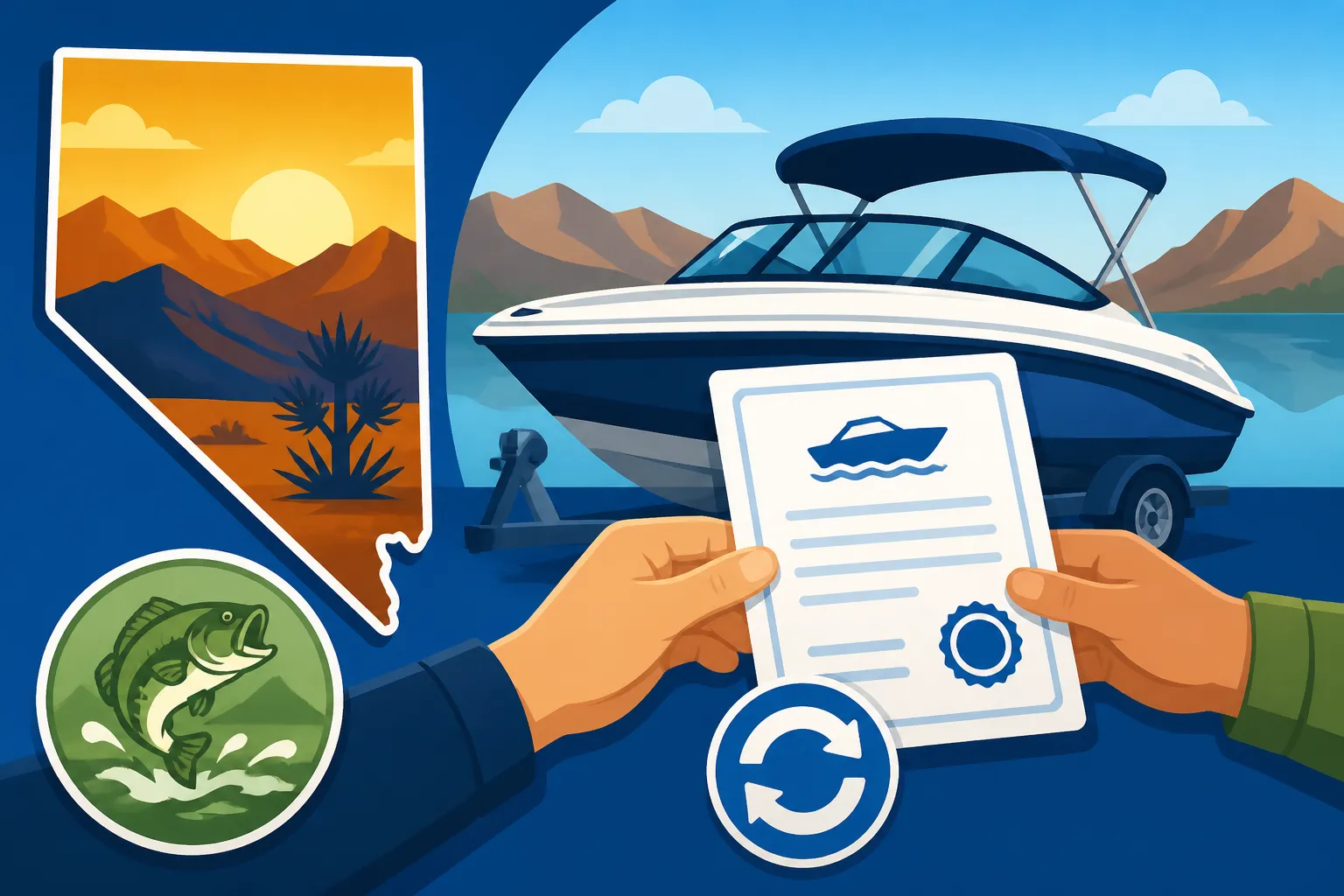
The titling process hinges on having the right paperwork in order. The absolute cornerstone document is the original Certificate of Title. This is the official document that proves who owns the boat, much like a car title. When you're buying a boat, the seller must sign this title over to you in the designated areas, typically on the back. Make sure all signatures are legible and match the names on the title exactly. Any discrepancies or alterations could cause significant delays or even invalidate the transfer, forcing you to start over. It's really surprising how many people try to pencil in a correction or use white-out, which is a big no-no.
Next up, you'll need a comprehensive Bill of Sale. While the title proves ownership, the Bill of Sale documents the transaction itself. This isn't just a scrap of paper; it should clearly state the date of sale, the purchase price, the full names and addresses of both the buyer and seller, and a detailed description of the vessel, including its Hull Identification Number (HIN). Having both parties sign and date this document is non-negotiable, and it’s wise for both buyer and seller to keep an original copy. This document acts as a safety net, detailing the terms of the sale and providing additional proof of ownership change beyond just the title itself.
You’ll also need to complete an Application for Certificate of Ownership form, which is provided by the Nevada Department of Wildlife (NDOW). This form is where the new owner formally requests the state to issue a new title in their name. It will require all your personal information, the vessel's details, and signatures. Finally, be prepared to show proof of sales tax payment or an applicable exemption. Nevada collects sales tax on most private party boat sales, and this often needs to be paid before the title can be transferred. If you're exempt, be ready with the documentation to prove it. And if you're doing this in person at an NDOW office, both buyer and seller should have a valid form of identification, like a driver's license, on hand.
Step-by-Step Guide for Buyers: How to Complete Your Boat Title Transfer
As the buyer, you're the one initiating the official transfer of the title into your name. While it might seem like the seller handles everything, you have crucial responsibilities to ensure the transfer is legal and protects your new investment. Don't skip these steps!
Verifying the Seller's Information and Vessel Details
Before you even think about signing anything or handing over money, you absolutely must verify that everything lines up. Start by comparing the Hull Identification Number (HIN) on the boat itself with the HIN listed on the Certificate of Title and the Bill of Sale. These numbers must match precisely. The HIN is the boat's unique fingerprint, usually found on the transom or hull, and any discrepancy here is a massive red flag that could indicate a stolen vessel or a fraudulent sale. Take your time to double-check this critical detail.
Beyond the HIN, you should also confirm the seller's identity against the name(s) listed on the title. A simple driver's license check can often suffice. If the seller's name on the title doesn't match their ID, or if there are multiple owners listed and not all are present to sign, you need to pump the brakes. This is also the perfect time to inquire about any potential liens on the boat. A lien means someone else (like a bank or a lender) has a financial claim against the vessel. You can often check for recorded liens through the NDOW or a local Department of Motor Vehicles office, and it's a smart move to ensure you're not inheriting someone else's debt. A good rule of thumb is: if the seller hesitates or can't provide clear answers about the HIN, their identity, or liens, walk away. There are plenty of other boats out there, and your peace of mind is worth more than a potentially problematic deal.
Completing the Paperwork Correctly
Once you've done your due diligence and everything checks out, it's time to tackle the actual paperwork. This is where precision is paramount. The Certificate of Title will have specific sections on the back for the seller to sign over the title to you. Make sure the seller signs exactly as their name appears on the front of the title. If there are multiple owners listed (e.g., "John Doe AND Jane Doe"), both must sign. Do not allow any scribbles, cross-outs, or correction fluid on the title. If a mistake is made, it's often better to get a duplicate title from the seller before proceeding, as NDOW can be very strict about alterations.
The Bill of Sale is equally important. Ensure it clearly states the full purchase price, the date of the sale, and both your and the seller's full legal names and addresses. A detailed description of the boat, including its make, model, year, and HIN, should also be included. This document provides a record of the transaction and can be invaluable if any disputes arise later. For the official Nevada Boat Titling Process, you will also need to complete the NDOW application form. Fill out all sections completely and accurately with your personal information and the boat's details. Remember, NDOW agents process many of these, and incomplete or incorrect forms are the quickest way to get rejected and sent back to the drawing board. Once completed, both you and the seller will typically need to sign this application, affirming the transfer. Keep a copy of every single document for your records!
Submitting Your Application to the Nevada Department of Wildlife (NDOW)
With all your paperwork meticulously completed and signed, the final step for the buyer is to submit the application packet to the Nevada Department of Wildlife. You can usually do this in person at one of NDOW's regional offices located in cities like Las Vegas or Reno, or you can mail the documents in. Submitting in person can often expedite the process and allows you to ask any last-minute questions directly to an NDOW agent, who can also verify that your paperwork is correctly filled out before processing.
Be prepared to pay the applicable fees at the time of submission. This will include the boat title transfer fee, and you will also need to pay any sales tax that is due on the purchase price of the vessel. The exact amounts for these fees can vary, so it's a good idea to check the NDOW website or call ahead for current figures. Some online portals or sporting goods stores might offer assistance with parts of this process, but the official title transfer usually goes through NDOW directly. After submission, NDOW will process your application. This processing time can vary, but generally, you will receive your new Certificate of Title in the mail within a few weeks. In the meantime, NDOW may issue you a temporary registration or permit, allowing you to legally operate your newly acquired boat while awaiting your permanent documents. Remember, you'll also need to get your boat properly registered and display current decals, which is a separate but closely related process after the title is in your name. You can find more comprehensive information in our guide on the Nevada Boat Registration Paperwork Checklist.
Step-by-Step Guide for Sellers: Protecting Yourself During the Sale
Selling a boat can be just as exciting as buying one, but it comes with its own set of responsibilities, especially when it comes to the title transfer. Your goal as the seller is to ensure you legally release yourself from ownership and liability, preventing any future headaches.
Ensuring a Clean Title and Proper Documentation
As a seller, your primary responsibility is to provide a clean, clear title to the buyer. This means you need to locate the original Certificate of Title for your boat. If you can't find it, or if it's damaged or illegible, you must apply for a duplicate title from NDOW before you even list your boat for sale. Trying to sell a boat without its original title is a recipe for disaster and will likely deter serious buyers, or at best, significantly delay the sale. Imagine trying to explain to a potential buyer that you "can't find" the title – it immediately raises suspicions.
Before the sale, it's also your job to ensure there are no outstanding liens on the boat. If you financed the vessel, your lender likely holds the original title or has a lien recorded against it. You'll need to pay off that loan in full and obtain a lien release document from your lender. This release often needs to be submitted with the title to NDOW to show that the financial obligation has been satisfied. Once you have a clean title, prepare a detailed Bill of Sale that accurately reflects the sale terms. This document should include the boat's HIN, your name, the buyer's name, the sale price, and the date. Both you and the buyer should sign and date it, and each of you should retain an original copy for your records. This small piece of paper is a powerful shield against future claims.
Completing the Transfer Responsibilities
Once you have a buyer, and all terms are agreed upon, your role in completing the transfer is crucial. You must sign off the original Certificate of Title in the designated "Seller" sections. It's imperative that your signature(s) match the name(s) printed on the title exactly. If you initially titled the boat with your spouse, and both names are on it, both of you will need to sign. Any errors here could invalidate the transfer, causing delays and frustration for the buyer, and ultimately, for you. It's not uncommon for titles to have specific lines for printed names and signatures, so read the instructions carefully.
Beyond the title, make sure you provide the buyer with all necessary documents, including the signed title, the Bill of Sale, and any lien release documents if applicable. It’s also a good practice to suggest the buyer remove your old registration decals once they get their new registration, as these clearly show the boat's previous registration period. While not always legally required, advising them to do so helps avoid confusion and ensures they are responsible for their own, updated registration. Having a clear hand-off of all documents is a critical part of a smooth and responsible sale. For more general guidance on boat ownership, check out our Nevada Boat Registration and Titling Guide.
Notifying NDOW of the Sale
Many sellers overlook this crucial step, but officially notifying the Nevada Department of Wildlife of the sale is incredibly important for your protection. This notification officially releases you from liability for the vessel from that date forward. Without it, even if the title is signed over, you could still be implicated in incidents involving the boat. It's a bit like selling a car but not notifying the DMV; the state still thinks you're the owner. NDOW typically has specific forms or processes for a "Notice of Sale" or "Report of Sale," which you can find on their website or by visiting an office.
Even if the buyer is diligent and submits the title transfer paperwork right away, submitting your own separate notification provides an extra layer of protection. This document proves to the state that on a specific date, you ceased to be the owner. Keep a copy of this notification for your records, along with copies of the signed title and Bill of Sale. This comprehensive record is your best defense should any questions or problems arise in the future regarding the boat's ownership or use after you've sold it. Think of it as your official paper trail proving you've done your part and moved on.
Common Hurdles and How to Overcome Them
Even with the best intentions, the boat title transfer process can throw a few curveballs. Knowing how to handle these common issues can save you a lot of stress and time.
Lost or Damaged Titles
It happens more often than you'd think: you're ready to sell your beloved boat, and the original title is nowhere to be found, or it's been damaged beyond recognition by a leaky roof in the garage. If you're the seller and have a lost or severely damaged title, you absolutely must apply for a duplicate title through the Nevada Department of Wildlife. This process involves filling out a specific application form, often an affidavit stating the original title is lost or destroyed, and paying a fee. It can take some time to process, so don't wait until the last minute if you know your title is missing. Trying to proceed with a sale without an original title will halt the transfer dead in its tracks.
If you're the buyer and the seller claims they can't produce the original title, proceed with extreme caution. It's best to insist that the seller obtains a duplicate title before completing the sale. Never accept a hand-written note or a vague promise. In some very rare and specific circumstances, usually involving very old boats or complex ownership chains, a "bonded title" might be an option. This is more common for cars and is a complicated legal process where you purchase a surety bond to protect against future claims. For boats, it's generally simpler and safer to just ensure the seller gets a duplicate title. Remember, no original title, no smooth transfer.
Out-of-State Transfers and Sales Tax Implications
Nevada's boat titling and registration rules primarily apply to vessels operated within its borders, but what about bringing a boat in from another state, or selling to an out-of-state buyer? When transferring an out-of-state titled boat into Nevada, you'll follow a similar process to an in-state transfer, but you may also need to provide additional documentation, such as the out-of-state title and proof that the vessel was registered and owned legally in its previous state. NDOW will verify the HIN and ensure the boat meets Nevada's safety and registration standards. This is generally straightforward as long as all your prior state's paperwork is in order.
Sales tax is another important consideration. In Nevada, the buyer is generally responsible for paying sales tax on the purchase price of the vessel when the title is transferred, even if it's a private party sale. This is typically paid to NDOW at the time of title application. If you purchased the boat in a different state and paid sales tax there, you might be eligible for a credit against Nevada's sales tax, but you’ll need to provide proof of that prior tax payment. Always check the current Nevada boat sales tax on a used boat purchase guidelines, as rates and rules can change. It's best to factor this into your budget when buying, as it's an unavoidable part of making the boat legally yours.
Dealing with Boats Without Existing Titles
Not every boat has a title, and this can be a real head-scratcher for new owners. This typically applies to very old boats, homemade vessels, or sometimes smaller boats that fall below a certain length or horsepower threshold that might not have required a title when they were originally acquired (though they still require registration). If you're buying or trying to title a boat that has never had one, the process is more involved. You might need to submit an Affidavit of Ownership, detailing how you acquired the boat, who the previous owners were (if known), and why there's no title.
For homemade boats, NDOW might need to inspect the vessel and assign a Hull Identification Number (HIN) if one doesn't exist. This ensures that even untitled boats can be properly tracked and registered. This process often requires more direct communication with NDOW staff, as they will guide you through the specific requirements. Places like Bass Pro Shops might have informational handouts or resources for general boating regulations, and online platforms like Amazon offer numerous guides and forms related to boat sales, though always verify specific Nevada requirements with NDOW directly. This scenario often takes more time and patience, but it’s crucial to go through the proper channels to ensure your boat is legally recognized.
Fees and Important Considerations
Getting a clear picture of the costs and timelines involved in a boat title transfer will help you budget and plan accordingly, avoiding any unwelcome surprises.
Breakdown of Typical Fees
When you transfer a boat title in Nevada, there are a few standard fees you can expect to encounter. The primary cost will be the title transfer fee itself, which is a flat rate charged by NDOW to process the change of ownership and issue a new title in the buyer's name. This fee is relatively modest but is a mandatory part of the transaction. You can find the most current figures by checking the Nevada boat title fee details on the official NDOW website or by calling one of their offices.
In addition to the title fee, the buyer will almost certainly be responsible for paying Nevada sales tax on the purchase price of the boat. This percentage can significantly impact the total cost, especially for higher-value vessels. This sales tax is generally collected by NDOW at the time you submit your title application. If you delay the transfer beyond a certain period, you might also face late fees, so it's always best to complete the process as quickly as possible after the sale. Remember that these fees are separate from the annual boat registration renewal fees, which you’ll pay to keep your boat legal on the water.
Timeline and Processing Expectations
Once you've submitted all your meticulously prepared paperwork to NDOW, the processing time can vary. Generally, if all documents are in order and there are no complications, you can expect to receive your new Certificate of Title in the mail within a few weeks, typically two to four. However, during peak seasons (like spring and early summer when everyone is getting ready for boating), processing times might be a bit longer.
It’s always a good idea to act promptly. Delaying the title transfer can lead to problems beyond just late fees. For instance, without a properly transferred title, you can't complete the full registration process in your name, which could put you at risk of fines if you're caught operating an unregistered vessel. While waiting for your permanent title, NDOW often issues a temporary registration or a receipt that serves as proof of your application, allowing you to legally use your boat in the interim. Always ask for this temporary documentation if you plan to hit the water soon after submission.
Other Registration Requirements After Transfer
The title transfer is just one piece of the puzzle to complete your boat’s legal journey. Once the title is successfully transferred into your name, you’ll still need to ensure your boat is properly registered with the Nevada Department of Wildlife. This involves a separate application and an annual fee. The registration process ensures your boat has current decals, which must be prominently displayed on the hull. For a detailed breakdown of what you need for this, refer to our comprehensive Nevada Boat Registration Paperwork Checklist.
Beyond titling and registration, always remember the importance of required safety equipment. Even after you own and register the boat, you need to have the right gear onboard, such as life jackets for everyone, a fire extinguisher, a sound-producing device, and navigational lights if operating after sunset. You can learn more about these necessities in articles like Essential Safety Gear for Boating on Lake Mead. Additionally, depending on your age and the boat's motor size, you might need a Nevada boater education card. This is critical for safe operation and a legal requirement for many operators. If you need to fulfill this, our guide on Nevada Boater Education Course Options can help. Failing to comply with any of these requirements, even after a successful title transfer, can lead to citations and spoil your time on Nevada's beautiful waters.
Here's a quick overview of the key responsibilities for buyers and sellers:
| Aspect | Buyer's Responsibility | Seller's Responsibility |
|---|---|---|
| Pre-Transaction | Verify HIN, check for liens, confirm seller identity. | Locate original title, clear any liens, obtain lien release. |
| Documentation | Ensure title is correctly signed, obtain Bill of Sale. | Sign title accurately, provide Bill of Sale, any lien releases. |
| Application | Complete NDOW's Application for Certificate of Ownership. | N/A (buyer submits for new title) |
| Fees | Pay title transfer fee, sales tax. | N/A (unless duplicate title needed prior to sale). |
| Submission | Submit full packet to NDOW (in person or by mail). | Officially notify NDOW of the sale to release liability. |
| Follow-Up | Await new title, register boat, obtain decals. | Keep copies of all signed documents. |
| Legal Protection | Establishes legal ownership, allows registration. | Releases liability for the vessel. |
This article is for general informational purposes only and does not constitute professional advice. Laws, prices and regulations vary by location and change over time. Consult a qualified professional for guidance on your specific situation.