Nevada Disabled Veteran Fishing License
For many disabled veterans, finding accessible and affordable ways to enjoy the outdoors is a vital part of well-being and recovery. However, navigating the specific requirements for a special fishing license in Nevada can feel like an unnecessary hurdle, adding stress instead of peace. This guide is designed to cut through the confusion, providing a clear, empathetic, and comprehensive breakdown of everything you need to know about securing and utilizing your Nevada Disabled Veteran Fishing License, ensuring you can focus on the water, not the paperwork.
Understanding the Nevada Disabled Veteran Fishing License
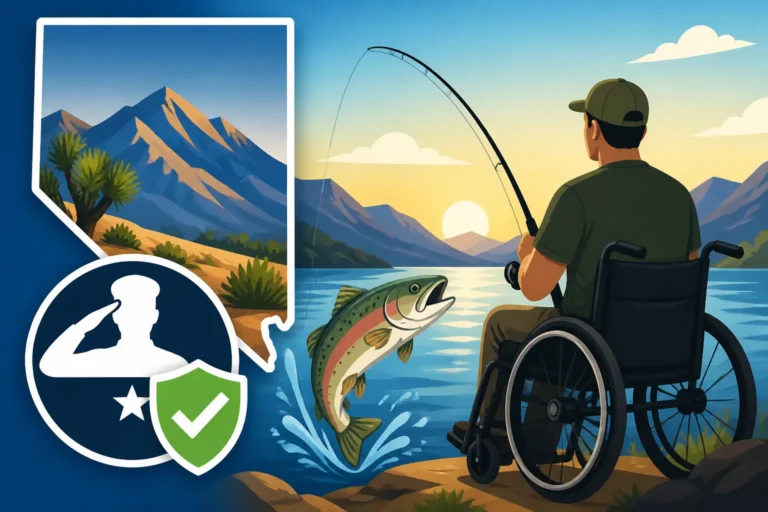
The state of Nevada recognizes the immense sacrifices made by its disabled veterans and offers specific benefits to make fishing more accessible and affordable. This isn't just a discount; it's a recognition of service and a commitment to providing opportunities for recreation and healing in the Silver State's beautiful waters. It's truly a fantastic program that many veterans find incredibly valuable.
Who Qualifies for This Special License?
Eligibility for the Nevada Disabled Veteran Fishing License is quite specific, and it's important to meet all the criteria to avoid any frustration during the application process. Generally, you need to be a bona fide resident of Nevada, meaning you've established your home here. More critically, you must have a service-connected disability of at least 50% or more, as determined by the U.S. Department of Veterans Affairs (VA). This isn't just for any disability; it must be directly linked to your military service. The Nevada Department of Wildlife (NDOW) relies on the VA's assessment for this, so having your official VA documentation ready is key. Sometimes, folks get confused if their disability rating is less than 50% or if it's not service-connected, thinking they might still qualify. Unfortunately, the regulations are pretty firm on the 50% service-connected threshold. It's worth double-checking your VA records before you start the application to make sure everything lines up. Understanding these specific criteria from the outset can save you a lot of time and potential disappointment.
Benefits and Privileges of the Disabled Veteran License
The most immediate and appreciated benefit of the Nevada Disabled Veteran Fishing License is the significant reduction in cost. Compared to the standard Nevada Annual Fishing License Renewal or even a Nevada Resident Fishing License Types, this special license comes at a much lower price point, making regular fishing trips far more affordable. This isn't a small perk; it’s a substantial saving that truly helps budget-conscious veterans enjoy their passion for fishing. Beyond the cost, this license often includes privileges that other general licenses might require additional stamps for, like a trout stamp. While it's always wise to confirm the exact inclusions with NDOW each year, the disabled veteran license is typically all-encompassing for general fishing, eliminating the need for separate purchases like a Nevada Trout Stamp Requirements. This means fewer separate items to keep track of and a simpler approach to staying compliant with regulations. It's designed to be as hassle-free as possible, ensuring that once you have it, you're pretty much covered for most standard fishing opportunities across the state, from high-mountain lakes to the desert reservoirs.
Navigating the Application Process
Getting your hands on this license might seem like a daunting task with all the bureaucracy, but breaking it down into manageable steps makes it much easier. The key is preparation and understanding exactly what NDOW requires from you.
Required Documentation and Proof of Disability
This is arguably the most critical step in the entire process. Without the correct documentation, your application simply won't move forward. NDOW requires concrete proof of your service-connected disability and your Nevada residency. For disability, you'll need official documentation from the U.S. Department of Veterans Affairs (VA) that clearly states your service-connected disability rating is 50% or greater. This could be a benefits letter, a summary of benefits, or another official VA document that explicitly shows the percentage and service-connected nature of your disability. Don't bring a doctor's note from a private physician; it needs to be official VA paperwork. For proof of residency, you'll need documents like a Nevada driver's license or state ID that has been issued for at least six consecutive months prior to your application. Other acceptable proofs might include utility bills, vehicle registration, or a tax return showing your Nevada address. It's a good idea to have several forms of proof, just in case. Make sure all your documents are current and legible. If you're applying in person, bring originals; if by mail or online, clear copies are essential.
Where to Apply: Online, In-Person, and Mail Options
NDOW offers several convenient ways to apply for your disabled veteran fishing license, making it accessible no matter your preference or location. Each method has its own pros and cons, so choose the one that best fits your needs.
- Online Application: This is often the quickest and most convenient method. You'll typically need to create an account on the NDOW licensing portal, upload scanned copies of your VA disability letter and proof of residency, and then complete the application form electronically. The system guides you through the steps, and once approved, you can often print a temporary license immediately. If you need to scan documents, you can find a reliable scanner on online retailers like Amazon if you don't already have one, or many local print shops can help with scanning services.
- In-Person Application: If you prefer face-to-face interaction or have questions that need immediate answers, visiting an NDOW office or an authorized license agent is a great option. Make sure to bring all your original documentation with you. Staff can help review your paperwork to ensure everything is in order, which can prevent delays. This can be especially reassuring if you're unsure about any specific document. You can find a list of NDOW offices and agents on their official website.
- Mail Application: For those who live in more rural areas or prefer traditional mail, you can download the application form from the NDOW website, fill it out, and mail it along with clear copies of your supporting documents. Be sure to use certified mail or a tracking service to ensure your application arrives safely. While this method can take longer for processing, it's a viable option if others aren't suitable. Remember, NDOW aims to make this process as smooth as possible, so don't hesitate to reach out to them directly if you encounter any difficulties.
Here's a quick summary table of the application methods and their key requirements:
| Application Method | Required Documents | Processing Time | Best For |
|---|---|---|---|
| Online | Scanned VA Disability Letter (50%+), NV Proof of Residency | Instant to a few days | Tech-savvy, quick turnaround, remote access |
| In-Person | Original VA Disability Letter (50%+), NV Proof of Residency | Instant | Direct assistance, document verification, immediate issuance |
| Copies of VA Disability Letter (50%+), NV Proof of Residency | 2-4 weeks | Rural residents, those without internet access, preference for mail |
It's important to remember that this special license is distinct from a general Nevada Fishing License Guide, so ensure you're applying for the correct one.
Annual Renewal and Maintaining Eligibility
Just like any other annual license, your disabled veteran fishing license in Nevada will need to be renewed. It's not a one-and-done deal, but NDOW tries to make the renewal process straightforward. Staying on top of it ensures you don't have any unexpected gaps in your fishing privileges.
Understanding the Renewal Cycle
The Nevada Disabled Veteran Fishing License, like most annual licenses, typically operates on a calendar year or fiscal year cycle, usually expiring on a specific date, often at the end of February each year. It’s crucial to know this exact date because fishing with an expired license can lead to Nevada Fishing Violation Penalties. NDOW generally sends out reminders closer to the renewal period, often via email or postal mail, if you've provided your contact information. You can renew your license using the same methods you used for the initial application: online through the NDOW portal, in person at an NDOW office or authorized agent, or via mail. For renewal, you might not need to submit all the same detailed VA documents every single year, especially if your disability status is considered permanent. However, NDOW reserves the right to request updated verification at any time, so always keep your VA documentation readily accessible. Getting into a routine of checking your license expiration date each winter will help you avoid any last-minute scrambles. Many anglers just mark it on their calendar or set a recurring reminder on their phone.
What Happens if Your Disability Status Changes?
Life happens, and sometimes a veteran's disability status can change. If your service-connected disability rating drops below the 50% threshold, it's important to understand how this impacts your disabled veteran fishing license. Generally, if your rating falls below 50%, you would no longer be eligible for this specific license type. NDOW expects you to act in good faith and notify them of any significant changes in your eligibility. This doesn't mean you can't fish anymore, but you would then need to purchase a standard Nevada Resident Fishing License Types at the regular cost. Conversely, if your disability rating increases to 50% or more, and you previously didn't qualify, you would then become eligible to apply for the special veteran license. The key here is always transparency and communication with NDOW. Ignoring changes in eligibility can lead to issues down the line. It’s a good practice to keep all your VA documentation updated and accessible, whether for fishing licenses or other benefits, so you can easily provide proof if ever needed.
Specific Regulations and Common Questions
Even with your special license in hand, it's vital to remember that all other Nevada Fishing Regulations Explained still apply. Your disabled veteran license grants you specific privileges, but it doesn't exempt you from daily limits, size restrictions, or specific rules for certain bodies of water.
License Validity Across Nevada Waters
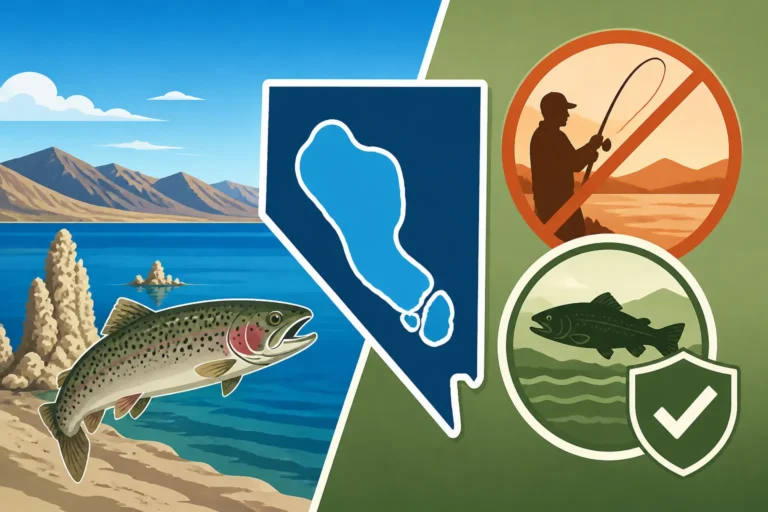
Your Nevada Disabled Veteran Fishing License is generally valid throughout most public fishing waters in the state, from the sprawling expanse of Lake Mead Nevada Fishing Guide to the tranquil beauty of high-desert streams. This means you can cast your line for trout, bass, catfish, and other species wherever fishing is permitted under statewide regulations. However, there's one very significant exception that often catches anglers off guard: Pyramid Lake. This incredible fishery, known for its trophy Lahontan Cutthroat Trout, is located on tribal land of the Pyramid Lake Paiute Tribe. To fish here, everyone, regardless of state license type, must purchase a separate Pyramid Lake Fishing Permit Guide directly from the tribe. Your state license, even the disabled veteran one, does not cover fishing at Pyramid Lake. It's a common misconception, so it's worth highlighting. Always double-check local regulations for any specific body of water you plan to visit, as some private ponds or unique areas might have their own permit requirements. This ensures you're always fishing legally and respectfully.
Common Misconceptions and Avoiding Violations
One of the biggest misconceptions veterans might have is that their special status somehow grants them carte blanche on the water. While the spirit of the license is to honor service, it absolutely does not grant immunity from fishing laws. Things like daily bag limits, size restrictions for specific species (e.g., Nevada Bass Daily Limit and Size Rules), and designated fishing seasons or closures are still strictly enforced. For example, if you're fishing a stocked pond in an urban area like those covered in the Las Vegas Nevada Urban Pond Fishing Guide, you still need to adhere to the limits for stocked trout. Another common mistake is assuming the license covers activities beyond fishing, such as hunting, without a separate Nevada Combination Hunting and Fishing License. It's solely for fishing. Always carry your physical license or digital proof when you're on the water, as game wardens can and will ask to see it. Getting caught without it or violating other regulations, even unintentionally, can result in fines and potentially even the suspension of your fishing privileges. A quick check of the current NDOW fishing handbook before each season is always a smart move.
Beyond the License: Accessible Fishing in Nevada
Having the license is just the first step. For disabled veterans, truly enjoying the fishing experience often means finding locations and gear that cater to diverse accessibility needs. Nevada, while largely wild, does have some fantastic resources to help.
Popular Accessible Fishing Spots for Veterans
Nevada offers several fishing locations that are known for their accessibility features, making them ideal for disabled veterans. These spots often include paved paths, accessible docks or fishing platforms, and nearby restrooms. For instance, many of the urban ponds in the Las Vegas area, such as those at Floyd Lamb Park or Sunset Park, are actively managed by NDOW and often have accessible features. They are regularly stocked with trout during cooler months, providing consistent action for anglers. In northern Nevada, Sparks Marina in Sparks often has accessible shorelines and fishing piers. Lake Tahoe, while vast, has some developed areas like those at Sand Harbor or Cave Rock that offer paved access to scenic overlooks and sometimes fishing spots. Even some state parks like Spring Valley State Park or Cave Lake State Park in eastern Nevada have accessible facilities near their reservoirs, providing a tranquil escape. These locations are designed to minimize barriers, allowing you to focus on the joy of fishing rather than logistical challenges. Searching for "accessible fishing piers Nevada" can often yield good results for current, detailed information.
Adaptive Gear and Resources
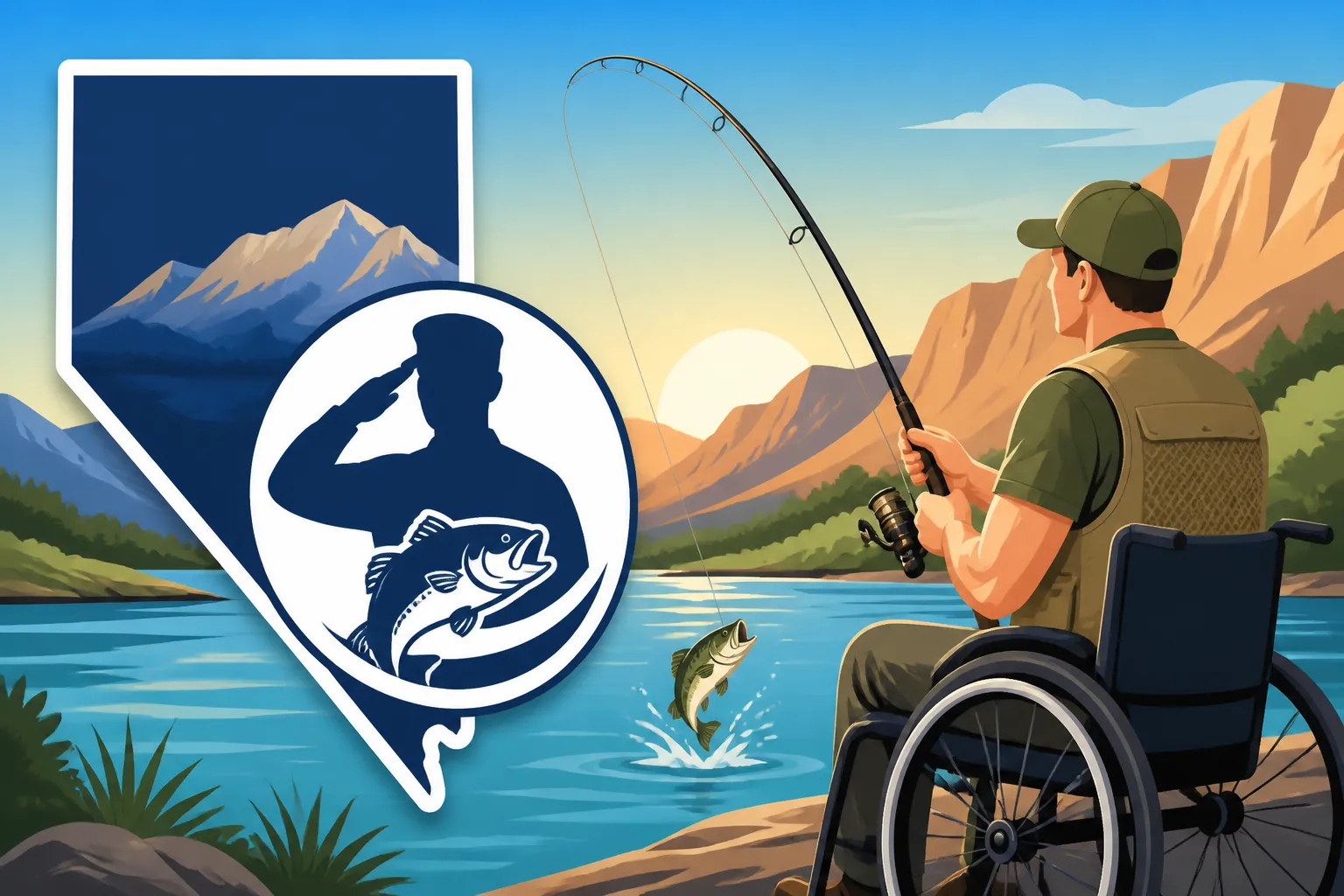
The world of fishing has come a long way in terms of adaptive equipment, making it possible for veterans with a wide range of disabilities to enjoy the sport. From rod holders that can be mounted to wheelchairs or mobility scooters, to reels designed for one-handed operation, there's an increasing array of gear available. Lightweight rods and reels can reduce fatigue, while specialized grip aids can assist those with limited dexterity. Online retailers like Amazon are excellent resources for finding adaptive fishing gear, where you can read reviews and compare products to find what best suits your individual needs. Many local tackle shops, like those you might find near Best Places to Fish in Nevada, are also becoming more knowledgeable about adaptive equipment and can offer personalized advice. Beyond gear, connecting with local veteran fishing organizations or disability support groups can provide invaluable information, camaraderie, and even guided trips specifically tailored for disabled veterans. These groups often know the best local spots and have resources to help you get out on the water comfortably and safely. Don't forget the importance of sun protection in the Nevada desert; a good wide-brimmed hat and polarized sunglasses can be found on Amazon as well. Organizations like Heroes on the Water and Project Healing Waters Fly Fishing are examples of national programs with local chapters that help veterans find peace and rehabilitation through fishing.
Disclaimer
The information provided in this guide is intended for general informational purposes only and does not constitute legal advice. While we strive to ensure accuracy, fishing regulations and license requirements are subject to change by the Nevada Department of Wildlife (NDOW) and other governing bodies. Always consult the official NDOW website, the current Nevada Fishing Regulations handbook, or contact NDOW directly for the most up-to-date and specific information regarding licenses, eligibility, and regulations.