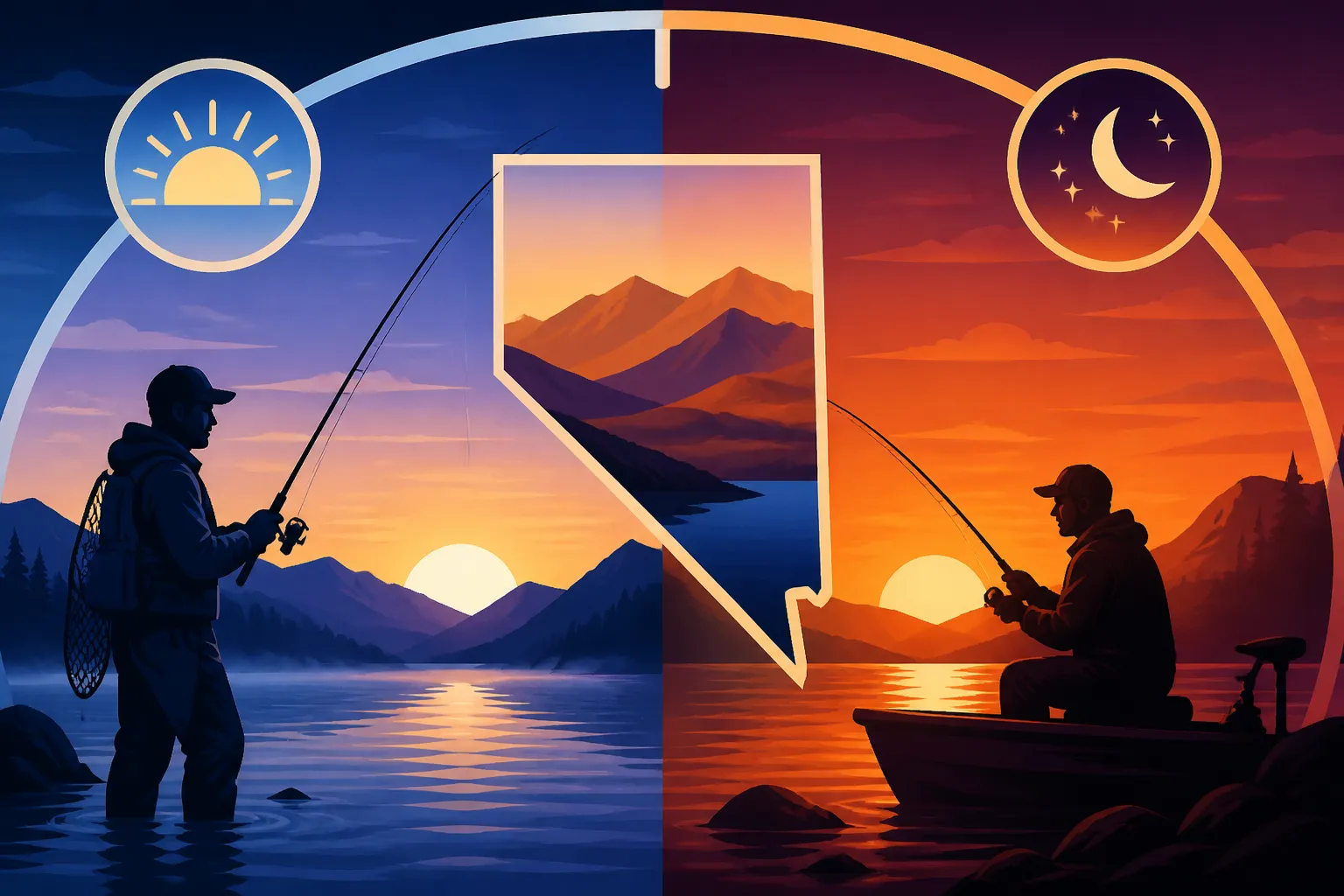
Nevada fishing hours before sunrise and after sunset
It’s a common scenario: you arrive at your favorite fishing spot just as the first hint of light paints the horizon, or you’re hoping to extend your session into the twilight, chasing those elusive, big fish that become more active when the sun dips low. But then a nagging thought creeps in – are you actually allowed to be fishing right now? Nevada's vast and varied waters, from sprawling desert reservoirs to tranquil urban ponds, come with their own set of rules, and fishing hours before sunrise and after sunset are a frequent source of confusion for many anglers. This comprehensive guide is here to clear up the mystery, breaking down the specific regulations you need to know to enjoy Nevada's incredible fishing opportunities legally and safely, whether you're an early bird or a night owl.
Understanding Nevada's General Fishing Hour Regulations
Navigating the rules around when you can actually cast a line can feel like deciphering an ancient text, especially when you're dealing with different bodies of water and varying species. Nevada's regulations generally aim to strike a balance between providing ample opportunity for anglers and managing resources responsibly, often with a strong emphasis on safety and enforceability.
The Standard "Daylight Hours" Rule
For many of Nevada's waters, especially smaller lakes, rivers, and streams, the prevailing rule is that fishing is permitted during "daylight hours." Now, what exactly does "daylight hours" mean? It’s not always a hard and fast clock time, but rather a general period from roughly half an hour before sunrise to half an hour after sunset. This isn't just a random guideline; it's rooted in practical considerations. For one, it's a safety measure. Fishing in complete darkness, especially in unfamiliar or rugged terrain, can be hazardous. It also makes it easier for wildlife enforcement officers to monitor activities, ensure compliance with bag limits, and prevent poaching.
Imagine you're at a lesser-known trout stream in the eastern part of the state, perhaps in the Ruby Mountains. You've hiked in, set up your gear, and are eager to catch some brook trout. If you arrive well before the sun crests the peaks, you might be technically fishing outside legal hours. While it might seem harmless, these rules are in place to manage the overall fishing pressure and ensure everyone is operating under the same clear guidelines. It's not about catching you out, but about maintaining order and safety on public lands. Many high-elevation lakes and smaller river stretches fall under this general "daylight hours" provision, so it’s always best to plan your trips to align with the sun's schedule. You'll find these nuances thoroughly explained in the official Nevada Fishing Regulations Explained.
When Night Fishing is Permitted and Why
While "daylight hours" is a common baseline, it's certainly not a universal prohibition against fishing after dark. In fact, some of Nevada's most popular fishing destinations explicitly allow night fishing, and for very good reasons. Certain fish species become significantly more active under the cloak of darkness. Channel catfish, for instance, are notoriously nocturnal feeders, often retreating to deeper, cooler waters during the day and venturing into shallower areas to forage at night. Similarly, larger predatory fish like striped bass in the big desert reservoirs often feed aggressively during the cooler, darker hours, making night fishing not just an option, but often the best option for success.
The allowances for night fishing are usually granted in specific bodies of water where it’s deemed safe and manageable. Large reservoirs like Lake Mead and Lake Mohave, with their vast open waters and established infrastructure, are prime examples. The sheer size of these lakes means different dynamics for both fish behavior and angler safety compared to a small stream. Here, the emphasis shifts more towards targeting specific species effectively. For instance, if you're out on Lake Mead chasing those hard-fighting stripers, you'll quickly learn that fishing from dusk through dawn can be incredibly productive, often yielding larger fish than daytime efforts. This is a common practice, and the regulations reflect that, allowing anglers to maximize their chances when the fish are most cooperative.
Regional and Water-Specific Variations to General Rules
It's crucial to understand that Nevada's fishing regulations are not a one-size-fits-all blanket statement. What's legal at one lake might be a violation at another, even if they're relatively close by. This is where researching your specific destination becomes incredibly important. The Nevada Department of Wildlife (NDOW) manages an incredibly diverse range of aquatic habitats, from the high desert oases to the deep, cold waters of Lake Tahoe, and each often comes with its own set of rules tailored to that ecosystem and the species within it.
Take, for example, the stark contrast between a sprawling reservoir like Lake Mead and a more confined body of water such as an urban pond in Las Vegas. Lake Mead is typically open for 24-hour fishing, allowing you to chase striped bass or catfish all through the night. However, an urban pond, like those found in city parks, will almost always have strict park hours, meaning you must be off the water and out of the park by closing time, usually well before true darkness sets in. These variations aren't arbitrary; they reflect different management goals, public safety considerations, and the unique characteristics of each fishery. So, before you head out, always make sure to double-check the regulations for the specific lake, river, or pond you plan to fish. This due diligence ensures you're fishing legally and avoid any unfortunate surprises.
Navigating Fishing Times at Popular Nevada Waters
Nevada boasts some truly iconic fishing destinations, each with its own charm, challenges, and, you guessed it, specific rules regarding fishing hours. Knowing these nuances for popular spots is key to a successful and compliant outing.
Lake Mead and Lake Mohave's Generous Hours
If you're looking to fish through the night, chasing the twilight bite or enjoying the solitude under a blanket of stars, then Lake Mead and Lake Mohave are likely at the top of your list. These vast reservoirs, part of the Lake Mead National Recreation Area, generally offer anglers the freedom to fish 24 hours a day, seven days a week. This open-ended schedule is a huge draw for those targeting species that prefer the cooler, darker hours.
Imagine you’re out on Lake Mead. The scorching desert sun has finally dipped below the Black Mountains, and the air begins to cool. This is often when the striped bass go on a feeding frenzy, aggressively chasing baitfish in the shallower coves or along submerged points. Being able to continue fishing through the night means you can capitalize on these prime feeding windows. Anglers often set up camp or moor their boats, enjoying the calm waters and the thrill of a hard-fighting striper taking their bait in the dark. Similarly, channel catfish are a popular target for night anglers on both Lake Mead and Lake Mohave, as they're known to cruise the shallows after sunset. The ability to fish at any hour allows for diverse angling strategies, from deep-water trolling during the day to bait fishing from the bank at midnight. This is a common question, and yes, Is fishing allowed at night at Lake Mead? is a resounding yes! Just remember, while the fishing hours are generous, other regulations like bag limits and specific gear restrictions still apply.
Pyramid Lake's Unique Time Restrictions
Pyramid Lake, home to the world-famous Lahontan cutthroat trout and located on tribal land, operates under a completely different set of rules than state-managed waters. This often catches out-of-state anglers or even Nevadans unfamiliar with its specific regulations. Fishing here is typically restricted to specific daylight hours, usually from one hour before sunrise to one hour after sunset. These hours are strictly enforced by the Pyramid Lake Paiute Tribe, who manage the fishery.
The rationale behind these specific hours is multi-faceted. It's partly about resource management and conservation of the unique Lahontan cutthroat trout, but also about maintaining order and safety on the reservation. The sheer size of Pyramid Lake, combined with its often-treacherous weather conditions, means that night fishing would introduce significant safety concerns and make enforcement incredibly difficult. So, if you're planning a trip to Pyramid Lake, always make sure to check the current year's tribal regulations booklet for the precise fishing hours. These can sometimes shift slightly from year to year. You'll also need a special Pyramid Lake Tribal Fishing Permit in addition to your state fishing license. Disregarding these specific Pyramid Lake legal fishing hours could lead to fines or even expulsion from the reservation. It’s a truly special fishery, and respecting their rules is part of the privilege of fishing there.
Urban Ponds and State Parks: Specific Curfews
For many families or casual anglers, urban ponds and state park lakes offer convenient and accessible fishing opportunities. These spots, however, almost always come with strict park operating hours, which in turn dictate your fishing schedule. Typically, these parks open around sunrise and close an hour or so after sunset, meaning night fishing is generally prohibited.
Think about places like Floyd Lamb Park in Las Vegas, or other NDOW-stocked ponds throughout the state. These are often within city limits or managed parks with specific curfews to ensure public safety, park maintenance, and security. It's not uncommon to see signs posted at the entrance or around the pond detailing the opening and closing times. If you’re fishing at Sunset Park pond in Las Vegas, for example, you're expected to pack up and leave when the park officially closes for the evening. These rules are in place for a reason – they help prevent vandalism, ensure the safety of visitors, and allow park staff to perform necessary duties without interruption.
Ignoring these park hours could lead to unwanted attention from park rangers, who are well within their rights to issue warnings or citations. Always check the posted signs or the park's official website before planning a dawn or dusk fishing trip to these locations. For a comprehensive look at urban fishing, check out our guide on Nevada urban pond fishing rules for Las Vegas. It's always better to be safe than sorry and ensure your outing respects the regulations of these community-focused fishing spots.
Practical Considerations for Fishing Before Sunrise and After Sunset
Fishing in low light or complete darkness presents unique challenges and opportunities. Beyond just knowing the legal fishing hours, it’s crucial to be prepared with the right gear, prioritize safety, and understand how fish behavior changes during these times.
Essential Gear for Low-Light Fishing
When the sun isn't providing natural light, you become entirely dependent on your own illumination. A reliable headlamp is absolutely non-negotiable for any pre-dawn or post-sunset fishing adventure. This isn't just about seeing where you're walking; it's about tying knots, re-rigging lines, baiting hooks, and safely navigating your boat or shoreline. Look for headlamps with multiple brightness settings and a red-light option (red light preserves night vision better and is less disruptive to fish and other anglers). Many quality options can be found on Amazon, offering different beam patterns and battery life.
Beyond personal lighting, consider other forms of illumination. If you're on a boat, ensure all navigation lights are in perfect working order, as required by law. Glow sticks can be incredibly useful for marking bobbers, rod tips, or even trail markers if you're hiking into a spot. Reflective tape on your gear or clothing can also enhance visibility, especially if other boaters or pedestrians might be around. A good quality lantern, whether battery-powered or propane, can also provide ambient light around your fishing station on shore or in your boat, making tasks much easier. For more in-depth advice, you might find our article on Best headlamp brightness for pre-dawn boat launches helpful in choosing the right light source. Having the right tools won't just make your low-light fishing more productive, it'll make it significantly safer.
Safety and Preparedness: More Than Just Regulations
While regulations dictate when you can fish, personal safety dictates how you should fish, especially when darkness falls. The risks associated with fishing increase dramatically in low light. Uneven terrain becomes harder to see, making slips and falls more likely. Water hazards, submerged obstacles, and changes in depth are all amplified.
Before heading out, always inform someone of your plans – where you're going, when you expect to return, and who you're with. Even for a short evening trip, this simple step can be a lifesaver. Pack layers of clothing, even in the desert, as temperatures can drop significantly after sunset. A sudden chill can quickly turn an enjoyable outing into a miserable one. A well-stocked first-aid kit is another essential, ready for minor cuts, scrapes, or insect bites.
If you're boating, check the weather forecast meticulously. Wind can pick up unexpectedly, and navigating large reservoirs in the dark during choppy conditions is extremely dangerous. Ensure all required safety equipment, like life jackets for every passenger, throwable flotation devices, and a sound-producing device (like a whistle or horn) are on board and easily accessible. Remember, even experienced anglers can be caught off guard, so being over-prepared is always the smarter choice. This kind of planning extends to ensuring all your boat registration is up to date, a topic covered in our Nevada Boat Registration for Anglers guide.
Targeting Nocturnal and Crepuscular Species
The beauty of fishing before sunrise and after sunset lies in the unique opportunities it presents for targeting specific fish species. Many of Nevada's most sought-after fish, like channel catfish and striped bass, are crepuscular (most active during twilight) or nocturnal.
Channel catfish, often found in the warmer waters of Lake Mead, Lake Mohave, and various urban ponds, use the cover of darkness to move into shallower feeding grounds. They rely heavily on their acute sense of smell and touch to find food, making smelly baits like chicken liver, cut bait, or even prepared stink baits incredibly effective. For detailed bait suggestions, check out Best bait for channel catfish at night.
Striped bass, particularly in Lake Mead and Lake Mohave, are notorious for their aggressive surface activity during low light. As the sun dips, baitfish like threadfin shad often move into shallower water, and stripers follow, pushing them against the surface in spectacular feeding frenzies. Topwater lures, swimbaits, or even live anchovies can be incredibly effective during these times. Night fishing for stripers often involves casting towards any surface commotion or positioning yourself near lighted areas where baitfish congregate. For more specific tactics, you might want to read up on Night Fishing Techniques for Striped Bass. Even some trout, especially larger brown trout and cutthroat, can become more daring and active in low light, moving from deep cover to hunt in shallower areas. Understanding these natural patterns can significantly improve your success rates when venturing out during non-daylight hours.
How to Confirm Current Fishing Hours and Avoid Violations
The best way to ensure you're always fishing legally and safely is to be proactive about understanding the regulations. Guessing or relying on outdated information can lead to disappointment and costly penalties.
Checking Official Nevada Department of Wildlife NDOW Resources
The absolute authority for Nevada fishing regulations is the Nevada Department of Wildlife (NDOW). They publish an annual fishing regulations booklet that details all statewide, regional, and specific water body rules, including fishing hours, bag limits, gear restrictions, and season dates. This booklet is an invaluable resource and should be consulted before any fishing trip, especially if you're visiting a new area or a body of water with known special rules.
You can usually find the most current version of this booklet on the official NDOW website, often available as a downloadable PDF. Many sporting goods stores and license vendors also carry physical copies. It’s not just a dry list of rules; it often includes maps, stocking schedules, and other helpful information. While a website might give you general rules, the booklet provides the comprehensive, legally binding details. Our guide on Where to find the Nevada fishing regulations booklet offers more insight on accessing this essential document. Always make it your first stop to confirm any specific rule, including those pertaining to fishing hours.
Local Signage and Park Ranger Guidance
While the NDOW booklet provides the overarching regulations, specific locations, particularly those within state parks, county parks, or urban areas, often have additional site-specific rules posted. These signs might detail unique fishing hours, bait restrictions, or other local ordinances that supplement or override the general state rules for that particular spot.
It's common to see "Park Hours" signs at the entrance to recreational areas, clearly stating when the park opens and closes. These hours almost always apply to fishing activities as well. Always take a moment to read any posted signage at your chosen fishing destination. If there's any doubt or confusion, don't hesitate to ask a park ranger or local tackle shop staff. These individuals are usually very knowledgeable about the specific waters they oversee or serve and can provide real-time, accurate information. A friendly chat at a place like a Best local tackle shop near Las Vegas can clarify more than just fishing hours; they can also offer invaluable local tips. They'd much rather answer a question than deal with a violation later.
Potential Penalties for Fishing Outside Legal Hours
Fishing outside the legally designated hours, whether accidentally or intentionally, constitutes a violation of Nevada's fishing regulations. The consequences can range from a warning to significant fines, confiscation of gear, or even the suspension of your fishing privileges. Enforcement officers, known as game wardens, have the authority to issue citations for such infractions.
The exact penalty can vary depending on the severity of the offense, whether it's a first-time or repeat offense, and the specific circumstances. For example, fishing an hour past closing at an urban pond might result in a warning or a relatively small fine, whereas being caught poaching during a closed period or in a restricted area could lead to much harsher penalties. Ignorance of the law is generally not considered a valid excuse, which is why diligent research into the regulations is so important. These penalties are designed to deter illegal activity, protect fish populations, and ensure that all anglers are playing by the same rules. It's much like understanding the Nevada fishing without a license fine amount – it's always better to be fully compliant than face unexpected legal trouble. A little preparation goes a long way in ensuring your fishing trips remain enjoyable and trouble-free.
Nevada Fishing Hours Summary Table
To help you quickly reference the general rules for different types of Nevada waters, here's a handy summary. Remember, always double-check the latest NDOW regulations and local signage for the most accurate and up-to-date information for your specific fishing destination.
| Water Type | Typical Fishing Hours | Key Considerations & Examples |
|---|---|---|
| Statewide General Rule | Approximately 1/2 hour before sunrise to 1/2 hour after sunset | Applies to most rivers, streams, and smaller, less regulated lakes. |
| Large Reservoirs | 24 hours a day, 7 days a week | Lake Mead, Lake Mohave. Great for night fishing striped bass and catfish. |
| Pyramid Lake (Tribal Land) | One hour before sunrise to one hour after sunset | Strictly enforced. Requires a tribal permit in addition to state license. |
| Urban Ponds/City Parks | Align with specific park operating hours | Floyd Lamb Park, Sunset Park (Las Vegas). Often sunrise to sunset or fixed times. |
| State Parks/Recreation Areas | Align with specific park operating hours | Cave Lake State Park, Echo Canyon Reservoir. Check park entrance signs. |
| High Mountain Lakes | Generally daylight hours | Remote, wilderness lakes. Safety is a primary concern in low light. |
Disclaimer
The information provided in this guide is for general informational purposes only and is subject to change. While we strive to provide accurate and up-to-date information, fishing regulations can be complex and are regularly updated by the Nevada Department of Wildlife (NDOW) and other managing agencies. Always consult the official NDOW fishing regulations booklet, tribal authority regulations (for places like Pyramid Lake), and any posted signage at your specific fishing location before engaging in any fishing activities. Compliance with all applicable laws and regulations is the sole responsibility of the angler.