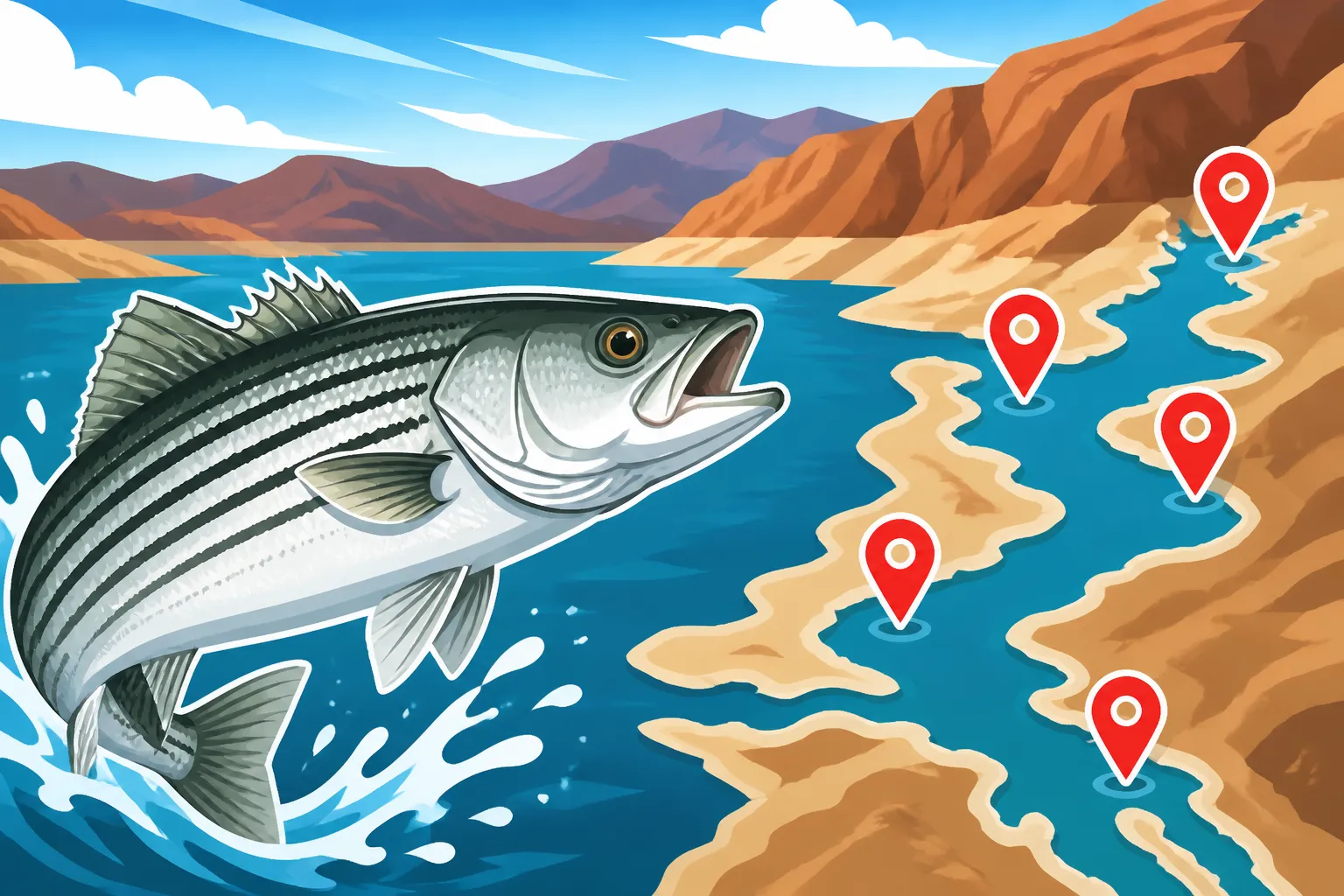
Where to catch striped bass at Lake Mead
You've probably heard the legendary tales of Lake Mead's striped bass – those hard-fighting, schooling fish that can make for an unforgettable day on the water. But actually finding these elusive giants can feel like searching for a needle in a desert haystack, especially on a lake as vast and dynamic as Lake Mead. This comprehensive guide is designed to cut through the guesswork, pinpointing the prime locations and effective strategies to help you successfully target striped bass across this iconic Nevada reservoir.
Understanding Lake Mead's Striped Bass Habits
To consistently catch striped bass on Lake Mead, you first need to understand their behavior. These fish aren't just swimming around aimlessly; they're driven by instincts related to food, temperature, and reproduction. Lake Mead is a challenging fishery, with constantly changing water levels and vast expanses, making knowledge of striper habits your most potent weapon. Knowing where they are likely to be, and why, is crucial.
Seasonal Movements and Forage
Striped bass are highly migratory within Lake Mead, their movements largely dictated by water temperature and the availability of their primary food sources, mainly threadfin shad and sometimes gizzard shad. In the cooler months of fall and winter, stripers often move into shallower coves and arms, sometimes even venturing into the main basin to feed on large schools of shad. This is when you might find them in depths of 20-50 feet, particularly around areas where shad are schooling up. They can be found cruising shorelines or suspended over submerged structures, ambushing baitfish.
As spring arrives, the water warms, and stripers become more active, moving to spawn in the main lake or upstream sections of the Virgin and Muddy Rivers, though successful reproduction is rare due to limited suitable habitat. Post-spawn, they disperse, often forming large, nomadic schools that chase shad. During the sweltering Nevada summer, stripers typically retreat to deeper, cooler waters during the day, often suspending over ledges, submerged islands, or deep points in 50-100 feet of water or more. They'll often push bait to the surface during low light conditions – dawn, dusk, or even at night – creating exciting topwater action. Understanding these Striped Bass Seasonal Patterns is fundamental to locating them throughout the year.
Preferred Habitat and Structure
Striped bass are opportunistic predators that thrive in open water but relate strongly to structure, especially when resting or ambushing prey. On Lake Mead, this means looking for specific types of features. Drop-offs, submerged humps, canyons, and points where depths quickly change are prime holding areas. These geological features create current breaks and ambush points where stripers can wait for schools of shad to pass by. You'll often find them lurking on the deep-water side of these structures.
They also congregate around man-made structures like submerged roadways, old building foundations, or even brush piles that accumulate over time. While not typically a "cover" fish like largemouth bass that hide in thick vegetation, stripers will use any available structure that offers a feeding advantage. In particular, when the water levels are lower, previously submerged islands or rock piles become more accessible and can hold significant numbers of fish. Keeping an eye on How water level affects fishing at Lake Mead is vital, as changes can reveal new hot spots or make old ones less productive.
Top Spots to Target Striped Bass at Lake Mead
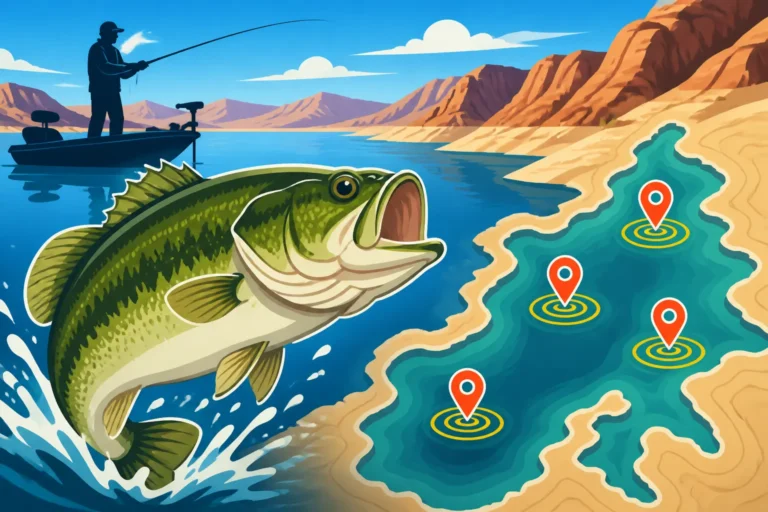
Lake Mead is enormous, encompassing thousands of acres of water, and trying to find stripers without a plan can be overwhelming. Focusing on historically productive areas will significantly increase your chances. Each region of the lake offers unique characteristics that appeal to striped bass at different times and under various conditions.
Hemenway Harbor and Boulder Basin
The Boulder Basin area, including Hemenway Harbor, is one of the most accessible and popular fishing zones on Lake Mead, and for good reason – it's a consistent producer of striped bass. Hemenway Harbor itself, especially its entrance and the surrounding deep points, often holds schools of stripers. The deep water in this part of the lake allows stripers to find cooler temperatures in summer, while the extensive underwater structure provides ample hunting grounds.
Anglers often have success around the submerged infrastructure near the harbor, as well as the numerous rocky points and ledges extending into the main basin. The deeper areas adjacent to the Las Vegas Bay entrance, often referred to as "the Narrows," are also excellent spots, especially during feeding frenzies. Early mornings and late evenings are prime times, as stripers push shad to the surface. It's not uncommon to witness impressive boils of schooling stripers here. If you're planning a trip, check out the Best time of day to catch striped bass at Hemenway Bay for specific advice. Many anglers looking for a productive day consider chartering a trip through services like FishingBooker to leverage local knowledge of these hotspots.
Government Wash and Callville Bay
Moving northeast, Government Wash and Callville Bay present another set of prime striper fishing opportunities. Government Wash, known for its expansive shallow flats that gradually drop into deeper channels, is a fantastic area during the cooler months when stripers cruise shallower water. Look for the transition zones where the flats meet deeper water. The numerous coves and points within the wash provide excellent ambush points. As the water warms, stripers will retreat to the deeper channels and the main lake access points from the wash.
Callville Bay, a sprawling area with a variety of depths and structures, is a year-round striper haven. The entrance to Callville Bay, with its deep water and complex underwater topography, is a key area. The points and humps inside the bay itself also hold fish, especially where shad schools gather. During the summer, stripers often suspend in the deeper parts of the bay, making them ideal targets for downrigging or jigging techniques. Both areas can be subject to strong winds, so always keep an eye on the forecast and ensure you have all the Essential Safety Gear for Boating on Lake Mead before heading out.
Overton Arm and Temple Bar
For those willing to venture further up-lake, the Overton Arm and Temple Bar areas offer a distinctly different, yet highly productive, striper fishing experience. The Overton Arm is characterized by its long, winding channels, sheer cliff walls, and numerous side coves. This area often has murkier water due to inflow from the Virgin and Muddy Rivers, which can sometimes concentrate baitfish and, consequently, stripers. The deeper channels and major points in the Overton Arm are excellent for trolling or vertically jigging for suspended stripers, particularly in the summer.
Temple Bar, located just south of the main Overton Arm, provides access to some incredibly productive deep-water fishing. The deep-water canyons and ledges around Temple Bar are classic striper haunts. During the warmer months, this is a prime location to find large schools of stripers holding deep. Anglers here often employ downriggers to present baits and lures at precise depths. The rocky points and submerged islands leading into the main channel also hold fish. These more remote areas can provide some incredible fishing, but require careful navigation and planning. Many experienced anglers utilize charter services found on platforms like FishingBooker to explore these less-frequented but highly rewarding striper grounds.
Essential Techniques for Lake Mead Stripers
Once you've located a promising area, the next step is to employ the right techniques to entice those powerful stripers. Lake Mead's unique environment often calls for a blend of traditional methods and specialized approaches to succeed. From live bait strategies to aggressive lure presentations, having a diverse toolkit will greatly improve your catch rates.
Live Bait and Chumming Strategies
When it comes to consistently catching striped bass on Lake Mead, especially larger ones, it's hard to beat live bait. Threadfin shad are the natural forage for stripers, and using them as bait is often incredibly effective. Anglers typically catch their own shad using a cast net in shallower coves during early morning or late evening. Once you have a supply, presenting them live is key. A common rig involves a single hook (usually a 4/0 to 6/0 circle hook) through the nose or back of the shad, free-lined or under a balloon, allowing it to swim naturally.
Chumming can be an absolute game-changer, especially when fish are deep or spread out. Chumming involves distributing finely chopped anchovies or other oily bait into the water to attract stripers and stimulate a feeding response. Many anglers combine chumming with live bait, dropping a live shad into the chum line. The scent trail pulls stripers in, making them more aggressive and competitive. Mastering Chumming and Anchovy Techniques for Stripers can turn a slow day into a striper frenzy. Remember to anchor up-current from where you expect the fish to be, allowing the chum to drift down to them.
Lure Fishing and Trolling Approaches
While live bait is king for some, lure fishing offers a more active and often just as productive approach, especially when stripers are actively schooling or chasing bait on the surface. For topwater action, particularly at dawn or dusk when stripers are busting shad, large poppers, walk-the-dog baits, and even big swimbaits can trigger explosive strikes. Seeing a striper explode on a topwater lure is an unforgettable experience.
When stripers are deeper or suspended, jigging is incredibly effective. Heavy metal spoons, vertical jigs, or large soft plastic swimbaits rigged on heavy jig heads can be dropped down to the fish. The key is to use your fish finder to pinpoint schools and then drop your jig directly into them, working it with an aggressive lift-and-drop motion. Trolling is another highly efficient method for covering vast amounts of water and locating nomadic schools of stripers. Deep-diving crankbaits, spoons, or even umbrella rigs can be trolled at various depths using lead core line or downriggers. This is particularly effective in the main basins and large arms of the lake. For more specific lure choices, check out the Best Lures for Striped Bass.
Gear Recommendations for Lake Mead Striper Fishing
Having the right equipment can make all the difference between a frustrating day and a successful one, especially when you're battling powerful striped bass on a large body of water like Lake Mead. Investing in reliable gear suited for this specific type of fishing will pay dividends.
Rods, Reels, and Line
For general striped bass fishing on Lake Mead, a medium-heavy to heavy action spinning or baitcasting rod, typically 6'6" to 7'6" in length, is ideal. This rod provides the backbone needed to cast heavy lures or baits and to fight strong fish. Pair this with a robust reel capable of holding at least 200 yards of line. Spinning reels in the 4000-6000 size range or baitcasting reels with a good drag system are excellent choices. A good drag is paramount, as stripers are known for powerful initial runs.
Line selection is also critical. Many anglers prefer braided line (30-50 lb test) due to its strength, thin diameter, and sensitivity, especially for jigging in deep water. A fluorocarbon leader (20-40 lb test) is often tied to the braid for invisibility and abrasion resistance. Monofilament line (15-25 lb test) can also be effective, particularly for trolling or live bait fishing, where its stretch can be an advantage. For a broader overview of what to bring, consider reading up on Nevada Fishing Gear Essentials.
Electronics and Safety Gear
On a lake the size of Lake Mead, a reliable fish finder with GPS capabilities is almost non-negotiable. This tool allows you to pinpoint schools of baitfish, identify submerged structure, and mark schools of stripers, especially when they're holding deep or suspended. Side imaging or down imaging can give you an even clearer picture of the underwater world, helping you identify prime ambush points that might otherwise go unnoticed. The GPS function is crucial for marking productive spots and safely navigating the vast lake, particularly in areas with fluctuating water levels and submerged hazards.
Beyond fishing-specific gear, safety should always be your top priority on Lake Mead. The lake can become rough very quickly, with strong winds whipping up large waves. Always carry Coast Guard-approved life jackets for everyone on board, a throwable flotation device, a whistle or horn, and a fire extinguisher. A well-stocked first-aid kit, plenty of water, and sun protection (hats, sunglasses, sunscreen) are also essential given the intense desert sun. Filing a float plan with a trusted contact is also a smart move, especially if you're venturing to more remote areas. Remember, being prepared ensures a safe and enjoyable day on the water. You can find more comprehensive details on Essential Safety Gear for Boating on Lake Mead.
| Hotspot | Best Time of Year | Primary Technique | Notes |
|---|---|---|---|
| Hemenway Harbor | Year-round | Live Bait, Topwater, Jigging | Excellent access, visible boils, deep structure. Popular. |
| Government Wash | Cooler months | Live Bait, Lures | Shallow flats, deeper channels. Good for cruising stripers. |
| Callville Bay | Year-round | Trolling, Jigging | Wide bay with varied depths, good for suspended fish. |
| Overton Arm | Warm months | Trolling, Jigging | Deep channels, murkier water, remote. |
| Temple Bar | Warm months | Trolling, Downrigging | Deep canyons, ideal for targeting large, deep-holding schools. |
Finding and catching striped bass on Lake Mead can be one of Nevada's most rewarding fishing experiences. It takes patience, knowledge, and the right approach, but the thrill of battling a hard-fighting striper is truly unmatched. By understanding their seasonal movements, targeting the right locations, and employing effective techniques like those covered here, you'll be well on your way to a successful day. Don't forget that Night Fishing Techniques for Striped Bass can also be incredibly effective, especially in the heat of summer when they feed under the cover of darkness. Remember, always respect the lake, practice responsible angling, and enjoy the incredible opportunities that Lake Mead provides.
Disclaimer
The information provided in this guide is for general informational purposes only and is not intended as legal or professional advice. Fishing regulations, conditions, and fish behavior can change rapidly. Always consult the latest Nevada Department of Wildlife (NDOW) regulations before fishing and prioritize your safety on the water.