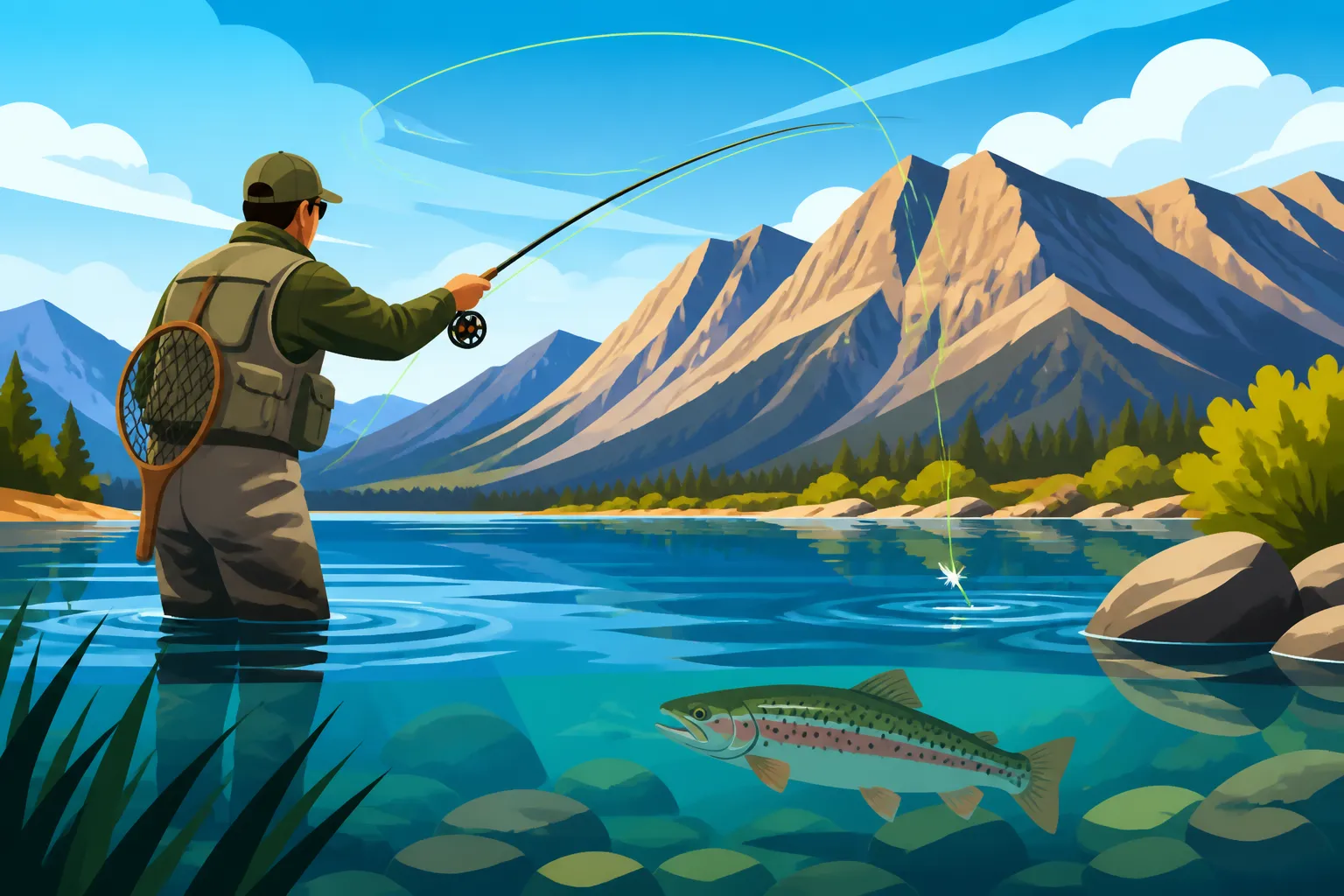
Best Nevada lake for fly fishing
Trying to figure out which Nevada lake offers the absolute best fly fishing experience can feel like searching for a hidden oasis in the desert – you know they're out there, but finding the truly exceptional ones takes local knowledge. Many anglers, especially fly fishers, might overlook Nevada, thinking it's all just slot machines and sand, but they'd be missing out on some incredible, unique opportunities. This guide will take a deep dive into the Silver State's premier fly fishing lakes, helping you understand what makes them special, what to expect, and how to tackle them with a fly rod.
Understanding Nevada's Unique Fly Fishing Landscape
Nevada's reputation as a desert state often overshadows its surprising and diverse aquatic ecosystems. While we don't have the sprawling, lush rivers of some other western states, what we do have are spectacular high-desert lakes, reservoirs, and mountain streams that hold thriving populations of trout and other game fish. Fly fishing here isn't just a pastime; it's an adventure into landscapes that can be both breathtakingly beautiful and intensely challenging. You'll find yourself casting against dramatic backdrops, from the vivid blues of Lake Tahoe to the ancient, stark beauty of Pyramid Lake.
Key Fish Species for Fly Anglers
When you're gearing up to fly fish in Nevada, your primary targets are going to be trout, with a few exciting exceptions. The star of the show for many is the Lahontan cutthroat trout, a native species that reaches truly enormous sizes in certain waters. These fish are powerful, aggressive, and offer an unforgettable fight on a fly rod. Rainbow trout are also prevalent, both wild populations in cooler streams and heavily stocked fish in many reservoirs and urban ponds. Brown trout, known for their elusive nature and predatory instincts, can be found in a number of lakes and rivers, often growing quite large. Beyond these, you might encounter tiger trout, a sterile hybrid known for its striking patterns and aggressive takes, or even the occasional Mackinaw (lake trout) if you're targeting deeper waters with heavy sinking lines and large streamers. Understanding your target species' habits will be key to your success.
Unique Challenges of Desert Fly Fishing
Fly fishing in Nevada is not without its specific quirks and challenges. The most immediate one you'll notice is the wind. It's often relentless, especially on large, open bodies of water like Pyramid Lake or Lake Mead. This means you need to be proficient in casting in windy conditions and sometimes even adjust your entire approach, opting for heavier flies or more robust setups. The intense Nevada sun is another factor; it can be brutal, even in cooler months. Proper sun protection – wide-brimmed hats, long-sleeved UPF clothing, polarized sunglasses, and plenty of sunscreen – isn't just recommended, it's essential for comfort and safety. Lastly, insect hatches can be more sporadic or less diverse than in other regions. This often means relying more heavily on subsurface patterns like nymphs, midges, and streamers, and being able to "match the hatch" with smaller, subtler imitations when the opportunity arises. It forces you to be a more versatile and adaptable fly angler.
Top Lakes for Fly Fishing in Nevada
Alright, let's get to the good stuff. While Nevada boasts many fishing spots, a few lakes stand head and shoulders above the rest when it comes to exceptional fly fishing opportunities. These are the places that draw dedicated fly anglers from all over the world.
Pyramid Lake: Home of the Giants
If you're a fly angler and you haven't heard of Pyramid Lake, you're missing out on one of the most unique and productive Lahontan cutthroat trout fisheries on the planet. Located northeast of Reno on the Pyramid Lake Paiute Reservation, this ancient lake is a geological wonder and the only remaining natural habitat for the Cui-ui fish and the legendary Lahontan cutthroat trout. These cutthroats grow to incredible sizes here, with fish over 15 pounds being caught regularly, and true giants in the 20-30 pound class still making appearances.
Fishing at Pyramid is a different ballgame. You'll often see anglers using "ladders" – stepladders set up in the shallow waters just off the bank – to gain casting distance and a better vantage point over the drop-offs where the big cutthroat cruise. The main techniques involve stripping large streamers (like Pyramid Lake buggers, woolly buggers, or Tui Chub imitations) or indicator fishing with balanced leeches, midges, or chironomids. The key is understanding the lake's structure, which consists of steep drop-offs, shelves, and rock piles. The fish often move into shallower water during cooler months, making fall, winter, and spring the prime seasons. Before you go, remember that a Pyramid Lake Fishing Permit Guide is essential, as a standard Nevada Fishing License Guide is not valid on tribal lands. Checking local conditions and considering a guided trip, which you can often find through platforms like FishingBooker, is a smart move for your first visit to understand the nuances of this incredible fishery.
Lake Tahoe: High Alpine Beauty with Deep Secrets
Straddling the Nevada and California border, Lake Tahoe is less known for its fly fishing than its larger neighbor, Pyramid, but don't let that fool you. The Nevada side of Lake Tahoe offers stunning scenery and fantastic opportunities, particularly for those willing to explore its vast depths. While it's most famous for its Mackinaw (lake trout), which can be targeted with heavy sinking lines and large streamers from boats, Lake Tahoe also holds populations of wild rainbow trout and brown trout, especially around tributary mouths and shallower bays during certain times of the year.
The crystal-clear waters of Tahoe mean stealth and presentation are paramount. For Mackinaw, you're typically looking at deep-water trolling or jigging with large, weighted flies. For rainbows and browns, early mornings and late evenings around submerged structures, rocky points, and weed beds can be productive. Consider using smaller streamers, nymphs, or even dry flies during sporadic hatches in the summer. Fishing Lake Tahoe comes with its own set of rules, so make sure you're familiar with the Lake Tahoe Nevada Fishing License Rules. The scale of Lake Tahoe is immense, so utilizing a boat or kayak can significantly expand your fly fishing horizons, allowing you to access remote coves and drop-offs.
Wildhorse Reservoir: Northern Nevada's Hidden Gem
Located in northeastern Nevada, about an hour north of Elko, Wildhorse Reservoir is a fantastic destination for fly anglers seeking a more traditional trout fishing experience. This beautiful reservoir is regularly stocked with rainbow trout and also holds healthy populations of brown trout and the elusive tiger trout. What makes Wildhorse special is its consistent production and diverse fishing options, including ice fishing for fly anglers in the winter months.
Wildhorse is particularly good for bank access and float tube fishing, making it more accessible for those without a boat. Strategies here include stripping streamers (think olive or black woolly buggers), fishing balanced leeches under an indicator, or presenting chironomids and bloodworms in deeper sections. During spring and fall, when water temperatures are ideal, trout can be found closer to shore, feeding actively. In summer, they retreat to deeper, cooler waters, often congregating around submerged structures or the reservoir's original river channel. Checking out a Wildhorse Reservoir Nevada Fishing Guide can provide deeper insights into specific hotspots and seasonal patterns. The reservoir also offers camping facilities, making it an excellent choice for a multi-day fly fishing adventure.
Essential Gear and Techniques for Nevada Lake Fly Fishing
Having the right gear and knowing how to adapt your techniques are crucial for success on Nevada's diverse lakes. The unique conditions, from strong winds to bright sun, demand specific considerations.
Rods, Reels, and Lines
For most lake fly fishing in Nevada, you'll want a versatile setup that can handle larger fish and sometimes heavier flies. A 6-weight or 7-weight fly rod is a great all-around choice. For Pyramid Lake, many anglers opt for an 8-weight rod, especially when casting big streamers into strong winds. The extra backbone helps with both casting and fighting those trophy Lahontan cutthroat trout. Your reel should have a smooth drag system and ample backing, as these fish can make powerful runs.
Line choice is critical. A weight-forward floating line is essential for indicator fishing and presenting lighter dry flies (though dry fly fishing can be challenging on open lakes). However, you'll also want to carry intermediate and various full-sinking lines (like Type III to Type VII) to probe different depths. For stripping streamers, an intermediate or fast-sinking line is often your best bet, getting your fly down to where the fish are cruising. For Mackinaw at Lake Tahoe, even heavier, specialized sinking lines are often employed.
Consider a Best Fly Rod for High Mountain Streams if you plan to hit smaller creeks, but for lakes, lean towards robustness.
Fly Selection and Presentation
Nevada lake fly fishing often leans heavily on subsurface patterns. Here's a quick rundown of what you'll typically need:
- Streamers: Woolly Buggers (black, olive, brown), Pyramid Lake Buggers, Tui Chub imitations, Marabou Jigs, and various baitfish patterns are indispensable, especially for aggressive trout and Lahontan cutthroat. Sizes can range from #4 to #10.
- Nymphs & Midges: Balanced Leeches (olive, black, red), Bloodworms, Chironomids (various colors and sizes, often #12 to #20), Copper Johns, and Prince Nymphs are great for indicator fishing. These flies imitate the aquatic invertebrates that form a significant portion of a trout's diet.
- Dry Flies: While less common for consistent lake fishing, having some Caddis, Mayfly, and Callibaetis imitations can pay off during specific hatches, particularly in calmer conditions or around weed beds.
- Terrestrials: Hoppers, ants, and beetles can be effective during warmer months when they fall into the water.
Presentation varies wildly. When stripping streamers, think about varying your retrieve speed and adding pauses to entice a strike. For indicator fishing, getting your fly to the correct depth is crucial; use split shot or adjust your leader length. Understanding how to properly present flies for various species and conditions is covered in depth in a How to Fish for Trout in Nevada guide. You can find detailed suggestions for specific patterns in a Best Fly Patterns for Pyramid Lake Cutthroat article.
Accessories and Sun Protection
Beyond the basic rod, reel, and line, a few accessories are absolutely vital for fly fishing Nevada's lakes:
- Polarized Sunglasses: Non-negotiable. They reduce glare, allow you to see fish and structure beneath the surface, and protect your eyes from the intense sun and stray hooks.
- Sun Protection: Wide-brimmed hats, neck gaiters, and long-sleeved shirts with UPF ratings are a must. The high desert sun is no joke.
- Wading Boots/Shoes: If you're wading or using a ladder, proper footwear for rocky or slippery bottoms is essential. Neoprene booties are great for cold water.
- Float Tube or Kayak: These can greatly expand your reach, allowing you to get away from crowded banks and access productive water. Just be sure to check regulations for specific lakes. For great options, check out guides on Kayak Fishing Gear for Nevada.
- Landing Net: A large, rubberized net is critical for safely landing big trout, especially if you plan on catch-and-release.
- FishingBooker: If you're planning a trip to a new lake or want to hire a guide to shorten the learning curve, FishingBooker is a great resource to find local experts who can provide boats and tackle, ensuring you're ready for the conditions.
For a comprehensive list of what to pack, dive into Fly Fishing Gear for Pyramid Lake and scale it to your chosen lake.
Best Times to Fly Fish Nevada Lakes
Knowing the best time to visit can make or break your fly fishing trip. Nevada's seasons have a dramatic impact on fish behavior and accessibility.
Spring: Awakening and Spawning Runs
Spring (March-May) is often considered one of the prime seasons for fly fishing in many Nevada lakes. As water temperatures rise after winter, fish become more active, moving into shallower waters to feed and, for some species, to spawn. This is an excellent time for Lahontan cutthroat at Pyramid Lake, as they're often found cruising close to shore. Wildhorse Reservoir also shines in spring as trout move into accessible areas. Hatches of midges and chironomids become more prevalent, and streamer fishing can be incredibly effective. Always check Nevada Fishing Season Dates and Limits to ensure you're compliant with any specific regulations regarding spawning periods, especially for protected species.
Summer: High Mountain Retreats and Deep Water
Summer (June-August) in the lower elevation desert lakes can be challenging due to extreme heat, which drives fish into deeper, cooler waters during the day. However, this is when high-elevation lakes and streams around Lake Tahoe and the Ruby Mountains truly come alive. Early mornings and late evenings on larger lakes can still be productive for fly anglers, targeting bass or deeper trout. For the most part, summer fly fishing often means seeking out higher, cooler waters or adapting to deep-water techniques on larger reservoirs. Night fishing, where permitted, can also be an option for striped bass in warmer lakes like Lake Mead.
Fall: Cooling Waters and Aggressive Feeding
Fall (September-November) is another fantastic season for fly fishing in Nevada. As air and water temperatures begin to drop, trout and other game fish become incredibly active, feeding aggressively to build up reserves for winter. This is a prime time for targeting big Lahontan cutthroat at Pyramid Lake, brown trout in various reservoirs, and stocked rainbows throughout the state. Streamer fishing often dominates, as fish are keen to chase baitfish. The crowds tend to thin out, and the cooler weather makes for more comfortable fishing conditions. It's often considered the Best Time of Year to Fish in Nevada.
Winter: Ice Fishing and Cold Water Opportunities
Winter (December-February) might seem like an odd choice for fly fishing, but it offers unique opportunities in Nevada. Many high-elevation lakes like Wildhorse Reservoir freeze over, creating excellent conditions for ice fishing, which can absolutely be done with a short fly rod or specialized ice fishing tackle. Using small jigs, chironomids, or balanced leeches through the ice can be highly effective. For open water, the Lahontan cutthroat at Pyramid Lake continue to be a strong draw throughout winter, often caught stripping streamers from ladders. Lower elevation urban ponds, regularly stocked by the Nevada Department of Wildlife (NDOW), also provide easily accessible cold-weather fly fishing. Just remember to bundle up and be prepared for brisk conditions.
Table: Nevada's Top Fly Fishing Lakes at a Glance
To help you quickly compare some of Nevada's premier fly fishing destinations, here's a handy table:
| Lake / Reservoir | Primary Fly Species | Key Fly Techniques | Best Seasons | Special Regulations | Notes |
|---|---|---|---|---|---|
| Pyramid Lake | Lahontan Cutthroat Trout | Stripping streamers (w/ ladders), Indicator fishing (midges, balanced leeches) | Fall, Winter, Spring | Tribal permit required, barbless hooks, specific limits | Trophy LCT, unique ladder fishing, ancient lake |
| Lake Tahoe (NV Side) | Mackinaw (Lake Trout), Rainbow, Brown | Deep-water jigging/trolling (streamers), Nymphs, Small streamers in shallower zones | Year-round (seasonal variations) | NV fishing license, CA license for CA waters, specific limits | Stunning scenery, clarity requires stealth, large lake to explore |
| Wildhorse Reservoir | Rainbow Trout, Brown Trout, Tiger Trout | Streamers, Nymphs, Balanced Leeches, Ice fishing (winter) | Spring, Fall, Winter | NV fishing license | Accessible bank & float tube, consistent trout action, camping |
| Lake Mead | Striped Bass, Largemouth Bass | Stripping large streamers (baitfish imitations), Poppers | Spring, Fall, Summer (early/late) | NV fishing license, specific limits | Warm water, good for boat anglers, stripers are a hard fight |
| Truckee River | Brown Trout, Rainbow Trout | Dry flies, Nymphs, Streamers | Spring, Summer, Fall | NV fishing license, special regulations for certain sections | Quality river fishing near Reno, cold water, catch-and-release areas |
Note: Always verify current regulations before heading out, as they can change. More specific information on Nevada Western Region Fishing Regulations can be very useful.
Conclusion: Your Nevada Fly Fishing Adventure Awaits
Nevada's fly fishing scene is a vibrant, often overlooked treasure. From the unparalleled opportunity to chase massive Lahontan cutthroat trout in the stark beauty of Pyramid Lake, to the serene alpine depths of Lake Tahoe, or the consistent trout action at Wildhorse Reservoir, there’s a diverse range of experiences waiting for the adventurous fly angler. It demands adaptability, respect for the environment, and a willingness to embrace its unique challenges. So grab your rod, prepare for some serious casting, and get ready to discover the Silver State’s hidden aquatic gems. Whether you're a seasoned expert or just getting started, the rewards of fly fishing in Nevada are truly exceptional.
Disclaimer
The information provided in this guide is for general informational purposes only and is subject to change. Fishing regulations, license requirements, and local conditions can vary significantly and are updated periodically by the Nevada Department of Wildlife (NDOW) and tribal authorities. Always consult the most current official Nevada fishing regulations and obtain the appropriate licenses and permits before engaging in any fishing activities. Adherence to all local, state, and tribal laws is the responsibility of the angler.