Desert Lake Fishing Techniques
Nevada's desert lakes offer some truly unique and challenging fishing experiences, far removed from the lush, temperate waters many anglers are accustomed to. The intense sun, often gin-clear water, and dramatically fluctuating water levels can make finding and catching fish feel like an impossible puzzle. This comprehensive guide is designed to equip you with the specific knowledge and tactics needed to unlock the potential of these challenging yet incredibly rewarding fishing destinations, helping you navigate the unique conditions and reel in success.
Understanding the Unique Challenges of Nevada's Desert Lakes
Fishing in Nevada's high desert environment is a different beast entirely. It’s not just about casting a line; it’s about understanding an ecosystem shaped by extremes. The conditions here demand a more thoughtful, adaptable approach than you might use in a typical temperate lake or river. If you come armed with only your usual techniques, you're likely to leave frustrated.
Intense Sun Exposure and Water Temperatures
The Nevada sun is no joke, especially during the long summer months. This isn't just a comfort issue for anglers; it fundamentally changes the behavior of the fish. Surface water temperatures can soar, forcing fish deeper into cooler thermoclines or into shaded areas they wouldn't normally frequent. This means your usual shallow-water tactics for species like bass might need a complete overhaul. Think about how much harder it is to spot fish when the sun is directly overhead, creating glare and harsh shadows, or how quickly exposed bait can spoil. Beyond that, the intense UV radiation can be dangerous for you, making sun protection an absolute must. You'll need to consider early morning or late evening fishing to coincide with when fish are more active and the sun is less oppressive.
Clear Water Conditions and Fish Behavior
Many of Nevada's desert lakes are remarkably clear, particularly in the off-peak seasons or deeper sections. While beautiful to look at, this clarity presents a significant challenge for anglers. Fish have excellent vision, and in clear water, they can easily spot your fishing line, the glint of a lure, or even your boat long before you get close. This makes stealth paramount. Heavy line, clunky swivels, and unnatural presentations will often result in spooked fish and empty hooks. You'll need to adjust your line choices, leader lengths, and approach to minimize your footprint and maximize your chances of a bite. It's like trying to sneak up on a deer in an open field – every little detail matters.
Fluctuating Water Levels and Habitat Changes
Nevada, being a desert state, is often grappling with drought conditions, leading to dramatic and sometimes rapid fluctuations in water levels at its reservoirs. This can drastically alter the underwater landscape that fish depend on. What was prime submerged structure one year might be high and dry the next, or a favorite fishing point could become an inaccessible muddy flat. These changes force fish to constantly adapt, moving to new areas, and can make historical fishing spots unreliable. As an angler, you need to be prepared to "read the water" on every trip, looking for new points, drop-offs, and cover that the changing water levels have created or revealed. Old maps might even become misleading if the shoreline has receded significantly, turning once-productive areas into barren zones.
Essential Gear for Desert Lake Anglers
Just like you wouldn't hike in the desert without appropriate footwear and plenty of water, you shouldn't fish Nevada's desert lakes without the right gear. The unique conditions demand specific tools and thoughtful preparation to ensure both your success and your comfort. Skimping on these essentials can lead to a miserable day on the water, or worse, an unproductive one.
Rods, Reels, and Line Selection
Choosing the right rod, reel, and line is foundational to success in clear, often deep desert lakes. For general-purpose fishing targeting species like trout, bass, or panfish, a medium-light to medium power spinning rod, around 6'6" to 7' long, paired with a 2500-3000 series reel, is a versatile setup. This combination offers enough backbone for decent-sized fish while allowing for light line presentations. When it comes to line, the clarity of the water dictates finesse. Fluorocarbon line is often preferred for its near-invisibility underwater and its excellent sensitivity. I typically start with 6-8 lb test fluorocarbon for trout and panfish, moving up to 10-12 lb for bass or lighter striped bass. Many anglers also use a braided mainline for its incredible strength and zero stretch, then attach a several-foot fluorocarbon leader via an FG knot or similar strong, slim knot. This gives you the best of both worlds: casting distance and sensitivity from braid, and invisibility from fluorocarbon. You can find a good selection of high-quality fluorocarbon lines on Amazon, like those from Seaguar or Sunline. Remember, a heavy, visible line will severely hamper your chances when fish can see every detail.
Tackle Box Essentials and Terminal Tackle
Your tackle box for desert lakes should be a well-stocked arsenal, tailored to the specific species and conditions you expect. For trout and panfish, you'll want an assortment of small spinners (Mepps, Panther Martin), spoons (Kastmasters, Thomas Buoyants), and soft plastics like PowerBait or worms. For bass, jigs, Texas-rigged worms, crankbaits that dive to different depths, and topwater lures for early morning or late evening action are crucial. Striped bass will demand larger spoons, swimbaits, and often live bait rigs with anchovies or shad.
When it comes to terminal tackle, don't underestimate the importance of sharp hooks. Carry a hook sharpener. A variety of weights – split shot, bullet weights, drop shot weights – will allow you to present baits at different depths and current speeds. Swivels are important to prevent line twist, but opt for small, low-profile ball-bearing swivels in clear water. A selection of snelled hooks, ranging from size 8 for trout to 2/0 for bass, will cover most situations. Don't forget a good pair of needle-nose pliers for hook removal and line cutters. Having these basics ensures you’re prepared for whatever bite you encounter, saving you from a frustrating drive back to the bait shop.
Sun Protection and Comfort Items
This might seem secondary to fishing gear, but in Nevada's desert, sun protection is absolutely critical for your health and comfort. We're talking about serious sun exposure that can lead to sunburn, heatstroke, and long-term skin damage if you're not careful. Start with high-SPF sunscreen, applied liberally and often, even on cloudy days. A wide-brimmed hat or a fishing buff (neck gaiter) that covers your face and neck will provide significant protection. Look for lightweight, long-sleeved fishing shirts made from moisture-wicking, UPF-rated fabric. These materials breathe well and provide excellent UV blocking. Don't forget polarized sunglasses – they not only protect your eyes but also cut glare, allowing you to see into the water and spot fish or structure more effectively. Many anglers swear by brands like Costa Del Mar or Oakley for their clarity and polarization.
Beyond sun protection, consider a comfortable, portable chair if you're bank fishing, and a cooler packed with plenty of water and electrolyte drinks. Dehydration can creep up on you quickly in the dry desert air. A first-aid kit, especially one with blister treatment and pain relievers, is also a smart addition. Staying comfortable and safe means you can focus on fishing longer and more effectively, rather than battling the elements. For more on staying safe, check out our guide on Best Sun Protection Gear for Desert Fishing A well-prepared angler is a successful angler.
Mastering Bait and Lure Selection
The clarity and temperature extremes of Nevada's desert lakes mean that your bait and lure choices are paramount. What works wonders in murky, cool waters elsewhere might be completely ignored here. You need to think about what fish are naturally feeding on and how to present your offerings in the most natural, irresistible way possible.
Natural Presentations for Clear Water
In gin-clear desert lakes, fish often have ample time to inspect your bait or lure, and anything that looks "off" can quickly lead to a refusal. This makes natural presentations key. For live bait, this means using a minimal amount of weight, or even no weight at all, to allow your bait (like a live minnow, worm, or cricket) to drift and swim as naturally as possible. Using a small, sharp hook that doesn't impede the bait's movement is also crucial. For artificial lures, choosing subtle colors that mimic the natural forage (e.g., shad, minnows, crayfish) of the lake is often more effective than bright, flashy colors. Think natural greens, browns, silvers, and whites.
Moreover, retrieve speed and action matter. A twitchy, erratic retrieve might work wonders in some conditions, but in clear water, a more slow, subtle, and consistent retrieve can often coax a bite from wary fish. Consider using a lure with a more realistic swimming action. Sometimes, simply letting a jig or soft plastic sink slowly, giving it only a slight twitch now and then, is all it takes. The goal is to make your offering appear as much like an easy meal and as little like a human-attached deception as possible.
Species-Specific Bait and Lure Strategies
Nevada's desert lakes host a variety of popular game fish, and each has its preferred menu. Tailoring your bait and lure choices to your target species is essential for consistent success.
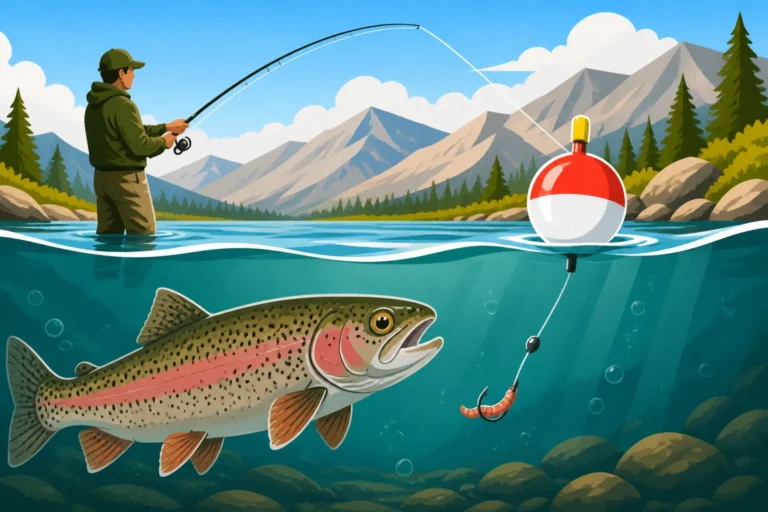
- Trout (Rainbow, Brown, Cutthroat): For stocked rainbows, PowerBait (especially in popular colors like chartreuse, rainbow, or garlic scent) and salmon eggs fished off the bottom with a sliding sinker rig are highly effective. Small inline spinners (size 0-2), spoons like Kastmasters, and tiny jigs tipped with a grub or a piece of nightcrawler also work wonders. For wilder trout, especially Lahontan cutthroat trout at Pyramid Lake, large streamers, swimbaits, and spoons that imitate baitfish are often the ticket. A good resource for targeting these beauties is our How to Fish for Trout in Nevada guide.
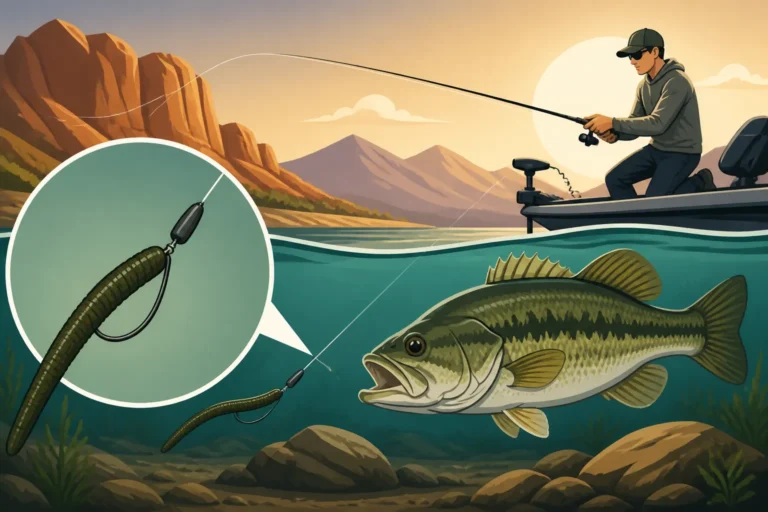
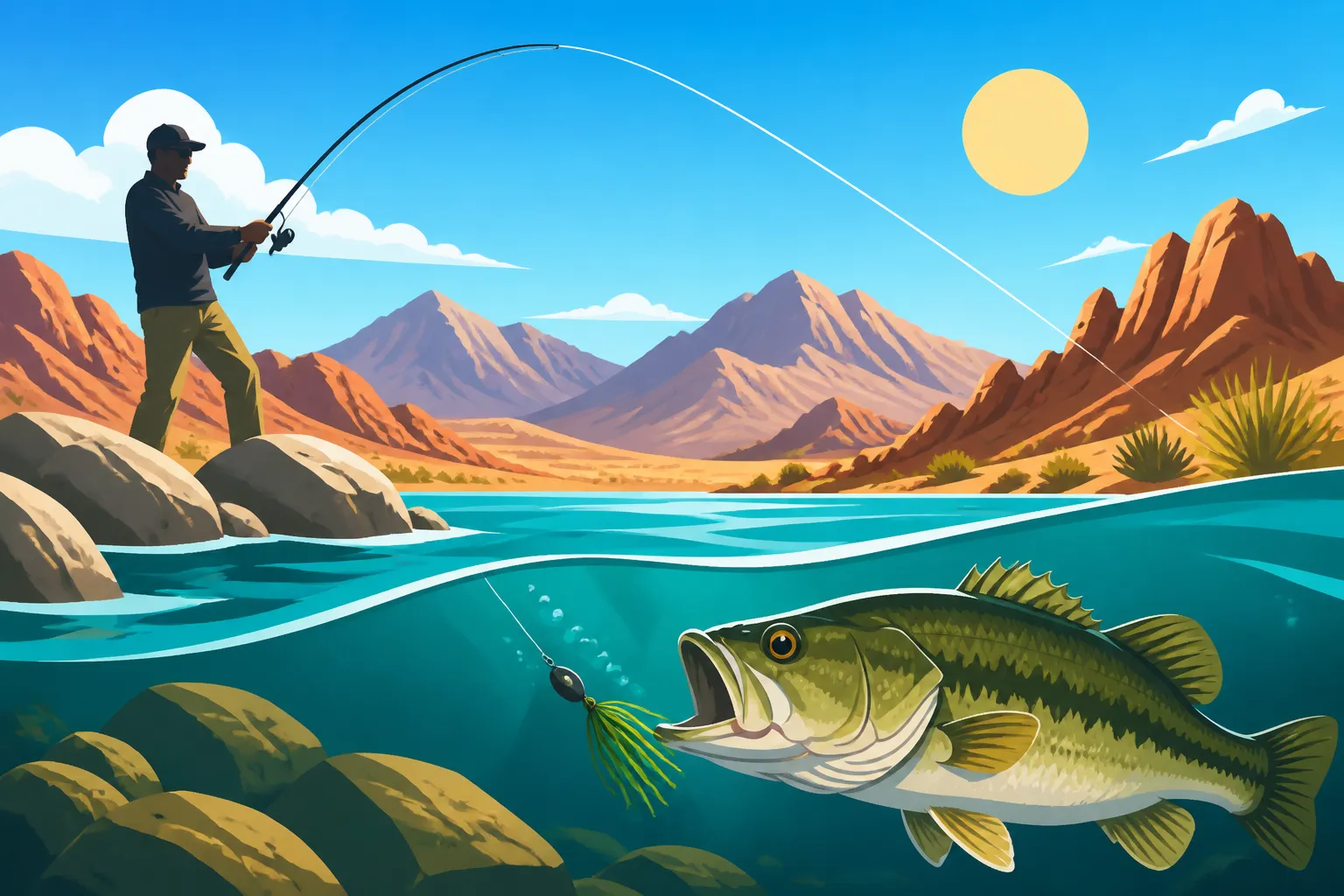
- Bass (Largemouth, Smallmouth): Bass in desert lakes often relate to available structure. For largemouth, target submerged brush, rock piles, or docks with Texas-rigged plastic worms, jigs with craw trailers, or crankbaits that match the depth. Smallmouth, favoring rocky areas and clear water, often respond well to drop shot rigs with small worms or minnow imitations, tube baits, and small crankbaits. Topwater lures like poppers or walk-the-dog baits can be explosive during low-light conditions. Learn more about their behavior in our How to Fish for Bass in Nevada article.
- Striped Bass: These hard-fighting fish are often found schooling and chasing baitfish. Live or cut anchovies and shad are top producers, fished on a Carolina rig or under a bobber. Large swimbaits, spoons (like the Tony Acetta Spoon), and crankbaits that mimic shad are also very effective, especially when cast into boils or trolled along submerged ledges. Jigs fished vertically around structure or schooling fish can also trigger aggressive strikes. Check out How to Fish for Striped Bass in Nevada for more detailed tips.
- Catfish: For channel catfish, stink baits, cut bait (especially shad or carp), chicken livers, and nightcrawlers fished on the bottom are universally effective. These fish are driven by scent and are less wary of heavy line or hardware.
By matching your offering to the fish's palate and habits, you greatly increase your chances of a successful outing.
Strategic Fishing Techniques for Different Species
Success in desert lake fishing isn't just about having the right gear and bait; it's about employing smart techniques that counteract the unique challenges. This means adapting your approach based on the fish you're targeting, the time of day, and the prevailing conditions.
Bank Fishing Tactics
Bank fishing is incredibly popular on Nevada's desert lakes, offering accessibility and a more relaxed experience. However, the clear water and often sparse shoreline cover mean you need to be strategic. The first rule of bank fishing here is often stealth. Approach the water quietly, avoid casting long shadows, and try to keep a low profile. Long casts are often necessary to reach deeper water or structure, so practice your casting accuracy and distance.
For trout, casting out PowerBait or a small worm on a slip-sinker rig and letting it soak on the bottom is a classic and effective method. You can also cast and retrieve small spinners or spoons, varying your retrieve speed until you find what works. When targeting bass from the bank, focus on areas with visible structure like rock piles, submerged trees, or even abrupt changes in bottom contour. Casting jigs, Texas-rigged worms, or crankbaits parallel to the bank or directly at structure can be productive. For striped bass, especially at lakes like Lake Mead, casting large spoons or swimbaits out as far as possible and retrieving them erratically can trigger strikes. Often, these fish will cruise along drop-offs or points within casting distance. Early mornings and late evenings are typically the most productive times for bank anglers as fish move shallower to feed under lower light conditions.
Boat and Kayak Fishing Approaches
Fishing from a boat or kayak gives you access to a much wider range of water, allowing you to reach offshore structures, deeper channels, and less-pressured areas. This is where a good fish finder really shines, helping you locate schools of baitfish, target depth, and hidden structure.
- Trolling: Trolling is an excellent method for covering large areas and finding active fish, especially for trout and deeper-dwelling species like Mackinaw (lake trout) in Lake Tahoe. Use downriggers or lead core line to get your lures (spoons, crankbaits, or dodger-and-worm combinations) down to the desired depth. Vary your speed and experiment with different lure colors and sizes until you start getting bites. For species like Lahontan cutthroat trout at Pyramid Lake, trolling with large swimbaits or plugs can be very effective, especially along drop-offs or underwater ledges.
- Drifting: Drifting with the wind or current can be a highly effective way to present live bait or soft plastics naturally. This is particularly useful for striped bass at Lake Mead, where drifting cut bait or anchovies over deep points or channels can yield impressive results. For bass, drifting over subtle humps or rock piles while casting jigs or drop shot rigs can also be productive.
- Casting to Structure: Boats and kayaks allow you to position yourself perfectly to cast to specific structure. For bass, this means positioning your boat a comfortable casting distance from a submerged brush pile, rock reef, or cliff face and meticulously working your lures through the cover. For stripers, look for boils of feeding fish on the surface or locate submerged points and humps where they might ambush bait. Kayak anglers, in particular, benefit from their stealth and ability to access very shallow or tight areas that larger boats cannot, making them ideal for exploring coves for bass or quiet trout streams. Consider using a good anchor system like a Power-Pole or a simple grapple anchor to hold your position in windy conditions.
Jigging and Vertical Presentation Methods
When fish are holding deep, stacked on structure, or schooled tightly, vertical jigging can be one of the most effective techniques in desert lakes. This method targets fish directly beneath your boat and is especially potent when you can mark fish on your fish finder.
- For Striped Bass: At Lake Mead or Lake Mohave, striped bass often suspend over deep water or hold close to submerged ledges. Heavy spoons (like the aforementioned Tony Acetta Spoon, or Hopkins Shorty), blade baits, or large bucktail jigs dropped directly to their depth and worked with a sharp lift-and-drop motion can provoke aggressive strikes. The key is to watch your fish finder for activity and adjust your jigging depth accordingly. Sometimes a subtle flutter is all it takes, other times a more aggressive rip.
- For Trout and Mackinaw: Deeper trout, especially Mackinaw in Lake Tahoe, can be targeted with heavier jigs (1-3 oz) tipped with a piece of bait or a grub. These are often fished slower, with a series of short lifts and drops, mimicking an injured baitfish. The sensitivity of modern graphite rods allows you to feel even the slightest tap in deep water.
- For Bass: While less common than casting, vertical jigging can work for bass holding tight to deep structure, especially during colder months. Small football jigs or drop shot rigs presented vertically can entice sluggish fish that won't chase a moving bait. The precision of vertical presentations allows you to keep your lure in the strike zone longer, a critical advantage when fish are less active.
Regardless of the species, the ability to pinpoint fish with your electronics and present a lure vertically often leads to bites that horizontal casting simply can't reach.
Adapting to Seasonal Changes and Water Levels
Nevada's desert lakes are dynamic environments, constantly changing with the seasons and fluctuating water levels. Ignoring these shifts is a surefire way to come home empty-handed. Successful anglers are those who understand these patterns and adjust their strategies accordingly. For a general overview, read our guide on the Best Time of Year to Fish in Nevada.
Spring and Fall Transitions
Spring and fall are often considered prime fishing seasons in Nevada, as moderate temperatures bring fish into more accessible depths and activity levels increase.
- Spring: As water temperatures begin to rise, fish become more active and move shallower, often preparing for or engaging in spawning activities. This is a fantastic time for bass, which will be moving into coves and shallower points to spawn. Shallow-diving crankbaits, spinnerbaits, and soft plastics (like Senkos or creature baits) are very effective. Trout, after a long winter, also become more active, feeding heavily in the warming shallows. Casting spinners, spoons, or even fly fishing with streamers can be highly productive. Focus on northern coves and points that receive more direct sunlight, as these areas warm up faster. Water clarity might decrease slightly with runoff, which can be a good thing for less wary fish.
- Fall: As summer heat gives way to cooler temperatures, fish often enter a feeding frenzy, packing on weight for the upcoming winter. This post-spawn and pre-winter period can offer some of the year's best fishing. Striped bass will often form large schools and chase baitfish aggressively on the surface, creating "boils" that are a sight to behold. Large spoons, swimbaits, and topwater lures are excellent choices. Trout stocking often resumes in the fall, making it a great time to target freshly stocked fish in urban ponds and smaller reservoirs. Bass will move deeper but still actively feed, often found on ledges and humps, responding well to jigs, deep-diving crankbaits, and spoons. The fish are typically healthier and more aggressive during these transitional periods.
Summer Heat and Winter Cold Strategies
Summer and winter present the most challenging conditions for desert lake anglers, demanding specific adjustments to succeed.
- Summer Heat: During the peak of summer, Nevada's desert lakes can reach extreme surface temperatures, pushing fish into deeper, cooler water. This is when understanding thermoclines becomes critical. For trout and deeper-dwelling species, you'll need to fish vertically with jigs or troll with downriggers to reach the cooler depths where they find refuge. For bass, early morning, late evening, and night fishing become the most productive. During these times, bass may move shallower to feed. During the day, they will likely be holding tight to deep cover or structure. Focus on shady areas, rock walls, or brush piles that offer relief from the sun. Night fishing for striped bass can also be incredibly productive, as they become bolder under the cover of darkness. Don't forget ample hydration and sun protection for yourself! For more in-depth knowledge, look into Summer Fishing Techniques for Hot Desert Lakes.
- Winter Cold: While many northern lakes freeze over, many of Nevada's larger desert lakes remain open, offering unique cold-water fishing opportunities. Fish generally become more sluggish in winter, conserving energy. This means slowing down your presentation significantly. For trout, smaller spoons, jigs, or PowerBait fished slowly on the bottom are effective. Mackinaw trout at Lake Tahoe are often targeted through ice fishing or deep jigging, as they remain active in the cold, deep water. Bass will hold in deep, often vertical structure, and can be caught with slow-fished jigs, drop shot rigs, or blade baits. Patience is key in winter; don't expect fast action, but the fish you do catch can often be larger, trophy-sized specimens. Check local conditions for ice thickness before venturing out on any frozen body of water.
The Impact of Water Level Fluctuations
Water levels, particularly in reservoirs like Lake Mead or Lake Mohave, can change dramatically due to drought or water management, fundamentally altering the fishing landscape. A low water year can expose vast amounts of new shoreline, revealing previously submerged structure but also shrinking fish habitat. Conversely, rising water can flood new vegetation, creating excellent new cover for bass and other species.
When water levels drop, fish habitat concentrates. They often move to the remaining deep channels, old creek beds, or submerged rock piles that are still inundated. Old boat ramps or docks that are now high and dry can indicate where valuable structure might be found further out. Your fish finder becomes an invaluable tool for locating these new-old structures.
When water levels rise, look for newly flooded terrestrial vegetation. This provides excellent cover and new feeding grounds, especially for bass. Areas that were previously barren might now be productive. Stay adaptable, observe the shoreline, and don't be afraid to explore new areas that have been created or revealed by these fluctuations. Always consult current conditions from the Nevada Department of Wildlife (NDOW) before heading out.
Safety and Conservation on Nevada's Desert Lakes
Fishing in Nevada's desert environment comes with inherent risks, both for you and for the fragile ecosystem. Being prepared and practicing responsible angling are not just good ideas—they're essential for a safe and sustainable experience.
Boating Safety and Navigation
Many of Nevada's desert lakes are vast and can turn treacherous quickly. Lake Mead, for example, is immense, and sudden high winds can whip up dangerous waves in a matter of minutes. Always check the weather forecast before heading out, and be prepared to cut your trip short if conditions deteriorate. Ensure your boat is properly equipped with all required safety gear, including life jackets for every passenger (especially children), a throwable flotation device, a whistle or horn, and navigational lights if you plan to be out at dawn, dusk, or night. Remember, a Nevada Boater Education Card Requirement applies to many operators.
Navigating these lakes can also be tricky, especially with fluctuating water levels. Submerged hazards like rock piles, old foundations, and shallow humps can appear without warning. Always consult up-to-date nautical charts (if available) or use a reliable GPS unit with detailed mapping. Maintain a safe speed, especially in unfamiliar waters, and designate a lookout to help spot potential dangers. Proper communication and common sense on the water can prevent serious accidents.
Practicing Catch and Release and Ethical Harvest
Many of Nevada's desert lakes, especially those with sensitive populations like the Lahontan cutthroat trout at Pyramid Lake, emphasize catch and release or have specific slot limits to protect certain size classes of fish. Understanding and adhering to these regulations is crucial for maintaining healthy fish populations.
When practicing catch and release, handle fish with care. Minimize their time out of the water, use wet hands when handling them to protect their protective slime coat, and use barbless hooks or crimp down barbs for easier removal. If a fish is deeply hooked, cut the line as close to the hook as possible rather than trying to rip it out. For larger fish, a landing net with a rubberized mesh can help reduce injury. When releasing, hold the fish gently in the water, facing into a slight current if possible, until it regains its strength and swims away on its own.
For fish you plan to keep, understand and respect the Nevada Statewide Bag Limits Explained and size restrictions for each species. Only keep what you can legally and ethically use, and never waste fish. Rapidly dispatch and properly store your catch on ice to ensure the meat stays fresh and delicious. Ethical harvest also means understanding and avoiding overfishing, especially in smaller, more fragile ecosystems.
Environmental Stewardship and Leave No Trace Principles
The beauty of Nevada's desert lakes lies in their stark, wild nature. It's up to every angler to help preserve this environment for future generations. "Leave No Trace" principles are simple yet powerful guidelines:
- Pack it in, pack it out: This means everything, including fishing line scraps, bait containers, food wrappers, and anything else you bring with you. Even biodegradable items can take a long time to break down in the dry desert and can be unsightly.
- Dispose of waste properly: Use designated trash receptacles if available, otherwise, pack it out. This includes human waste if you are in remote areas – know how to dig a cathole far from water sources.
- Minimize impact: Stay on existing roads and trails. Avoid disturbing wildlife, especially during breeding seasons. Never introduce non-native species (e.g., baitfish from another water body) into a lake, as this can have devastating ecological consequences. Learn about Invasive Fish Species in Nevada Lakes and how to prevent their spread.
- Respect private property and public access: Be aware of land ownership and access points. Obtain necessary permits (like the Pyramid Lake Fishing Permit Guide for tribal lands) and respect boundaries.
By being mindful of your impact, you contribute to the health and beauty of these precious desert fisheries, ensuring they remain vibrant destinations for all.
Top Nevada Desert Lakes and Their Specialties
Nevada is home to a surprising variety of desert lakes, each offering unique fishing experiences and challenges. While the general techniques apply, understanding the specific characteristics of each major body of water will help you tailor your approach for maximum success.
Lake Mead and Lake Mohave
These two vast reservoirs on the Colorado River system are synonymous with desert fishing in Southern Nevada. They share many characteristics but also have their own quirks.
- Lake Mead Nevada Fishing Guide: Lake Mead is immense, a true inland sea that offers incredible opportunities for striped bass, largemouth bass, and channel catfish. Its sheer size means you'll need a good boat and navigation skills to explore its countless coves, points, and deep channels. Striped bass are the undisputed kings here, often found schooling and chasing baitfish. Jigging spoons, trolling large crankbaits, or drifting cut bait are popular methods. For largemouth bass, focus on submerged structure like brush piles, rock formations, and the abundant canyon walls. The largemouth can be wary in the clear water, so finesse presentations with soft plastics or jigs are often key. Catfish are prevalent in the warmer, shallower bays and near creek inlets.
- Lake Mohave Nevada Fishing Guide: Situated downstream from Hoover Dam, Lake Mohave is known for its excellent rainbow trout fishing, particularly in the cooler, clearer waters near Willow Beach. These trout are regularly stocked by NDOW and can grow to impressive sizes. Trolling small spoons or spinners, or bait fishing with PowerBait or worms, are effective for trout. Like Lake Mead, Mohave also holds a healthy population of striped bass and largemouth bass, especially in its lower, warmer sections. The narrower, canyon-like structure of Mohave can offer more protected fishing areas than the open expanses of Mead, but also presents more dramatic drop-offs and submerged hazards. Both lakes demand vigilance for rapidly changing weather and boat traffic.
Pyramid Lake
This ancient, alkaline lake northeast of Reno is a world unto itself, famous for its trophy Lahontan cutthroat trout, a unique native species. Fishing Pyramid Lake requires special permits and adherence to specific regulations.
- Pyramid Lake Nevada Fishing Guide: Fishing Pyramid Lake is a pilgrimage for many. The Lahontan cutthroat trout here can grow to monstrous sizes, often exceeding 20 pounds. The lake's clear, cold waters and unique ecosystem demand specialized techniques. Shore anglers use long, powerful surf rods to cast heavy spoons, jigs, or artificial swimbaits (often referred to as "flies" even if they're lure-like) far out into the lake. Often, anglers will stand on ladders in the water to gain more casting distance and a better vantage point. Boat fishing involves trolling large plugs, spoons, or deep-diving crankbaits. The fishing season typically runs from October through June, with closures during the summer to protect the fish. Understanding the unique Pyramid Lake Tribal Fishing Permit and Pyramid Lake Season and Bag Limit Rules is non-negotiable before you visit. Catch and release is strongly encouraged for the larger, native fish.
Wildhorse Reservoir
Located in northeastern Nevada near Elko, Wildhorse Reservoir offers a different high-desert fishing experience, known for its diverse cold-water species and scenic mountain backdrop.
- Wildhorse Reservoir Nevada Fishing Guide: Wildhorse is a fantastic trout fishery, with rainbow, brown, and tiger trout (a sterile hybrid) all present. It's also home to yellow perch, smallmouth bass, and even some channel catfish. The reservoir is particularly popular for ice fishing in winter when conditions allow. In open water, trolling with spoons or spinners is effective for trout, as is bank fishing with PowerBait or worms. The smallmouth bass population offers a fun challenge, often found around the rocky points and submerged humps. Wildhorse's elevation means cooler summer temperatures than the southern lakes, making it a more comfortable summer fishing destination. It also offers camping and recreational opportunities, making it a great choice for a family fishing trip.
Final Thoughts on Desert Lake Fishing
The key takeaway for fishing Nevada's desert lakes is adaptability. These aren't your average fishing holes; they demand respect for the environment and a willingness to learn and adjust. From the blazing sun and crystal-clear waters to the fluctuating levels and unique fish behaviors, every outing is a lesson in resilience. But with the right mindset, the right gear (much of which you can conveniently source from retailers like Amazon), and a deep understanding of these specific techniques, you're not just casting a line – you're engaging with a truly wild and rewarding landscape. Embrace the challenge, enjoy the solitude, and savor the unforgettable moments these incredible desert fisheries have to offer.
Disclaimer
The information provided in this guide is for general informational purposes only and does not constitute legal advice. Fishing regulations, license requirements, and local conditions in Nevada can change frequently. Always consult the official Nevada Department of Wildlife (NDOW) website or their current regulations booklet before heading out on any fishing trip. Adherence to all local, state, and federal laws is the responsibility of the angler. Fishing carries inherent risks, and participants should take appropriate safety precautions.