Is ice fishing safe on Nevada lakes?
There's a common misconception that ice fishing isn't really a "Nevada thing," or that if it is, it must be inherently dangerous due to our generally milder winters and desert climate. While it's true that not every lake freezes solid, and our ice conditions can be notoriously unpredictable, ice fishing in Nevada is absolutely possible and can be incredibly rewarding. The real question isn't if you can ice fish, but how to do it safely and responsibly. This guide will walk you through the critical safety precautions, essential gear, and practical tips you need to know to enjoy Nevada's frozen waters without putting yourself at undue risk.
Understanding Nevada's Unique Ice Fishing Environment
Nevada isn't Minnesota, and that's the first thing you need to understand about ice fishing here. Our state's diverse geography, from high mountain ranges to vast desert valleys, creates a unique and often challenging environment for safe ice formation. This variability means that vigilance and local knowledge are paramount.
The Variable Nature of Nevada's Winter Ice
Unlike states in the Upper Midwest where consistent sub-zero temperatures can create uniform, thick ice across large bodies of water for months, Nevada's winter weather can be a real mixed bag. One day it might be crisp and cold, conducive to ice growth, and the next, a warm front could roll through, rapidly deteriorating conditions. This makes the ice highly localized and often inconsistent, even on the same lake. A cove might have several inches of solid ice, while the main channel just a few hundred yards away could be wide open water or dangerously thin.
This variability is why you can't just assume a lake is safe because it was safe last week, or because a friend fished it yesterday. Factors like fluctuating air temperatures, solar radiation, wind, snow cover, and underlying water currents all play a significant role in ice thickness and integrity. High-elevation lakes, like those you might find near the Ruby Mountains, typically freeze more reliably and for longer durations. Lower-elevation desert reservoirs, on the other hand, might only offer a brief, sporadic window for safe ice fishing, and sometimes not at all in milder winters. It’s crucial to know your specific location and understand its microclimate.
Why Thin Ice is a Real Danger
The dangers of thin ice are not to be underestimated. Falling through the ice isn't just about getting wet; it's a life-threatening situation where seconds can count. The immediate shock of the cold water can cause involuntary gasping, leading to water inhalation. Hypothermia sets in rapidly, impairing your motor skills and cognitive function. Within minutes, your ability to self-rescue can be severely compromised. Even if you manage to get out, the cold can quickly lead to frostbite and severe hypothermia, requiring immediate medical attention.
Beyond personal injury, there's the risk of losing valuable equipment. Imagine dropping your auger, fishing rods, or even your vehicle into frigid depths. The emotional and financial costs can be significant. The fear of falling through is a valid one, and it's precisely why a cautious, prepared approach to ice fishing in Nevada is not just recommended, but absolutely essential. It's not about being overly paranoid, but about having a healthy respect for the environment and prioritizing your safety above all else.
Essential Safety Measures for Nevada Ice Anglers
When you're out on the ice in Nevada, you're responsible for your own safety and the safety of those around you. This means being prepared, knowing the rules, and constantly assessing conditions. Ignoring these measures can turn a fun day into a dire emergency.
The "Four-Inch Rule" and Ice Thickness Checks
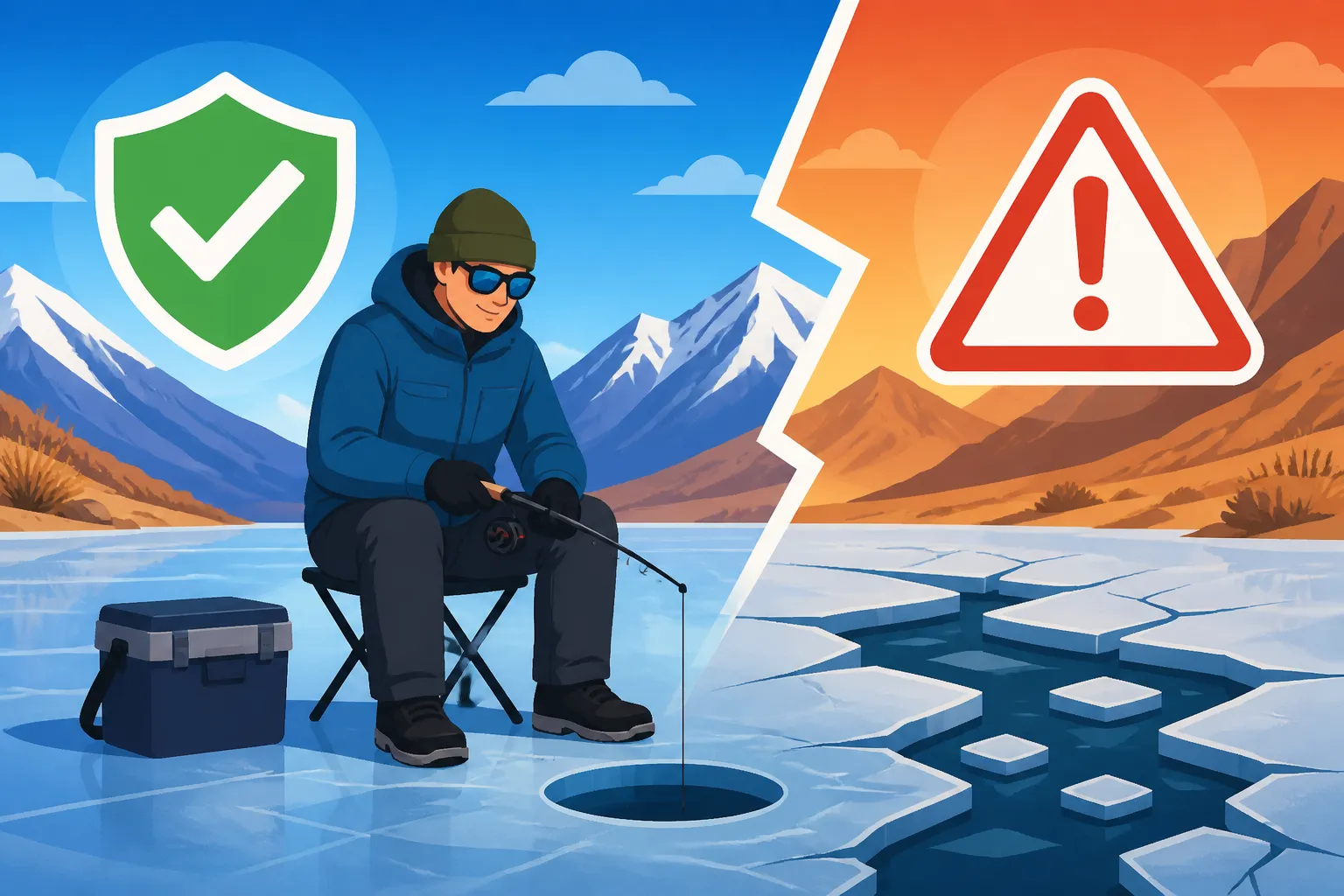
The most fundamental rule of ice safety is often referred to as the "Four-Inch Rule," though it's important to remember this is a minimum for foot travel under ideal conditions. For clear, solid ice, a minimum of 4 inches is generally considered safe for individual foot travel. However, this is just a guideline. Snow-covered ice, ice that has thawed and refrozen, or ice that is honeycombed (often called "rotten ice") can be significantly weaker, even if it appears thick. For groups or snowmobiles, much thicker ice is required, typically 5-7 inches, and for a small car or truck, you're looking at 8-12 inches or more, often only advised on very specific, well-known ice roads.
In Nevada, where ice conditions are so variable, you must never assume the ice is safe. The only way to truly know is to check it yourself, frequently and consistently. Carry a spud bar (a heavy chisel-like tool) to test the ice ahead of you as you walk, or use an ice auger to drill test holes every 10-20 feet as you venture out. Pay close attention to changes in ice color or texture; dark spots often indicate thinner ice, and cracks can signal stress. Even when you've found a good spot, keep checking around your fishing area, especially if you move to a new location. Remember, ice thickness can vary by several inches within just a few feet, making continuous vigilance absolutely critical.
Dressing for Success and Survival
Your clothing choices are your first line of defense against the cold and, potentially, against hypothermia if you do fall in. Layering is non-negotiable. Start with a moisture-wicking base layer (like merino wool or synthetic materials) to draw sweat away from your skin. Add insulating layers like fleece or down for warmth, and top it all off with a waterproof and windproof outer shell. This multi-layer approach allows you to adjust your warmth as conditions change and helps retain heat if you get wet.
Perhaps the most important piece of gear, especially given Nevada's unpredictable ice, is a modern flotation suit, also known as an ice fishing suit. Brands like Striker, Clam, and Eskimo make excellent options. These suits are designed with built-in flotation material that can buy you precious time if you break through, helping you stay afloat and making self-rescue easier. Many also offer excellent insulation and waterproofing. While an investment, a flotation suit is arguably the most critical safety item for any serious ice angler. Complement this with waterproof, insulated boots that provide good traction and warm, waterproof gloves or mittens. Consider buying some of these essential items through a reputable online retailer like Amazon to ensure you get quality gear.
Essential Safety Gear You Must Carry
Beyond proper clothing, there's a specific list of gear that every ice angler in Nevada should carry with them on the ice, without exception.
- Ice Picks/Spikes: These are small, sharp handles connected by a cord that you wear around your neck or in an easily accessible pocket. If you fall through, you can use them to grip the edge of the ice and pull yourself out. They are simple, inexpensive, and literally life-saving.
- Rope or Throw Bag: A length of sturdy rope (at least 50 feet) with a buoyant end or a dedicated throw bag should be easily accessible. This allows a companion to rescue you without putting themselves at risk, or for you to help someone else.
- Whistle: If you fall in or get into trouble, a whistle can signal for help, especially if you're out of earshot for shouting.
- First-Aid Kit: A basic kit for minor injuries is always a good idea, including essentials for cuts, scrapes, and blisters.
- Warm Thermos: Fill it with hot coffee, tea, or soup. This can provide much-needed warmth and rehydration, especially after a prolonged period in the cold, or as emergency warmth if someone gets wet.
- Flashlight/Headlamp: Winter days are short. A reliable light source is crucial for early morning setups, late evening pack-ups, or if an emergency extends into darkness.
- Navigation Tools: A GPS device or a reliable compass (and the knowledge to use it) can prevent you from getting disoriented in whiteout conditions or fog, which can happen unexpectedly on large, open ice bodies.
- Communication Device: A fully charged cell phone in a waterproof case is essential. However, be aware that service can be spotty in remote Nevada areas. Consider a satellite messenger for truly off-grid adventures.
Having these items readily available, not buried deep in a sled, is crucial. For more details on what to pack, check out our comprehensive guide on Nevada Ice Fishing Gear Checklist
/Nevada-Ice-Fishing-Gear-Checklist).
Planning Your Ice Fishing Trip Safely in Nevada
A successful and safe ice fishing trip begins long before you even step foot on the ice. In Nevada, where conditions can change rapidly, thorough planning and preparedness are your best allies.
Researching Conditions and Local Knowledge
Never embark on an ice fishing trip in Nevada without doing your homework. The Nevada Department of Wildlife (NDOW) is an excellent resource for current conditions, stocking reports, and any specific regulations for different bodies of water. Websites like the NDOW's fishing reports, local bait shops' social media pages, and regional online fishing forums can provide invaluable, up-to-the-minute information about ice thickness and safety. Locals often have the best insights into which areas are freezing well and which to avoid.
For instance, Wildhorse Reservoir and Cave Lake State Park are often reliable spots for ice fishing in northeastern Nevada, but even these locations can have varying conditions. Always call ahead to a local outfitter or park ranger if possible. Don't rely solely on information from weeks past; ice conditions can degrade quickly after a warm spell or heavy snowfall. Remember, when planning your trip, you'll also want to be familiar with the Nevada Fishing Regulations Explained
/Nevada-Fishing-Regulations-Explained) for the specific body of water you intend to fish, as rules can vary regarding species, limits, and seasons, even when the ice is safe.
Fishing with a Buddy and Communication
This is perhaps the simplest yet most vital rule of ice fishing safety: Never ice fish alone. An emergency on the ice, whether it's falling through, a medical issue, or a slip and fall, is exponentially more dangerous if you're by yourself. A fishing partner can initiate rescue, provide warmth, administer first aid, or go for help. Even if you're just fishing a short distance from each other, maintain visual contact and agree on a plan for what to do if someone gets into trouble.
Beyond fishing with a partner, always inform someone reliable back home about your plans. Tell them where you're going, when you expect to return, and who you're with. Provide specific details about your chosen lake or section of the lake. This way, if you don't check in on time, someone knows where to send help. Carry a fully charged cell phone in a waterproof bag or case, but be aware that many prime Nevada fishing spots, especially the more remote ones, might have limited or no cell service. For truly remote locations, consider investing in a satellite messenger or personal locator beacon for emergency communication.
Vehicle and Shelter Safety on the Ice
The allure of driving your truck right onto the ice to set up your shelter is strong, but it's a practice that comes with significantly higher risks and stricter ice thickness requirements. Generally, at least 8-12 inches of clear, solid ice is needed to support a small vehicle, and even more for heavier trucks or multiple vehicles. Always check local regulations, as many Nevada lakes may prohibit vehicle access on the ice entirely, regardless of thickness. If vehicles are permitted, stick to designated entry points and routes, and be extremely cautious of slushy areas, cracks, or pressure ridges that indicate weak spots.
For those using ice fishing shelters, carbon monoxide poisoning is a silent killer. Many ice shelters are designed to be insulated, and when using propane heaters inside, proper ventilation is absolutely critical. Always ensure adequate airflow by leaving a window or vent slightly open. It's also highly recommended to carry a battery-operated carbon monoxide detector inside your shelter. These small devices can literally save your life. Additionally, secure your shelter to the ice to prevent it from being blown away in sudden strong Nevada winds, which can be surprisingly fierce even on clear winter days. To learn more about setting up your gear, read our guide on the Best Ice Fishing Auger and Shelter
/Best-Ice-Fishing-Auger-and-Shelter).
Common Misconceptions and Additional Tips
Even experienced anglers can fall prey to common misconceptions about ice safety. Understanding these nuances, especially in a state like Nevada, can be the difference between a great day on the ice and a dangerous situation.
The Myth of "Black Ice" Strength and Snow Cover Dangers
You've probably heard that "black ice is the strongest ice." While it's true that clear, newly formed ice (often appearing dark or "black" because you can see through it to the water below) is generally stronger pound-for-pound than cloudy or snow-covered ice, it's not a guarantee of safety. A thin sheet of "black ice" can still be dangerously weak. The strength comes from its solid, dense structure, free from air bubbles or impurities. However, its clarity can also make it harder to judge thickness accurately from a distance. Always test it with your spud bar or auger, even if it looks pristine.
Conversely, snow cover poses several hidden dangers. A layer of snow on top of ice acts as an insulator, preventing the ice from thickening further. Worse, heavy snow can actually depress the ice, causing water to seep up through cracks and create a slushy layer between the snow and the ice—this is often called "slush ice" or "snow ice" and is notoriously weak and deceptive. Snow also hides weak spots, pressure ridges, and open water, making it extremely difficult to navigate safely. Always be extra cautious on snow-covered ice and drill more frequent test holes. Avoid areas where currents are strong, such as river inlets or outlets on lakes like the Truckee River or around warmer springs, as these areas rarely freeze uniformly.
Post-Fall Survival Strategies
Despite all precautions, accidents can happen. Knowing what to do if you fall through the ice is paramount. The immediate response is often panic, but controlling your breathing and focusing on self-rescue is critical.
- Don't Panic: The shock of cold water is intense. Take a few deep breaths to regain control.
- Turn Towards the Edge: Orient yourself back towards the direction you came from, as that's likely where the ice was last safe.
- Use Ice Picks: If you have ice picks (and you should!), jab them into the ice and use them to pull yourself forward.
- Kick Your Feet: Use a strong flutter kick, like swimming, to propel yourself horizontally onto the ice.
- Roll Away: Once you get some of your body onto the ice, don't stand up. Roll away from the hole to distribute your weight more widely across the weaker ice, then crawl back to thicker, safer ground.
- Seek Warmth Immediately: Once out, get to a warm place, remove wet clothing, and get into dry, warm layers. Hypothermia is a serious risk. Sip warm drinks if available. If shivering is uncontrollable or coordination is lost, seek immediate medical attention.
For comprehensive information on safe practices, look into resources from the National Weather Service and your local NDOW office, which often provides guidance on Ice Fishing Safety on Nevada Reservoirs
/Ice-Fishing-Safety-on-Nevada-Reservoirs).
Respecting Wildlife and the Environment
Part of being a responsible angler in Nevada means more than just personal safety; it's about respecting the fragile winter environment and its inhabitants. Always pack out everything you pack in, including fishing line, bait containers, and any trash. Leaving litter on the ice can not only harm wildlife but also create hazards for other anglers once the ice melts.
Be mindful of wildlife, especially birds and other animals that may be stressed during winter months. Observe from a distance and avoid disturbing their natural habitats. Finally, be aware of specific regulations that might apply to certain fish species or areas. For example, some lakes might have special rules regarding catch and release, or protected areas, all of which are designed to maintain healthy fish populations. Always consult the official Nevada Fishing License Guide
/Nevada-Fishing-License-Guide) and the current fishing regulations booklet to ensure you are compliant with all rules for your chosen fishing location.
Ice fishing in Nevada is an incredible experience for those who embrace the challenge and respect the conditions. By prioritizing safety, being well-prepared, and understanding the unique characteristics of our state's frozen waters, you can enjoy thrilling days on the ice and create lasting memories.
Disclaimer
The information provided in this guide is for general informational purposes only and does not constitute professional advice. Ice conditions are inherently unpredictable and can change rapidly. Always exercise extreme caution, use your best judgment, and prioritize safety above all else when venturing onto the ice. It is your responsibility to verify current ice conditions, local regulations, and safety guidelines with the Nevada Department of Wildlife (NDOW) or other authoritative sources before engaging in ice fishing activities. The author and publisher are not responsible for any accidents, injuries, or losses incurred as a result of using this information.